



Total runs:
129.8K
Run Growth:
-78.5K
Growth Rate:
-60.44%
Controlnet v1.1 is the successor model of Controlnet v1.0 and was released in lllyasviel/ControlNet-v1-1 by Lvmin Zhang .
This checkpoint is a conversion of
the original checkpoint
into
diffusers
format.
It can be used in combination with
Stable Diffusion
, such as
runwayml/stable-diffusion-v1-5
.
For more details, please also have a look at the 🧨 Diffusers docs .
ControlNet is a neural network structure to control diffusion models by adding extra conditions.

This checkpoint corresponds to the ControlNet conditioned on depth images .
Developed by: Lvmin Zhang, Maneesh Agrawala
Model type: Diffusion-based text-to-image generation model
Language(s): English
License: The CreativeML OpenRAIL M license is an Open RAIL M license , adapted from the work that BigScience and the RAIL Initiative are jointly carrying in the area of responsible AI licensing. See also the article about the BLOOM Open RAIL license on which our license is based.
Resources for more information: GitHub Repository , Paper .
Cite as:
@misc{zhang2023adding, title={Adding Conditional Control to Text-to-Image Diffusion Models}, author={Lvmin Zhang and Maneesh Agrawala}, year={2023}, eprint={2302.05543}, archivePrefix={arXiv}, primaryClass={cs.CV} }
Controlnet was proposed in Adding Conditional Control to Text-to-Image Diffusion Models by Lvmin Zhang, Maneesh Agrawala.
The abstract reads as follows:
We present a neural network structure, ControlNet, to control pretrained large diffusion models to support additional input conditions. The ControlNet learns task-specific conditions in an end-to-end way, and the learning is robust even when the training dataset is small (< 50k). Moreover, training a ControlNet is as fast as fine-tuning a diffusion model, and the model can be trained on a personal devices. Alternatively, if powerful computation clusters are available, the model can scale to large amounts (millions to billions) of data. We report that large diffusion models like Stable Diffusion can be augmented with ControlNets to enable conditional inputs like edge maps, depthmentation maps, keypoints, etc. This may enrich the methods to control large diffusion models and further facilitate related applications.
It is recommended to use the checkpoint with Stable Diffusion v1-5 as the checkpoint has been trained on it. Experimentally, the checkpoint can be used with other diffusion models such as dreamboothed stable diffusion.
Note : If you want to process an image to create the auxiliary conditioning, external dependencies are required as shown below:
diffusers
and related packages:
$ pip install diffusers transformers accelerate
import torch
import os
from huggingface_hub import HfApi
from pathlib import Path
from diffusers.utils import load_image
from PIL import Image
import numpy as np
from transformers import pipeline


from diffusers import (
    ControlNetModel,
    StableDiffusionControlNetPipeline,
    UniPCMultistepScheduler,
)

checkpoint = "lllyasviel/control_v11p_sd15_depth"

image = load_image(
    "https://huggingface.co/lllyasviel/control_v11p_sd15_depth/resolve/main/images/input.png"
)

prompt = "Stormtrooper's lecture in beautiful lecture hall"

depth_estimator = pipeline('depth-estimation')
image = depth_estimator(image)['depth']
image = np.array(image)
image = image[:, :, None]
image = np.concatenate([image, image, image], axis=2)
control_image = Image.fromarray(image)

control_image.save("./images/control.png")

controlnet = ControlNetModel.from_pretrained(checkpoint, torch_dtype=torch.float16)
pipe = StableDiffusionControlNetPipeline.from_pretrained(
    "runwayml/stable-diffusion-v1-5", controlnet=controlnet, torch_dtype=torch.float16
)

pipe.scheduler = UniPCMultistepScheduler.from_config(pipe.scheduler.config)
pipe.enable_model_cpu_offload()

generator = torch.manual_seed(0)
image = pipe(prompt, num_inference_steps=30, generator=generator, image=control_image).images[0]

image.save('images/image_out.png')


The authors released 14 different checkpoints, each trained with Stable Diffusion v1-5 on a different type of conditioning:
| Model Name | Control Image Overview | Condition Image | Control Image Example | Generated Image Example |
|---|---|---|---|---|
|
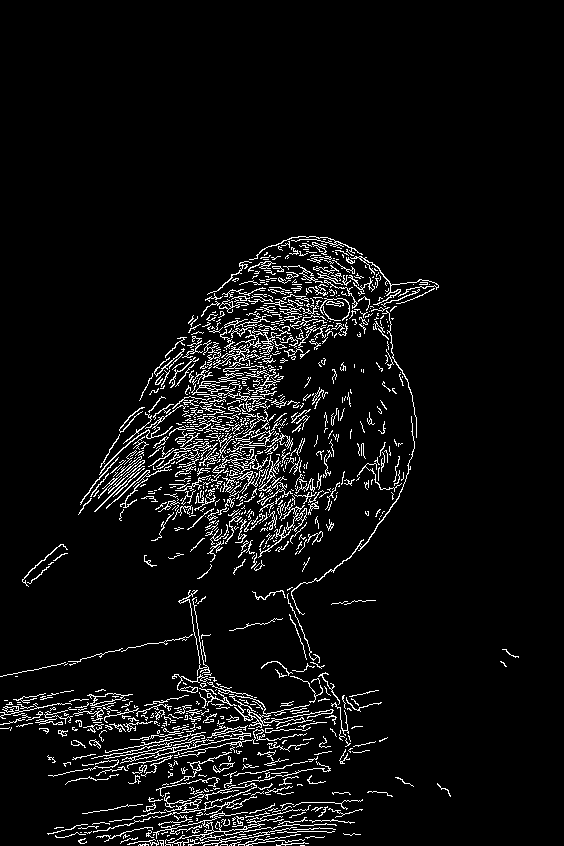
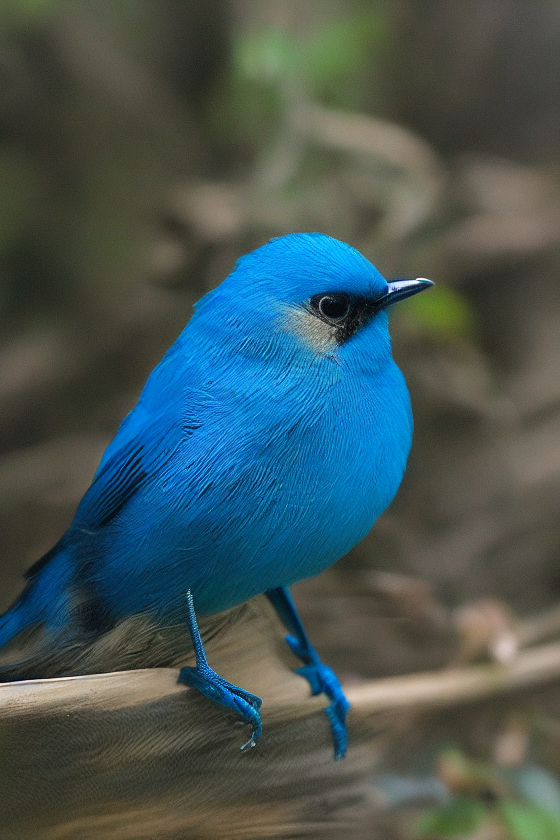
lllyasviel/control_v11p_sd15_canny
|
Trained with canny edge detection | A monochrome image with white edges on a black background. |
|
|
|
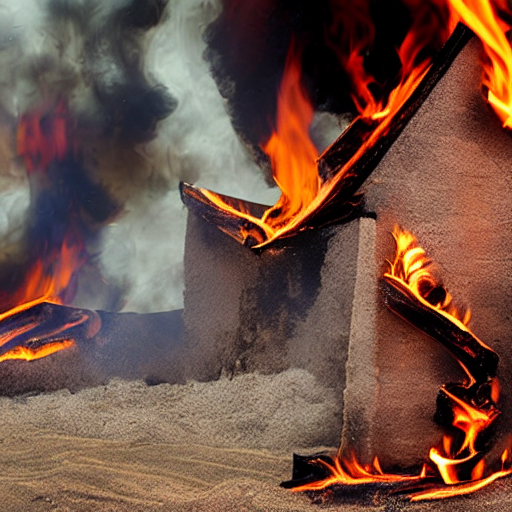
lllyasviel/control_v11e_sd15_ip2p
|
Trained with pixel to pixel instruction | No condition . |

|
|
|
lllyasviel/control_v11p_sd15_inpaint
|
Trained with image inpainting | No condition. |

|
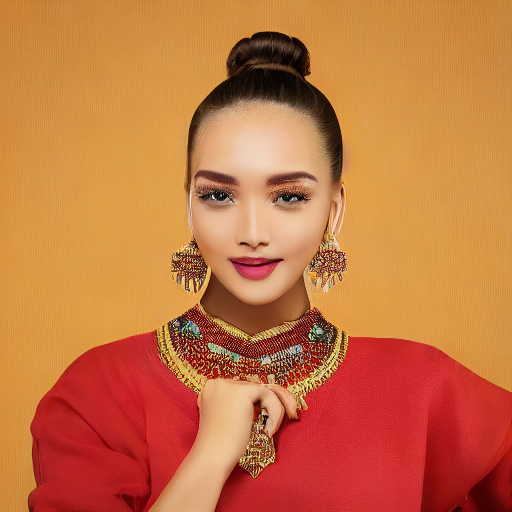
|
|
lllyasviel/control_v11p_sd15_mlsd
|
Trained with multi-level line segment detection | An image with annotated line segments. |
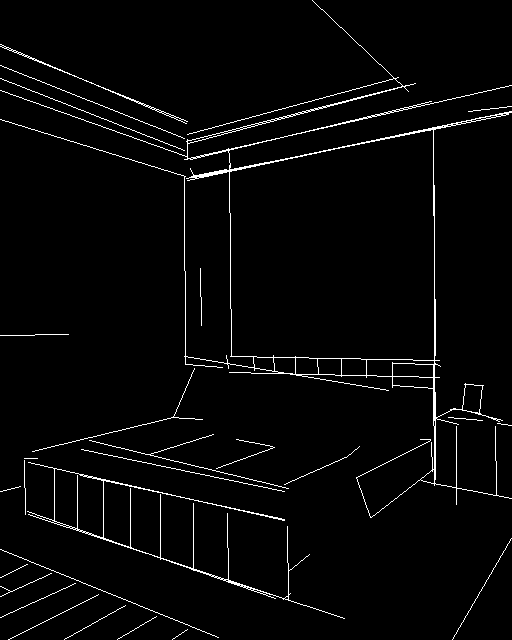
|
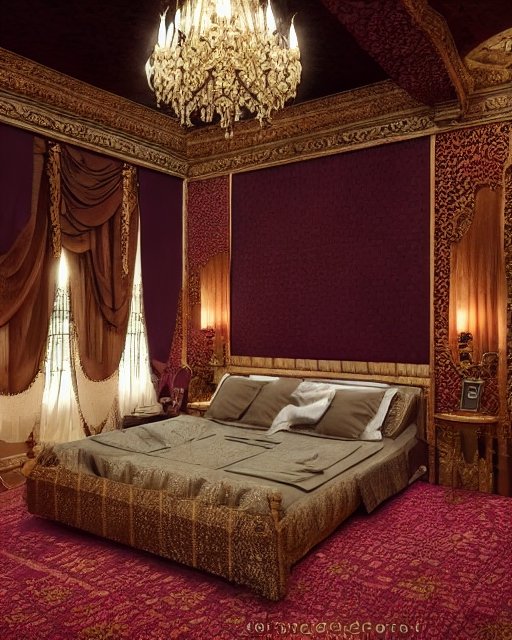
|
|
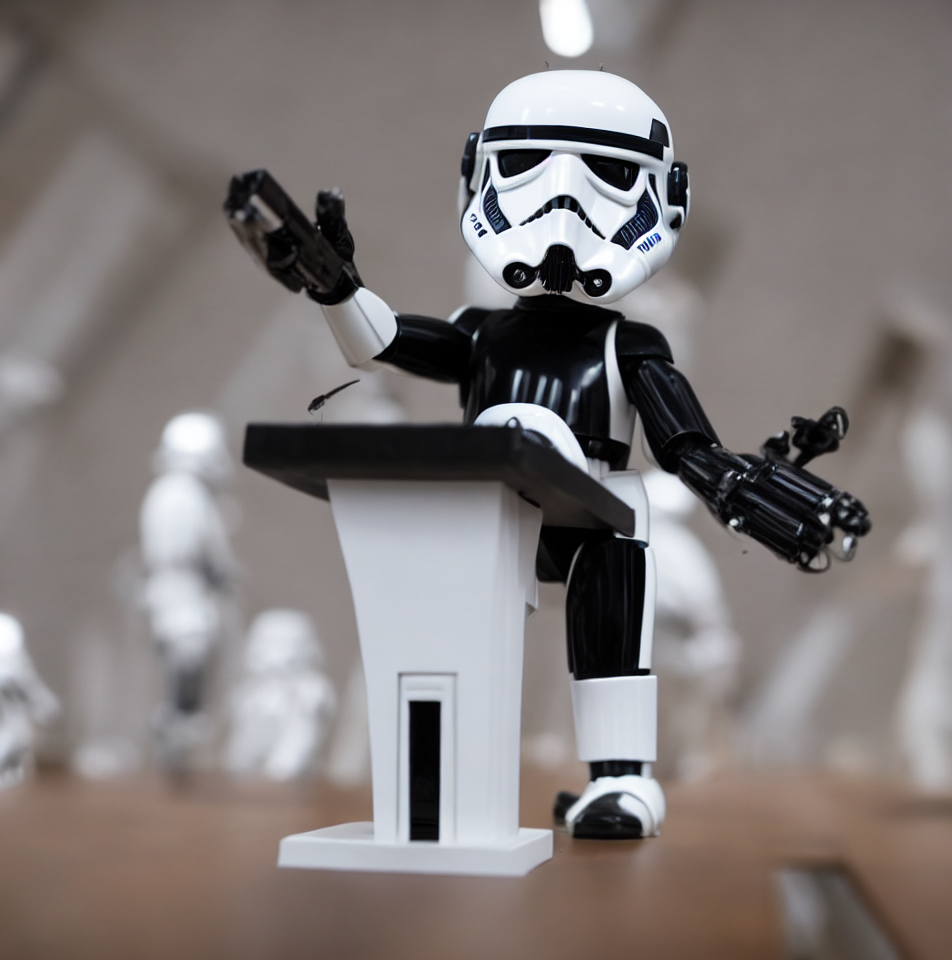
lllyasviel/control_v11f1p_sd15_depth
|
Trained with depth estimation | An image with depth information, usually represented as a grayscale image. |
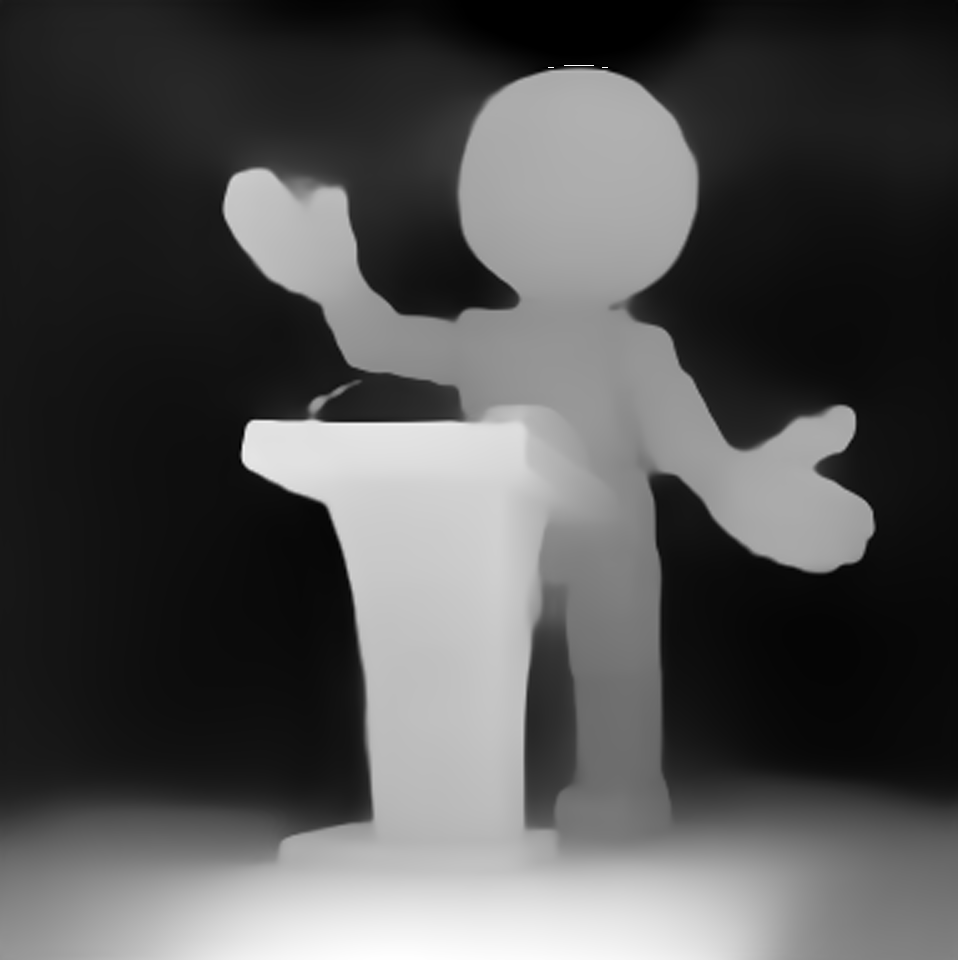
|
|
|
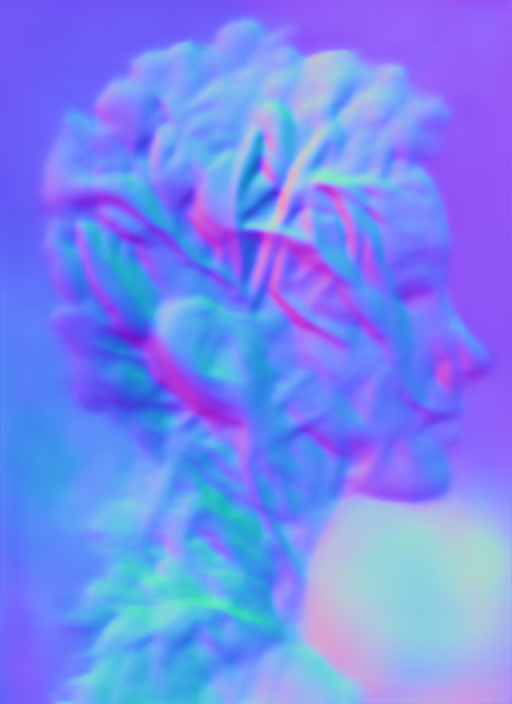
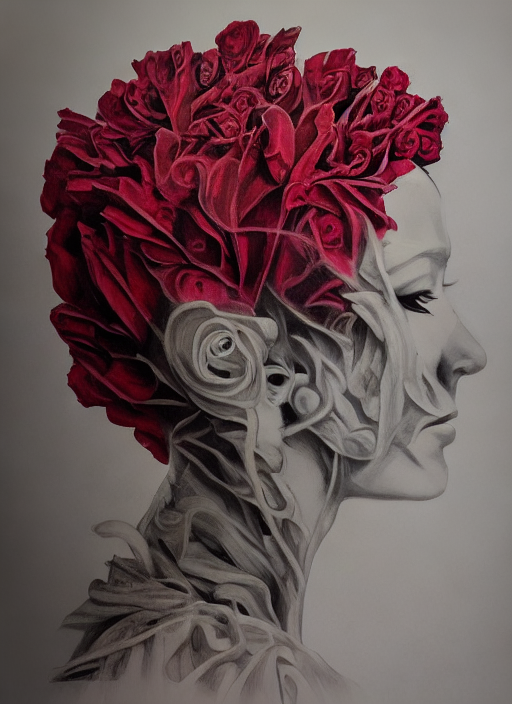
lllyasviel/control_v11p_sd15_normalbae
|
Trained with surface normal estimation | An image with surface normal information, usually represented as a color-coded image. |
|
|
|
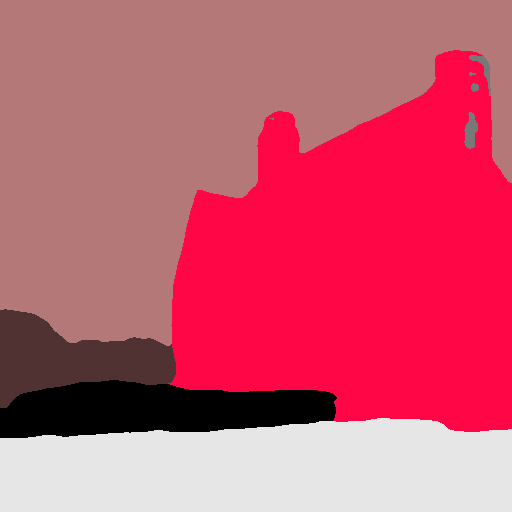
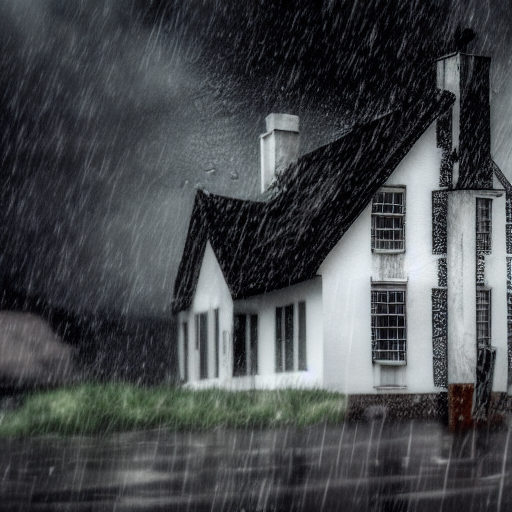
lllyasviel/control_v11p_sd15_seg
|
Trained with image segmentation | An image with segmented regions, usually represented as a color-coded image. |
|
|
|
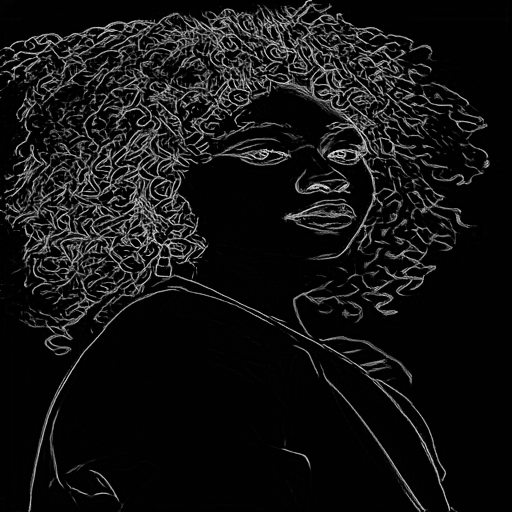
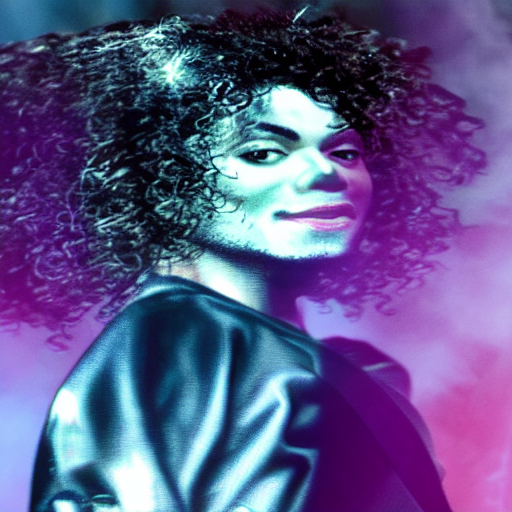
lllyasviel/control_v11p_sd15_lineart
|
Trained with line art generation | An image with line art, usually black lines on a white background. |
|
|
|
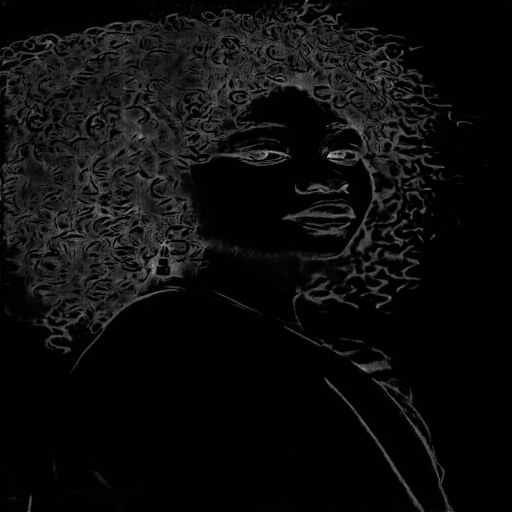
lllyasviel/control_v11p_sd15s2_lineart_anime
|
Trained with anime line art generation | An image with anime-style line art. |
|
|
|
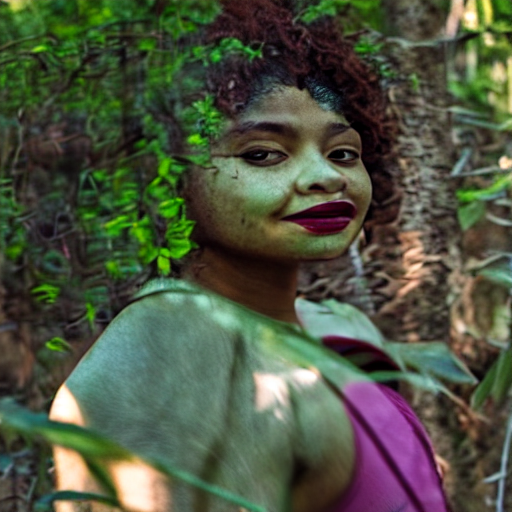
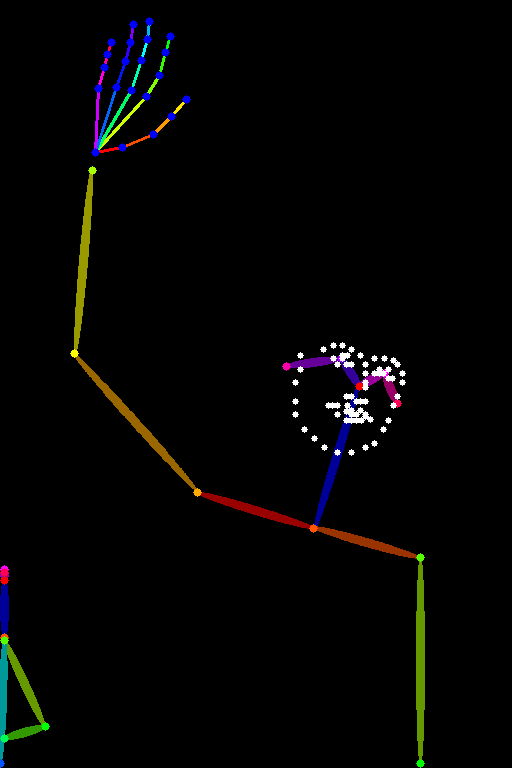
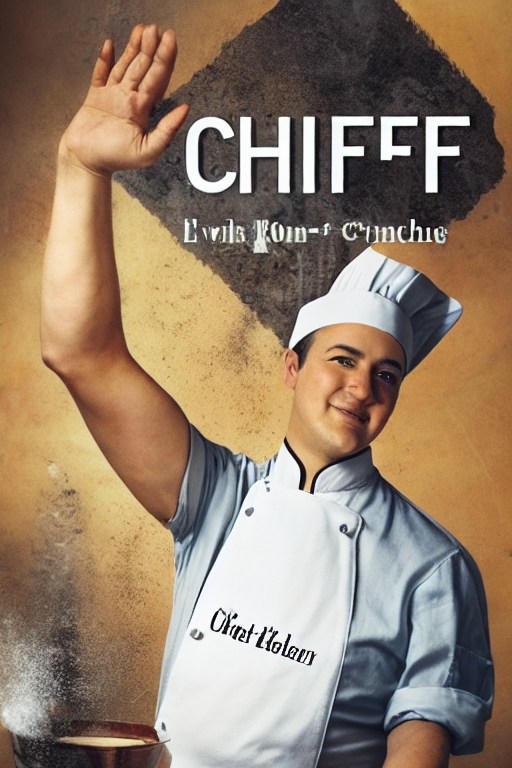
lllyasviel/control_v11p_sd15_openpose
|
Trained with human pose estimation | An image with human poses, usually represented as a set of keypoints or skeletons. |
|
|
|
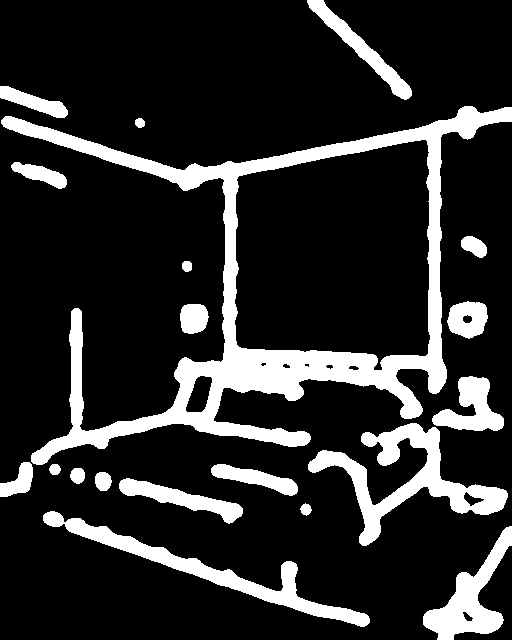
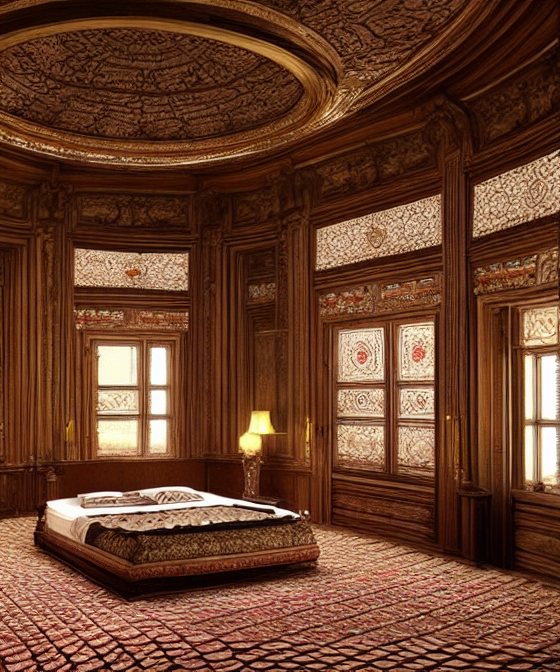
lllyasviel/control_v11p_sd15_scribble
|
Trained with scribble-based image generation | An image with scribbles, usually random or user-drawn strokes. |
|
|
|
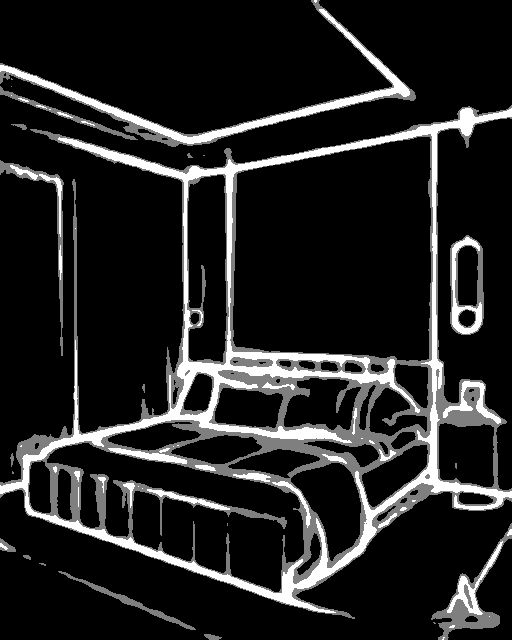
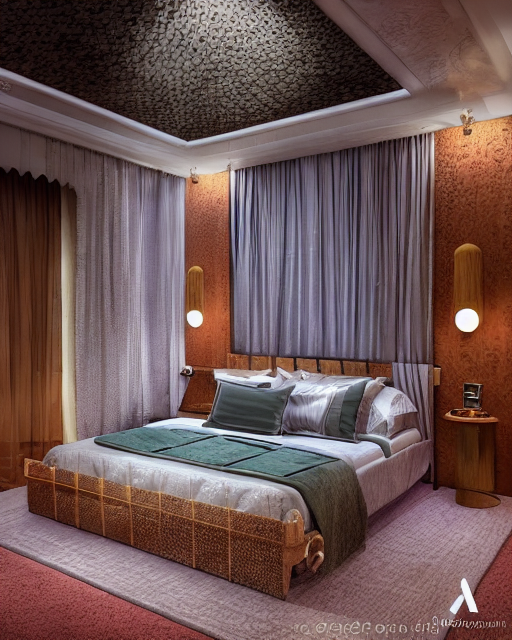
lllyasviel/control_v11p_sd15_softedge
|
Trained with soft edge image generation | An image with soft edges, usually to create a more painterly or artistic effect. |
|
|
|
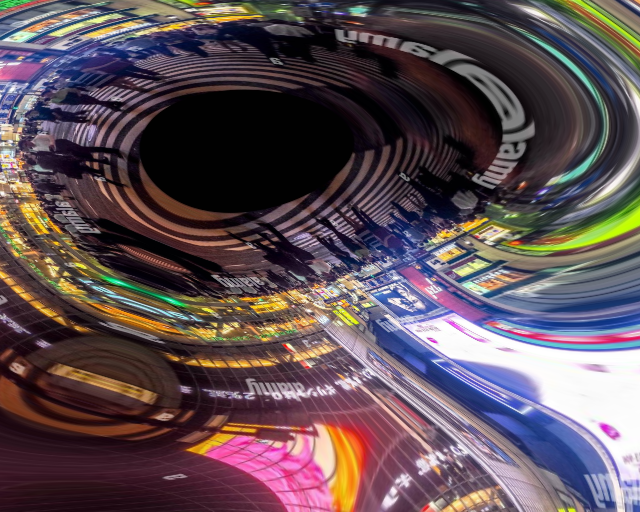
lllyasviel/control_v11e_sd15_shuffle
|
Trained with image shuffling | An image with shuffled patches or regions. |
|
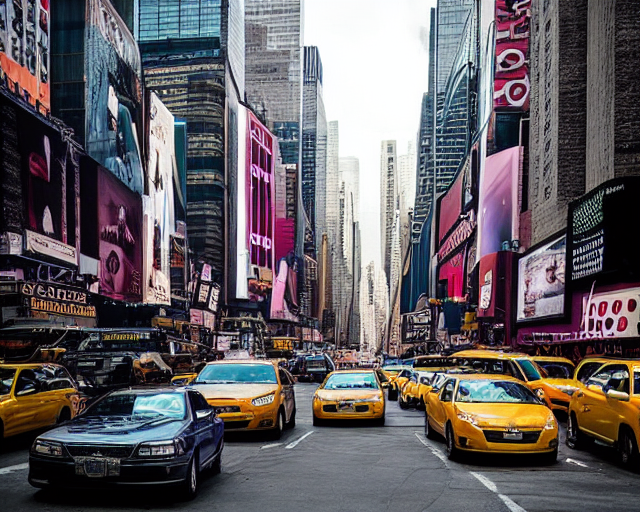
|
|
lllyasviel/control_v11f1e_sd15_tile
|
Trained with image tiling | A blurry image or part of an image . |

|
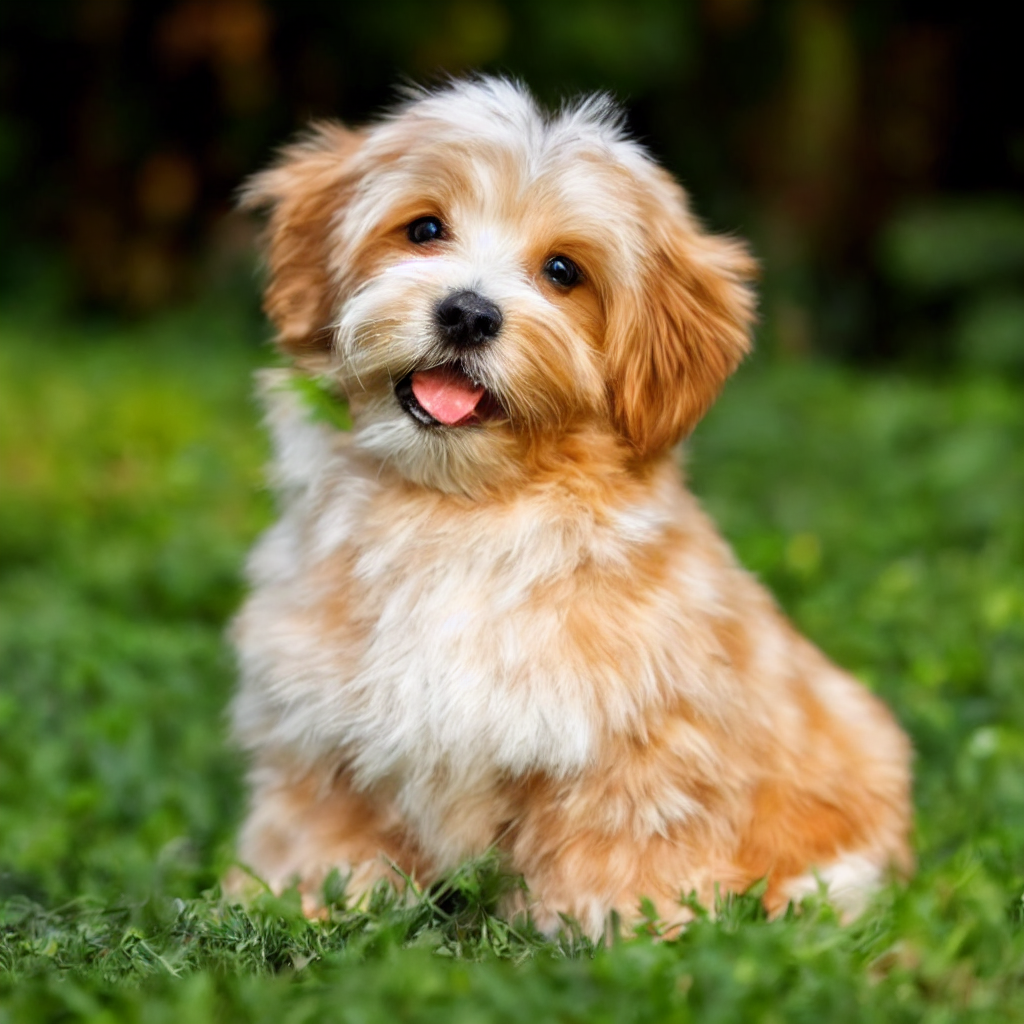
|
For more information, please also have a look at the Diffusers ControlNet Blog Post and have a look at the official docs .