

























Demystifying Intel's CPU Lineup: From Celeron to Core i9


Table of Contents
- Introduction
- Intel's Product Range
- 2.1 Celeron Processors
- 2.2 Pentium Processors
- 2.3 Core M and Atom Series
- Mainstream Core Series
- 3.1 Core i3
- 3.2 Core i5
- 3.3 Core i7
- High-End Core i9 Processor
- Xeon Processors
- Conclusion
💻 Understanding Intel's Product Range
In the world of computer technology, Intel stands as one of the leading manufacturers of processors. For those looking to purchase a new laptop, desktop, or CPU, the vast array of options available can be overwhelming. With numerous labels and marketing materials, it's easy to feel confused and uninformed. In this article, we aim to cut through the confusion and provide a clear understanding of Intel's product range.
2. Intel's Product Range
Intel offers a diverse range of processors, each tailored to different consumer needs. Let's take a closer look at some of the key processors in Intel's lineup.
2.1 Celeron Processors
Celeron processors are primarily found in budget laptops but are also available for PCs. These processors are often dual-core without Hyper-threading, providing two cores and two Threads. While they have less advanced functionality and a lower cache, Celeron processors are ideal for home theater PCs or crypto-coin mining rigs. With a price point of around $60 USD, they offer a cost-effective solution.
2.2 Pentium Processors
The Pentium lineup has a long-standing reputation, dating back to 1993. Today, Pentium processors can be found in dual-core or quad-core laptops and dual-core desktop processors with hyper-threading. In 2017, Intel divided the Pentium lineup into two categories: Pentium Silver and Pentium Gold. Pentium Silver is designed for low-powered devices, sharing architecture with Atom and Celeron processors. Pentium Gold aims at entry-level desktops, office PCs, and budget gaming systems, utilizing architecture found in higher-end products. Pentium processors are typically priced between $80 and $100 USD.
2.3 Core M and Atom Series
The Core M and Atom series are targeted at ultra-low-power devices such as laptops, netbooks, ultrabooks, Healthcare machines, and robotics. These processors have lower clock speeds, with the Atom series reaching around 2.6 GHz and the Core M series around 1.2-1.3 GHz. However, the M3 version offers greater efficiency with a 4.5 watt TDP (Thermal Design Power). While these processors may not deliver high performance, they excel in energy efficiency.
3. Mainstream Core Series
The Core series is Intel's mainstream lineup and offers a range of options for consumers. Let's explore some of the key processors in this series.
3.1 Core i3
The Core i3 processors were initially launched as dual-core CPUs. However, with the sixth-generation release in 2016, Intel introduced dual-core processors with hyper-threading, increasing processing power. Since the eighth-generation release in 2018, Core i3 processors have become quad-core, competing with AMD's Ryzen 3 processors. These processors are marketed for entry-level budget gaming and office PCs, priced between $130 and $180 USD.
3.2 Core i5
The Core i5 series has undergone several changes over the years. Initially, there were dual-core variants (600 series) and quad-core variants (700 series). With the eighth generation, Core i5 processors became hexa-core chips, offering six cores. These processors are suitable for higher entry-level gaming PCs or mid-range gaming systems. The price range for Core i5 processors is approximately $200 to $260 USD.
3.3 Core i7
The Core i7 processors were initially exclusive to the enthusiast platform and had the highest core and thread count. However, they later entered the mainstream market with variations in product code. The i7 processors can be found on both enthusiast platforms (e.g., x58 and x79) and mainstream platforms. These processors are ideal for high-performance systems and gaming PCs. Mainstream Core i7 processors range in price from $300 to $400 USD, while enthusiast options can cost $500 to $600 USD.
4. High-End Core i9 Processor
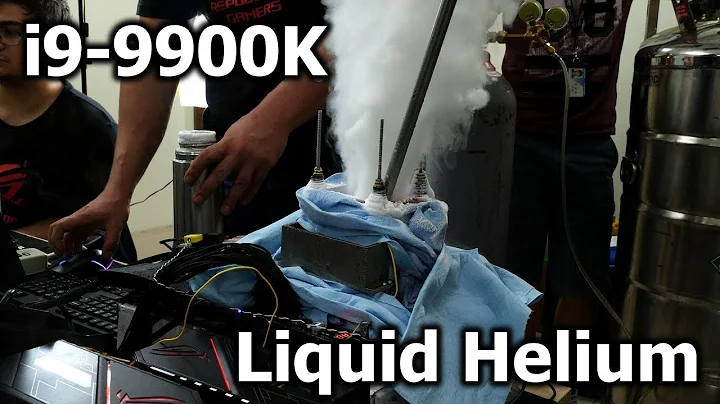
The Core i9 processor is Intel's flagship product and represents the pinnacle of gaming performance. With exceptional processing power, it is designed for enthusiasts and high-end gamers. The current flagship processor, the Core i9-9900K, offers 10 cores and 20 threads, making it a powerful choice for gaming. However, it comes at a premium price of $500 USD.
5. Xeon Processors
Intel's Xeon processors are primarily marketed for workstation and server environments. These processors are known for their high core and thread counts, low TDPs, ECC memory support, and other advanced features. Xeon processors can be found on both mainstream platforms and server platforms. While some Xeon processors can be quite expensive, older models such as the Xeon X3450 offer affordability and excellent performance for budget systems.
6. Conclusion
Understanding Intel's product range is essential when deciding which processor suits your needs. From budget-friendly options like Celeron and Pentium to mainstream choices like Core i3, i5, and i7, and high-end processors like Core i9 and Xeon, there's a processor for every requirement and budget. Whether you're a gamer, a content creator, or a professional in need of workstation-level performance, Intel has you covered.
Resources:
Highlights
- Intel offers a diverse range of processors for various consumer needs.
- Celeron processors are budget-friendly and suitable for home theater PCs or crypto-coin mining rigs.
- Pentium processors are available in two lineups: Pentium Silver for low-powered devices and Pentium Gold for entry-level desktops and office PCs.
- Core M and Atom series processors are designed for ultra-low-power devices.
- Core i3 processors are ideal for entry-level budget gaming and office PCs.
- Core i5 processors provide higher performance for mid-range gaming systems.
- Core i7 processors offer high core and thread counts, making them suitable for enthusiast platforms.
- The Core i9 processor is Intel's flagship product, delivering exceptional gaming performance.
- Xeon processors are designed for workstation and server environments, offering high core counts and advanced features.
- Intel provides a range of processors to suit different needs and budgets.
FAQ
Q: Which Intel processor is best for gaming?\ A: Intel's Core i9 processor is considered the best for gaming due to its high processing power and excellent performance.
Q: What is the difference between Core i5 and Core i7 processors?\ A: Core i5 processors generally have fewer cores and threads compared to Core i7 processors. Core i7 processors also offer higher clock speeds and cache memory, making them more suitable for demanding tasks.
Q: Are Xeon processors only for servers?\ A: Xeon processors are primarily marketed for workstation and server environments due to their advanced features and higher core counts. However, some Xeon models can also be used in mainstream platforms for budget-friendly options.


Most people like







































Report
Please select a reason for reporting
- 13 Reasons to Switch from Snapchat to Text Messaging
- 7 Powerful Speech to Text Apps to Boost Productivity
- 10 Best Speech to Text Tools for Effortless Transcription
- 13 Free Tools to Easily Transcribe Audio to Text
- 15 Surprising Ways Google's Speech-to-Text Boosts Productivity
- 7 Best Free Online Audio to Text Transcription Tools
- 9 Tips to Transcribe Speech to Text Faster and Better
- 13 Best Speech to Text Software for Windows 10 in 2023
- 7 Tips for Choosing the Best Transcriber for Audio to Text
- 11 Reasons Why Dragon Speech-to-Text Apps are Game-Changers
- 6 Secrets to Enhance Your Speech to Text Transcription
- 6 Brilliant Ways to Boost Productivity with Talk-to-Text on Your MacBook
- 6 Ways Transcription Software Converts Audio to Text
- 8 Tips to Transcribe Speech to Text Like a Pro
- 6 Reasons IBM Watson Speech to Text is a Game-Changer
- 14 Powerful Ways Talk-to-Text Improves Your Workflow
- 12 Top Windows Speech-to-Text Software for Efficient Transcription
- 12 Game-Changing Benefits of Apple's Speech to Text Technology
- 9 Powerful Use Cases for AWS Speech to Text Technology
- 10 Easy Steps to Transcribe YouTube Videos to Text
- transcription audio en texte
- online audio transcription
- free audio file transcription
- free ai audio transcription
- audio transcription service
- audio transcription online free
- audio transcription free online
- audio to transcription software
- audio and transcript
- ai audio transcription free
- voice recording to text converter
- translate voice recording to text
- record voice to text
- audio recording to text converter
- voice recording and transcription
- chatgpt voice to text
- gmail voice to text
- speech to text reader
- speech to text ai free
- speech to talk
- ChatGPT Knows Ford. It Just Doesn't Quote Ford
- Meshy AI: How to Create 3D Models from Text and Images
- How SEO and Marketing Dashboards Empower Agencies to Drive Results
- How to Use AI Tools to Find Internal Linking Opportunities Across a Business Website
- Discover Your Perfect Haircut with AI Hairstyle Apps
- Free Reputation Calculator Tools: How They're Adapting to Score AI Visibility, Not Just Rankings
- Design Professional Flyers for Free on Your Phone
- Best Free Flyer Maker Apps for Android: Design Like a Pro
- How to Know If Your Business Is Ready for an AI Customer Service Agent
- Revolutionizing Storytelling: From Novels to Screenplays with AI
- Your Business Data Could Be Worth Up to $4M. Find Out Without Uploading a Single File.
- Can an eSIM Plan Save You Time During Travel Setup?
- AI Video Editor Review: A Hands-On Look at Prompt-Based Video Editing
- Keep Characters Consistent Across Scenes With Image-to-Video AI
- How to Convert BTC to HNT
- ProxyWing DuckDuckGo Proxy Review: Plans, Setup and Who It Is For
- ChatGPT Knows Ford. It Just Doesn't Quote Ford
- Automate Lead Generation: A Comprehensive Guide with AI Agents
- Revideo.io: The Future of Reverse Video Search Technology
- Revolutionizing Email Marketing Agency with AI

Copyright ©2026 toolify