































Enhance Gaming: Optimize Your PC's Performance


Table of Contents:
- Introduction
- Overview of the Motherboard
- Processor and Memory
- Integrated Graphics Card
- Power Supply and Hard Drive
- Operating System and Drivers
- Gaming Performance
- Optimization Attempts
- Conclusion
Introduction
In this article, we'll delve into the specifics of a particular computer setup, focusing on its motherboard, processor, memory, graphics card, power supply, and overall performance, particularly in gaming scenarios. We'll explore its capabilities, limitations, and potential for optimization.
Overview of the Motherboard
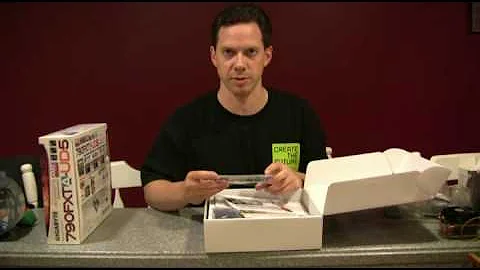
The motherboard in question is a Gigabyte AM3 OEM 2+ model, featuring four DDR2 RAM slots, an integrated HD 4200 graphics card, and a variety of connectivity options including HDMI and USB ports. It also comes with a 350-watt Powerman power supply and a 320GB hard drive.
Processor and Memory
The system is powered by an Athlon 2 220 processor, and the user has added two 1GB DDR2 RAM sticks, totaling 2GB. However, there's room for more memory expansion.
Integrated Graphics Card
The integrated HD 4200 graphics card is capable of supporting DirectX10 and offers decent performance for its time, though it may struggle with modern games.
Power Supply and Hard Drive
The 350-watt Powerman power supply seems adequate for the system's components, and the 320GB hard drive provides sufficient storage for basic use.
Operating System and Drivers
The user has installed Windows 8 64-bit, which is a lighter version compared to its predecessors. They've also installed the necessary drivers for the integrated HD 4200 graphics card from the manufacturer's website.
Gaming Performance
In terms of gaming performance, the system struggles with newer titles, with frame rates ranging from 8 to 30 fps on low settings for games like Call of Duty 2 and Crysis. However, older or less demanding games can run reasonably well at higher settings.
Optimization Attempts
The user has attempted to optimize the system by adjusting Game settings, but with limited success. Lowering the resolution and graphics settings can improve frame rates, but the overall gaming experience may still be lacking.
Conclusion
In conclusion, while the system featuring the Gigabyte AM3 OEM 2+ motherboard and Athlon 2 220 processor is functional for basic computing tasks, it falls short in terms of gaming performance. Upgrading the processor, memory, and graphics card would likely improve its gaming capabilities significantly.
Highlights:
- The Gigabyte AM3 OEM 2+ motherboard features integrated HD 4200 graphics and support for up to 6-core processors.
- The system's Athlon 2 220 processor and 2GB DDR2 RAM provide adequate performance for basic tasks but struggle with modern gaming.
- Windows 8 64-bit is installed, along with the necessary drivers for the integrated graphics card.
FAQ:
Q: Can the system handle modern games? A: No, the system struggles with modern games due to its older components and limited graphics capabilities.
Q: What upgrades can improve gaming performance? A: Upgrading the processor, memory, and graphics card would significantly improve gaming performance.
Q: Is the system suitable for everyday tasks? A: Yes, the system is suitable for everyday tasks such as web browsing, office work, and multimedia consumption.








Most people like


































Report
Please select a reason for reporting
- 13 Reasons to Switch from Snapchat to Text Messaging
- 7 Powerful Speech to Text Apps to Boost Productivity
- 10 Best Speech to Text Tools for Effortless Transcription
- 13 Free Tools to Easily Transcribe Audio to Text
- 15 Surprising Ways Google's Speech-to-Text Boosts Productivity
- 7 Best Free Online Audio to Text Transcription Tools
- 9 Tips to Transcribe Speech to Text Faster and Better
- 13 Best Speech to Text Software for Windows 10 in 2023
- 7 Tips for Choosing the Best Transcriber for Audio to Text
- 11 Reasons Why Dragon Speech-to-Text Apps are Game-Changers
- 6 Secrets to Enhance Your Speech to Text Transcription
- 6 Brilliant Ways to Boost Productivity with Talk-to-Text on Your MacBook
- 6 Ways Transcription Software Converts Audio to Text
- 8 Tips to Transcribe Speech to Text Like a Pro
- 6 Reasons IBM Watson Speech to Text is a Game-Changer
- 14 Powerful Ways Talk-to-Text Improves Your Workflow
- 12 Top Windows Speech-to-Text Software for Efficient Transcription
- 12 Game-Changing Benefits of Apple's Speech to Text Technology
- 9 Powerful Use Cases for AWS Speech to Text Technology
- 10 Easy Steps to Transcribe YouTube Videos to Text
- transcription audio en texte
- online audio transcription
- free audio file transcription
- free ai audio transcription
- audio transcription service
- audio transcription online free
- audio transcription free online
- audio to transcription software
- audio and transcript
- ai audio transcription free
- voice recording to text converter
- translate voice recording to text
- record voice to text
- audio recording to text converter
- voice recording and transcription
- chatgpt voice to text
- gmail voice to text
- speech to text reader
- speech to text ai free
- speech to talk
- Meshy AI: How to Create 3D Models from Text and Images
- How SEO and Marketing Dashboards Empower Agencies to Drive Results
- How to Use AI Tools to Find Internal Linking Opportunities Across a Business Website
- Discover Your Perfect Haircut with AI Hairstyle Apps
- Free Reputation Calculator Tools: How They're Adapting to Score AI Visibility, Not Just Rankings
- Design Professional Flyers for Free on Your Phone
- Best Free Flyer Maker Apps for Android: Design Like a Pro
- How to Know If Your Business Is Ready for an AI Customer Service Agent
- Revolutionizing Storytelling: From Novels to Screenplays with AI
- Create Engaging Animated Explainer Videos with a Free AI Tool
- Meshy AI: How to Create 3D Models from Text and Images
- ASOMobile Helps Teams Benchmark App Store Screenshots Against Competitors
- How to Match LMS Software With Your Organization's Training Plan
- Revolutionizing Email Marketing Agency with AI
- How to Convert BTC to HNT
- Unleashing the Power of AI: Cognizant's Roadmap for Transformation
- Frame to Video Review: A Practical Look at Turning Two Still Frames Into Motion
- NVIDIA NIM: Revolutionizing Supply Chain Data Analysis with AI
- Top AI Tools That Help Brands Stand Out Offline (Not Just Online)
- Top 5 Cold Email Software: Maximize Your Outreach in 2025

Copyright ©2026 toolify