































Step-by-Step Guide: Installing and Configuring a GPU for Maximum Performance


Table of Contents:
- Introduction
- Installing the GPU
- Powering On and Entering BIOS
- Configuring Boot Settings
- Installing Windows
- Choosing the Installation Drive
- Formatting Old Drives
- Final Setup Steps
- Connecting Additional Hard Drives
- Customizing the System
- Conclusion
👉 Installing and Configuring a GPU for Your Computer 👈
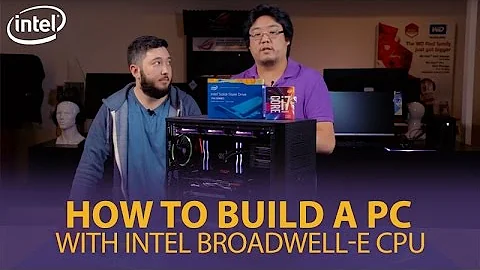
Introduction: Installing a GPU is an essential step in setting up a powerful computer system. In this guide, we will walk you through the process of installing and configuring a GPU, ensuring a smooth and efficient operation of your system. So let's get started!
Installing the GPU: To begin, we need to install the GPU properly. This involves plugging in all the necessary cables and peripherals, such as the video cables, mouse, keyboard, and internet connection. We'll also take care of audio settings to ensure an optimal experience.
Powering On and Entering BIOS: Once everything is plugged in, it's time to power on the computer. Upon startup, the computer may perform a quick shutdown, which is perfectly normal. To access the BIOS, we'll repeatedly press the delete key until the BIOS menu appears, allowing us to make necessary configurations.
Configuring Boot Settings: In the BIOS menu, we need to set the boot priority to our USB drive, as we'll install Windows from there. We'll navigate to the boot settings and verify that the correct drive is recognized. If needed, we'll make adjustments to ensure the USB drive is set as the boot priority.
Installing Windows: With the boot settings configured, it's time to install Windows. We'll select the option to let us choose where to install the operating system. If prompted for a product key, we'll enter a valid Windows product key, ensuring a genuine installation.
Choosing the Installation Drive: During the installation process, we'll need to select the appropriate drive for installing Windows. We'll carefully choose the drive to avoid overwriting important data. We may need to create new partitions and format old drives to optimize the system's performance.
Formatting Old Drives: To optimize the system further, we'll format old drives that are no longer needed. This will ensure a clean and efficient operation. We'll take precautionary measures to back up any important data before proceeding with the formatting process.
Final Setup Steps: Once Windows installation and drive formatting are complete, we'll walk through the final setup steps. This may include connecting additional hard drives, installing necessary software programs, and customizing system preferences according to personal preferences.
Connecting Additional Hard Drives: To expand the storage capacity of our system, we'll connect additional hard drives. We'll ensure proper connectivity and organize the drives accordingly. This step will enable us to utilize the full potential of our computer system.
Customizing the System: After all the hardware and software installations, it's time to customize the system. We'll make necessary adjustments such as enabling the ultimate performance mode, organizing storage drives, and fine-tuning system settings to enhance overall performance.
Conclusion: Congratulations! You have successfully installed and configured a GPU for your computer system. With the proper installation and setup, your system is now ready to take on demanding tasks and provide an optimal computing experience. Enjoy your powerful machine and make the most out of its capabilities!
Highlights:
- Learn how to install and configure a GPU for your computer system.
- Properly connect peripherals and power on the system.
- Access the BIOS to configure boot settings.
- Install Windows and choose the appropriate installation drive.
- Optimize the system by formatting old drives.
- Complete final setup steps, including connecting additional hard drives and customizing the system.
FAQ:
Q: What is the purpose of installing a GPU? A: A GPU enhances the graphics performance of a computer, enabling smooth rendering and improved visual quality in applications and games.
Q: Can I install a GPU without prior technical expertise? A: Installing a GPU requires basic knowledge and careful handling. It is recommended to follow installation guides or seek professional assistance if unsure.
Q: How do I choose the installation drive for Windows? A: During the installation process, you will be prompted to select the drive where you want to install Windows. Ensure you choose the correct drive to avoid data loss.
Q: Can I connect multiple hard drives to my computer? A: Yes, you can connect multiple hard drives to your computer to expand storage capacity and separate data for better organization and performance.
Q: What should I do if I encounter issues during installation? A: If you encounter any issues during installation or setup, refer to troubleshooting guides, consult forums, or seek technical support for assistance.
Resources:





Most people like






































Report
Please select a reason for reporting
- 13 Reasons to Switch from Snapchat to Text Messaging
- 7 Powerful Speech to Text Apps to Boost Productivity
- 10 Best Speech to Text Tools for Effortless Transcription
- 13 Free Tools to Easily Transcribe Audio to Text
- 15 Surprising Ways Google's Speech-to-Text Boosts Productivity
- 7 Best Free Online Audio to Text Transcription Tools
- 9 Tips to Transcribe Speech to Text Faster and Better
- 13 Best Speech to Text Software for Windows 10 in 2023
- 7 Tips for Choosing the Best Transcriber for Audio to Text
- 11 Reasons Why Dragon Speech-to-Text Apps are Game-Changers
- 6 Secrets to Enhance Your Speech to Text Transcription
- 6 Brilliant Ways to Boost Productivity with Talk-to-Text on Your MacBook
- 6 Ways Transcription Software Converts Audio to Text
- 8 Tips to Transcribe Speech to Text Like a Pro
- 6 Reasons IBM Watson Speech to Text is a Game-Changer
- 14 Powerful Ways Talk-to-Text Improves Your Workflow
- 12 Top Windows Speech-to-Text Software for Efficient Transcription
- 12 Game-Changing Benefits of Apple's Speech to Text Technology
- 9 Powerful Use Cases for AWS Speech to Text Technology
- 10 Easy Steps to Transcribe YouTube Videos to Text
- transcription audio en texte
- online audio transcription
- free audio file transcription
- free ai audio transcription
- audio transcription service
- audio transcription online free
- audio transcription free online
- audio to transcription software
- audio and transcript
- ai audio transcription free
- voice recording to text converter
- translate voice recording to text
- record voice to text
- audio recording to text converter
- voice recording and transcription
- chatgpt voice to text
- gmail voice to text
- speech to text reader
- speech to text ai free
- speech to talk
- How SEO and Marketing Dashboards Empower Agencies to Drive Results
- How to Use AI Tools to Find Internal Linking Opportunities Across a Business Website
- Discover Your Perfect Haircut with AI Hairstyle Apps
- Free Reputation Calculator Tools: How They're Adapting to Score AI Visibility, Not Just Rankings
- Design Professional Flyers for Free on Your Phone
- Best Free Flyer Maker Apps for Android: Design Like a Pro
- How to Know If Your Business Is Ready for an AI Customer Service Agent
- Revolutionizing Storytelling: From Novels to Screenplays with AI
- Create Engaging Animated Explainer Videos with a Free AI Tool
- Stop Multi-Subscribing: Benchmark Top AI Visual Models in One Canvas
- AI & Elections: Defending Democracy Against Misinformation
- Navigating Political Discourse: AI, Deepfakes, and Reality Checks
- Detecting Political Bias in News Articles: A Powerful AI Algorithm
- AI Bias Unveiled: Political Leanings in ChatGPT & Beyond
- Revolutionize Learning: Discover Quizzes AI for Engaging Interactive Quizzes
- From AI-Generated to Audience-Ready: How Quillbot Humanize AI Is Changing the Content Editing Process
- Building an AI Writing Stack in 2026: LLMs, Detectors, and Humanizers
- 7 Top AI-Powered Database Assistant Platforms
- An Objective Look at Modern Web-Based Visual Modifications
- My Honest Experience with VideoAI: The Secret Weapon for Creators Who Need Character Voices

Copyright ©2026 toolify