































Unlock Your PC Potential: A Comprehensive Upgrade Guide


Table of Contents
- 🖥️ Introduction to Computer Upgrade
- 💰 Financial Considerations
- 💸 Insurance Funds Allocation
- 💳 Budgeting for Upgrades
- 🛠️ Old Setup Overview
- 💻 Previous CPU and Motherboard
- 🎮 Graphics Card and Performance
- 💾 RAM Configuration
- 🔧 New Components Unboxing
- 📦 Unpacking the Components
- 💡 Insights from Assembly
- ⚙️ Installation Process
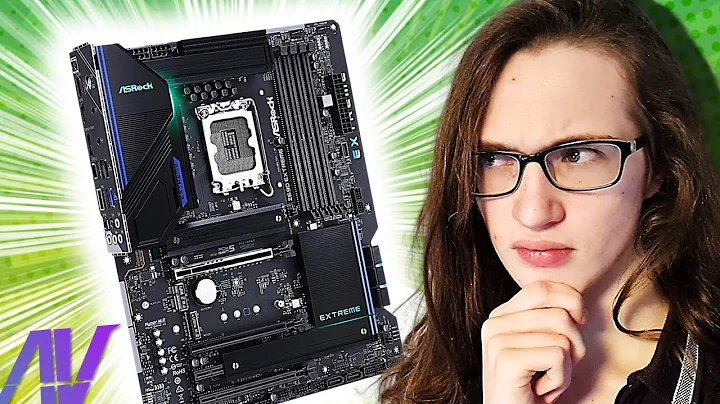
- 🖥️ Setting Up the Motherboard
- 🔄 Cable Management Challenges
- 📥 Installing Windows
- 🚀 Finalizing Setup
- 🎮 Installing Drivers and Utilities
- 🔧 Troubleshooting Hiccups
- 💻 Final Thoughts and Future Plans
Introduction to Computer Upgrade
Upgrading a computer system can be an exciting yet daunting task. Whether prompted by technological advancements or personal preferences, delving into the realm of hardware modifications opens up a world of possibilities.
💰 Financial Considerations
💸 Insurance Funds Allocation
Upon receiving funds from insurance claims, decisions on how to allocate the money become crucial. Prioritizing between essential needs and desired upgrades requires thoughtful consideration.
💳 Budgeting for Upgrades
Careful budgeting ensures that every dollar spent contributes to enhancing the computing experience. Balancing performance gains with financial constraints is key to a successful upgrade journey.
🛠️ Old Setup Overview
💻 Previous CPU and Motherboard
The old setup, characterized by an outdated AMD AM3+ socket and an APU, served faithfully but was due for an upgrade. Assessing the limitations of the previous CPU and motherboard sets the stage for improvements.
🎮 Graphics Card and Performance
Graphics processing is pivotal for gaming and multimedia tasks. Evaluating the performance of the previous graphics card sheds light on areas for enhancement in the new setup.
💾 RAM Configuration
RAM plays a crucial role in multitasking and overall system responsiveness. Understanding the limitations of the previous RAM configuration guides decisions on memory upgrades.
🔧 New Components Unboxing
📦 Unpacking the Components
Excitement ensues as the new components are unboxed, revealing possibilities for heightened performance and functionality. Each component holds the promise of an improved computing experience.
💡 Insights from Assembly
Assembling the components provides insights into compatibility, build quality, and future expansion opportunities. Observations during this process inform decisions on system setup and configuration.
⚙️ Installation Process
🖥️ Setting Up the Motherboard
Configuring the new motherboard lays the foundation for a stable and efficient system. Attention to detail during this step ensures seamless integration of components and optimal performance.
🔄 Cable Management Challenges
Managing cables effectively is essential for airflow, aesthetics, and ease of maintenance. Overcoming challenges in cable management enhances the overall reliability and cleanliness of the setup.
📥 Installing Windows
Installing the operating system marks a significant milestone in the upgrade journey. Ensuring a smooth installation process sets the stage for exploring the full potential of the new hardware.
🚀 Finalizing Setup
🎮 Installing Drivers and Utilities
Installing drivers and utilities optimizes hardware functionality and compatibility. Attention to detail during this phase enhances system stability and performance.
🔧 Troubleshooting Hiccups
Encountering challenges is inevitable, but overcoming them is part of the journey. Addressing any issues promptly ensures a smooth transition to the new setup and minimizes downtime.
💻 Final Thoughts and Future Plans
Reflecting on the upgrade process provides insights for future improvements and expansions. With the new setup in place, possibilities for customization and optimization abound, promising an enhanced computing experience.
Highlights
- Delving into the realm of hardware modifications opens up a world of possibilities.
- Careful budgeting ensures that every dollar spent contributes to enhancing the computing experience.
- Assessing the limitations of the previous CPU, motherboard, and graphics card sets the stage for improvements.
- Each component holds the promise of an improved computing experience.
- Attention to detail during setup and configuration ensures seamless integration and optimal performance.
- Overcoming challenges in cable management enhances the overall reliability and cleanliness of the setup.
- Installing drivers and utilities optimizes hardware functionality and compatibility.
- Reflecting on the upgrade process provides insights for future improvements and expansions.
FAQ
Q: How can I determine if my old components are compatible with newer ones? A: Compatibility can be checked through manufacturer specifications and online resources, ensuring that socket types, form factors, and power requirements align.
Q: What are some common troubleshooting steps for hardware installation issues? A: Checking connections, reseating components, updating firmware, and consulting manufacturer documentation are common troubleshooting approaches for hardware installation issues.
Q: Is it necessary to upgrade all components simultaneously, or can upgrades be done incrementally? A: Upgrades can be done incrementally based on budget and priority, focusing on components that provide the most significant performance gains or address specific needs first.







Most people like




































Report
Please select a reason for reporting
- 13 Reasons to Switch from Snapchat to Text Messaging
- 7 Powerful Speech to Text Apps to Boost Productivity
- 10 Best Speech to Text Tools for Effortless Transcription
- 13 Free Tools to Easily Transcribe Audio to Text
- 15 Surprising Ways Google's Speech-to-Text Boosts Productivity
- 7 Best Free Online Audio to Text Transcription Tools
- 9 Tips to Transcribe Speech to Text Faster and Better
- 13 Best Speech to Text Software for Windows 10 in 2023
- 7 Tips for Choosing the Best Transcriber for Audio to Text
- 11 Reasons Why Dragon Speech-to-Text Apps are Game-Changers
- 6 Secrets to Enhance Your Speech to Text Transcription
- 6 Brilliant Ways to Boost Productivity with Talk-to-Text on Your MacBook
- 6 Ways Transcription Software Converts Audio to Text
- 8 Tips to Transcribe Speech to Text Like a Pro
- 6 Reasons IBM Watson Speech to Text is a Game-Changer
- 14 Powerful Ways Talk-to-Text Improves Your Workflow
- 12 Top Windows Speech-to-Text Software for Efficient Transcription
- 12 Game-Changing Benefits of Apple's Speech to Text Technology
- 9 Powerful Use Cases for AWS Speech to Text Technology
- 10 Easy Steps to Transcribe YouTube Videos to Text
- transcription audio en texte
- online audio transcription
- free audio file transcription
- free ai audio transcription
- audio transcription service
- audio transcription online free
- audio transcription free online
- audio to transcription software
- audio and transcript
- ai audio transcription free
- voice recording to text converter
- translate voice recording to text
- record voice to text
- audio recording to text converter
- voice recording and transcription
- chatgpt voice to text
- gmail voice to text
- speech to text reader
- speech to text ai free
- speech to talk
- Meshy AI: How to Create 3D Models from Text and Images
- How SEO and Marketing Dashboards Empower Agencies to Drive Results
- How to Use AI Tools to Find Internal Linking Opportunities Across a Business Website
- Discover Your Perfect Haircut with AI Hairstyle Apps
- Free Reputation Calculator Tools: How They're Adapting to Score AI Visibility, Not Just Rankings
- Design Professional Flyers for Free on Your Phone
- Best Free Flyer Maker Apps for Android: Design Like a Pro
- How to Know If Your Business Is Ready for an AI Customer Service Agent
- Revolutionizing Storytelling: From Novels to Screenplays with AI
- Create Engaging Animated Explainer Videos with a Free AI Tool
- Meshy AI: How to Create 3D Models from Text and Images
- ASOMobile Helps Teams Benchmark App Store Screenshots Against Competitors
- How to Match LMS Software With Your Organization's Training Plan
- Revolutionizing Email Marketing Agency with AI
- How to Convert BTC to HNT
- Unleashing the Power of AI: Cognizant's Roadmap for Transformation
- Frame to Video Review: A Practical Look at Turning Two Still Frames Into Motion
- NVIDIA NIM: Revolutionizing Supply Chain Data Analysis with AI
- Top AI Tools That Help Brands Stand Out Offline (Not Just Online)
- Top 5 Cold Email Software: Maximize Your Outreach in 2025

Copyright ©2026 toolify