































Table of Contents
- Key Points
- Introduction to 3D Model Replacements
- Techniques for Creating 3D Models
- How to Create a 3D Model Using PiFuHD
- Pricing
- Pros and Cons of 3D Modeling Techniques
- Core Features
- Use Cases
- FAQ
- Related Questions


Introduction to 3D Model Replacements
What are 3D Model Replacements?
3D model replacement is a technique used extensively in movies, television, and games to substitute actors or characters with digital versions. This enables complex stunts, visual enhancements, and the creation of characters that would be impossible in reality. Think of how Spider-Man performs his acrobatic feats or the subtle digital enhancements seen in medical dramas like House MD. These often rely on sophisticated 3D model swaps that require a seamless integration of digital and real-world elements. By understanding the fundamentals of 3D model creation, anyone can begin to explore the possibilities of these advanced visual effects. Today, we're talking about how to make a replacement model of yourself.
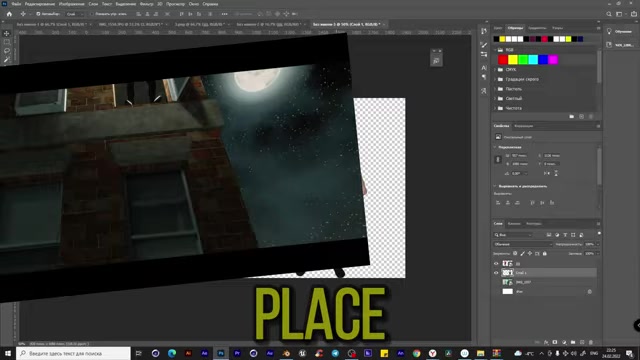
Why would you want to make a 3D model of yourself? It's all about doing model replacements in movies such as Spider-Man or House MD.
Why Create a 3D Model of Yourself?
Creating a 3D model of yourself unlocks possibilities for use in digital media, gaming, and virtual experiences. Imagine being able to insert yourself into video games, create personalized avatars for virtual meetings, or even star in your own short films. The key is to achieve a level of realism that makes the digital representation believable and engaging. Whether you're aiming for ultra-realistic skin pores or simply want to capture your likeness, understanding the available techniques is crucial. From simple model replacements to sophisticated digital enhancements, having a 3D avatar opens doors to creative and immersive digital experiences.
Techniques for Creating 3D Models
Manual Sculpting in Blender
One method for crafting 3D models involves manual sculpting within software like Blender.
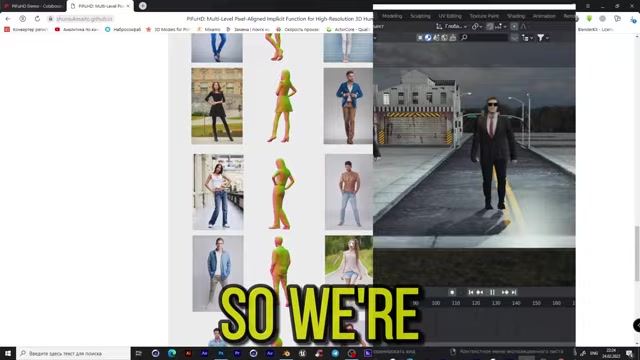
This approach offers fine-grained control over every detail, allowing artists to mold digital Clay into the desired form. However, it requires skill, patience, and an understanding of anatomy and form. Sculpting by HAND allows precise adjustments to features, ensuring that the final model accurately reflects the intended design. While time-consuming, the results can be incredibly rewarding, producing highly customized and realistic characters. This technique is best suited for those with a background in art or those willing to invest time in learning the intricacies of digital sculpting.
Photogrammetry Scanning
Photogrammetry offers an alternative approach that uses real-world photographs to reconstruct a 3D model. By capturing multiple images of an object from different angles, specialized software can analyze the images and create a detailed digital representation. This technique is particularly useful for capturing complex geometries and textures that are difficult to model manually. Photogrammetry requires a controlled environment, good lighting, and high-resolution Photography. While the initial setup may take some effort, the process can significantly reduce the time and skill needed to create detailed 3D models. It's an excellent option for those looking to replicate real-world objects or environments in digital form. This can be done with programs such as Meshroom.
Straight-Up Modeling with Millions of Polygons
For those aiming for the highest level of realism, straight-up modeling with millions of polygons is the way to go. This involves creating a model with an incredibly high polygon count, allowing for the capture of fine details such as skin pores and wrinkles. This method often involves a combination of manual sculpting and advanced texturing techniques to achieve a photo-realistic result. While the level of detail is unmatched, this approach requires significant computational power and expertise. Managing and rendering models with millions of polygons can be challenging, but the outcome is a digital avatar that is virtually indistinguishable from reality. This approach is favored in high-budget films and games where visual fidelity is paramount.
How to Create a 3D Model Using PiFuHD
Cloning and Configuring PiFuHD
PiFuHD, or Pixel-Aligned Implicit Function for High-Resolution 3D Human Digitization, offers a streamlined approach to generating 3D models from single images. It uses advanced algorithms to create detailed and realistic avatars, leveraging machine learning to fill in missing information and smooth out imperfections. PiFuHD demo can be found on Github. To start, you'll need to clone the PiFuHD repository from GitHub to your local machine or a cloud-based platform like Google Colab.
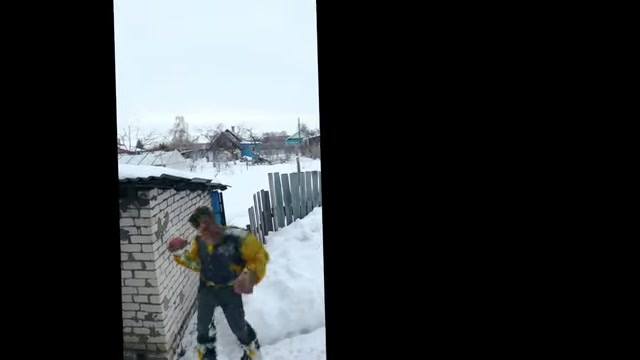
This involves using the following command in your terminal or Colab notebook:
git clone https://github.com/shunsukesaito/PiFuHDOnce the repository is cloned, navigate to the sample_data directory to configure the input data. This involves specifying the path to your input image, which should be a clear, well-lit photo of the person you want to model.
Processing Input Data
With the repository set up, you can now preprocess your input image. The PiFuHD demo requires an image where the subject is clearly visible and well-defined. During preprocessing, the software analyzes the image and extracts key features, such as facial landmarks and body contours. This information is then used to generate an initial 3D mesh, which serves as the foundation for the final model. Make sure to adjust the input parameters according to your image to optimize the mesh creation. For example, cropping the image appropriately can improve the accuracy of the mesh generation.
Downloading and Running the PiFuHD Model
After preprocessing the input data, the next step is to download the pretrained PiFuHD model. This model has been trained on a vast dataset of human faces and bodies, allowing it to generate realistic 3D avatars from single images. Once downloaded, you can run the model on your input image, which will output a detailed 3D mesh of the person in the photo. The demo provides tools to Visualize the resulting mesh and fine-tune its parameters. Experiment with different settings to achieve the desired level of detail and accuracy. The output model will have to be unwrapped in the texture to map it all properly.
Importing Model to Blender
Once the model is ready, you can import the mesh in Blender.
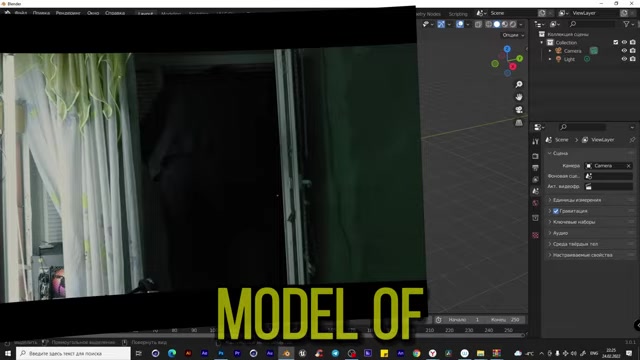
You can then edit a photo and cut out the peices to composite them in. This is a pretty basic, but low quality stuff.







Most people like
































Report
Please select a reason for reporting
- 13 Reasons to Switch from Snapchat to Text Messaging
- 7 Powerful Speech to Text Apps to Boost Productivity
- 10 Best Speech to Text Tools for Effortless Transcription
- 13 Free Tools to Easily Transcribe Audio to Text
- 15 Surprising Ways Google's Speech-to-Text Boosts Productivity
- 7 Best Free Online Audio to Text Transcription Tools
- 9 Tips to Transcribe Speech to Text Faster and Better
- 13 Best Speech to Text Software for Windows 10 in 2023
- 7 Tips for Choosing the Best Transcriber for Audio to Text
- 11 Reasons Why Dragon Speech-to-Text Apps are Game-Changers
- 6 Secrets to Enhance Your Speech to Text Transcription
- 6 Brilliant Ways to Boost Productivity with Talk-to-Text on Your MacBook
- 6 Ways Transcription Software Converts Audio to Text
- 8 Tips to Transcribe Speech to Text Like a Pro
- 6 Reasons IBM Watson Speech to Text is a Game-Changer
- 14 Powerful Ways Talk-to-Text Improves Your Workflow
- 12 Top Windows Speech-to-Text Software for Efficient Transcription
- 12 Game-Changing Benefits of Apple's Speech to Text Technology
- 9 Powerful Use Cases for AWS Speech to Text Technology
- 10 Easy Steps to Transcribe YouTube Videos to Text
- transcription audio en texte
- online audio transcription
- free audio file transcription
- free ai audio transcription
- audio transcription service
- audio transcription online free
- audio transcription free online
- audio to transcription software
- audio and transcript
- ai audio transcription free
- voice recording to text converter
- translate voice recording to text
- record voice to text
- audio recording to text converter
- voice recording and transcription
- chatgpt voice to text
- gmail voice to text
- speech to text reader
- speech to text ai free
- speech to talk
- Meshy AI: How to Create 3D Models from Text and Images
- How SEO and Marketing Dashboards Empower Agencies to Drive Results
- How to Use AI Tools to Find Internal Linking Opportunities Across a Business Website
- Discover Your Perfect Haircut with AI Hairstyle Apps
- Free Reputation Calculator Tools: How They're Adapting to Score AI Visibility, Not Just Rankings
- Design Professional Flyers for Free on Your Phone
- Best Free Flyer Maker Apps for Android: Design Like a Pro
- How to Know If Your Business Is Ready for an AI Customer Service Agent
- Revolutionizing Storytelling: From Novels to Screenplays with AI
- Create Engaging Animated Explainer Videos with a Free AI Tool
- Meshy AI: How to Create 3D Models from Text and Images
- ASOMobile Helps Teams Benchmark App Store Screenshots Against Competitors
- How to Match LMS Software With Your Organization's Training Plan
- Revolutionizing Email Marketing Agency with AI
- How to Convert BTC to HNT
- Unleashing the Power of AI: Cognizant's Roadmap for Transformation
- Frame to Video Review: A Practical Look at Turning Two Still Frames Into Motion
- NVIDIA NIM: Revolutionizing Supply Chain Data Analysis with AI
- Top AI Tools That Help Brands Stand Out Offline (Not Just Online)
- Top 5 Cold Email Software: Maximize Your Outreach in 2025

Copyright ©2026 toolify