































Table of Contents
- Key Points
- Decoding Artificial Intelligence
- Algorithms: The Engine of AI
- How to Use AI in Business (Hypothetical)
- Pricing of Popular AI Tools (Hypothetical)
- Evaluating AI: Weighing the Pros and Cons
- Core Features of AI Systems
- Transformative Use Cases of AI
- Frequently Asked Questions About AI
- Related Questions


Decoding Artificial Intelligence
What is AI? Exploring the Core Definition
At its heart, Artificial Intelligence represents the endeavor to imbue computers and machines with human-like intelligence. This involves developing systems that can reason, learn from data, make decisions, and solve problems – all capabilities that traditionally reside within the realm of human cognition.
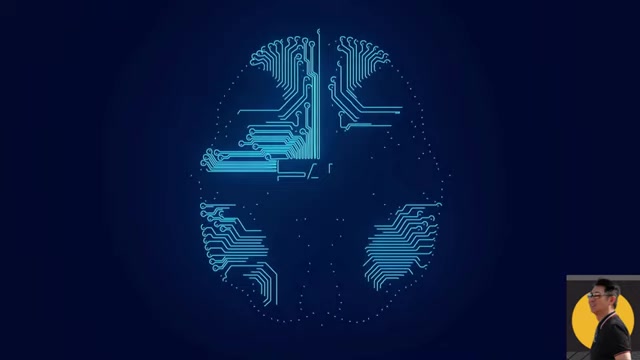
The goal is not just to mimic human behavior but to create machines that can perform tasks autonomously and intelligently.
AI achieves this through sophisticated algorithms and advanced technologies. These algorithms act as the brain of the AI, dictating how the system processes information and arrives at conclusions. In fact, as AI systems become more common in everyday content creation, some organizations use an AI detector to distinguish between human-written and machine-generated material, ensuring authenticity and accuracy. Essentially, AI seeks to emulate human cognitive functions, or even go beyond human limitations, achieving greater accuracy.
Examples like self-driving cars, medical diagnosis systems, and personalized recommendations exemplify the essence of AI – machines capable of intelligent action.
The Historical Journey of AI: From Ancient Ideas to Modern Marvels
The quest to create intelligent machines isn't a recent phenomenon.

Its roots trace back to ancient philosophers pondering the nature of thought and mathematicians seeking to formalize reasoning. While the term 'Artificial Intelligence' wasn't coined until the mid-20th century, the foundational ideas have been brewing for centuries.
Key milestones in AI history include:
- Early Conceptualization: Thinkers like Ada Lovelace envisioned machines capable of far more than simple calculation.
- The Turing Test: Alan Turing's proposed test offered a benchmark for machine intelligence.
- The Dartmouth Workshop (1956): This event is widely considered the birth of AI as a distinct field.
- Expert Systems: The rise of rule-based systems in the 1980s demonstrated AI's potential in specialized domains.
- Machine Learning Revolution: Algorithms like neural networks allowed AI to learn from vast amounts of data, leading to breakthroughs in areas like image recognition and natural language processing.
Figures like John McCarthy, who coined the term 'Artificial Intelligence' in 1950 , and teams that brought it to the world need to be recognized as well.
AI Today: Applications Across Industries
AI's impact is already widespread, permeating numerous industries and transforming how we live and work.

Some notable applications include:
- Healthcare: AI aids in diagnosis, treatment planning, drug discovery, and personalized medicine.
- Finance: AI is used for fraud detection, risk assessment, algorithmic trading, and customer service.
- Transportation: Self-driving cars, optimized logistics, and intelligent traffic management are revolutionizing mobility.
- Retail: Personalized recommendations, chatbots, and supply chain optimization enhance the customer experience.
- Manufacturing: AI powers predictive maintenance, quality control, and robotics in factories.
- Entertainment: AI algorithms drive personalized content recommendations and even generate music and art.
These are just a few examples of how AI is reshaping our world.
Algorithms: The Engine of AI
What are Algorithms?
In the realm of AI, algorithms serve as the underlying instructions that guide a system's behavior.

Think of them as recipes, outlining a series of steps to achieve a specific goal. Algorithms are essential for enabling AI systems to:
- Learn from data
- Make predictions
- Solve problems
- Automate tasks
While the term 'algorithm' might sound intimidating, the core concept is quite simple. An algorithm is essentially a well-defined set of rules that a computer can follow to process information and produce a desired output. The more accurate the data, the better the outcome of the algorithm.
AI leverages different types of algorithms, each suited for specific tasks.
Types of Algorithms Used in AI
AI systems employ a diverse range of algorithms to tackle various challenges.

Three major categories include:
- Supervised Learning: In supervised learning, algorithms learn from labeled data, where the desired output is already known. The algorithm identifies patterns and relationships within the data to predict future outcomes. An example would be an AI teaching someone what is the correct way to do an action.
- Unsupervised Learning: Unsupervised learning algorithms work with unlabeled data, seeking to discover hidden patterns, structures, and relationships. This is useful for tasks like customer segmentation and anomaly detection. An example would be AI teaching someone how to run correctly based on previous data.
- Reinforcement Learning: This approach involves training an algorithm through trial and error, rewarding desirable actions and penalizing undesirable ones. Reinforcement learning is often used in robotics and game playing. A real-world example includes AI determining proper exercise form or how to fix an issue that is causing poor performance.
Core Features of AI Systems
Key Capabilities of Modern AI
Modern AI systems boast a wide range of features that drive their usefulness in various applications. These include:
- Machine Learning: The ability to learn and improve from data without explicit programming.
- Natural Language Processing (NLP): The capacity to understand, interpret, and generate human language

.
- Computer Vision: The power to 'see' and interpret images, enabling object recognition and scene understanding .
- Robotics: The integration of AI with physical robots to automate tasks in manufacturing, healthcare, and logistics.
- Expert Systems: The ability to solve complex problems in a specific domain by applying rules and knowledge .
Transformative Use Cases of AI
Examples of AI in Action
AI's transformative potential becomes clear when examining its real-world use cases:
- Personalized Healthcare: AI analyzes patient data to provide tailored treatments and predict health risks

.
- Smart Cities: AI optimizes traffic flow, manages energy consumption, and enhances public safety .
- Autonomous Vehicles: Self-driving cars and drones promise safer and more efficient transportation systems .
- Financial Analysis: AI detects fraud, assesses credit risk, and automates trading strategies.
- Content Creation: AI assists in writing articles, generating images, and composing music.







Most people like



























Report
Please select a reason for reporting
- 13 Reasons to Switch from Snapchat to Text Messaging
- 7 Powerful Speech to Text Apps to Boost Productivity
- 10 Best Speech to Text Tools for Effortless Transcription
- 13 Free Tools to Easily Transcribe Audio to Text
- 15 Surprising Ways Google's Speech-to-Text Boosts Productivity
- 7 Best Free Online Audio to Text Transcription Tools
- 9 Tips to Transcribe Speech to Text Faster and Better
- 13 Best Speech to Text Software for Windows 10 in 2023
- 7 Tips for Choosing the Best Transcriber for Audio to Text
- 11 Reasons Why Dragon Speech-to-Text Apps are Game-Changers
- 6 Secrets to Enhance Your Speech to Text Transcription
- 6 Brilliant Ways to Boost Productivity with Talk-to-Text on Your MacBook
- 6 Ways Transcription Software Converts Audio to Text
- 8 Tips to Transcribe Speech to Text Like a Pro
- 6 Reasons IBM Watson Speech to Text is a Game-Changer
- 14 Powerful Ways Talk-to-Text Improves Your Workflow
- 12 Top Windows Speech-to-Text Software for Efficient Transcription
- 12 Game-Changing Benefits of Apple's Speech to Text Technology
- 9 Powerful Use Cases for AWS Speech to Text Technology
- 10 Easy Steps to Transcribe YouTube Videos to Text
- transcription audio en texte
- online audio transcription
- free audio file transcription
- free ai audio transcription
- audio transcription service
- audio transcription online free
- audio transcription free online
- audio to transcription software
- audio and transcript
- ai audio transcription free
- voice recording to text converter
- translate voice recording to text
- record voice to text
- audio recording to text converter
- voice recording and transcription
- chatgpt voice to text
- gmail voice to text
- speech to text reader
- speech to text ai free
- speech to talk
- Create Engaging Animated Explainer Videos with a Free AI Tool
- Stop Multi-Subscribing: Benchmark Top AI Visual Models in One Canvas
- Best Seedance 2.5 API Provider: Every Price on the Market, Checked at Source
- AI OnlyFans: How to Generate $30,000/Month (Legally)
- Transform Your Script into an Engaging Video with AI Video Maker!
- AI Marketing Automation: A Comprehensive Guide for Small Businesses
- Midjourney Alternative for Anime Art Creators: Why PixAI May Be Better for Character Workflows
- 10 Things Most People Get Wrong About AI Image Search
- AI Girlfriend Apps: Top Choices Redefining Relationships 2025
- How to Reduce Quoting Errors in Salesforce with AI-Assisted Quote Creation
- Immersive Translate: AI-Powered Bilingual Website & PDF Translation
- Revideo.io: The Future of Reverse Video Search Technology
- Mastering Cold Calling: The Buffoon Technique for Client Acquisition
- Top AI Image Generators: Photo-Realistic Results in 2025
- Top 5 AI Image Generators: Create Stunning Visuals Easily
- Mastering Camera Angle Control: Top 4 AI Image & Video Generators for Cinematic Precision
- Top 4 AI Tools to Generate Flawless Digital Personas in 2026
- Why AI Language Tutors Underperform in Low-Resource Languages (And How to Work Around It)
- Top 5 AI Detector Tools: Ensuring Originality in Your Content
- How to Tell If an AI Study Tool Is Actually Helping You Learn (6 Checks for 2026)

Copyright ©2026 toolify