































Table of Contents
- Key Points
- The Resurgence of Analog Computing
- Analog vs. Digital: A Fundamental Difference
- Harnessing the Strengths: Analog's Niche and Hybrid Solutions
- Analog Computing: Weighing the Advantages and Disadvantages
- Modern Applications and Future Potential
- Frequently Asked Questions About Analog Computing
- Related Questions



The Resurgence of Analog Computing
From Columbo's Backdrops to Today's Cutting Edge
If your familiarity with analog computing comes primarily from the elaborate, almost steampunk-esque control panels featured in older movies or TV shows like Columbo
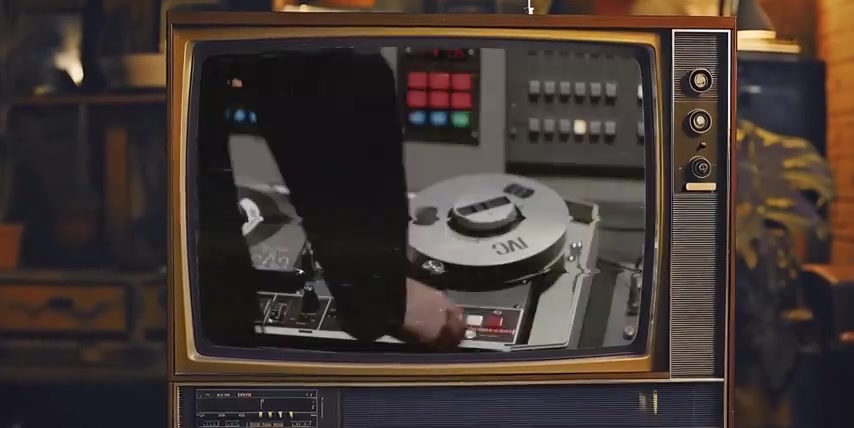
, you're not alone. For many, the image of analog computers is one of large, complex machines with dials, switches, and blinking lights, a stark contrast to the sleek, miniaturized devices we use today. The key aspect of modern analog computing is it provides real-time and power efficient computation.
But times are changing. While digital computing has dominated the tech landscape for decades, pushing analog systems to the sidelines, there's a growing recognition that digital's reign may not be absolute. Like the resurgence of vinyl records or the enduring appeal of space operas, analog computing is both making a comeback and, in some ways, never truly left us . Its unique strengths offer compelling solutions to some of the challenges facing modern technology.
Why Analog Now? Addressing Digital's Limits
The relentless drive for smaller, faster, and more powerful digital processors has brought us to a critical juncture. We're starting to hit the physical limits of how much we can shrink components and how efficiently we can manage the resulting heat and energy consumption. As Moore's Law slows down, innovators are seeking alternative approaches. The physical limits of digital are catching up to its theoretical limits.
Several proponents of analog computing believe digital's dominance isn't guaranteed and has energy limits. As noted by the video, digital computing's power consumption is massive, especially when you consider power-hungry applications such as cryptocurrency, AI, and large data centers

. The ICT sector accounts for roughly 4% of global energy consumption as of 2020, with data centers consuming massive amounts of water for cooling .
Consider also that there is an infinite number of states in analog computing, meaning that an infinitely small amount of states and data can be represented within those states.
The need for sustainable, energy-conscious computing solutions is driving the renewed interest in analog technology. This shift isn't about abandoning digital altogether but rather exploring how analog and digital systems can work together to create hybrid solutions that leverage the strengths of both. This is the heart of the analog computing comeback.
Analog vs. Digital: A Fundamental Difference
Infinite States vs. Finite Bits
The core difference between analog and digital computing lies in how they represent and process information. Analog systems work with continuous signals, allowing for an infinite number of states. Imagine heating a room from 68°F to 72°F; the temperature passes through an infinite number of values between those two points.
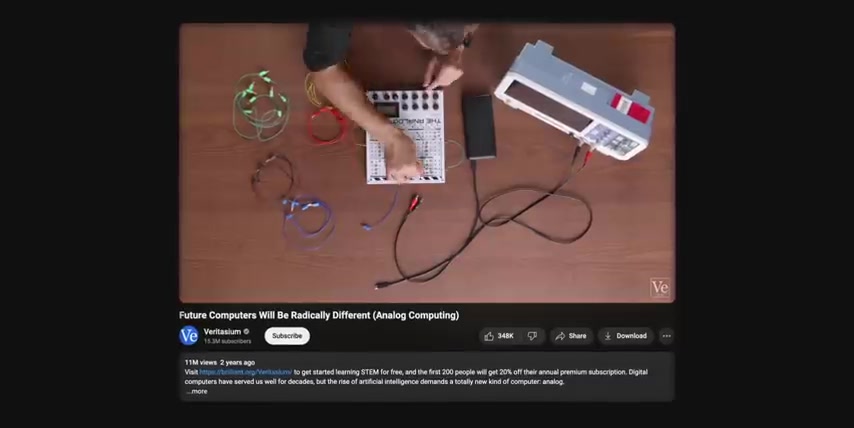
Digital systems, on the other hand, rely on discrete bits, representing information as either on or off, 1 or 0. An 8-bit system, for example, has 2 to the 8th power or 256 states . This means it can only represent 256 distinct values. While digital systems offer precision and ease of replication, this discrete nature can be a limitation in certain applications.
Harnessing the Strengths: Analog's Niche and Hybrid Solutions
The Power of Hybrid
Hybrid analog-digital computers are emerging as a strategy to utilize the benefits of both types of computing, with the speed and energy efficiency of analog combined with the accuracy and programming capacity of digital. Hybrid Analog-Digital setups could be the best strategy for the future
. It's the equivalent of using both the fast slide as well as a careful process to solve the problem .
Modern Applications and Future Potential
Applications of Analog Computers Today
While digital computing is everywhere today, many applications are actually more efficient when it comes to analog computing, and some startups are exploring this niche interest.
For many operations the energy consumption of digital computers are becoming increasingly immense . According to the video, immense energy-intensive computing is becoming increasingly popular, referencing AI as well as Cryptocurrencies, for example Bitcoin mining. For example, one study shows a single LLM interaction consumes the same power as a single LED light bulb for one hour.
The advantage of analog computing includes a low need for maintenance, fewer materials, and as stated previously: lower energy demand. Some companies such as Mythic.ai and Aspinity are tackling the problems of the digital limitations.
The video also references many of the data centers and AI farms consuming millions of gallons of water and electricity. The world needs a cheaper and less power-hungry option, and for this reason, there is a resurgence in analog computing
.








Most people like


































Report
Please select a reason for reporting
- 13 Reasons to Switch from Snapchat to Text Messaging
- 7 Powerful Speech to Text Apps to Boost Productivity
- 10 Best Speech to Text Tools for Effortless Transcription
- 13 Free Tools to Easily Transcribe Audio to Text
- 15 Surprising Ways Google's Speech-to-Text Boosts Productivity
- 7 Best Free Online Audio to Text Transcription Tools
- 9 Tips to Transcribe Speech to Text Faster and Better
- 13 Best Speech to Text Software for Windows 10 in 2023
- 7 Tips for Choosing the Best Transcriber for Audio to Text
- 11 Reasons Why Dragon Speech-to-Text Apps are Game-Changers
- 6 Secrets to Enhance Your Speech to Text Transcription
- 6 Brilliant Ways to Boost Productivity with Talk-to-Text on Your MacBook
- 6 Ways Transcription Software Converts Audio to Text
- 8 Tips to Transcribe Speech to Text Like a Pro
- 6 Reasons IBM Watson Speech to Text is a Game-Changer
- 14 Powerful Ways Talk-to-Text Improves Your Workflow
- 12 Top Windows Speech-to-Text Software for Efficient Transcription
- 12 Game-Changing Benefits of Apple's Speech to Text Technology
- 9 Powerful Use Cases for AWS Speech to Text Technology
- 10 Easy Steps to Transcribe YouTube Videos to Text
- transcription audio en texte
- online audio transcription
- free audio file transcription
- free ai audio transcription
- audio transcription service
- audio transcription online free
- audio transcription free online
- audio to transcription software
- audio and transcript
- ai audio transcription free
- voice recording to text converter
- translate voice recording to text
- record voice to text
- audio recording to text converter
- voice recording and transcription
- chatgpt voice to text
- gmail voice to text
- speech to text reader
- speech to text ai free
- speech to talk
- How SEO and Marketing Dashboards Empower Agencies to Drive Results
- How to Use AI Tools to Find Internal Linking Opportunities Across a Business Website
- Discover Your Perfect Haircut with AI Hairstyle Apps
- Free Reputation Calculator Tools: How They're Adapting to Score AI Visibility, Not Just Rankings
- Design Professional Flyers for Free on Your Phone
- Best Free Flyer Maker Apps for Android: Design Like a Pro
- How to Know If Your Business Is Ready for an AI Customer Service Agent
- Revolutionizing Storytelling: From Novels to Screenplays with AI
- Create Engaging Animated Explainer Videos with a Free AI Tool
- Stop Multi-Subscribing: Benchmark Top AI Visual Models in One Canvas
- DeepL Translator: The AI-Powered Translation Tool
- AI Video Upscaling: Top Tools Compared for Enhanced Quality
- Bridging the Gap: How One Indie Developer Solved the "Art Asset Nightmare" Using AI Style Transfer
- How I Direct Consistent AI Clips: A Hands-On Guide to Multi-Model Generation
- My Honest Review of VideoAI: The Ultimate Character Voice Generator I've Been Using Lately
- Why do so many AI tools underdeliver for online stores?
- My Brand New Logo: AI-Powered Logo Design for Startups
- Create Stunning Logos with Free AI Logo Generator!
- AI Logo Maker: Design a Stunning Logo in Minutes
- Elevate Your Zoom Experience with Enhanced Name Tags by Warmly

Copyright ©2026 toolify