































Table of Contents
- Key Points
- Understanding Artificial Intelligence
- Types of Artificial Intelligence
- Pros and Cons of Implementing Artificial Intelligence
- Core Features of AI-Driven Systems
- Real-World Use Cases of Artificial Intelligence
- Frequently Asked Questions About Artificial Intelligence
- Related Questions


Understanding Artificial Intelligence
What is Artificial Intelligence?
Artificial intelligence (AI) is a broad field of computer science focused on creating machines capable of performing tasks that typically require human intelligence. These tasks include learning, problem-solving, decision-making, and understanding natural language.

The goal of artificial intelligence is to develop systems that can reason, adapt, and act autonomously.
History and Meaning
The term "artificial intelligence" was first coined in 1956 by John McCarthy, a computer scientist at MIT, during the Dartmouth Conference. He defined AI as the science and engineering of making intelligent machines. Since then, AI has evolved significantly, encompassing various techniques and approaches. Artificial intelligence has gone through periods of excitement and setbacks, known as 'AI winters,' but recent advancements in computing power and data availability have fueled a resurgence.
The core idea behind artificial intelligence is to create systems that can simulate human cognitive functions. This involves:
- Learning: Acquiring information and rules for using the information. This can involve both explicit programming and the ability to learn from data.
- Reasoning: Using acquired information to draw conclusions and make decisions.
- Problem-solving: Identifying and resolving issues using logic and algorithms.
- Perception: Using sensors to understand the environment and gather data.
- Natural Language Processing (NLP): Understanding and generating human language.
The field of artificial intelligence is vast and includes numerous subfields and techniques. One of the most significant is Machine Learning, which in turn encompasses Deep Learning. Understanding these relationships is crucial for grasping the full potential of artificial intelligence.
Real-World Use Cases of Artificial Intelligence
Applications Across Industries and Daily Life
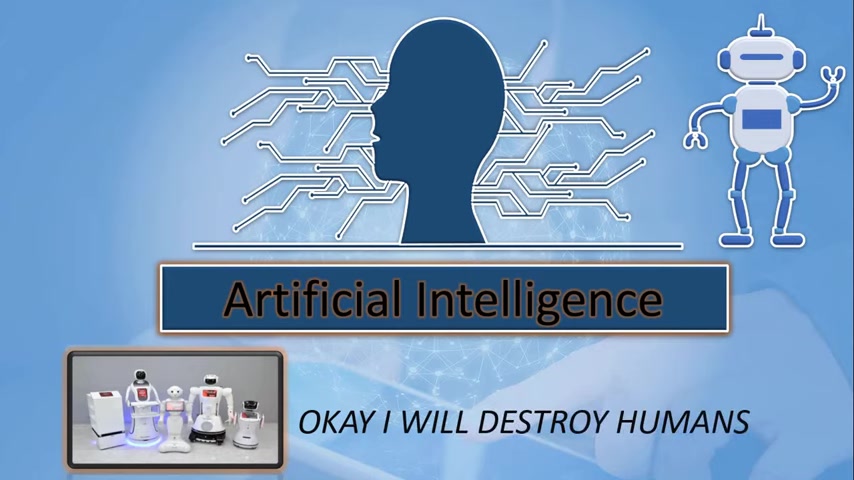
Artificial intelligence is no longer a futuristic concept; it's a present-day reality impacting numerous sectors. Here are some key use cases:
- Robotics: AI powers robots that perform tasks in manufacturing, logistics, and even Healthcare.
- Healthcare: AI aids in diagnostics, drug discovery, personalized medicine, and patient monitoring.
- Business Analytics: AI helps businesses analyze data, predict market trends, and optimize operations.
- Marketing: AI enables personalized Advertising, customer segmentation, and predictive analytics.
- Search Engines: AI enhances search accuracy and provides relevant results.
- Social Media: AI personalizes content feeds and suggests friends based on user interests.
- E-commerce: AI provides product recommendations and personalized shopping experiences.
Here's an example of how AI has found its way into our daily lives. Uses of AI in our daily life such as:
- YouTube: AI provides video suggestions and targeted advertisements.
- Google: AI delivers accurate search results and personalized advertisements.
- Facebook: AI personalizes content feeds and suggests friends.
- Netflix: AI recommends series based on viewing history and preferences.
These applications demonstrate the versatility and transformative potential of artificial intelligence across various domains.



Most people like


































Report
Please select a reason for reporting
- 13 Reasons to Switch from Snapchat to Text Messaging
- 7 Powerful Speech to Text Apps to Boost Productivity
- 10 Best Speech to Text Tools for Effortless Transcription
- 13 Free Tools to Easily Transcribe Audio to Text
- 15 Surprising Ways Google's Speech-to-Text Boosts Productivity
- 7 Best Free Online Audio to Text Transcription Tools
- 9 Tips to Transcribe Speech to Text Faster and Better
- 13 Best Speech to Text Software for Windows 10 in 2023
- 7 Tips for Choosing the Best Transcriber for Audio to Text
- 11 Reasons Why Dragon Speech-to-Text Apps are Game-Changers
- 6 Secrets to Enhance Your Speech to Text Transcription
- 6 Brilliant Ways to Boost Productivity with Talk-to-Text on Your MacBook
- 6 Ways Transcription Software Converts Audio to Text
- 8 Tips to Transcribe Speech to Text Like a Pro
- 6 Reasons IBM Watson Speech to Text is a Game-Changer
- 14 Powerful Ways Talk-to-Text Improves Your Workflow
- 12 Top Windows Speech-to-Text Software for Efficient Transcription
- 12 Game-Changing Benefits of Apple's Speech to Text Technology
- 9 Powerful Use Cases for AWS Speech to Text Technology
- 10 Easy Steps to Transcribe YouTube Videos to Text
- transcription audio en texte
- online audio transcription
- free audio file transcription
- free ai audio transcription
- audio transcription service
- audio transcription online free
- audio transcription free online
- audio to transcription software
- audio and transcript
- ai audio transcription free
- voice recording to text converter
- translate voice recording to text
- record voice to text
- audio recording to text converter
- voice recording and transcription
- chatgpt voice to text
- gmail voice to text
- speech to text reader
- speech to text ai free
- speech to talk
- Meshy AI: How to Create 3D Models from Text and Images
- How SEO and Marketing Dashboards Empower Agencies to Drive Results
- How to Use AI Tools to Find Internal Linking Opportunities Across a Business Website
- Discover Your Perfect Haircut with AI Hairstyle Apps
- Free Reputation Calculator Tools: How They're Adapting to Score AI Visibility, Not Just Rankings
- Design Professional Flyers for Free on Your Phone
- Best Free Flyer Maker Apps for Android: Design Like a Pro
- How to Know If Your Business Is Ready for an AI Customer Service Agent
- Revolutionizing Storytelling: From Novels to Screenplays with AI
- Create Engaging Animated Explainer Videos with a Free AI Tool
- Meshy AI: How to Create 3D Models from Text and Images
- ASOMobile Helps Teams Benchmark App Store Screenshots Against Competitors
- How to Match LMS Software With Your Organization's Training Plan
- Revolutionizing Email Marketing Agency with AI
- How to Convert BTC to HNT
- Unleashing the Power of AI: Cognizant's Roadmap for Transformation
- Frame to Video Review: A Practical Look at Turning Two Still Frames Into Motion
- NVIDIA NIM: Revolutionizing Supply Chain Data Analysis with AI
- Top AI Tools That Help Brands Stand Out Offline (Not Just Online)
- Top 5 Cold Email Software: Maximize Your Outreach in 2025

Copyright ©2026 toolify