































Table of Contents
- Key Points
- Deciphering the Appellation and Region on Wine Labels
- Key Label Indicators: Name, Varietal & Vintage
- Expert Tips to Read Wine Labels
- Pricing Considerations
- Breaking Down Label Grades to Make an Easy Choice: Weighing the Pros and Cons
- Navigating Wine Labels: Features and benefits
- Empowering Consumers: Decoding labels and finding wines for various occassions
- Frequently Asked Questions (FAQ)
- Related Questions: Expanding Your Wine Knowledge


Deciphering the Appellation and Region on Wine Labels
Understanding Appellations: The Key to Wine's Origin
One of the first and most crucial pieces of information on a wine label is the appellation,
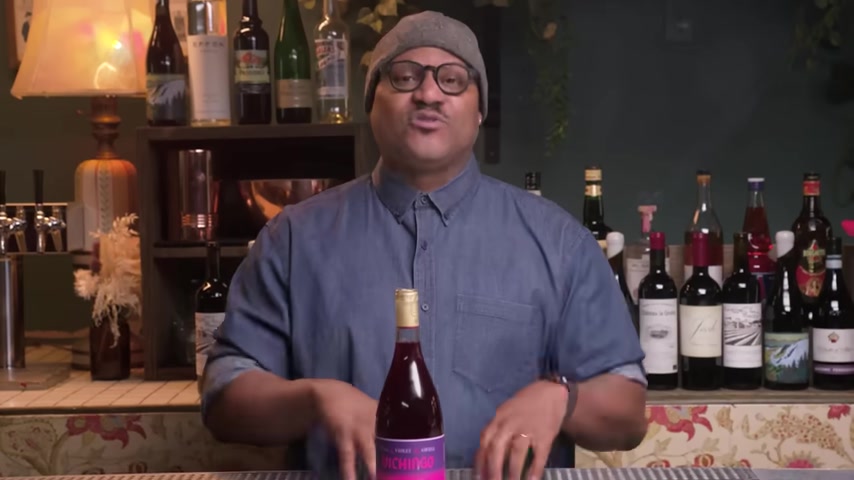
also known as the region where the grapes were grown. This tells you a great deal about the wine's potential characteristics. However, the level of specificity can vary wildly.
For example, a label might simply state 'Wine of California,' indicating the grapes could have come from anywhere in the state. This is often a red flag, as André Mack points out, because it offers little insight into the wine's quality or the producer's methods. More specific appellations, like 'Redwood Valley AVA' (American Viticultural Area), provide a higher degree of assurance about the grapes' origin and the winemaking standards.
In Old World wines (primarily from Europe), the appellation system is even more tightly controlled. Terms like 'Dolcetto d'Alba DOC' not only indicate the region (Alba, in Piedmont, Italy) but also guarantee that the wine adheres to specific production rules, including the grape varietal used (Dolcetto), yield limits, and winemaking techniques. These regulations are enforced by governing bodies like the Denominazione di Origine Controllata (DOC) in Italy or the Appellation d'Origine Contrôlée (AOC) in France . Understanding these appellation systems empowers you to make informed choices, especially when exploring European wines.
Here’s a quick guide:
| Region | Labeling Convention (Examples) | Key Characteristics |
|---|---|---|
| California, USA | Wine of California, Redwood Valley AVA | Vague vs. Specific; AVA indicates a more defined growing area. |
| Piedmont, Italy | Dolcetto d'Alba DOC | DOC guarantees grape, region, and production methods. |
| Rhône, France | Vacqueyras AOC | AOC (or AOP) similarly regulates grape, region, and production for French wines. |
| Morocco | AOG Zenata |
New World vs. Old World: A Labeling Dichotomy
The wine world is broadly divided into two categories: New World and Old World. This distinction influences labeling practices and the information typically emphasized on a bottle.
New World wines,
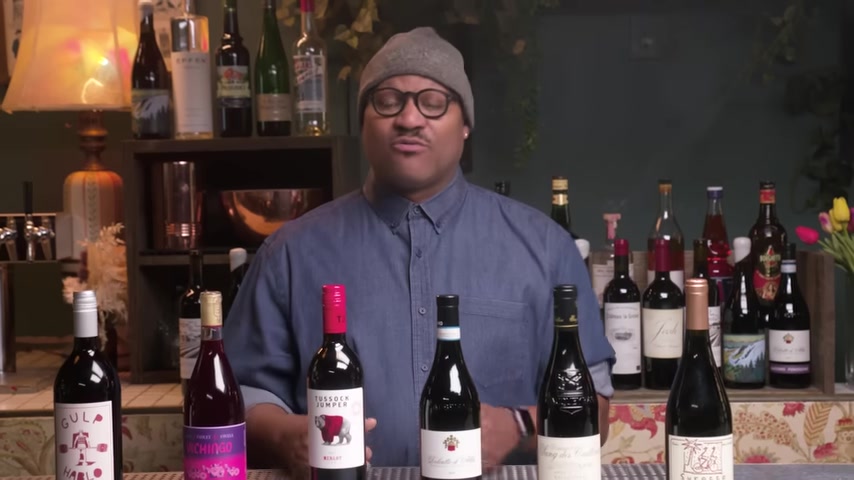
primarily from countries like the United States, Australia, South Africa, and Chile, tend to focus on the grape varietal on the label. For instance, a bottle might clearly state 'Merlot,' 'Cabernet Sauvignon,' or 'Chardonnay.' This allows consumers to quickly identify the type of wine they're buying, even if they're unfamiliar with the specific producer or region.
Old World wines, on the other hand, often prioritize the place of origin over the grape. Instead of 'Merlot,' a Bordeaux wine might simply say 'Pauillac,' an appellation that guarantees the use of specific grape varietals allowed in that region. This tradition stems from centuries of established winemaking practices, where the terroir (soil, climate, and other environmental factors) is considered paramount.
The difference in approach is significant:
- New World: Grape Varietal --> Brand Recognition
- Old World: Appellation/Region --> Terroir & Tradition
However, it's important to note that the lines are blurring. Some New World wineries are starting to emphasize regional designations, while some Old World producers are beginning to include grape varietals on their labels to appeal to a broader audience. A newer 'hybrid' style emerges which includes grape and region. This evolution reflects the changing preferences of consumers and the increasing globalization of the wine industry.
Key Label Indicators: Name, Varietal & Vintage
Unlocking Information: Name, Grape and Vintage on labels
Beyond region and grape, several other elements contribute to a wine label's story. The name of the wine, is often a branding element chosen by the producer and may offer little insight into the wine's characteristics. However sometimes the wine name does indicate the location it's sourced from.
More informative is the grape varietal,
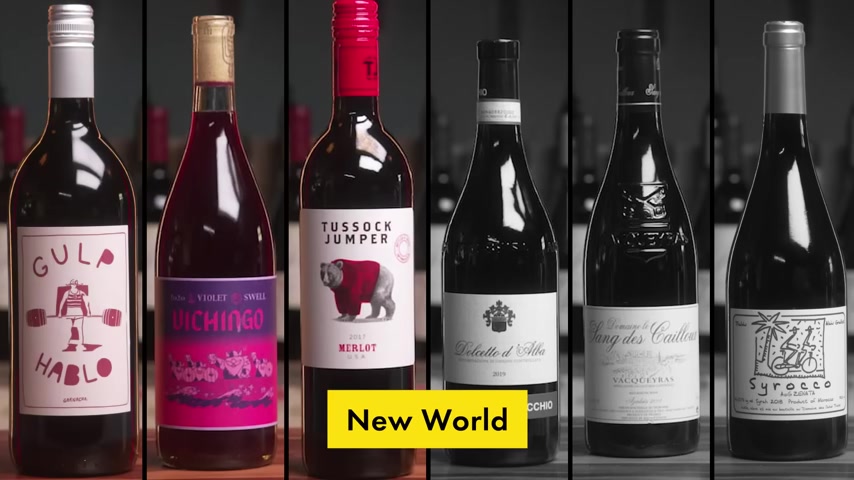
especially for New World wines. This tells you the primary grape used to make the wine. Knowing your preferred varietals is a great starting point for exploring new wines.
Finally, the vintage, the year the grapes were harvested, can be a helpful indicator, especially for higher-end wines. Vintage variation, is the quality of wines produced in a given vintage that can vary because weather can significantly impacts the grapes and therefore, the characteristics of a wines from these grapes. Some vintages produce exceptional wines, while others may be less remarkable. Learning about specific vintage years for certain regions can help you make informed buying decisions. However, it is not always on a priority for everyday drinking.
Pricing Considerations
Price: A General Quality Guideline
While price isn't the only indicator of quality,
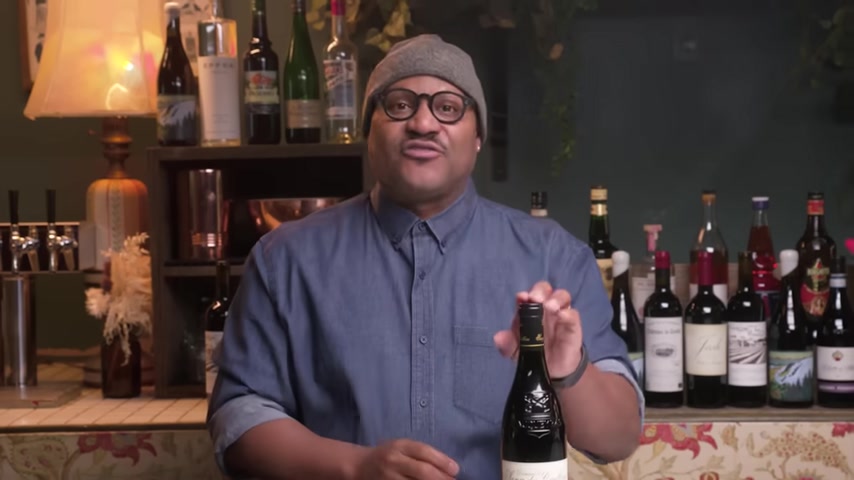
it can often be a reliable guide. As André Mack suggests, wines that only state 'Wine of California' on the label are often lower-priced and may not offer the same complexity or character as wines from more specific appellations. However it really does all come down to the wine.
Empowering Consumers: Decoding labels and finding wines for various occassions
Deciphering Wines For Every Occasion
Deciphering the wine label will help you find what you are looking for, such as the Tussock Jumper Wine, it has suggestions printed on it regarding which foods may pair well,
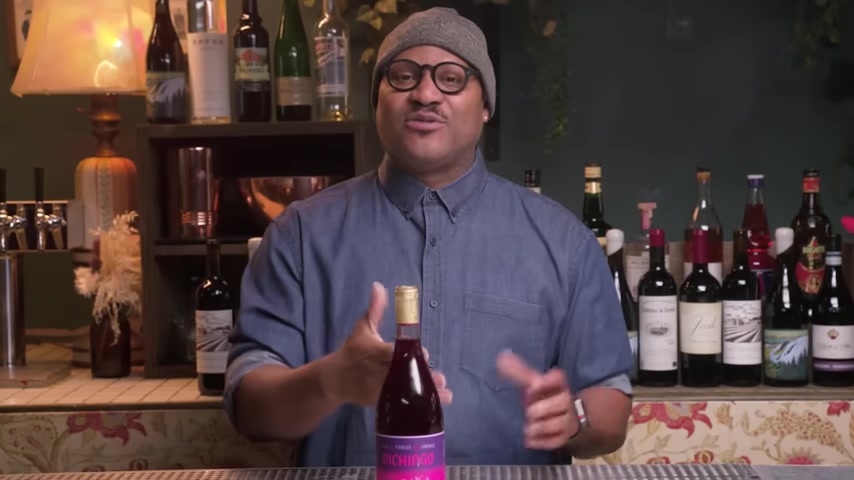
but some wine labels may only offer suggestions as to what type of wine may pair well, and how to determine whether a wine might not be all that great depending on what is not printed on the wine label. Ultimately the choice is yours, but arming yourself with what the expert deems a minimum amount of information is a great idea.








Most people like





































Report
Please select a reason for reporting
- 13 Reasons to Switch from Snapchat to Text Messaging
- 7 Powerful Speech to Text Apps to Boost Productivity
- 10 Best Speech to Text Tools for Effortless Transcription
- 13 Free Tools to Easily Transcribe Audio to Text
- 15 Surprising Ways Google's Speech-to-Text Boosts Productivity
- 7 Best Free Online Audio to Text Transcription Tools
- 9 Tips to Transcribe Speech to Text Faster and Better
- 13 Best Speech to Text Software for Windows 10 in 2023
- 7 Tips for Choosing the Best Transcriber for Audio to Text
- 11 Reasons Why Dragon Speech-to-Text Apps are Game-Changers
- 6 Secrets to Enhance Your Speech to Text Transcription
- 6 Brilliant Ways to Boost Productivity with Talk-to-Text on Your MacBook
- 6 Ways Transcription Software Converts Audio to Text
- 8 Tips to Transcribe Speech to Text Like a Pro
- 6 Reasons IBM Watson Speech to Text is a Game-Changer
- 14 Powerful Ways Talk-to-Text Improves Your Workflow
- 12 Top Windows Speech-to-Text Software for Efficient Transcription
- 12 Game-Changing Benefits of Apple's Speech to Text Technology
- 9 Powerful Use Cases for AWS Speech to Text Technology
- 10 Easy Steps to Transcribe YouTube Videos to Text
- transcription audio en texte
- online audio transcription
- free audio file transcription
- free ai audio transcription
- audio transcription service
- audio transcription online free
- audio transcription free online
- audio to transcription software
- audio and transcript
- ai audio transcription free
- voice recording to text converter
- translate voice recording to text
- record voice to text
- audio recording to text converter
- voice recording and transcription
- chatgpt voice to text
- gmail voice to text
- speech to text reader
- speech to text ai free
- speech to talk
- How SEO and Marketing Dashboards Empower Agencies to Drive Results
- How to Use AI Tools to Find Internal Linking Opportunities Across a Business Website
- Discover Your Perfect Haircut with AI Hairstyle Apps
- Free Reputation Calculator Tools: How They're Adapting to Score AI Visibility, Not Just Rankings
- Design Professional Flyers for Free on Your Phone
- Best Free Flyer Maker Apps for Android: Design Like a Pro
- How to Know If Your Business Is Ready for an AI Customer Service Agent
- Revolutionizing Storytelling: From Novels to Screenplays with AI
- Create Engaging Animated Explainer Videos with a Free AI Tool
- Stop Multi-Subscribing: Benchmark Top AI Visual Models in One Canvas
- My Brand New Logo: AI-Powered Logo Design for Startups
- Create Stunning Logos with Free AI Logo Generator!
- AI Logo Maker: Design a Stunning Logo in Minutes
- Elevate Your Zoom Experience with Enhanced Name Tags by Warmly
- Top 5 AI Logo Makers in 2025: Design a Stunning Brand
- Creative Fabrica's AI Tools: Flow, Studio, and Font Generator
- Create Stunning Logos with Canva's Free AI Logo Generator
- Create Professional and Memorable Logos with LogoMaker.ai
- Design Your Own Font: A Step-by-Step Guide with Vectornator Pro
- AI Font Generator: Revolutionizing Typeface Design with AI

Copyright ©2026 toolify