































Table of Contents
- Key Points
- The Escalation of Image-Based Abuse
- The Rise of Malicious Deepfakes: Alarming Trends and Government Warnings
- Weighing the Benefits and Risks of Deepfake Technology
- FAQ
- Related Questions



The Escalation of Image-Based Abuse
A Personal Journey Through Image-Based Abuse
Image-based abuse has become an increasing threat in the digital age. One researcher, Noelle Martin, shares her personal experience of dealing with image-based abuse for approximately ten years. Her journey started with anonymous individuals taking her images from social media and doctoring them into pornographic images
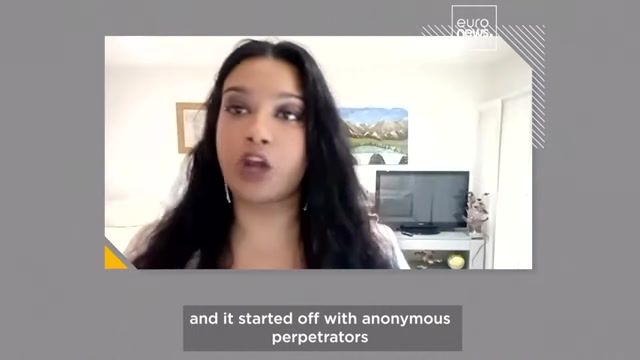
. Over time, the severity of this abuse escalated dramatically, encompassing the graphic nature and sheer volume of manipulated images. This eventually evolved into deepfake videos, showcasing the terrifying trajectory of online harassment. The psychological impact is dehumanizing, and it can drastically affect a person's employability, interpersonal relationships, and Mental Health. Image-based abuse is a major concern that needs to be addressed at individual and legislative levels. The severity and long-lasting effects of this abuse necessitate a global response involving governments, law enforcement, online platforms, and victim support communities.
It started with relatively simple image manipulation, taking existing photos and altering them. However, as AI technology advanced, so did the sophistication of the abuse. This highlights the need for individuals to be aware of the potential misuse of their online presence and the dangers of deepfake technology.
Understanding Deepfakes
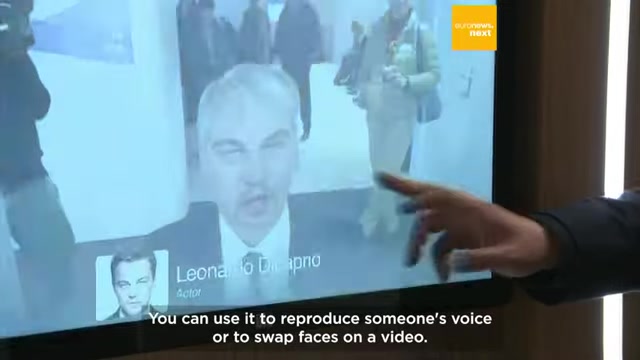
What exactly is a deepfake? At its core, a deepfake is a video or audio file that has been altered using artificial intelligence
. This technology allows for the manipulation of someone’s voice or the swapping of faces in a video, creating highly realistic but entirely fabricated content. While some might see the potential for harmless fun, the reality is that deepfakes are increasingly being used for malicious purposes. Creating deepfake videos is far easier than it once was. All that's needed is a few images, making it accessible to many. This ease of creation, combined with the potentially realistic output, makes deepfakes a dangerous tool in the hands of malicious actors.
The widespread use of deepfakes raises crucial questions about digital consent and online safety. The potential for non-consensual image manipulation is causing serious psychological and social repercussions for victims. The challenge is not only in identifying and removing these deepfakes but also in providing adequate support to those affected. Public awareness and education are essential to equip individuals with the knowledge to recognize deepfakes and protect themselves from their harmful effects.
Deepfakes: A Technology Weaponized Against Women
Why is deepfake technology particularly harmful for women? It's simple: it's being weaponized to create pornographic video content without their consent
. This non-consensual manipulation is a form of sexual harassment and a severe violation of privacy. A 2019 report by DeepTrace highlights the scale of the problem, estimating that porn content makes up 96% of deepfakes . Shockingly, the vast majority of these videos are created without the consent of the individuals featured. This widespread non-consensual use of deepfakes underscores the urgent need for preventative measures and legal frameworks.
The weaponization of AI technology through deepfakes creates a climate of fear and vulnerability for women online. The risk of having one's image manipulated and exploited in this manner can have lasting psychological effects. The need for greater legal protections and robust enforcement mechanisms is clear. These measures must protect victims from the harms of deepfake technology and hold perpetrators accountable for their actions.
The Rise of Malicious Deepfakes: Alarming Trends and Government Warnings
From Jokes to Malicious Intentions: The Dark Side of Deepfakes
While some individuals may create deepfakes as a form of humor, many others have malicious intentions, using deepfakes for extortion purposes . The FBI issued a warning in June 2025 regarding deepfakes used for extortion, emphasizing the growing threat. Deepfakes are also used to discredit the work and reputation of women. Investigative journalist Rana Ayyub and activist Kate Isaacs are examples of women who have been victims of smear campaigns involving deepfakes. This highlights the specific vulnerability of women to this form of abuse.
The use of deepfakes in extortion and smear campaigns reveals a disturbing trend of weaponized disinformation. Malicious actors exploit the technology to cause financial and reputational harm, often targeting vulnerable individuals. These trends underscore the importance of robust detection methods and proactive counter-measures.
The Difficulty in Detecting and Controlling Deepfakes
One of the primary challenges in combating deepfakes is the difficulty in detecting and controlling them. Generative AI expert, Henry Ajder, notes that the naked eye is not a reliable marker for spotting fakes, especially as the outputs get better in quality
. The sophistication of deepfake technology means that even experts struggle to differentiate between real and manipulated content. This increasing sophistication makes detection efforts crucial and underscores the need for advanced technological solutions.
Controlling the spread of deepfakes is equally challenging due to the decentralized nature of the internet. Once a deepfake is released online, it can spread rapidly across multiple platforms, making it difficult to contain. This underscores the necessity for international collaboration and standardized regulatory frameworks to manage the risks associated with deepfake technology.
Global Response: The Need for Laws, Awareness, and Victim Support
Combating the malicious use of deepfakes requires a multi-faceted approach. Increased awareness, legal frameworks, and global response is needed to protect individuals from the harms of deepfake technology
. Only a few governments have taken up the issue at a legislative level, highlighting the urgent need for more comprehensive legal protections. There needs to be a global response from governments, law enforcement, and victim communities, so that there is accountability for people where they can't just ruin someone's life and get away with it.
Lawmakers must play catch-up with technological innovations, creating laws that address the specific challenges posed by deepfakes. Public education and awareness campaigns are essential to inform individuals about the risks and empower them to protect themselves. Support for victims of deepfake abuse is also crucial, providing access to resources and mental health services to help them cope with the trauma.








Most people like


































Report
Please select a reason for reporting
- 13 Reasons to Switch from Snapchat to Text Messaging
- 7 Powerful Speech to Text Apps to Boost Productivity
- 10 Best Speech to Text Tools for Effortless Transcription
- 13 Free Tools to Easily Transcribe Audio to Text
- 15 Surprising Ways Google's Speech-to-Text Boosts Productivity
- 7 Best Free Online Audio to Text Transcription Tools
- 9 Tips to Transcribe Speech to Text Faster and Better
- 13 Best Speech to Text Software for Windows 10 in 2023
- 7 Tips for Choosing the Best Transcriber for Audio to Text
- 11 Reasons Why Dragon Speech-to-Text Apps are Game-Changers
- 6 Secrets to Enhance Your Speech to Text Transcription
- 6 Brilliant Ways to Boost Productivity with Talk-to-Text on Your MacBook
- 6 Ways Transcription Software Converts Audio to Text
- 8 Tips to Transcribe Speech to Text Like a Pro
- 6 Reasons IBM Watson Speech to Text is a Game-Changer
- 14 Powerful Ways Talk-to-Text Improves Your Workflow
- 12 Top Windows Speech-to-Text Software for Efficient Transcription
- 12 Game-Changing Benefits of Apple's Speech to Text Technology
- 9 Powerful Use Cases for AWS Speech to Text Technology
- 10 Easy Steps to Transcribe YouTube Videos to Text
- transcription audio en texte
- online audio transcription
- free audio file transcription
- free ai audio transcription
- audio transcription service
- audio transcription online free
- audio transcription free online
- audio to transcription software
- audio and transcript
- ai audio transcription free
- voice recording to text converter
- translate voice recording to text
- record voice to text
- audio recording to text converter
- voice recording and transcription
- chatgpt voice to text
- gmail voice to text
- speech to text reader
- speech to text ai free
- speech to talk
- How SEO and Marketing Dashboards Empower Agencies to Drive Results
- How to Use AI Tools to Find Internal Linking Opportunities Across a Business Website
- Discover Your Perfect Haircut with AI Hairstyle Apps
- Free Reputation Calculator Tools: How They're Adapting to Score AI Visibility, Not Just Rankings
- Design Professional Flyers for Free on Your Phone
- Best Free Flyer Maker Apps for Android: Design Like a Pro
- How to Know If Your Business Is Ready for an AI Customer Service Agent
- Revolutionizing Storytelling: From Novels to Screenplays with AI
- Create Engaging Animated Explainer Videos with a Free AI Tool
- Stop Multi-Subscribing: Benchmark Top AI Visual Models in One Canvas
- ASOMobile Helps Teams Benchmark App Store Screenshots Against Competitors
- How to Match LMS Software With Your Organization's Training Plan
- Revolutionizing Email Marketing Agency with AI
- How to Convert BTC to HNT
- Unleashing the Power of AI: Cognizant's Roadmap for Transformation
- Frame to Video Review: A Practical Look at Turning Two Still Frames Into Motion
- NVIDIA NIM: Revolutionizing Supply Chain Data Analysis with AI
- Top AI Tools That Help Brands Stand Out Offline (Not Just Online)
- Top 5 Cold Email Software: Maximize Your Outreach in 2025
- Magic School AI: Revolutionizing Quiz & Assessment Generation

Copyright ©2026 toolify