






Table of Contents
- Key Points
- Understanding Diffusion Models
- Training Diffusion Models: A Supervised Learning Approach
- The Power and Pitfalls of Diffusion Models
- FAQ
- Related Questions


Understanding Diffusion Models
What are Diffusion Models?
Diffusion models are a class of generative models that excel at creating new images. Unlike traditional generative models, which attempt to directly learn the image distribution, diffusion models take a different approach. They learn to reverse a process that gradually adds noise to an image until it becomes pure random noise. By learning to reverse this diffusion process, the model can then start from random noise and iteratively refine it into a coherent and realistic image. This process allows for the creation of images that are entirely new and have never existed before. This technique of gradually adding noise and then reversing it is a key concept for the diffusion model. One of the main concepts that diffusion models used that is an iteravtive proccess for creating new images. This iteratice process will allow the model to create something that has never existed before. These models are now widely used, and the focus of a growing amount of research.
The Iterative Process of Image Generation
The image generation process in diffusion models is iterative, beginning with a sample of Gaussian noise. Gaussian noise is essentially random noise with a normal distribution. This noise is then progressively refined through a series of steps. At each step, the model learns to remove a small amount of noise, gradually revealing the underlying structure of the image. This iterative process relies on the model's ability to predict and subtract noise in a controlled manner. Iteratively processing the noise makes sure the photo comes out in the correct structure. This iterative approach allows the model to create highly detailed and realistic images, even from seemingly unstructured noise.
Reversing the Diffusion Process
At the heart of diffusion models lies the ability to reverse what is known as a diffusion process. The diffusion process involves gradually adding Gaussian noise to an image until it is completely unrecognizable. The diffusion model is trained to learn the inverse of this process, enabling it to start from pure noise and reconstruct an image. This is achieved by learning to predict the noise that was added at each step of the diffusion process and subtracting it. By repeating this process iteratively, the model can progressively denoise the image, eventually generating a clear and coherent visual. Diffusion Models work by learning to reverse what's known as a diffusion process. This is the core of the model.
Forward Diffusion: Destroying Image Information
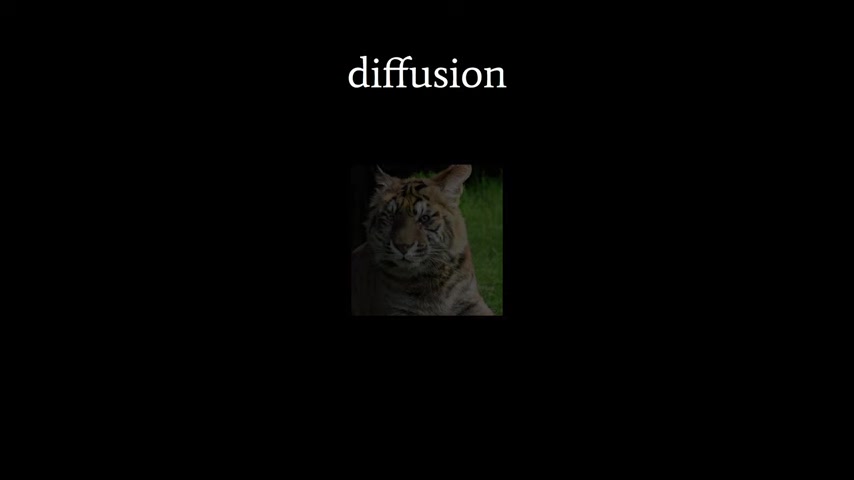
To understand the reverse process, it's essential to grasp the forward diffusion process. The forward diffusion process starts with a real image and progressively adds Gaussian noise over time. Each step introduces more noise, gradually obscuring the original image's details. As the process continues, the image eventually loses all its original information and transforms into a sample of pure Gaussian noise. The destruction of the original file happens over time. As the process continues the original image is lost.
Backward Diffusion: Recovering Image Information
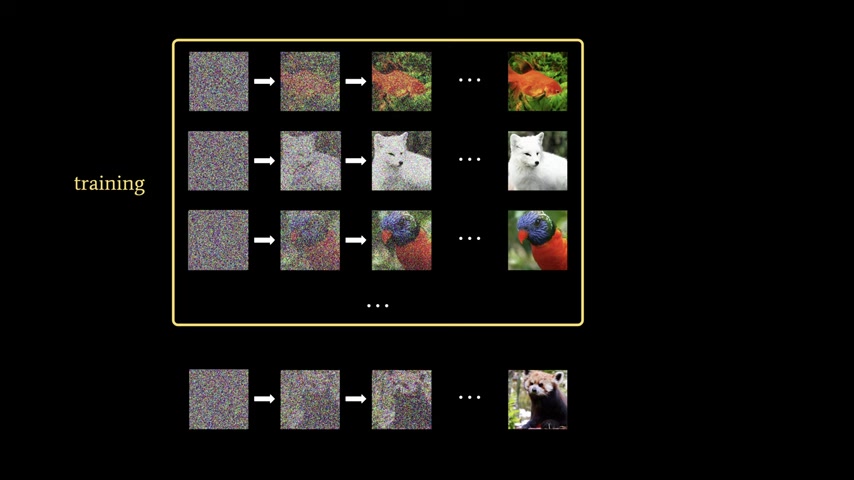
The magic of diffusion models lies in learning to reverse the forward diffusion process. A neural network is trained to predict the noise that was added at each step of the forward diffusion process and subtract it from the image. By repeating this process iteratively, the model can gradually remove the noise and reconstruct the original image. Neural networks that can reverse this diffusion process are called diffusion models. Neural networks are essential for the diffusion models to work. It also helps the reverse from the added noise.
Training Diffusion Models: A Supervised Learning Approach
The Training Process
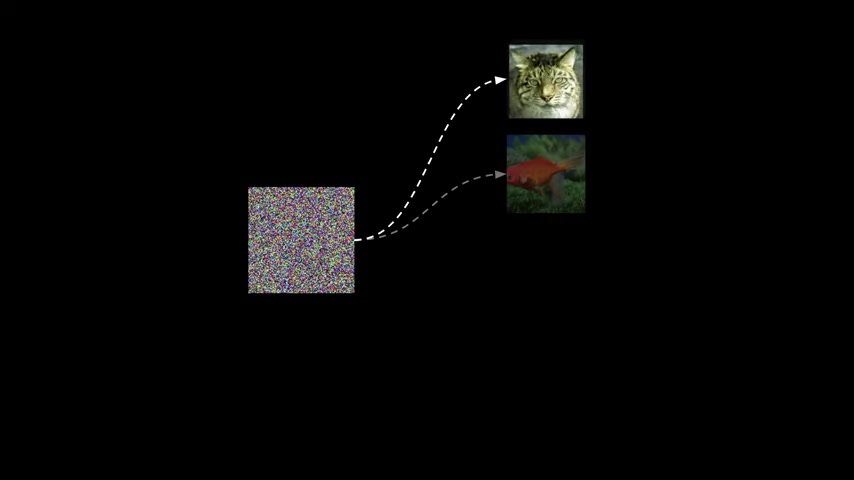
Training a diffusion model involves showing it numerous examples of how to turn Gaussian noise into realistic-looking images. The training is essential to the learning process of turning gausiann noise to relistic photo. The diffusion model learns to generate new images starting from Gaussian noise. The goal is to generate realistic-looking images from random data. This seemingly complex task is achieved by the model learning to reverse the diffusion process. By showing it many of these sequences, examples of how to turn Gaussian noise to realistic looking images, the diffusion model learns to do something very hard generate new images, starting from something very easy. However, the presenter in the video does note that 99% of people view diffustion models in this way . That being said when prested this way it can be seen as very surprising that it works. However it does as you will learn later in this article.
Image Space: A New Perspective
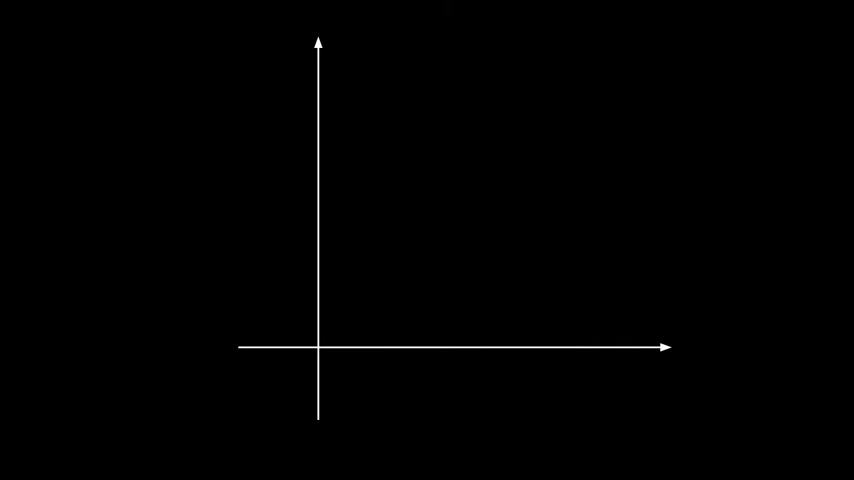
To truly grasp how diffusion models work, it's necessary to understand the concept of image space. Imagine a high-dimensional space where every possible image exists. Each point in this space corresponds to a unique combination of pixel values, defining a specific image. However, it is important to note that many of these locations in image space will be poor or not usable. The first concept we need to be comfortable with is image space, the space of all possible images of size 1000 by 1000 pixels. Each axis is representing the value of one of the pixels in an image. All possible images will live in a square shape confined space that is a 1 million dimensional cube. With side length of 256 units.
Navigating Gradients in Image Space
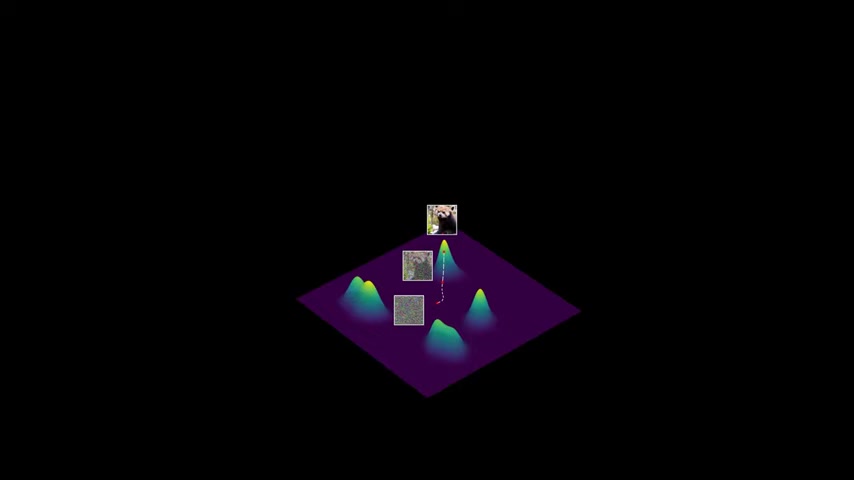
Image generating diffusion needs to understand what makes an image a good one. Because of this It has to differentiate between the bad images and the good images. Instead of approaching the problem in this way, the model uses another method. First, collecting a dataset of good images. Next, by sampling from the Gaussian distribution. Next, the step involves the model being trained to find the direction that most increases the probability of your image. With that action done, you can arrive at a new and improved photo that looks realistic


Most people like





































Report
Please select a reason for reporting
- 13 Reasons to Switch from Snapchat to Text Messaging
- 7 Powerful Speech to Text Apps to Boost Productivity
- 10 Best Speech to Text Tools for Effortless Transcription
- 13 Free Tools to Easily Transcribe Audio to Text
- 15 Surprising Ways Google's Speech-to-Text Boosts Productivity
- 7 Best Free Online Audio to Text Transcription Tools
- 9 Tips to Transcribe Speech to Text Faster and Better
- 13 Best Speech to Text Software for Windows 10 in 2023
- 7 Tips for Choosing the Best Transcriber for Audio to Text
- 11 Reasons Why Dragon Speech-to-Text Apps are Game-Changers
- 6 Secrets to Enhance Your Speech to Text Transcription
- 6 Brilliant Ways to Boost Productivity with Talk-to-Text on Your MacBook
- 6 Ways Transcription Software Converts Audio to Text
- 8 Tips to Transcribe Speech to Text Like a Pro
- 6 Reasons IBM Watson Speech to Text is a Game-Changer
- 14 Powerful Ways Talk-to-Text Improves Your Workflow
- 12 Top Windows Speech-to-Text Software for Efficient Transcription
- 12 Game-Changing Benefits of Apple's Speech to Text Technology
- 9 Powerful Use Cases for AWS Speech to Text Technology
- 10 Easy Steps to Transcribe YouTube Videos to Text
- transcription audio en texte
- online audio transcription
- free audio file transcription
- free ai audio transcription
- audio transcription service
- audio transcription online free
- audio transcription free online
- audio to transcription software
- audio and transcript
- ai audio transcription free
- voice recording to text converter
- translate voice recording to text
- record voice to text
- audio recording to text converter
- voice recording and transcription
- chatgpt voice to text
- gmail voice to text
- speech to text reader
- speech to text ai free
- speech to talk
- ChatGPT Knows Ford. It Just Doesn't Quote Ford
- Meshy AI: How to Create 3D Models from Text and Images
- How SEO and Marketing Dashboards Empower Agencies to Drive Results
- How to Use AI Tools to Find Internal Linking Opportunities Across a Business Website
- Discover Your Perfect Haircut with AI Hairstyle Apps
- Free Reputation Calculator Tools: How They're Adapting to Score AI Visibility, Not Just Rankings
- Design Professional Flyers for Free on Your Phone
- Best Free Flyer Maker Apps for Android: Design Like a Pro
- How to Know If Your Business Is Ready for an AI Customer Service Agent
- Revolutionizing Storytelling: From Novels to Screenplays with AI
- Your Business Data Could Be Worth Up to $4M. Find Out Without Uploading a Single File.
- Can an eSIM Plan Save You Time During Travel Setup?
- AI Video Editor Review: A Hands-On Look at Prompt-Based Video Editing
- Keep Characters Consistent Across Scenes With Image-to-Video AI
- How to Convert BTC to HNT
- ProxyWing DuckDuckGo Proxy Review: Plans, Setup and Who It Is For
- ChatGPT Knows Ford. It Just Doesn't Quote Ford
- Automate Lead Generation: A Comprehensive Guide with AI Agents
- Revideo.io: The Future of Reverse Video Search Technology
- Revolutionizing Email Marketing Agency with AI

Copyright ©2026 toolify