































Table of Contents
- Key Points
- Understanding High-Flow Nozzles and 3D Printing
- Creating a DIY High-Flow Nozzle: The Mesh Nozzle
- Extrusion Test of the DIY high flow Nozzle
- Pricing Information for 3D Solex Printcore Coreheating
- Pros and Cons of DIY High Flow 3D Printer Nozzle
- FAQ
- Related Questions



Understanding High-Flow Nozzles and 3D Printing
The Challenge of Heat Conductivity in 3D Printing
One of the fundamental bottlenecks in 3D printing lies in the relatively poor heat conductivity of polymers. This means that efficiently melting filament, especially at high speeds, requires innovative solutions. Traditional 3D printer nozzles rely on external heating, where heat is transferred from the heater block to the filament. However, the slow heat transfer rate of polymers limits the speed at which filament can be properly melted.
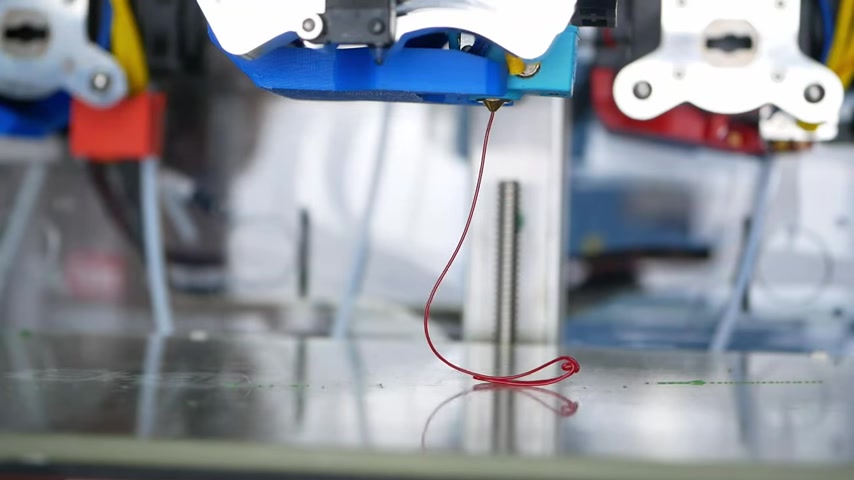
Imagine trying to quickly heat a thick piece of plastic from the outside – the surface might get hot, but the core remains relatively cool. The same principle applies to filament within a nozzle.
To overcome this challenge, high-flow nozzles employ various techniques to increase the surface area of contact between the heat source and the filament, thereby accelerating the melting process. One such technique, known as core heating, involves incorporating a highly conductive material (like copper) within the filament path, allowing heat to be transferred directly to the center of the filament.
Another approach is filament splitting, which divides the incoming filament into multiple thinner strands. This increases the overall surface area exposed to heat, leading to faster and more uniform melting. The Bondtech CHT nozzle, discussed later, is a prime example of a nozzle that utilizes filament splitting to achieve high flow rates. To reach the higher extrusion requirements, the designer can also implement a volcano hotend, which extends the distance the filament travels within the heating element. While this approach may work with some materials, it is less effective in many because of material characteristics.
Understanding these basic limitations of heat conductivity in polymers and high-flow nozzles is crucial for understanding the motivation behind the DIY experiment described in the video.
Exploring Core Heating Technology
Core heating is an intriguing concept that aims to bypass the limitations of external heating by directly transferring heat to the center of the filament. This is achieved by incorporating a highly conductive core within the nozzle, such as a copper insert. The core acts as a heat conduit, drawing heat from the heater block and channeling it to the filament's core. This approach effectively reduces the distance that heat needs to travel through the polymer, leading to faster and more efficient melting.
The video mentions that Bondtech licenses core heating technology from 3D Solex for their nozzles. 3D Solex core heating technology features intricate designs and precise machining.
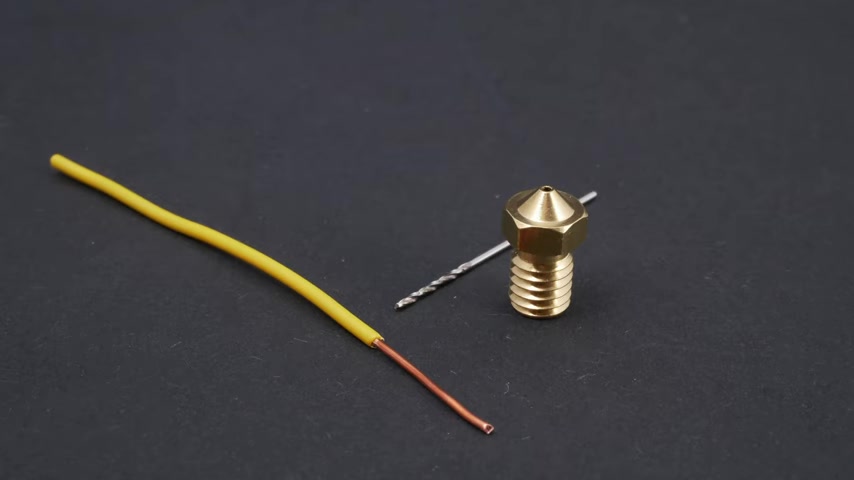
The downside to this design is that it can be extremely difficult to reproduce and is generally protected by patents. Patents like these can cause serious legal issues, so its important to use these DIY solutions with care.
Furthermore, the intricacies of core heating nozzles often necessitate sophisticated manufacturing techniques. Machining the complex internal geometries requires specialized equipment and expertise, making it challenging to produce these nozzles using conventional methods. However, the potential benefits of core heating, including increased flow rates and improved printing quality, make it a worthwhile area of exploration for both commercial manufacturers and DIY enthusiasts.
The Promise of Filament Splitting: The Bondtech CHT Nozzle
One approach that has proven to increase flow is filament splitting. The Bondtech CHT nozzle uses this approach with great effect, and it’s easy to see why.
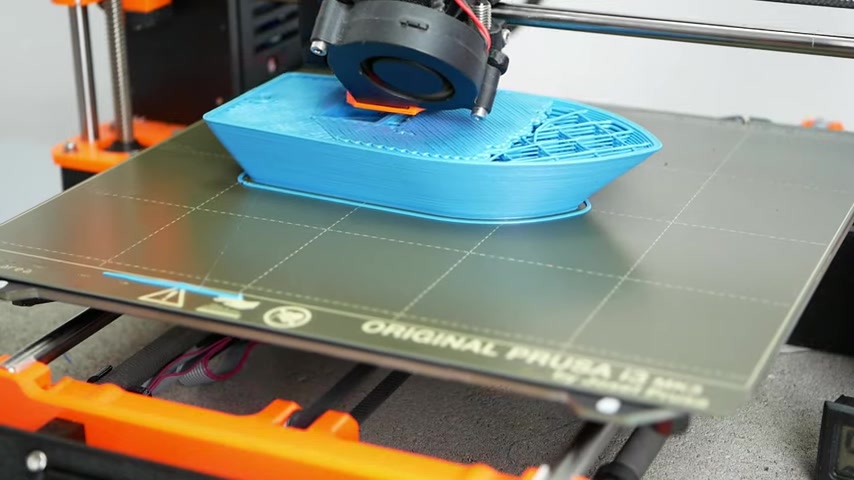
Instead of allowing a large diameter filament to pass through the nozzle, the filament is split into three parts within the nozzle itself. In a way, the overall diameter of the filament passing through the nozzle is approximately one-third its typical size, decreasing the distance from the heating surface to the center of the material, thus melting it more quickly.
Here are the main features:
- Split into three parts
- Lowered melting point requirement for 3D printer
- Enables 3x faster printing than standard nozzles
- Hardened steel, high heat-resistant
The Bondtech CHT nozzle represents a significant advancement in high-flow 3D printing, enabling faster print speeds and improved printing quality. However, its intricate design and specialized manufacturing requirements also make it a relatively expensive option compared to standard nozzles.
Creating a DIY High-Flow Nozzle: The Mesh Nozzle
Materials and Tools
The video demonstrates a creative DIY approach to building a high-flow 3D printer nozzle using readily available materials.
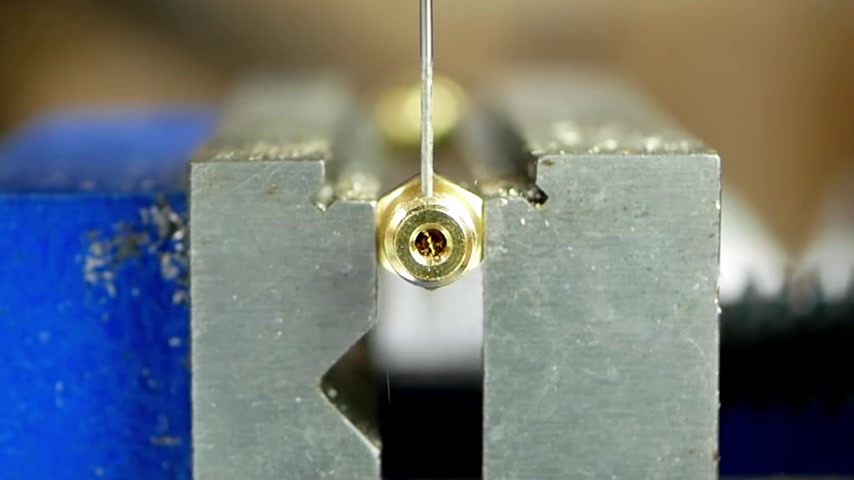
This simple yet effective technique involves incorporating a piece of copper wire into a standard V6 nozzle.
Here's a list of materials and tools required for this project:
- A standard 0.6mm V6 nozzle
- A piece of 0.8mm copper wire
- A 0.8mm drill bit
- An M6 threading die
- A drill press
- A vise
- A soldering iron and lead-free solder (SnCu0.7 solder with a melting point of 227°C is recommended)
- A hot air station (optional, for preheating the nozzle)
- Safety glasses
By carefully following these steps, you can create your own mesh nozzle and experience the benefits of high-flow 3D printing without investing in expensive commercial options. Keep in mind this process uses lead-free soldering to maintain the integrity and safety of the 3d printer.
Step-by-Step Instructions
Here's the DIY process, as described in the video:
- Drilling the Nozzle:
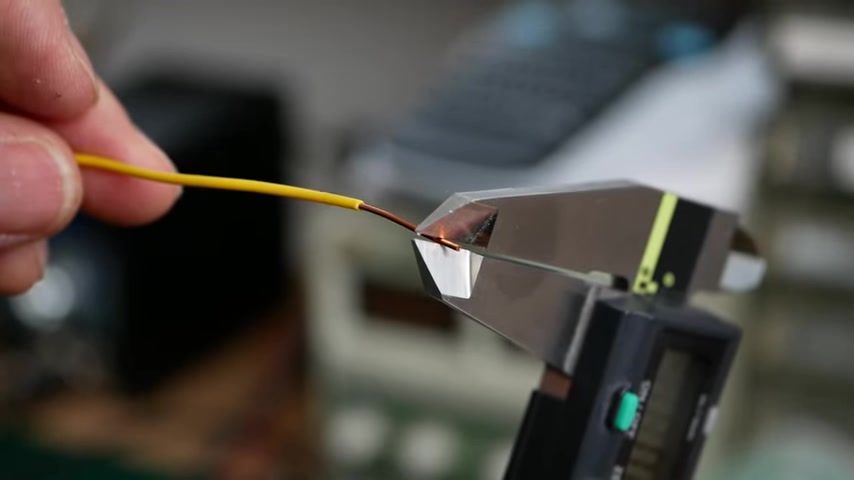
Secure the V6 nozzle in a vise. Using a drill press and a 0.8mm drill bit, carefully drill a hole through the nozzle, approximately 1.5mm from the beginning of the threads. Ensure that the drill bit is perpendicular to the nozzle to create a clean and accurate hole.
- Threading the Wire: Cut a piece of the 0.8mm copper wire slightly longer than the diameter of the nozzle. Carefully thread the wire through the hole, ensuring that it passes completely through. The wire should fit snugly within the hole.
- Soldering the Wire: Preheat the nozzle using a hot air station (optional, but recommended). Using a soldering iron and lead-free solder, carefully solder the wire to the nozzle on both sides of the hole. Ensure that the solder flows smoothly and creates a strong bond between the wire and the nozzle.
- Trimming the Wire: Once the solder has cooled and solidified, use wire cutters to trim the excess wire, leaving only a small portion protruding from each side of the nozzle.
- Recutting the Threads: Use an M6 threading die to recut the threads of the nozzle, ensuring that they are clean and undamaged. This will allow the nozzle to be easily installed in your 3D printer's hot end. This step is easy due to the soldering and copper softening the metal, making it easier to cut new threads.
Important Considerations:
- Safety First: Always wear safety glasses when drilling and soldering to protect your eyes from debris and fumes.
- Proper Soldering: Use lead-free solder with a melting point above typical printing temperatures to prevent the solder from melting during printing. (SnCu0.7 Solder Melting Point: 227°C).
- Thread Integrity: Ensure that the threads of the nozzle are not damaged during the drilling and soldering process. Use a threading die to restore the threads if necessary.
The "Mesh Nozzle": Examining the Design
The DIY nozzle, dubbed the "Mesh Nozzle" by the video creator, effectively incorporates a piece of highly conductive copper wire directly within the filament path. The wire acts as a heat bridge, drawing heat from the nozzle walls and transferring it to the core of the filament. This accelerates the melting process and allows for higher flow rates. This simple modification turns a standard nozzle into a custom high-flow nozzle.

By carefully positioning the wire within the nozzle, the DIY mesh nozzle creates a more efficient melting zone, allowing for faster printing speeds and improved extrusion consistency. It is important to keep in mind that due to the addition of the wire, a significant amount of the available space to melt filament is reduced. With the reduced space, back pressure begins to build until it releases from under extrusion.
Extrusion Test of the DIY high flow Nozzle
Extrusion Performance
A crucial aspect of evaluating any 3D printer nozzle is its ability to extrude filament consistently at various rates. The video uses a classic extrusion test to benchmark the performance of the DIY mesh nozzle against a standard V6 nozzle.

In this test, the extruder is instructed to feed 200mm of filament through the nozzle at different speeds, and the resulting mass of extruded filament is measured. This data reveals the nozzle's ability to maintain consistent extrusion rates under varying demands.
According to these two different benchmarks, you will be able to determine whether the high flow nozzles are effective and worth the price.





Most people like





































Report
Please select a reason for reporting
- 13 Reasons to Switch from Snapchat to Text Messaging
- 7 Powerful Speech to Text Apps to Boost Productivity
- 10 Best Speech to Text Tools for Effortless Transcription
- 13 Free Tools to Easily Transcribe Audio to Text
- 15 Surprising Ways Google's Speech-to-Text Boosts Productivity
- 7 Best Free Online Audio to Text Transcription Tools
- 9 Tips to Transcribe Speech to Text Faster and Better
- 13 Best Speech to Text Software for Windows 10 in 2023
- 7 Tips for Choosing the Best Transcriber for Audio to Text
- 11 Reasons Why Dragon Speech-to-Text Apps are Game-Changers
- 6 Secrets to Enhance Your Speech to Text Transcription
- 6 Brilliant Ways to Boost Productivity with Talk-to-Text on Your MacBook
- 6 Ways Transcription Software Converts Audio to Text
- 8 Tips to Transcribe Speech to Text Like a Pro
- 6 Reasons IBM Watson Speech to Text is a Game-Changer
- 14 Powerful Ways Talk-to-Text Improves Your Workflow
- 12 Top Windows Speech-to-Text Software for Efficient Transcription
- 12 Game-Changing Benefits of Apple's Speech to Text Technology
- 9 Powerful Use Cases for AWS Speech to Text Technology
- 10 Easy Steps to Transcribe YouTube Videos to Text
- transcription audio en texte
- online audio transcription
- free audio file transcription
- free ai audio transcription
- audio transcription service
- audio transcription online free
- audio transcription free online
- audio to transcription software
- audio and transcript
- ai audio transcription free
- voice recording to text converter
- translate voice recording to text
- record voice to text
- audio recording to text converter
- voice recording and transcription
- chatgpt voice to text
- gmail voice to text
- speech to text reader
- speech to text ai free
- speech to talk
- Meshy AI: How to Create 3D Models from Text and Images
- How SEO and Marketing Dashboards Empower Agencies to Drive Results
- How to Use AI Tools to Find Internal Linking Opportunities Across a Business Website
- Discover Your Perfect Haircut with AI Hairstyle Apps
- Free Reputation Calculator Tools: How They're Adapting to Score AI Visibility, Not Just Rankings
- Design Professional Flyers for Free on Your Phone
- Best Free Flyer Maker Apps for Android: Design Like a Pro
- How to Know If Your Business Is Ready for an AI Customer Service Agent
- Revolutionizing Storytelling: From Novels to Screenplays with AI
- Create Engaging Animated Explainer Videos with a Free AI Tool
- Meshy AI: How to Create 3D Models from Text and Images
- ASOMobile Helps Teams Benchmark App Store Screenshots Against Competitors
- How to Match LMS Software With Your Organization's Training Plan
- Revolutionizing Email Marketing Agency with AI
- How to Convert BTC to HNT
- Unleashing the Power of AI: Cognizant's Roadmap for Transformation
- Frame to Video Review: A Practical Look at Turning Two Still Frames Into Motion
- NVIDIA NIM: Revolutionizing Supply Chain Data Analysis with AI
- Top AI Tools That Help Brands Stand Out Offline (Not Just Online)
- Top 5 Cold Email Software: Maximize Your Outreach in 2025

Copyright ©2026 toolify