































Table of Contents
- Key Points
- The Foundation of Oral Hygiene: Toothbrushing Techniques
- Addressing Common Toothbrushing Mistakes
- Step-by-Step Toothbrushing Guide
- Recommended Toothbrushes and Toothpastes
- Weighing the Benefits and Drawbacks
- Additional Oral Hygiene Practices
- Adapting Toothbrushing Techniques to Specific Needs
- Frequently Asked Questions About Toothbrushing
- Related Questions


The Foundation of Oral Hygiene: Toothbrushing Techniques
What is Effective Toothbrushing?
Effective toothbrushing is more than just a quick scrub; it's a targeted approach to removing plaque, bacteria, and food particles from all surfaces of your teeth and gums. It involves using the correct technique, the appropriate tools, and dedicating enough time to ensure thorough cleaning. When performed effectively, toothbrushing helps prevent tooth decay, gum disease, and other oral health problems. This foundation is crucial for maintaining a healthy and vibrant smile.
Understanding what constitutes effective toothbrushing means acknowledging that individual needs may vary. Factors such as tooth alignment, gum health, and any existing dental conditions will influence the specific techniques and tools that are most suitable for you. That's why consulting with your dentist or dental hygienist is essential. They can provide personalized recommendations and guidance tailored to your unique oral health profile. The right technique and tools, combined with a consistent routine, can significantly improve your oral health and overall well-being. Effective toothbrushing is a lifelong skill that pays dividends in a healthier, happier smile.
Key elements of effective toothbrushing include:
- Technique: Using a recommended technique such as the Bass or Stillman method.
- Tools: Selecting an appropriate toothbrush (soft-bristled, correct size) and fluoride toothpaste.
- Time: Brushing for the recommended two minutes, twice daily.
- Coverage: Ensuring all tooth surfaces are cleaned, including hard-to-reach areas.
By focusing on these key elements, you can elevate your toothbrushing routine from a simple chore to a powerful preventive measure against oral health issues.
Understanding Plaque and Its Impact
Plaque is a sticky film of bacteria that constantly forms on your teeth. If not removed regularly through effective toothbrushing, plaque can lead to a host of problems, including:
- Tooth Decay: Plaque produces acids that erode tooth enamel, leading to cavities.
- Gum Disease: Plaque irritates the gums, causing inflammation (gingivitis) and, if left untreated, periodontitis, which can damage the bone and tissues that support your teeth.
- Bad Breath: Bacteria in plaque produce volatile sulfur compounds, contributing to bad breath.
Effective toothbrushing disrupts and removes plaque, preventing these harmful consequences. A thorough understanding of plaque and its impact underscores the importance of consistent and correct toothbrushing techniques.
The Bass Technique: A Gold Standard
The Bass technique, often considered the gold standard in toothbrushing, focuses on cleaning the gumline, where plaque tends to accumulate. This method is highly effective in preventing gingivitis and periodontitis.
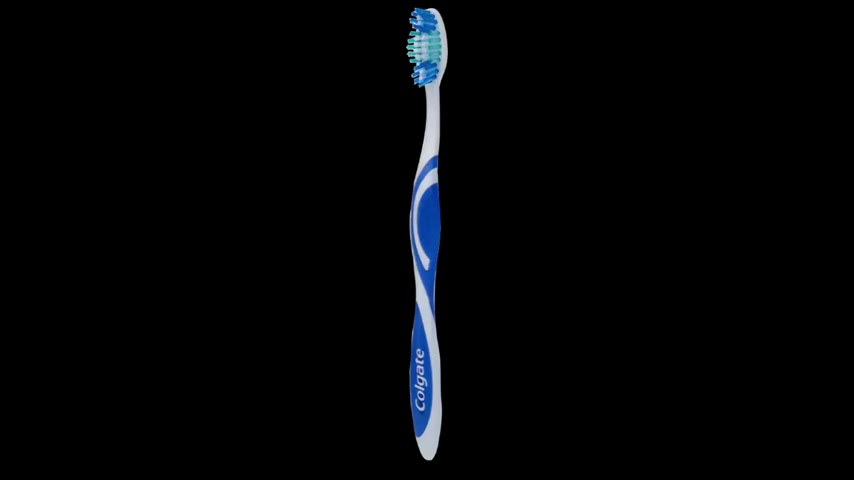
The Bass technique involves:
- Positioning: Hold the toothbrush at a 45-degree angle to the teeth, aiming the bristles toward the gumline.
- Movement: Use short, gentle, vibrating motions to dislodge plaque from the gumline and between the teeth. Avoid scrubbing.
- Duration: Brush each area for about 15-20 seconds before moving to the next section of your mouth.
- Coverage: Ensure all tooth surfaces are cleaned using this technique, including the front, back, and chewing surfaces.
Proper execution of the Bass technique requires patience and precision. Start by applying gentle pressure, focusing on the area where the teeth meet the gums. The vibrating motions help to disrupt the plaque without causing trauma to the gums. Move systematically around your mouth, quadrant by quadrant, to ensure complete coverage. For the inner surfaces of your front teeth, angle the brush vertically and use up-and-down strokes. Remember, consistency is key. By incorporating the Bass technique into your daily routine, you can significantly reduce your risk of gum disease and maintain healthier gums for years to come.
Step-by-Step Guide to the Bass Technique
To ensure you're performing the Bass technique correctly, follow these steps:
- Prepare: Wet your toothbrush and apply a pea-sized amount of fluoride toothpaste.
- Position: Hold the toothbrush at a 45-degree angle to your teeth, with the bristles pointing towards your gumline.
- Engage: Gently press the bristles against the gumline until they slide slightly under the gum tissue.
- Vibrate: Use short, gentle, vibrating motions, moving the brush back and forth without lifting it from the tooth surface.
- Repeat: Brush each area for 15-20 seconds before moving to the next section.
- Coverage: Clean all surfaces of your teeth, including the outer, inner, and chewing surfaces.
- Finish: Spit out the toothpaste and rinse your mouth with water. Avoid eating or drinking for at least 30 minutes.
The Modified Stillman Technique: Gentle Gum Stimulation
The Modified Stillman technique is another effective method that not only cleans teeth but also gently stimulates the gums. This technique is particularly beneficial for individuals with receding gums or sensitive teeth. The Modified Stillman technique differs from the Bass technique primarily in the brush placement and movement:
- Positioning: Place the bristles of the toothbrush partly on the gums and partly on the tooth surface.
- Movement: Use short, gentle, rolling strokes, moving the brush from the gumline towards the chewing surface of the teeth. This helps to massage and stimulate the gums.
- Duration: Brush each area for about 15-20 seconds before moving to the next section of your mouth.
- Coverage: Ensure all tooth surfaces are cleaned using this technique, including the front, back, and chewing surfaces.
The gentle, rolling motion of the Modified Stillman technique helps to improve circulation and strengthen the gums. This is especially helpful for those with gum recession, as it encourages the gums to reattach to the teeth. When performing this technique, be careful not to apply excessive pressure, as this can damage the delicate gum tissue and tooth enamel. Instead, focus on the gentle, massaging motion to achieve optimal results. Regular use of the Modified Stillman technique can promote healthier gums and reduce the risk of further recession.
Practical Tips for Mastering the Modified Stillman Technique
To maximize the benefits of the Modified Stillman technique, consider these practical tips:
- Soft Bristles: Always use a soft-bristled toothbrush to prevent damage to the gums and enamel.
- Light Pressure: Apply light pressure to avoid irritation and trauma to the gum tissue.
- Rolling Motion: Focus on the rolling motion, moving the brush from the gumline towards the chewing surface.
- Systematic Approach: Use a systematic approach, cleaning one section of your mouth at a time to ensure complete coverage.
- Consistent Routine: Incorporate this technique into your daily routine for long-term oral health benefits.
By following these tips and practicing regularly, you can effectively clean your teeth and stimulate your gums, leading to improved oral health and a confident smile.
Comparison of the Bass and Modified Stillman Techniques
To help you decide which technique is right for you, here is a comparison table outlining the key differences between the Bass and Modified Stillman techniques:
| Feature | Bass Technique | Modified Stillman Technique |
|---|---|---|
| Brush Placement | 45-degree angle to the teeth, bristles aimed at the gumline | Partly on the gums, partly on the tooth surface |
| Brush Movement | Short, gentle, vibrating motions | Short, gentle, rolling strokes from gumline to chewing surface |
| Primary Focus | Cleaning the gumline and removing plaque | Stimulating gums and cleaning teeth |
| Best For | Preventing gingivitis and periodontitis | Individuals with receding gums or sensitive teeth |
| Pressure | Gentle pressure | Light pressure |
Beyond Technique: Essential Toothbrushing Tips
While mastering a specific technique is crucial, several other factors contribute to effective toothbrushing. Here are some essential tips to elevate your oral hygiene routine:
-
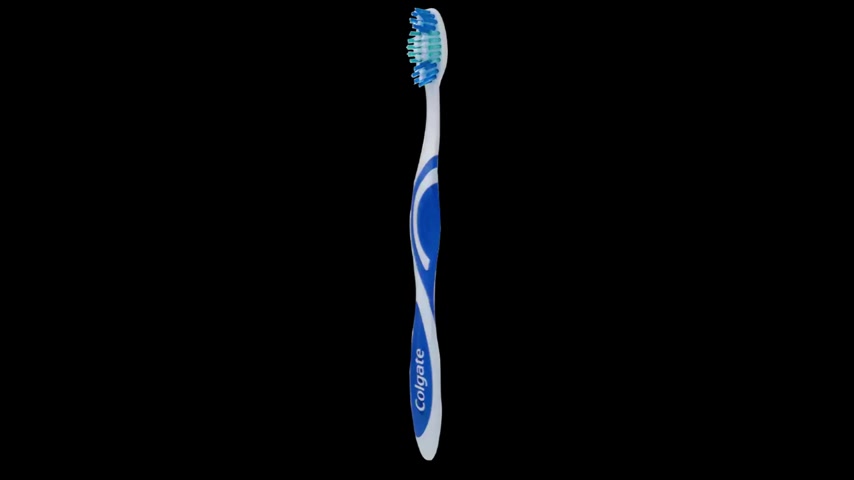
Choose the Right Toothbrush: Opt for a soft-bristled toothbrush that is appropriately sized for your mouth. Soft bristles are gentle on your gums and enamel, reducing the risk of irritation and damage. Replace your toothbrush every three months or sooner if the bristles become frayed.
-
Select Fluoride Toothpaste: Fluoride is a proven cavity fighter that strengthens tooth enamel and helps prevent tooth decay. Choose a toothpaste that contains fluoride and is approved by your dental association.
-
Brush for the Right Duration: Dentists recommend brushing for at least two minutes, twice daily. Use a timer or a dental app to ensure you're brushing for the recommended duration.
-
Clean All Surfaces: Pay attention to all surfaces of your teeth, including the front, back, and chewing surfaces. Don't forget to brush your tongue to remove bacteria and freshen your breath.
-
Use Proper Pressure: Apply gentle pressure while brushing. Excessive pressure can damage your gums and enamel. Let the bristles do the work.
-
Rinse After Brushing: After brushing, rinse your mouth thoroughly with water to remove any remaining toothpaste and debris. Avoid eating or drinking for at least 30 minutes to allow the fluoride to work its magic.
-
Store Your Toothbrush Properly: Store your toothbrush upright in a dry, open-air container to prevent bacteria growth. Avoid storing it in a closed container, as this can create a moist environment conducive to bacteria proliferation.
Addressing Common Toothbrushing Mistakes
Common Mistakes and How to Correct Them
Even with the best intentions, it's easy to fall into common toothbrushing pitfalls. Recognizing and correcting these mistakes is crucial for maximizing the effectiveness of your oral hygiene routine:
- Rushing Through the Process: One of the most common mistakes is rushing through the toothbrushing process. Many people brush for less than the recommended two minutes, resulting in incomplete plaque removal. To correct this, use a timer or a dental app to ensure you're brushing for the full two minutes. Break your mouth into quadrants and dedicate 30 seconds to each area.
- Using Excessive Pressure: Brushing too hard can damage your gums and enamel, leading to sensitivity and recession. Use a soft-bristled toothbrush and apply gentle pressure. Focus on the technique rather than the force.
- Neglecting the Gumline: Plaque tends to accumulate at the gumline, making it a critical area to clean. Ensure you're using a technique that targets the gumline, such as the Bass technique, and angle the bristles appropriately.
- Ignoring Hard-to-Reach Areas: The back teeth and inner surfaces of the front teeth are often neglected. Use interdental brushes or floss to clean these areas, and pay extra attention to them during toothbrushing.
- Not Replacing Your Toothbrush Regularly: Over time, toothbrush bristles become frayed and less effective. Replace your toothbrush every three months or sooner if the bristles are worn. This ensures you're using a clean and effective tool.
- Storing Your Toothbrush Incorrectly: Storing your toothbrush in a closed container or near the toilet can lead to bacteria growth. Store it upright in a dry, open-air container away from potential contaminants.
- Using the Wrong Technique: Using an incorrect technique can result in incomplete plaque removal and potential damage to your gums and enamel. Consult with your dentist or dental hygienist to learn the most appropriate technique for your individual needs.
Overbrushing: Recognizing the Signs and Preventing Damage
Overbrushing, or brushing too aggressively, can cause significant damage to your teeth and gums.
Recognizing the signs of overbrushing and taking steps to prevent it is essential for maintaining long-term oral health.
Signs of Overbrushing:
- Gum Recession: The gums pull away from the teeth, exposing the roots.
- Tooth Sensitivity: Exposed tooth roots become sensitive to hot, cold, and sweet stimuli.
- Enamel Erosion: The outer layer of tooth enamel wears away, making teeth more susceptible to decay.
- Sore or Bleeding Gums: The gums become inflamed and bleed easily during or after toothbrushing.
- Notched Teeth: Small, V-shaped notches form at the gumline.
Preventing Overbrushing:
- Use a Soft-Bristled Toothbrush: Soft bristles are gentle on your gums and enamel, reducing the risk of irritation and damage.
- Apply Light Pressure: Use light pressure while brushing. Let the bristles do the work, and avoid scrubbing.
- Use Proper Technique: Use a technique that is gentle on your gums, such as the Modified Stillman technique.
- Brush for the Right Duration: Brush for the recommended two minutes, twice daily. Avoid overbrushing in an attempt to compensate for infrequent toothbrushing.
- Consult with Your Dentist: Your dentist or dental hygienist can assess your toothbrushing technique and provide personalized recommendations to prevent overbrushing.
By being mindful of these signs and taking preventive measures, you can protect your teeth and gums from the harmful effects of overbrushing.
Adapting Toothbrushing Techniques to Specific Needs
Individuals with Sensitive Teeth
If you have sensitive teeth, use a soft-bristled toothbrush and a toothpaste formulated for sensitive teeth. Apply light pressure while brushing and avoid abrasive techniques that can further irritate your teeth and gums.
Individuals with Braces
Toothbrushing with braces requires extra attention to remove plaque and food particles from around the brackets and wires. Use a toothbrush designed for orthodontic appliances and interdental brushes to clean hard-to-reach areas.
Individuals with Gum Recession
If you have gum recession, use the Modified Stillman technique to gently stimulate the gums and promote reattachment. Avoid aggressive toothbrushing techniques that can further damage your gums.
Individuals with Dental Implants
Toothbrushing around dental implants requires careful attention to prevent peri-implantitis (inflammation around the implant). Use a soft-bristled toothbrush and interdental brushes to clean around the implant abutment.








Most people like





































Report
Please select a reason for reporting
- 13 Reasons to Switch from Snapchat to Text Messaging
- 7 Powerful Speech to Text Apps to Boost Productivity
- 10 Best Speech to Text Tools for Effortless Transcription
- 13 Free Tools to Easily Transcribe Audio to Text
- 15 Surprising Ways Google's Speech-to-Text Boosts Productivity
- 7 Best Free Online Audio to Text Transcription Tools
- 9 Tips to Transcribe Speech to Text Faster and Better
- 13 Best Speech to Text Software for Windows 10 in 2023
- 7 Tips for Choosing the Best Transcriber for Audio to Text
- 11 Reasons Why Dragon Speech-to-Text Apps are Game-Changers
- 6 Secrets to Enhance Your Speech to Text Transcription
- 6 Brilliant Ways to Boost Productivity with Talk-to-Text on Your MacBook
- 6 Ways Transcription Software Converts Audio to Text
- 8 Tips to Transcribe Speech to Text Like a Pro
- 6 Reasons IBM Watson Speech to Text is a Game-Changer
- 14 Powerful Ways Talk-to-Text Improves Your Workflow
- 12 Top Windows Speech-to-Text Software for Efficient Transcription
- 12 Game-Changing Benefits of Apple's Speech to Text Technology
- 9 Powerful Use Cases for AWS Speech to Text Technology
- 10 Easy Steps to Transcribe YouTube Videos to Text
- transcription audio en texte
- online audio transcription
- free audio file transcription
- free ai audio transcription
- audio transcription service
- audio transcription online free
- audio transcription free online
- audio to transcription software
- audio and transcript
- ai audio transcription free
- voice recording to text converter
- translate voice recording to text
- record voice to text
- audio recording to text converter
- voice recording and transcription
- chatgpt voice to text
- gmail voice to text
- speech to text reader
- speech to text ai free
- speech to talk
- How SEO and Marketing Dashboards Empower Agencies to Drive Results
- How to Use AI Tools to Find Internal Linking Opportunities Across a Business Website
- Discover Your Perfect Haircut with AI Hairstyle Apps
- Free Reputation Calculator Tools: How They're Adapting to Score AI Visibility, Not Just Rankings
- Design Professional Flyers for Free on Your Phone
- Best Free Flyer Maker Apps for Android: Design Like a Pro
- How to Know If Your Business Is Ready for an AI Customer Service Agent
- Revolutionizing Storytelling: From Novels to Screenplays with AI
- Create Engaging Animated Explainer Videos with a Free AI Tool
- Stop Multi-Subscribing: Benchmark Top AI Visual Models in One Canvas
- My Brand New Logo: AI-Powered Logo Design for Startups
- Create Stunning Logos with Free AI Logo Generator!
- AI Logo Maker: Design a Stunning Logo in Minutes
- Elevate Your Zoom Experience with Enhanced Name Tags by Warmly
- Top 5 AI Logo Makers in 2025: Design a Stunning Brand
- Creative Fabrica's AI Tools: Flow, Studio, and Font Generator
- Create Stunning Logos with Canva's Free AI Logo Generator
- Create Professional and Memorable Logos with LogoMaker.ai
- Design Your Own Font: A Step-by-Step Guide with Vectornator Pro
- AI Font Generator: Revolutionizing Typeface Design with AI

Copyright ©2026 toolify