































Table of Contents
- Key Points
- A Visual Journey Through National Flags: Decoding the Symbols
- Flag Color Symbolism: A Deeper Dive
- Frequently Asked Questions About National Flags
- Related Questions: Exploring the Broader World of Flags and Symbols


A Visual Journey Through National Flags: Decoding the Symbols
Flags A to B: From Abkhazia to Burundi
The journey begins with Abkhazia, its flag featuring a striking combination of stripes and a canton loaded with symbolism. The open white hand signifies the Abkhaz nation, while the seven stars represent the seven regions of Abkhazia. The white stripes contrast beautifully with the vibrant green, creating a flag that embodies both peace and strength.
Moving onward, the flag of Afghanistan immediately captures attention with its bold black, red, and green tricolor. The national emblem centered on the red stripe reflects the nation's rich history and Islamic heritage.
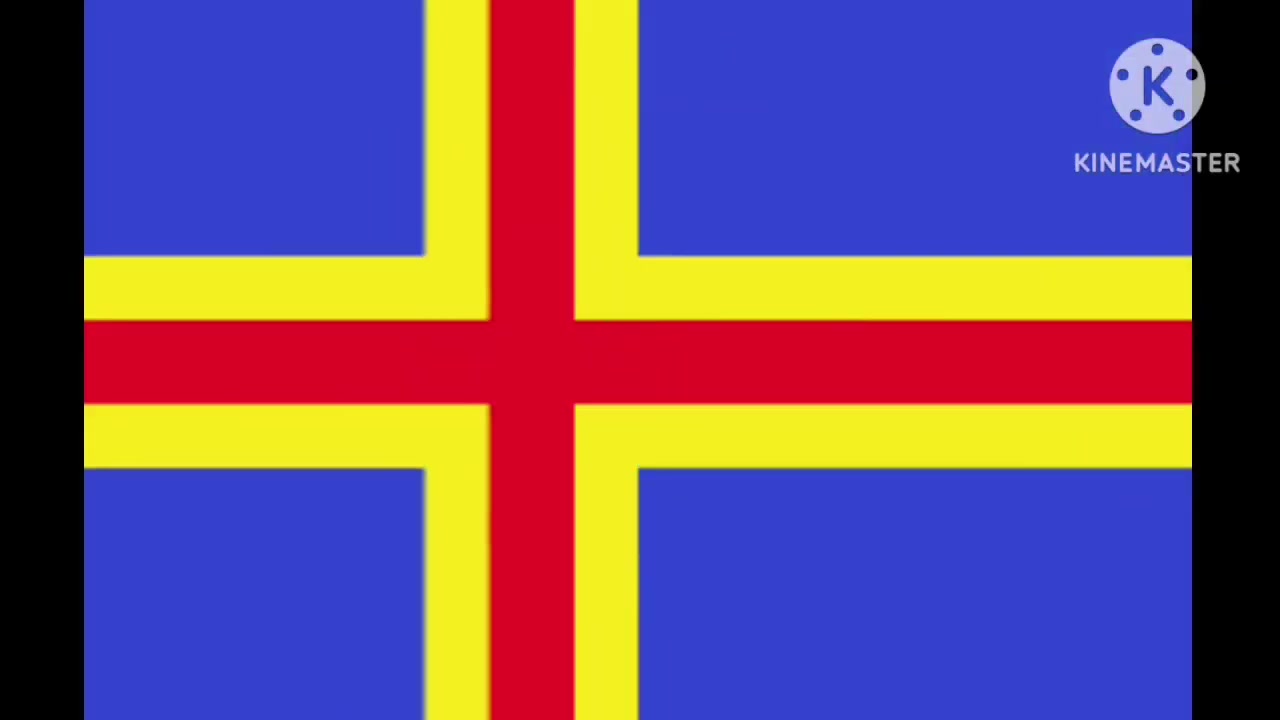
Åland's flag, a blue field defaced with a Nordic cross of yellow and red, presents a unique regional identity within Finland. The colors represent Åland's historical ties to Sweden.
Albania's flag, a striking red banner with a black double-headed eagle, powerfully evokes the nation's history and sovereignty. The eagle, a symbol of strength and independence, stands out against the bold red background.
Algeria’s flag, split vertically into green and white, features a red star and crescent, symbols deeply tied to Islam. The flag embodies the nation’s faith, peace, and hope for the future.
American Samoa’s flag, a blue field with the American bald eagle clutching traditional Samoan war club and fly-whisk, illustrates the territory's connection to the United States and its indigenous heritage.
Andorra’s flag displays vertical bars of blue, yellow, and red, a combination inspired by France and Spain. The coat of arms in the center symbolizes Andorra’s independence and unique identity in the Pyrenees.
Angola’s flag, divided horizontally into red and black, with a yellow emblem of a gear, machete, and star, symbolizes the country’s socialist ideals and the workers and peasants who drive the nation forward.
Anguilla’s flag, a defaced British ensign, features a shield with three dolphins, representing friendship, wisdom, and strength. The dolphins symbolize Anguilla's connection to the sea and its people's resilience.
Antarctica's flag, with its representation of the continent on a blue background, is a symbol of international cooperation and scientific research in this remote and important region.
Antigua and Barbuda’s flag, with its black field, rising sun, and triangles of blue and white, symbolizes hope and the Caribbean Sea. The sun signifies the dawn of a new era for the islands.
Argentina’s flag, a celestial beauty with its light blue and white horizontal stripes and the golden Sun of May, represents the May Revolution and the nation’s independence. The sun symbolizes freedom and hope.
Armenia's tricolor of red, blue, and orange represents the Armenian Highland, the nation's history, and courage. The colors reflect the nation’s cultural heritage and resilience.
Aruba’s flag, a light blue field with two narrow horizontal yellow stripes and a red star, represents the sky, sun, prosperity, and the island’s unique identity in the Caribbean.
Australia’s flag, a defaced British Blue Ensign, features the Union Jack, the Commonwealth Star, and the Southern Cross constellation. It symbolizes Australia’s historical ties to the United Kingdom and its location in the Southern Hemisphere.
Austria’s flag, one of the oldest in the world, uses simple red and white horizontal stripes, symbolizing bravery and purity. Its straightforward design has made it a timeless emblem of Austrian identity.
Azerbaijan’s flag, with its blue, red, and green horizontal stripes and a white crescent and star, reflects the Turkic heritage, progress, and Islamic faith of the nation.
The Bahamas’ flag, with its aquamarine, gold, and black stripes and a black triangle, represents the sea, sun, and the strength and determination of the Bahamian people.
Bahrain’s flag, a red field with a white serrated band, features five white triangles, representing the five pillars of Islam. The flag embodies the nation’s faith and heritage.
Bangladesh’s flag, a green field with a red disc, symbolizes the nation’s lush landscape and the blood shed for its independence.
Barbados' flag, with its ultramarine and gold bands and a black trident-head, symbolizes the sea, sand, and the breaking away from colonial rule. The trident represents independence and the island’s maritime heritage.
Belarus’ flag, with its red and green horizontal bands and a white and red ornamental pattern, reflects the country's cultural heritage and its connection to its land.
Belgium’s flag, a vertical tricolor of black, yellow, and red, is a symbol of national unity and the colors of the Duchy of Brabant.
Belize’s flag, a blue field with red stripes and a central coat of arms depicting loggers, tools, and a mahogany tree, represents the nation’s forestry industry and its people.
Benin’s flag, with its green, yellow, and red rectangles, symbolizes hope, prosperity, and courage.
Bermuda’s flag, a defaced British Red Ensign, features the Union Jack and the Coat of Arms of Bermuda. It represents Bermuda's historical ties to the United Kingdom.
Bhutan’s flag, with its orange and yellow field and a white dragon, symbolizes the nation’s spiritual and temporal power. The dragon represents Druk, the Thunder Dragon.
Bolivia’s flag, a tricolor of red, yellow, and green, symbolizes the bravery, mineral wealth, and fertile lands of the country.
Bosnia and Herzegovina’s flag, a blue field with yellow stars and a white triangle, represents Europe, the golden people, and peace. The stars symbolize European identity.
Botswana’s flag, with its light blue field, black stripe, and white edges, represents water, racial harmony, and hope for the future.
Brazil’s flag, a green field with a yellow rhombus and a blue disc containing stars and a curved band, symbolizes the Amazon rainforest, mineral wealth, and the nation’s states. “Ordem e Progresso” (Order and Progress) is inscribed on the band.
British Indian Ocean Territory’s flag, a defaced British Blue Ensign, features the Union Jack and a palm tree with a crown. It represents the territory’s ties to the United Kingdom and its tropical environment.
British Virgin Islands’ flag, a defaced British Blue Ensign, features the Union Jack and the Coat of Arms of the Virgin Islands. It symbolizes the territory’s historical ties to the United Kingdom.
Brunei’s flag, with its yellow field, black and white diagonal stripes, and a red crest, represents the sultanate's royalty and its peace and prosperity.
Bulgaria’s flag, a horizontal tricolor of white, green, and red, symbolizes peace, fertility, and bravery.
Burkina Faso’s flag, a horizontal bicolored flag of red and green with a yellow star, symbolizes revolution, agricultural wealth, and hope for the future.
Burundi’s flag, a white saltire dividing a red panel into two green, with three red stars, symbolizes national unity, peace, and progress.








Most people like

































Report
Please select a reason for reporting
- 13 Reasons to Switch from Snapchat to Text Messaging
- 7 Powerful Speech to Text Apps to Boost Productivity
- 10 Best Speech to Text Tools for Effortless Transcription
- 13 Free Tools to Easily Transcribe Audio to Text
- 15 Surprising Ways Google's Speech-to-Text Boosts Productivity
- 7 Best Free Online Audio to Text Transcription Tools
- 9 Tips to Transcribe Speech to Text Faster and Better
- 13 Best Speech to Text Software for Windows 10 in 2023
- 7 Tips for Choosing the Best Transcriber for Audio to Text
- 11 Reasons Why Dragon Speech-to-Text Apps are Game-Changers
- 6 Secrets to Enhance Your Speech to Text Transcription
- 6 Brilliant Ways to Boost Productivity with Talk-to-Text on Your MacBook
- 6 Ways Transcription Software Converts Audio to Text
- 8 Tips to Transcribe Speech to Text Like a Pro
- 6 Reasons IBM Watson Speech to Text is a Game-Changer
- 14 Powerful Ways Talk-to-Text Improves Your Workflow
- 12 Top Windows Speech-to-Text Software for Efficient Transcription
- 12 Game-Changing Benefits of Apple's Speech to Text Technology
- 9 Powerful Use Cases for AWS Speech to Text Technology
- 10 Easy Steps to Transcribe YouTube Videos to Text
- transcription audio en texte
- online audio transcription
- free audio file transcription
- free ai audio transcription
- audio transcription service
- audio transcription online free
- audio transcription free online
- audio to transcription software
- audio and transcript
- ai audio transcription free
- voice recording to text converter
- translate voice recording to text
- record voice to text
- audio recording to text converter
- voice recording and transcription
- chatgpt voice to text
- gmail voice to text
- speech to text reader
- speech to text ai free
- speech to talk
- How SEO and Marketing Dashboards Empower Agencies to Drive Results
- How to Use AI Tools to Find Internal Linking Opportunities Across a Business Website
- Discover Your Perfect Haircut with AI Hairstyle Apps
- Free Reputation Calculator Tools: How They're Adapting to Score AI Visibility, Not Just Rankings
- Design Professional Flyers for Free on Your Phone
- Best Free Flyer Maker Apps for Android: Design Like a Pro
- How to Know If Your Business Is Ready for an AI Customer Service Agent
- Revolutionizing Storytelling: From Novels to Screenplays with AI
- Create Engaging Animated Explainer Videos with a Free AI Tool
- Stop Multi-Subscribing: Benchmark Top AI Visual Models in One Canvas
- ASOMobile Helps Teams Benchmark App Store Screenshots Against Competitors
- How to Match LMS Software With Your Organization's Training Plan
- Revolutionizing Email Marketing Agency with AI
- How to Convert BTC to HNT
- Unleashing the Power of AI: Cognizant's Roadmap for Transformation
- Frame to Video Review: A Practical Look at Turning Two Still Frames Into Motion
- NVIDIA NIM: Revolutionizing Supply Chain Data Analysis with AI
- Top AI Tools That Help Brands Stand Out Offline (Not Just Online)
- Top 5 Cold Email Software: Maximize Your Outreach in 2025
- Magic School AI: Revolutionizing Quiz & Assessment Generation

Copyright ©2026 toolify