































Table of Contents
- Key Points
- The String Instrument Family
- How to get Started with String Instruments
- Frequently Asked Questions
- Related Questions


The String Instrument Family
What are String Instruments?
String instruments are a diverse group of musical instruments that create sound through the vibration of strings. These strings can be made of various materials, including steel, nylon, or gut, and are typically stretched between two points on the instrument. The vibration is usually initiated by plucking, strumming, bowing, or striking the strings. The unique characteristics of each string instrument, such as the material of the strings, the length of the strings, and the body of the instrument, contribute to its distinctive tonal quality. The sound produced by a string instrument depends on several factors, including the length, thickness, tension, and material of the strings. Each string vibrates at a specific frequency, which corresponds to a particular musical note. By manipulating these factors, musicians can produce a wide range of pitches and timbres. String instruments come in various shapes and sizes, each with its own playing technique and musical application. From the gentle strumming of a ukulele to the powerful bowing of a cello, string instruments offer a vast palette of sonic possibilities. This variety makes them fundamental in many musical genres across the world.
Exploring the Guitar: A Six-Stringed Wonder
The guitar, perhaps one of the most recognizable string instruments, typically features six strings. Guitars are widely used in various musical genres, including classical, flamenco, rock, and pop. The guitar's versatility stems from its ability to produce a wide range of tones and its relative ease of portability compared to some other string instruments. Flamenco Music heavily features the guitar, using its vibrant sound to drive the dance and song.

The guitar's construction involves a wooden body, a neck, and a headstock. The strings are anchored at the bridge on the body and extend along the neck to the tuning pegs on the headstock. The neck has frets, which are metal strips that divide the neck into specific pitches. The musician presses the strings against the frets to shorten the vibrating length of the string, thereby changing the pitch. In the realm of guitars, both acoustic and electric varieties exist. Acoustic guitars rely on the hollow body of the instrument to amplify the sound of the vibrating strings, while electric guitars use pickups to convert the string vibrations into electrical signals, which are then amplified through an external amplifier. The electric guitar has revolutionized popular music, enabling musicians to achieve unprecedented levels of volume and distortion. Its distinctive sound is a cornerstone of rock and blues genres. The guitar provides a foundation for both rhythmic and melodic exploration, making it a favorite for solo artists and band settings. Whether you are strumming chords, fingerpicking melodies, or shredding solos, the guitar opens doors to limitless musical expression.
The Electric Guitar: Amplifying Rock Music
The electric guitar is a vital string instrument, especially in rock music, providing powerful amplified tones.

Unlike acoustic guitars that rely on the hollow body for sound amplification, the electric guitar uses pickups to convert the string vibrations into electrical signals. These signals are then sent to an amplifier to produce sound, allowing for much higher volumes and diverse tonal effects. The electric guitar’s design typically includes a solid body, a neck with frets, and pickups that are strategically placed to capture the strings' vibrations. The controls on the guitar allow the player to adjust volume, tone, and pickup selection, which greatly influences the instrument’s sound. Electric guitars are a staple in rock, blues, metal, and pop music due to their ability to achieve a wide range of sounds, from clean and clear to heavily distorted. The use of effects pedals further enhances the electric guitar’s tonal capabilities, including effects like overdrive, distortion, delay, and reverb. These effects shape the sound in countless ways, making the electric guitar a highly expressive instrument. Iconic guitarists such as Jimi Hendrix, Eric Clapton, and Jimmy Page have all used the electric guitar to create some of the most influential and recognizable music in history. Its versatility and powerful sound make it indispensable for many musicians.
The Violin: A Four-Stringed Melody Maker
The violin is a small, four-stringed instrument played by placing it under the chin and using a bow to vibrate the strings.

It’s a central part of classical music and is known for its sweet, expressive tone. The violin's construction includes a spruce top, maple back and sides, and an ebony fingerboard. The bow, typically made of horsehair, is drawn across the strings to produce a continuous sound. Skilled violinists can create a wide range of tones and dynamics, making it a highly expressive instrument. The violin's rich and nuanced sound is frequently heard in orchestras, chamber ensembles, and solo performances. It plays a key role in classical compositions, providing both melodic lines and harmonic support. The violin is also used in folk music, jazz, and even some contemporary pop music. Its ability to convey a wide range of emotions makes it a favorite among musicians and listeners alike. Practicing the violin requires years of dedication and training, but its enchanting sounds make it a rewarding instrument to master. Whether you’re listening to a solo performance or an orchestral piece, the violin’s unique tone stands out.
The Cello: A Rich, Resonant Voice
The cello, belonging to the violin family, is a larger instrument with a deep, resonant tone.
Played while seated, the cellist holds the instrument between their knees and uses a bow to vibrate the strings, creating a rich and expressive sound. Cellos are similar to violins, but their larger size allows them to produce much lower frequencies. The cello's construction includes a spruce top, maple back and sides, and an ebony fingerboard, much like the violin. The bow, also made of horsehair, is drawn across the strings to create a sustained, expressive sound. The cello is a staple in orchestras, chamber music ensembles, and solo performances. Its deep, warm sound adds depth and richness to the musical texture. The instrument also has a retractable endpin that rests on the floor for stable playing, as well. In solo settings, the cello can evoke a range of emotions, from somber and introspective to passionate and vibrant. Its ability to project both melodic and harmonic lines makes it a versatile instrument for both classical and contemporary music. The cello's unique tonal quality makes it an essential part of the string section and a favorite for solo performances.
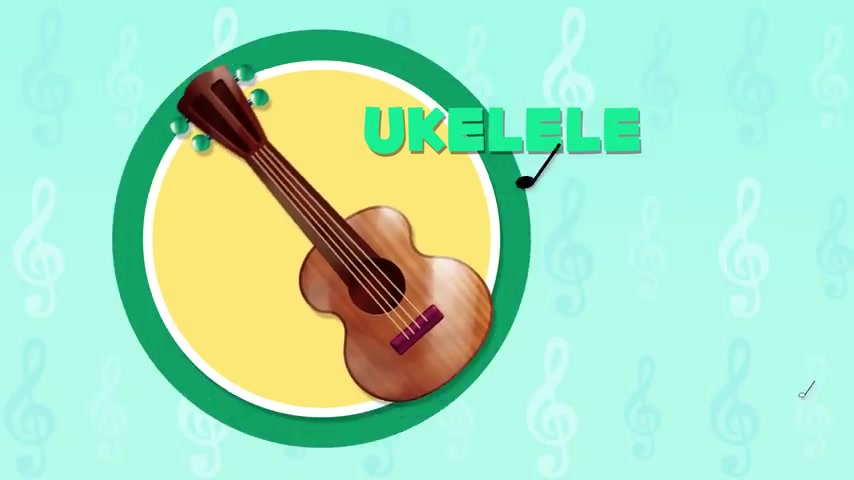
The Ukulele: A Small Guitar with a Big Sound
The ukulele, a small four-stringed instrument, has its roots in Hawaii.

Often called a small guitar, the ukulele is known for its bright, cheerful tone and is widely used in Hawaiian music. Its portability and ease of play have made it a popular choice for both beginners and experienced musicians. The ukulele’s construction typically includes a wooden body, a neck, and a headstock. The strings, usually made of nylon, are plucked or strummed to produce a sound. The musician presses the strings against the frets on the neck to change the pitch. Ukuleles come in various sizes, including soprano, concert, tenor, and baritone, each with its own distinctive tonal characteristics. Its cheerful and upbeat sound is frequently heard in Hawaiian songs and beach-themed music. The ukulele's small size makes it easy to transport and play in various settings. Whether you’re strumming chords around a campfire or performing on stage, the ukulele is a fun and accessible instrument that brings a touch of Hawaiian sunshine to any musical setting.
The Harp: A Multi-Stringed Symphony
The harp is a large, elegant instrument with a multitude of strings. Ranging up to 39 strings, harps produce sound when the strings are plucked by the musician’s fingers. Its unique design and delicate tones make it a captivating instrument. The harp’s construction includes a soundbox, a neck, and a pillar. The strings, usually made of gut or nylon, are stretched between the soundbox and the neck. The musician plucks the strings with their fingers, producing a rich and resonant sound. The pedals at the base of the harp allow the musician to change the pitch of the strings, enabling them to play in different keys. Harps are commonly used in orchestral settings, solo performances, and chamber ensembles. Its delicate and ethereal sound adds a touch of magic to any musical composition. The harp is also a symbol of elegance and grace, frequently associated with angels and celestial beings. Whether you’re listening to classical pieces or contemporary music, the harp's unique tonal quality stands out.
The Piano: An Exception to the Rule
The piano is considered an exception among string instruments. It is a keyboard instrument in which hammers strike strings inside to produce sound. This unique mechanism sets it apart from other string instruments, where strings are typically plucked or bowed. The piano's construction includes a keyboard, hammers, strings, and a soundboard. When a key is pressed, a hammer strikes the corresponding string, causing it to vibrate and produce a sound. The soundboard amplifies the sound, making it audible. Pianos come in various sizes, including grand pianos and upright pianos, each with its own distinctive tonal characteristics. Pianos are used in a wide range of musical genres, including classical, jazz, pop, and rock. Its ability to play both melodic and harmonic lines makes it a versatile instrument for solo performances, ensemble playing, and accompaniment. The piano's expressive capabilities allow musicians to convey a wide range of emotions, from delicate and lyrical to powerful and dramatic. Whether you’re listening to a solo recital or a symphony orchestra, the piano’s unique sound is unmistakable. Its presence in music history and continued popularity make it one of the most important instruments in the world. The versatility of the piano has also led to the creation of digital pianos which make the instrument accessible for people in smaller spaces as well as the convenience of silent playing.








Most people like





































Report
Please select a reason for reporting
- 13 Reasons to Switch from Snapchat to Text Messaging
- 7 Powerful Speech to Text Apps to Boost Productivity
- 10 Best Speech to Text Tools for Effortless Transcription
- 13 Free Tools to Easily Transcribe Audio to Text
- 15 Surprising Ways Google's Speech-to-Text Boosts Productivity
- 7 Best Free Online Audio to Text Transcription Tools
- 9 Tips to Transcribe Speech to Text Faster and Better
- 13 Best Speech to Text Software for Windows 10 in 2023
- 7 Tips for Choosing the Best Transcriber for Audio to Text
- 11 Reasons Why Dragon Speech-to-Text Apps are Game-Changers
- 6 Secrets to Enhance Your Speech to Text Transcription
- 6 Brilliant Ways to Boost Productivity with Talk-to-Text on Your MacBook
- 6 Ways Transcription Software Converts Audio to Text
- 8 Tips to Transcribe Speech to Text Like a Pro
- 6 Reasons IBM Watson Speech to Text is a Game-Changer
- 14 Powerful Ways Talk-to-Text Improves Your Workflow
- 12 Top Windows Speech-to-Text Software for Efficient Transcription
- 12 Game-Changing Benefits of Apple's Speech to Text Technology
- 9 Powerful Use Cases for AWS Speech to Text Technology
- 10 Easy Steps to Transcribe YouTube Videos to Text
- transcription audio en texte
- online audio transcription
- free audio file transcription
- free ai audio transcription
- audio transcription service
- audio transcription online free
- audio transcription free online
- audio to transcription software
- audio and transcript
- ai audio transcription free
- voice recording to text converter
- translate voice recording to text
- record voice to text
- audio recording to text converter
- voice recording and transcription
- chatgpt voice to text
- gmail voice to text
- speech to text reader
- speech to text ai free
- speech to talk
- How SEO and Marketing Dashboards Empower Agencies to Drive Results
- How to Use AI Tools to Find Internal Linking Opportunities Across a Business Website
- Discover Your Perfect Haircut with AI Hairstyle Apps
- Free Reputation Calculator Tools: How They're Adapting to Score AI Visibility, Not Just Rankings
- Design Professional Flyers for Free on Your Phone
- Best Free Flyer Maker Apps for Android: Design Like a Pro
- How to Know If Your Business Is Ready for an AI Customer Service Agent
- Revolutionizing Storytelling: From Novels to Screenplays with AI
- Create Engaging Animated Explainer Videos with a Free AI Tool
- Stop Multi-Subscribing: Benchmark Top AI Visual Models in One Canvas
- My Brand New Logo: AI-Powered Logo Design for Startups
- Create Stunning Logos with Free AI Logo Generator!
- AI Logo Maker: Design a Stunning Logo in Minutes
- Elevate Your Zoom Experience with Enhanced Name Tags by Warmly
- Top 5 AI Logo Makers in 2025: Design a Stunning Brand
- Creative Fabrica's AI Tools: Flow, Studio, and Font Generator
- Create Stunning Logos with Canva's Free AI Logo Generator
- Create Professional and Memorable Logos with LogoMaker.ai
- Design Your Own Font: A Step-by-Step Guide with Vectornator Pro
- AI Font Generator: Revolutionizing Typeface Design with AI

Copyright ©2026 toolify