































Table of Contents
- Key Points
- Understanding the Intel Xeon E3-1275 v2
- Alternatives to the Intel Xeon E3-1275 v2
- Pros and Cons of the Intel Xeon E3-1275 v2
- Key Features of the Intel Xeon E3-1275 v2 Processor
- Typical Use Cases for the Intel Xeon E3-1275 v2
- Frequently Asked Questions (FAQ)
- Related Questions


Understanding the Intel Xeon E3-1275 v2
What is the Intel Xeon E3-1275 v2?
The Intel Xeon E3-1275 v2
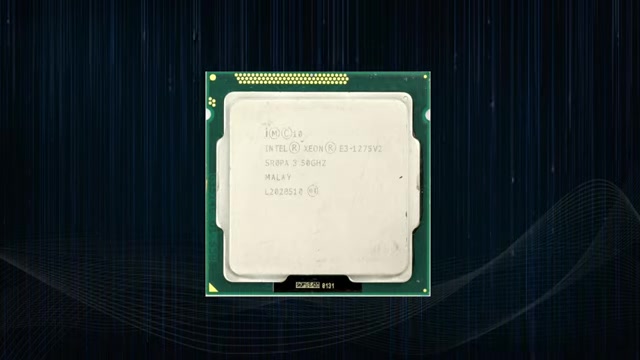
is a server-grade processor aimed at providing reliable performance for data centers, workstations, and cloud computing environments. It's part of Intel's Xeon E3 family, which focuses on delivering a balance between processing power and energy efficiency. This makes it ideal for scenarios where both performance and operational costs are critical considerations.
Released in 2013, the Xeon E3-1275 v2 is based on the Ivy Bridge microarchitecture, a 22nm process technology that delivers improvements in both speed and power consumption compared to its predecessors. It's designed to handle demanding workloads such as server virtualization, content creation, and scientific computing.
This processor offers a cost-effective solution for businesses needing robust performance without incurring high energy bills or extensive cooling infrastructure costs. Its quad-core design enables efficient parallel processing, making it suitable for multi-threaded applications. Overall, the Intel Xeon E3-1275 v2 stands as a versatile processor offering a strong mix of performance, efficiency, and security features for a variety of professional computing needs. The Intel Xeon is built for enterprise environments and offers enhanced reliability compared to standard desktop processors.
Ivy Bridge Microarchitecture
The Ivy Bridge microarchitecture represents a significant step forward in processor technology
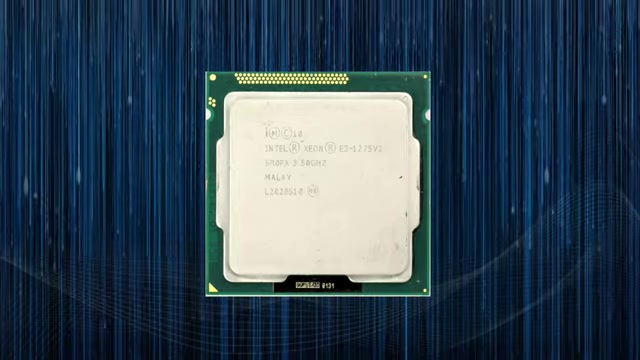
. Built on a 22nm manufacturing process, it's a die shrink of the previous Sandy Bridge architecture, but with notable improvements. The use of Tri-Gate transistors allowed for increased transistor density and improved energy efficiency. The improved architecture provides better performance per watt compared to its predecessors.
Key features of the Ivy Bridge microarchitecture include:
- Enhanced Integrated Graphics: Substantially improved integrated graphics performance compared to Sandy Bridge, offering better capabilities for visual workloads.
- Improved Memory Controller: Enhanced memory controller for faster and more efficient data access, boosting overall system responsiveness.
- PCI Express 3.0 Support: Integration of PCI Express 3.0, doubling the bandwidth compared to PCIe 2.0, ideal for high-performance GPUs and other peripherals.
- Power Efficiency: Lower power consumption due to the 22nm process and Tri-Gate transistors, making it suitable for energy-conscious deployments.
The Ivy Bridge microarchitecture provides a foundation of better performance, integrated features, and reduced power consumption. These enhancements contribute to the Intel Xeon E3-1275 v2's capabilities, making it a solid choice for a range of computing tasks. The advances in graphics are particularly helpful for workstation environments that benefit from some GPU acceleration.
Key Features of the Intel Xeon E3-1275 v2 Processor
Quad-Core Design
The Intel Xeon E3-1275 v2 is equipped with a quad-core design, enabling it to handle multiple tasks concurrently and efficiently. This design is crucial for parallel processing, allowing the processor to divide and conquer complex tasks, leading to faster completion times. This feature is particularly beneficial in server environments where multiple users or applications are running simultaneously, requiring the processor to manage numerous threads effectively.
For applications optimized for multi-threading, the quad-core design translates to a noticeable performance boost, making it ideal for tasks such as video encoding, data analysis, and virtual machine hosting.
Base and Turbo Clock Speeds
The Xeon E3-1275 v2 operates with a base clock speed of 3.5 GHz, providing a solid foundation for everyday computing tasks. However, its capability to reach a maximum turbo frequency of 3.9 GHz is what truly sets it apart. Intel's Turbo Boost Technology allows individual cores to temporarily run faster than the base clock speed when needed, delivering a burst of performance for demanding applications.
This dynamic frequency adjustment ensures that the processor can handle both sustained workloads and sudden spikes in demand with ease, providing a responsive user experience.
L3 Cache
The inclusion of 8 MB of L3 cache acts as a high-speed buffer for frequently accessed data.
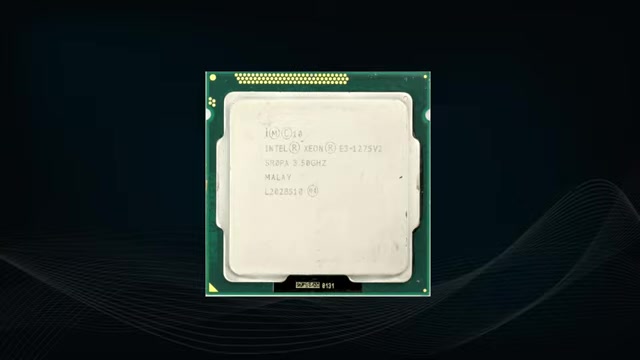
This cache memory significantly reduces the amount of time the processor spends waiting for data from slower memory sources. By storing frequently used data closer to the processor cores, the L3 cache minimizes latency, leading to faster application loading times and improved overall system responsiveness.
The larger the cache, the more data can be stored and accessed quickly, resulting in smoother multitasking and enhanced performance in data-intensive tasks.
Memory Support
The Intel Xeon E3-1275 v2 supports up to 32 GB of DDR3 memory, providing ample space for running multiple applications and managing large datasets. With a maximum memory bandwidth of 25.6 GB/s, it can efficiently transfer data between the processor and memory modules.
Sufficient memory capacity is critical for preventing bottlenecks and ensuring smooth performance in demanding server and workstation environments. The high memory bandwidth further accelerates data transfer, improving application responsiveness and overall system efficiency.
Intel Virtualization Technology (VT-x)
Intel Virtualization Technology (VT-x) enables multiple virtual machines to run on a single physical server
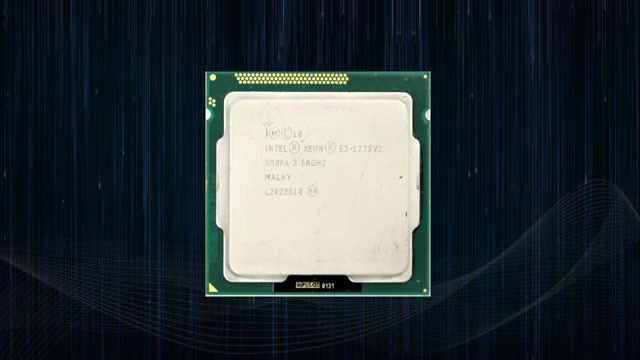
. This technology enhances hardware resource utilization, improves manageability, and reduces overall costs. By allowing multiple operating systems and applications to run in isolated environments, VT-x enhances security and simplifies deployment of new services.
Virtualization is a key component in modern data centers and cloud computing environments, and VT-x provides the necessary hardware support to optimize performance and efficiency.
Intel Trusted Execution Technology (TXT)
Intel Trusted Execution Technology (TXT) offers hardware-based security features to protect virtual machines and cloud environments
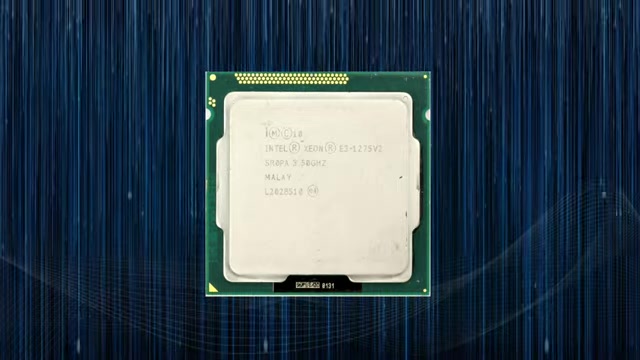
. TXT ensures that only trusted software and operating systems are allowed to run, preventing unauthorized access and protecting sensitive data.
This security feature is crucial in multi-tenant cloud environments where multiple users share the same physical server. TXT provides an extra layer of protection, ensuring the integrity and confidentiality of data even in potentially hostile environments.
Intel Advanced Vector Extensions (AVX)
Intel Advanced Vector Extensions (AVX) is a set of instructions designed to accelerate floating-point intensive applications . AVX improves performance in tasks such as scientific simulations, financial modeling, and media processing by enabling the processor to perform more calculations per clock cycle.
AVX is particularly beneficial in applications that rely heavily on floating-point operations, providing a significant performance boost and reducing processing times.
Power Efficiency (TDP)
With a Thermal Design Power (TDP) of just 77 watts, the Intel Xeon E3-1275 v2 is designed to be power efficient. This means it generates less heat, reducing the cooling requirements and enabling more compact server configurations
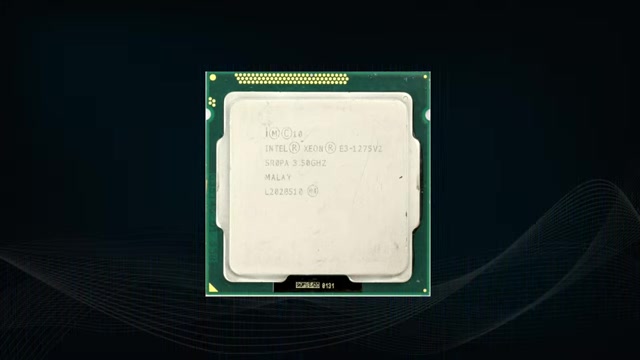
. This power efficiency translates into lower operational costs and a reduced environmental footprint.
In data centers where energy consumption is a major concern, the low TDP of the Xeon E3-1275 v2 makes it an attractive option for balancing performance and energy efficiency.





Most people like


































Report
Please select a reason for reporting
- 13 Reasons to Switch from Snapchat to Text Messaging
- 7 Powerful Speech to Text Apps to Boost Productivity
- 10 Best Speech to Text Tools for Effortless Transcription
- 13 Free Tools to Easily Transcribe Audio to Text
- 15 Surprising Ways Google's Speech-to-Text Boosts Productivity
- 7 Best Free Online Audio to Text Transcription Tools
- 9 Tips to Transcribe Speech to Text Faster and Better
- 13 Best Speech to Text Software for Windows 10 in 2023
- 7 Tips for Choosing the Best Transcriber for Audio to Text
- 11 Reasons Why Dragon Speech-to-Text Apps are Game-Changers
- 6 Secrets to Enhance Your Speech to Text Transcription
- 6 Brilliant Ways to Boost Productivity with Talk-to-Text on Your MacBook
- 6 Ways Transcription Software Converts Audio to Text
- 8 Tips to Transcribe Speech to Text Like a Pro
- 6 Reasons IBM Watson Speech to Text is a Game-Changer
- 14 Powerful Ways Talk-to-Text Improves Your Workflow
- 12 Top Windows Speech-to-Text Software for Efficient Transcription
- 12 Game-Changing Benefits of Apple's Speech to Text Technology
- 9 Powerful Use Cases for AWS Speech to Text Technology
- 10 Easy Steps to Transcribe YouTube Videos to Text
- transcription audio en texte
- online audio transcription
- free audio file transcription
- free ai audio transcription
- audio transcription service
- audio transcription online free
- audio transcription free online
- audio to transcription software
- audio and transcript
- ai audio transcription free
- voice recording to text converter
- translate voice recording to text
- record voice to text
- audio recording to text converter
- voice recording and transcription
- chatgpt voice to text
- gmail voice to text
- speech to text reader
- speech to text ai free
- speech to talk
- Meshy AI: How to Create 3D Models from Text and Images
- How SEO and Marketing Dashboards Empower Agencies to Drive Results
- How to Use AI Tools to Find Internal Linking Opportunities Across a Business Website
- Discover Your Perfect Haircut with AI Hairstyle Apps
- Free Reputation Calculator Tools: How They're Adapting to Score AI Visibility, Not Just Rankings
- Design Professional Flyers for Free on Your Phone
- Best Free Flyer Maker Apps for Android: Design Like a Pro
- How to Know If Your Business Is Ready for an AI Customer Service Agent
- Revolutionizing Storytelling: From Novels to Screenplays with AI
- Create Engaging Animated Explainer Videos with a Free AI Tool
- Meshy AI: How to Create 3D Models from Text and Images
- ASOMobile Helps Teams Benchmark App Store Screenshots Against Competitors
- How to Match LMS Software With Your Organization's Training Plan
- Revolutionizing Email Marketing Agency with AI
- How to Convert BTC to HNT
- Unleashing the Power of AI: Cognizant's Roadmap for Transformation
- Frame to Video Review: A Practical Look at Turning Two Still Frames Into Motion
- NVIDIA NIM: Revolutionizing Supply Chain Data Analysis with AI
- Top AI Tools That Help Brands Stand Out Offline (Not Just Online)
- Top 5 Cold Email Software: Maximize Your Outreach in 2025

Copyright ©2026 toolify