























Maximize Efficiency: AI Image Processing for Data Extraction

Updated on Nov 01,2025








Table of Contents
- Key Points
- Understanding AI Image Processing
- Use Cases Beyond E-Commerce
- Steps to Use AI Image Processing for Data Extraction
- AI Image Processing: Benefits and Drawbacks
- FAQ
- Related Questions


Understanding AI Image Processing
The Power of AI in Image Analysis
AI image processing is a transformative technology that leverages artificial intelligence to analyze and interpret visual data. It allows computers to 'see' and understand images, enabling them to perform tasks such as object recognition, text extraction, and image classification. This powerful capability opens up a wide range of applications, from automating quality control processes to enhancing customer experiences in e-commerce. The ability to quickly and accurately extract data from images dramatically reduces manual effort and unlocks valuable insights that would otherwise remain hidden.
The core of AI image processing lies in its ability to analyze image URLs.
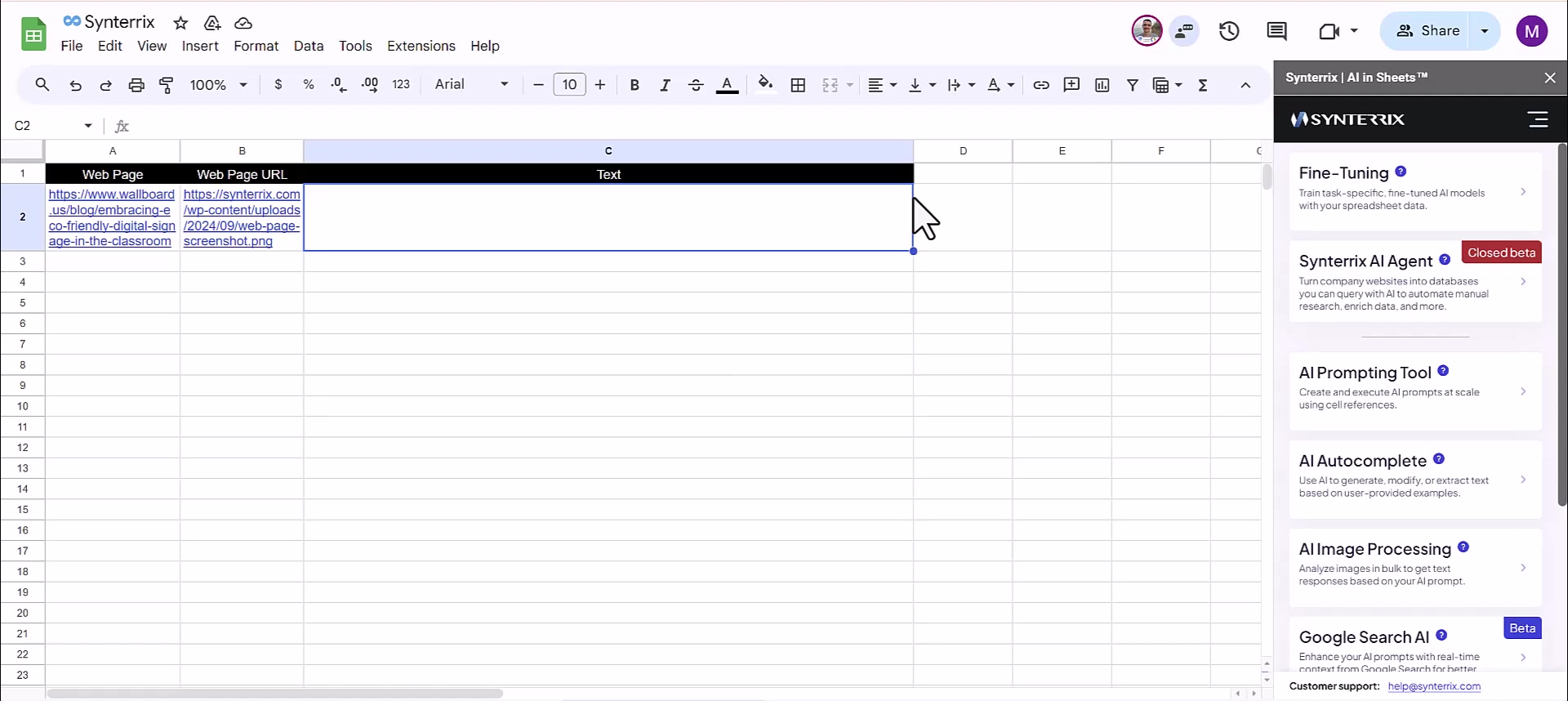
This means that instead of directly processing the image file, the AI Tool can access an image hosted online via its URL and perform the necessary analysis. This approach is particularly useful for businesses dealing with a large volume of images, as it avoids the need to download and store each image locally. By simply providing the URL, the AI can analyze the image and return the desired information, making the process efficient and scalable.
The impact on data handling: The ability to process images directly from URLs is not just about convenience; it's about fundamentally changing how businesses handle and utilize image-based data. Instead of manual processes, AI-powered tools automate data extraction, reduce errors, and accelerate workflows. Businesses can then leverage this data for strategic decision-making, marketing optimization, and enhancing overall operational efficiency.
Use Cases Beyond E-Commerce
Data Extraction from Web Pages with AI
One compelling use case for AI image processing is extracting data directly from web pages.
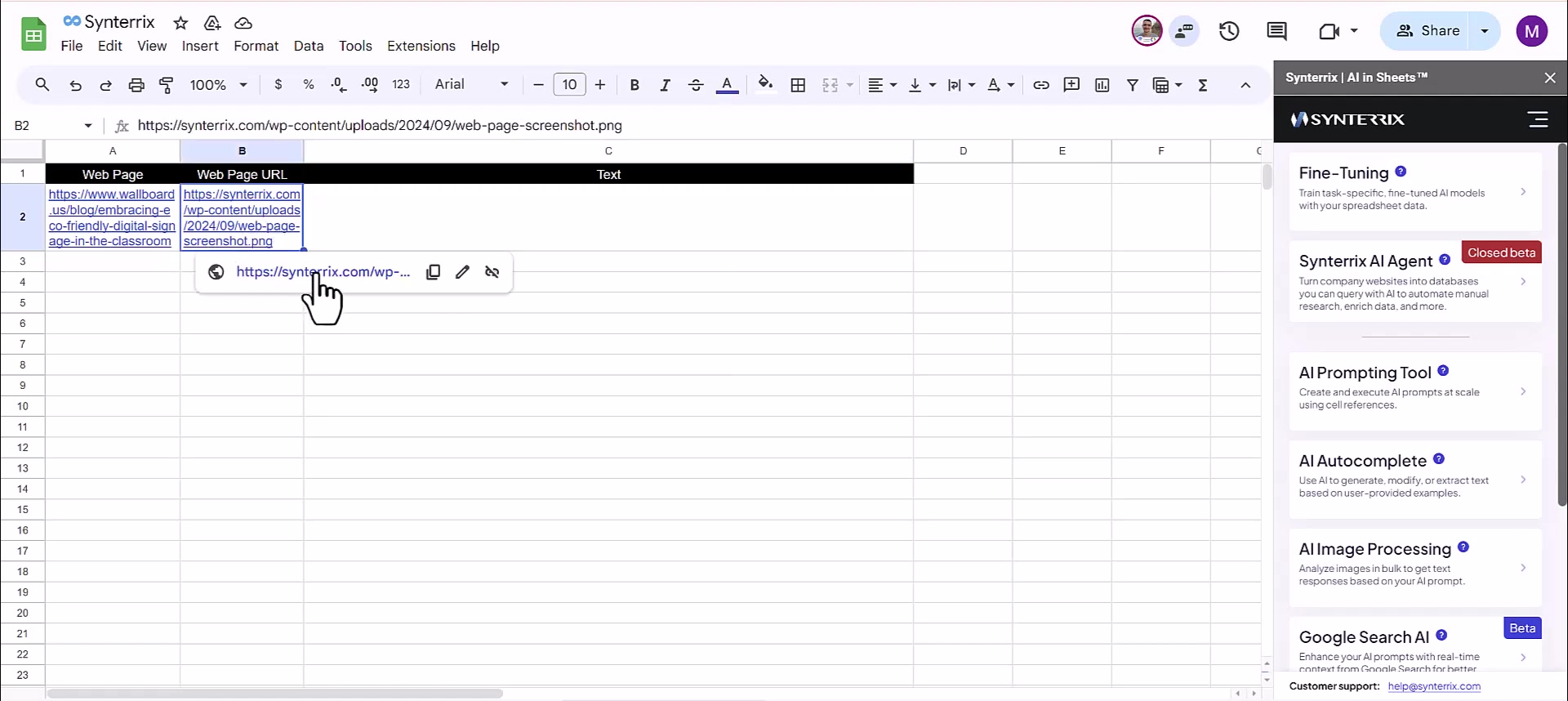
Imagine needing to capture the text content of a blog post or Product Description displayed on a website. Traditionally, this would involve manual copying and pasting, a tedious and time-consuming task. AI image processing simplifies this process by analyzing a screenshot or image of the web page and extracting the text automatically.
Preserving Formatting: The real magic happens when the extracted text is wrapped in HTML tags, preserving the original formatting of the web page. This is particularly useful when transferring content from one website to another or when creating archival copies of web pages. The AI tool accurately identifies headings, paragraphs, and other formatting elements, wrapping them in appropriate HTML tags to ensure the content displays correctly in its new environment. This saves significant time and effort, eliminating the need to manually reformat the extracted text.
Here’s an example of how this technology can be used:
- Capture a Screenshot: Take a screenshot of the web page containing the data you want to extract.
- Upload the Screenshot: Provide the image URL or upload the screenshot to the AI image processing tool.
- Specify Extraction Parameters: Define the areas of the image you want the AI to focus on, such as a specific section of text or a table of data.
- Extract and Format: The AI analyzes the image, extracts the relevant text, and wraps it in HTML tags based on the detected formatting.
- Use the Data: Copy the formatted HTML code and paste it into your website or document, preserving the original formatting of the web page.
This functionality is transformative for content creators, web developers, and anyone who frequently needs to extract and repurpose information from web pages. It streamlines content management, reduces manual labor, and ensures data accuracy.
Creating Image Alt Tags for SEO with AI
Image alt tags are an essential element of SEO, providing search engines with valuable information about the content of an image. However, manually creating alt tags for hundreds or thousands of product images can be a daunting task. AI image processing automates this process, generating relevant and descriptive alt tags that improve SEO performance.
Generating Alt Tags Optimized for Keywords: The AI tool analyzes the image and suggests alt tags based on the visual content, taking into account relevant keywords provided in a spreadsheet or database. This ensures that the alt tags are not only descriptive but also optimized for search engines, increasing the visibility of the product images and improving overall website ranking. This is particularly useful for e-commerce businesses looking to enhance their product discoverability.
The process is simple:
-
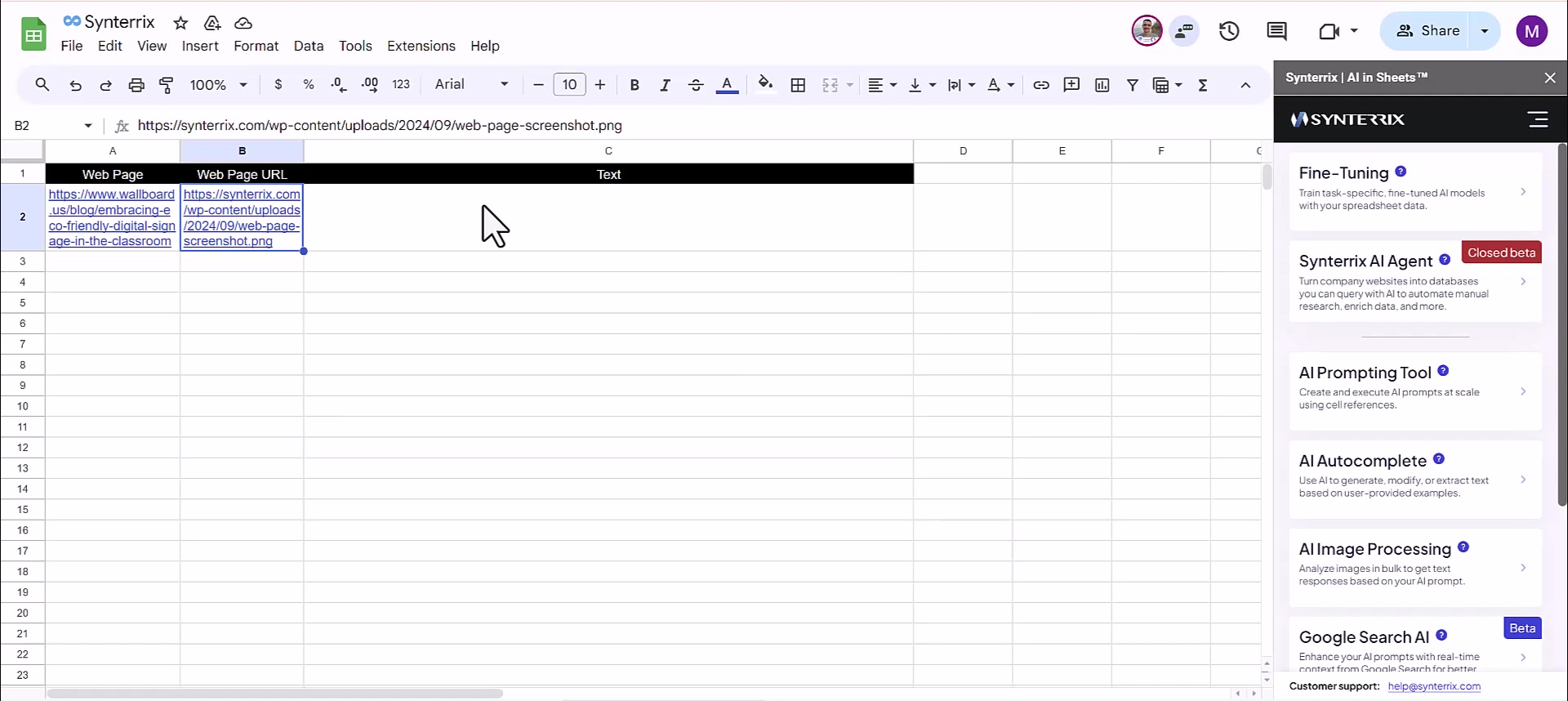
Upload Image URLs: Provide a list of image URLs and corresponding keywords to the AI image processing tool.
-
AI Analysis: The AI analyzes each image and generates an alt tag based on its visual content and the provided keyword.
-
Review and Approve: Review the suggested alt tags and make any necessary adjustments to ensure accuracy and relevance.
-
Implement Alt Tags: Implement the generated alt tags on your website, boosting the SEO performance of your images.
By automating the creation of image alt tags, AI image processing saves significant time and effort while improving SEO performance. This is a Game-changer for businesses looking to maximize their online visibility and drive more traffic to their websites.
Steps to Use AI Image Processing for Data Extraction
Step-by-Step Guide to Efficient Data Extraction
Here's a detailed breakdown of how to use an AI image processing tool:
- Select the Column Containing Image URLs: The first step is to identify the column in your spreadsheet that contains the URLs of the images you want to analyze.
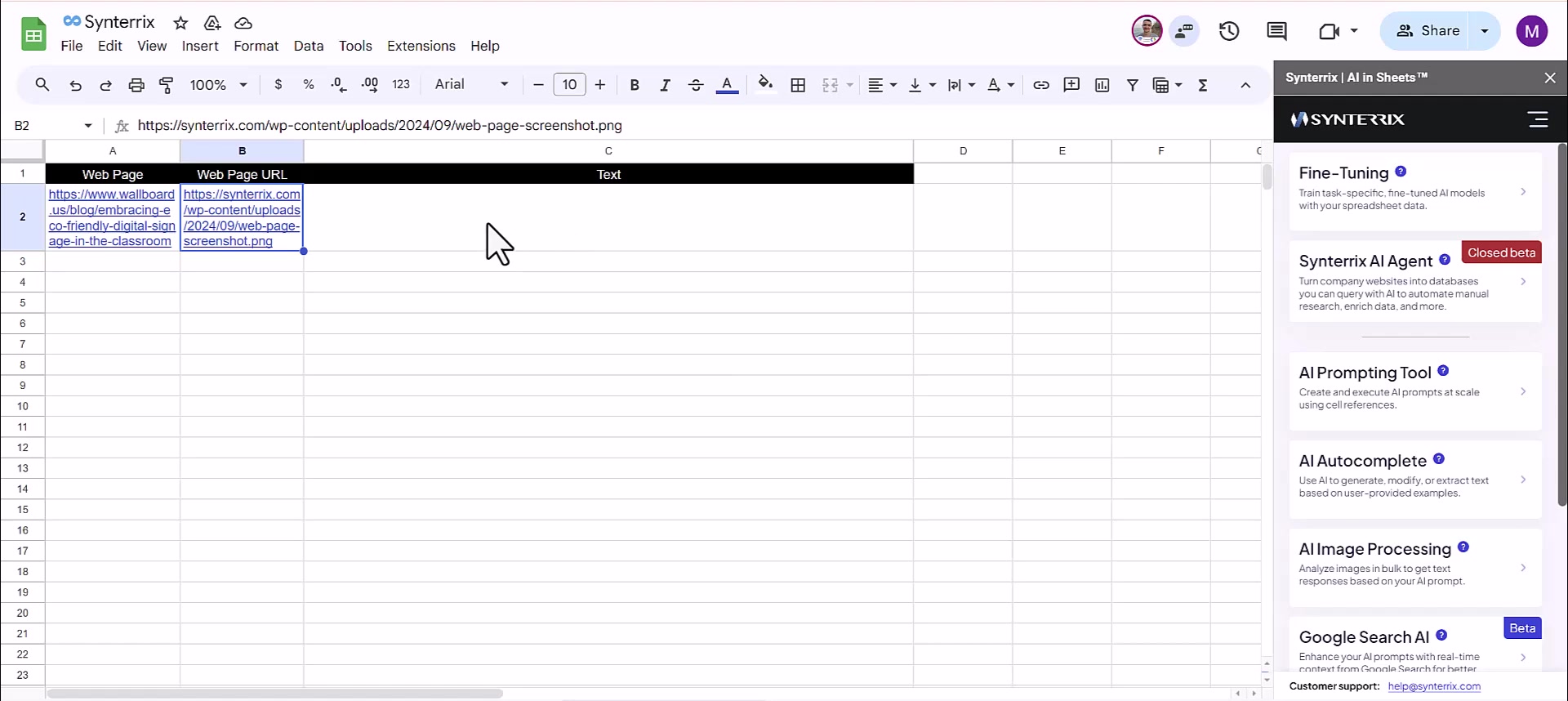
This column must contain valid URLs that point to accessible image files.
- Write Your Prompt or Select a Template: Next, you need to define the task you want the AI to perform. This can be done by writing a specific prompt that instructs the AI on what information to extract or by selecting a pre-built template from the tool's library. For example, you might write a Prompt like 'Extract the product description from the image' or select a template for 'Generating Image Alt Tags'.
- Specify Cell References (Optional): To further customize the process, you can use cell references in your prompt. This allows you to dynamically include data from other cells in your spreadsheet. For example, if you have a column containing product names, you can include that name in your alt tag generation prompt.
- Run the AI Processing: Once you have defined your prompt and selected your image URLs, you can run the AI processing. The tool will analyze each image and generate the desired output based on your instructions.
- Review and Refine the Results: After the AI processing is complete, it's essential to review the results and make any necessary refinements. The accuracy of the AI output depends on the quality of the images and the specificity of your prompts. By carefully reviewing the results, you can ensure that the extracted data is accurate and meets your requirements.









Most people like





























Report
Please select a reason for reporting
- 13 Reasons to Switch from Snapchat to Text Messaging
- 7 Powerful Speech to Text Apps to Boost Productivity
- 10 Best Speech to Text Tools for Effortless Transcription
- 13 Free Tools to Easily Transcribe Audio to Text
- 15 Surprising Ways Google's Speech-to-Text Boosts Productivity
- 7 Best Free Online Audio to Text Transcription Tools
- 9 Tips to Transcribe Speech to Text Faster and Better
- 13 Best Speech to Text Software for Windows 10 in 2023
- 7 Tips for Choosing the Best Transcriber for Audio to Text
- 11 Reasons Why Dragon Speech-to-Text Apps are Game-Changers
- 6 Secrets to Enhance Your Speech to Text Transcription
- 6 Brilliant Ways to Boost Productivity with Talk-to-Text on Your MacBook
- 6 Ways Transcription Software Converts Audio to Text
- 8 Tips to Transcribe Speech to Text Like a Pro
- 6 Reasons IBM Watson Speech to Text is a Game-Changer
- 14 Powerful Ways Talk-to-Text Improves Your Workflow
- 12 Top Windows Speech-to-Text Software for Efficient Transcription
- 12 Game-Changing Benefits of Apple's Speech to Text Technology
- 9 Powerful Use Cases for AWS Speech to Text Technology
- 10 Easy Steps to Transcribe YouTube Videos to Text
- transcription audio en texte
- online audio transcription
- free audio file transcription
- free ai audio transcription
- audio transcription service
- audio transcription online free
- audio transcription free online
- audio to transcription software
- audio and transcript
- ai audio transcription free
- voice recording to text converter
- translate voice recording to text
- record voice to text
- audio recording to text converter
- voice recording and transcription
- chatgpt voice to text
- gmail voice to text
- speech to text reader
- speech to text ai free
- speech to talk
- Create Engaging Animated Explainer Videos with a Free AI Tool
- Stop Multi-Subscribing: Benchmark Top AI Visual Models in One Canvas
- Best Seedance 2.5 API Provider: Every Price on the Market, Checked at Source
- AI OnlyFans: How to Generate $30,000/Month (Legally)
- Transform Your Script into an Engaging Video with AI Video Maker!
- AI Marketing Automation: A Comprehensive Guide for Small Businesses
- Midjourney Alternative for Anime Art Creators: Why PixAI May Be Better for Character Workflows
- 10 Things Most People Get Wrong About AI Image Search
- AI Girlfriend Apps: Top Choices Redefining Relationships 2025
- How to Reduce Quoting Errors in Salesforce with AI-Assisted Quote Creation
- AI Resume Builders: EnhanceCV, ResumeNerd AI, & Teal Compared
- ResumeAI: Crafting ATS-Optimized Resumes with AI
- AI in Resume Writing: A New Era for Job Seekers
- AI Resume Tools: Streamline Your Job Search and Land Your Dream Role
- AI Resume Optimization: The Right Way to Land Interviews
- Crafting a Killer Resume with AI: A Step-by-Step Guide
- Crafting a Winning Resume: AI Tools and Expert Tips
- AI Job Search: Level Up Your Career with AI Automation
- Empower Your Career Journey: Dynamic Resumes with AI
- AI Resume Builder: Create Professional Resumes Effortlessly

Copyright ©2026 toolify