































Table of Contents
- Key Points
- Components of the Off-Grid Power System
- Addressing Power Sharing Concerns
- Optimizing Battery Charging with the EG4 Charge Inverter
- Cost Considerations for an Off-Grid System
- Weighing the Pros and Cons of Off-Grid Living
- Key System Features
- Ideal Use Cases for Off-Grid Systems
- Frequently Asked Questions About Off-Grid Systems
- Related Questions About Off-Grid Power Systems



Components of the Off-Grid Power System
The 7kW Solar Array
The foundation of this off-grid setup is a robust 7kW solar array. This array is not a single, monolithic unit but rather a carefully segmented system. The array is divided into three distinct legs, each consisting of eight solar panels. This division is crucial for optimizing energy capture and ensuring system resilience. By distributing the panels across multiple legs, the system can mitigate the impact of shading or panel failure, maintaining a more consistent power output.
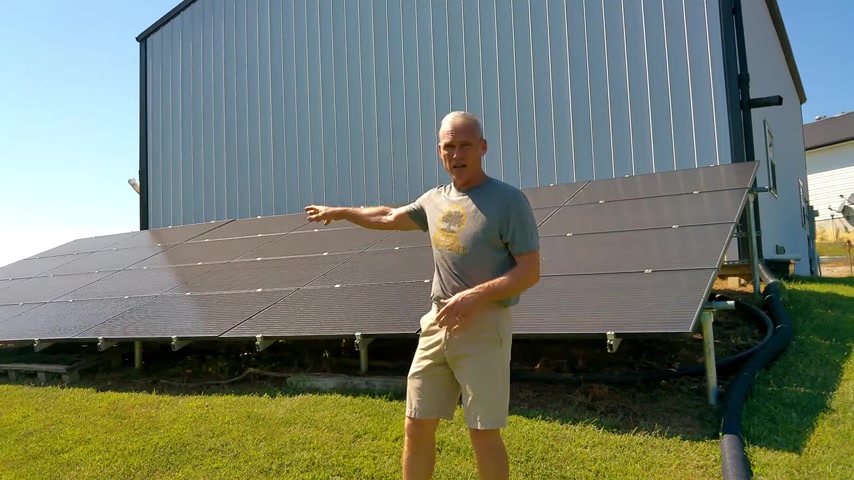
This design also simplifies maintenance and troubleshooting, as each leg can be independently assessed and serviced. The output from these three legs converges to feed the Sol-Ark inverter, the central hub of the power system. The physical placement of the solar array is equally important. It's strategically positioned to maximize sunlight exposure throughout the day, taking into account seasonal variations in the sun's path. This careful planning ensures that the solar array is a reliable and efficient source of energy, forming the backbone of the off-grid power supply.
Key Aspects of the Solar Array:
- Total Power: 7kW
- Configuration: Three legs, eight panels per leg
- Purpose: Primary source of renewable energy
- Placement: Optimized for sunlight exposure
The 1600-Watt Falcon Wind Turbine
To complement the solar array, a 1600-watt Falcon 3 wind turbine from Missouri Wind and Solar has been integrated into the system. This wind turbine serves as a supplementary power source, particularly valuable during periods when solar energy production is diminished, such as on cloudy days or during the shorter days of winter. The Falcon 3 is strategically mounted on the roof of a building, taking advantage of unobstructed wind flow. This elevated position maximizes the turbine's ability to capture energy from even light breezes. The turbine's output is fed into the system's control panel, where it is regulated and directed to either charge the batteries or supply power directly to the load. The integration of wind power into the system enhances its overall reliability and resilience, ensuring a more consistent power supply throughout the year.
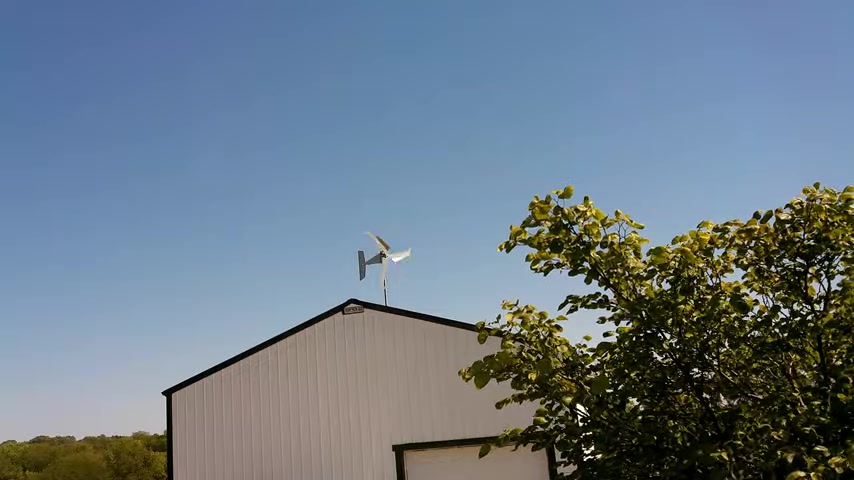
The choice of the Falcon 3 was influenced by its reputation for durability and performance, as well as the support provided by Missouri Wind and Solar. This turbine is designed to withstand harsh weather conditions, making it a suitable choice for the exposed location.
Key aspects of the Wind Turbine:
- Power Output: 1600 watts
- Model: Falcon 3
- Manufacturer: Missouri Wind and Solar
- Purpose: Supplementary power source, especially during low solar periods
- Placement: Roof-mounted for optimal wind capture
The Cummins 13kW Whole-House Generator
While renewable energy sources are at the heart of this off-grid system, a reliable backup is essential for ensuring uninterrupted power supply. A Cummins 13kW whole-house generator fills this role, providing a safety net during extended periods of low solar and wind energy production. This generator is not intended for continuous operation but rather as an emergency power source. It's fueled by propane, stored in a 500-gallon tank, providing a substantial reserve of energy. The generator is connected to an EG4 charge inverter, allowing it to efficiently charge the battery bank when needed. It is important to note that the generator is not directly connected to the breaker panel or inverter, ensuring that it only operates when explicitly required.
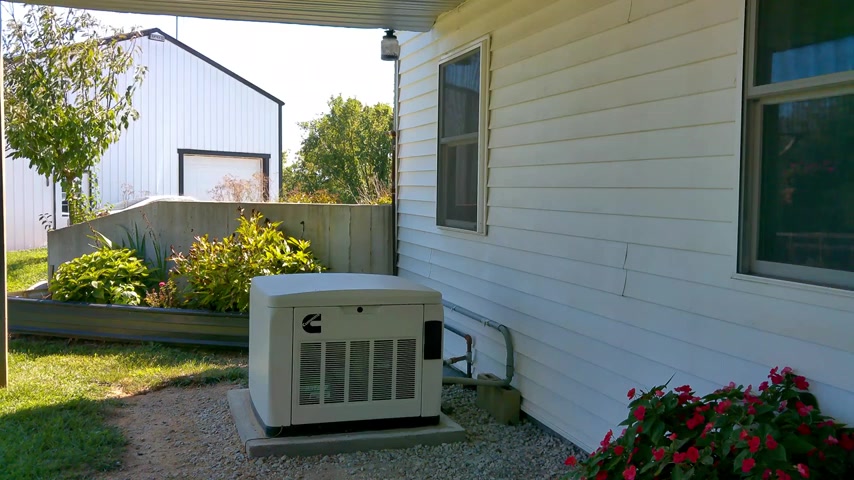
The integration of the Cummins generator into the system provides peace of mind, knowing that there is a reliable power source available even under the most challenging conditions. This redundancy is crucial for maintaining essential services and comfort in an off-grid setting.
Key Aspects of the Generator:
- Power Output: 13kW
- Manufacturer: Cummins
- Fuel Source: Propane
- Tank Capacity: 500 gallons
- Purpose: Backup power source during low renewable energy periods
- Connection: Connected to EG4 charge inverter, not directly to breaker panel
Central Hub: Sol-Ark 15k Inverter and EG4 Battery Rack
The heart of this off-grid system, where all the power sources converge and are managed, consists of a Sol-Ark 15k inverter and an EG4 battery rack. The Sol-Ark inverter acts as the central control unit, managing the flow of energy from the solar array, wind turbine, and generator. It converts the DC power generated by these sources into AC power, which is used to power the home.
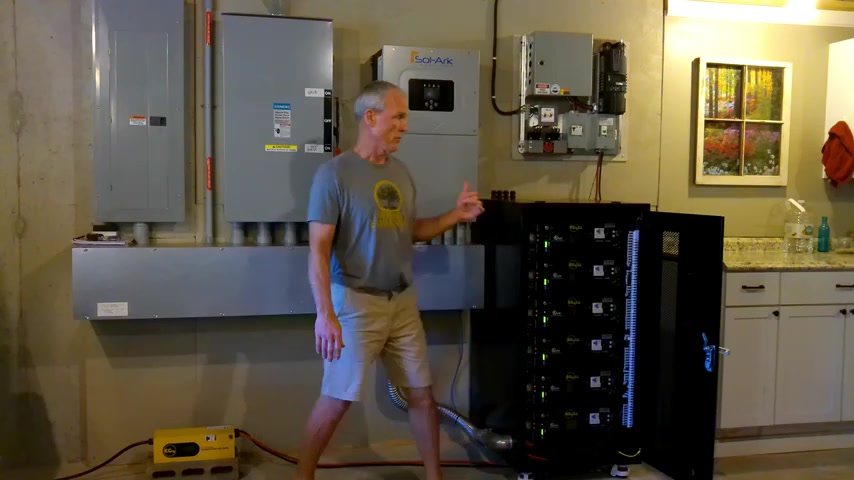
The EG4 battery rack provides energy storage, allowing the system to accumulate excess power generated during periods of high production and release it when demand exceeds supply. This battery rack consists of six individual batteries, providing a substantial energy reserve. The inverter and battery rack are connected to a control panel, which allows for monitoring and adjustment of the system's performance. The control panel provides real-time data on energy production, battery charge levels, and system load. This central hub is critical for ensuring efficient and reliable operation of the off-grid power system. It is through these components that the system can seamlessly transition between different power sources and maintain a consistent power supply.
Key Aspects of the Central Hub:
- Inverter: Sol-Ark 15k
- Battery Rack: EG4 (six batteries)
- Purpose: Central control and energy storage
- Control Panel: Provides monitoring and adjustment capabilities
Addressing Power Sharing Concerns
Current Sharing Challenges and Solutions
A significant concern when integrating multiple power sources into an off-grid system is the potential for current sharing issues. This occurs when different power sources attempt to supply current simultaneously, leading to imbalances and potential damage to the system. In this setup, with solar, wind, and a generator all feeding into the same battery bank, careful consideration was given to prevent such problems.
To address this, the system was designed with independent control mechanisms for each power source. The Sol-Ark inverter manages the solar array, while a separate control panel regulates the wind turbine's output. The generator is connected to a charge inverter, which only operates when explicitly needed. These independent controls allow the system to prioritize renewable energy sources and engage the generator only when necessary.
Extensive testing was conducted to ensure that current sharing issues did not arise.
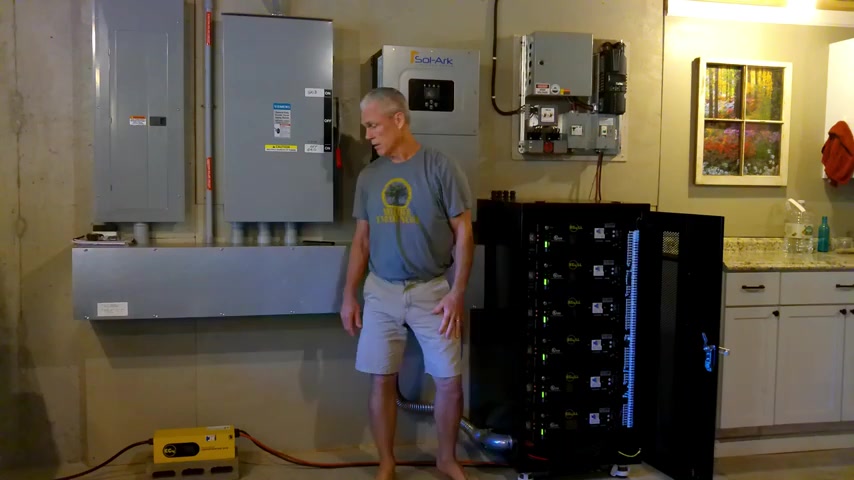
The system was monitored under various conditions, including periods of high solar and wind energy production, as well as during generator operation. The results of these tests indicated that the independent control mechanisms were effective in preventing current sharing imbalances. The system has operated reliably without any signs of such problems.
Strategies to Mitigate Current Sharing Issues:
- Independent control mechanisms for each power source
- Prioritization of renewable energy sources
- Engagement of generator only when needed
- Extensive testing and monitoring
Optimizing Battery Charging with the EG4 Charge Inverter
Setting the Charge Rate for the EG4
The EG4 charge inverter plays a crucial role in maintaining the health and longevity of the battery bank. It is through this inverter that the generator charges the batteries. Setting the appropriate charge rate is critical to avoid overcharging or undercharging the batteries. In this system, the charge rate is set to 60 amps, which is considered optimal for the six batteries in the bank. This charge rate allows each battery to receive approximately 10 amps, a rate that is within the recommended range for these batteries.
It's important to note that the actual charge rate per battery may vary slightly due to losses in the wiring and bus bars.
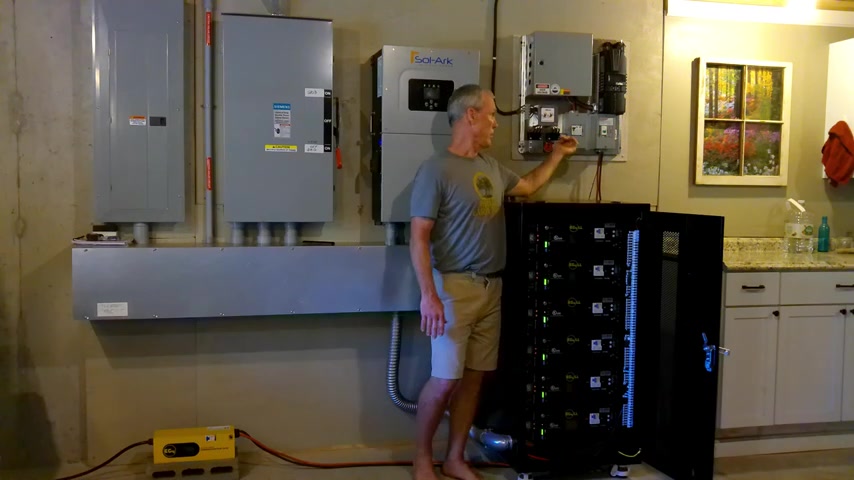
These losses are typically minimal, resulting in a charge rate of approximately 9.4 to 9.6 amps per battery. While the 60 amp setting is appropriate for this system, it's crucial to consult the battery manufacturer's specifications to determine the optimal charge rate for your specific battery type and configuration.
Factors to Consider when Setting the Charge Rate:
- Battery type and capacity
- Number of batteries in the bank
- Manufacturer's recommendations
- Wiring and bus bar losses
Regular monitoring of the battery charge levels is also essential to ensure that the system is operating optimally. The control panel provides real-time data on battery voltage and state of charge, allowing for timely adjustments to the charge rate if needed.
By carefully setting and monitoring the charge rate, the EG4 charge inverter can help to maximize the lifespan and performance of the battery bank.
Maximizing the Wind Turbine's Contribution
The wind turbine is primarily intended to supplement the solar array, particularly during periods of low solar energy production. However, its contribution can be maximized by optimizing its integration into the system. The control panel for the wind turbine is designed to regulate its output and prevent overcharging the batteries. When the batteries are fully charged, the control panel diverts excess power from the turbine to a dump load, preventing damage to the batteries.
The placement of the wind turbine is also crucial for maximizing its energy production. By mounting it on the roof of a building, it's exposed to unobstructed wind flow. The specific location was selected to take advantage of prevailing winds, ensuring that the turbine is able to capture as much energy as possible. The integration of the wind turbine into the system is a valuable addition, particularly during the winter months when solar energy production is limited. Its contribution helps to maintain a more consistent power supply and reduce the reliance on the generator.
Factors to Maximize Wind Turbine Performance:
- Proper control panel settings
- Optimal turbine placement
- Regular maintenance and inspections





Most people like





































Report
Please select a reason for reporting
- 13 Reasons to Switch from Snapchat to Text Messaging
- 7 Powerful Speech to Text Apps to Boost Productivity
- 10 Best Speech to Text Tools for Effortless Transcription
- 13 Free Tools to Easily Transcribe Audio to Text
- 15 Surprising Ways Google's Speech-to-Text Boosts Productivity
- 7 Best Free Online Audio to Text Transcription Tools
- 9 Tips to Transcribe Speech to Text Faster and Better
- 13 Best Speech to Text Software for Windows 10 in 2023
- 7 Tips for Choosing the Best Transcriber for Audio to Text
- 11 Reasons Why Dragon Speech-to-Text Apps are Game-Changers
- 6 Secrets to Enhance Your Speech to Text Transcription
- 6 Brilliant Ways to Boost Productivity with Talk-to-Text on Your MacBook
- 6 Ways Transcription Software Converts Audio to Text
- 8 Tips to Transcribe Speech to Text Like a Pro
- 6 Reasons IBM Watson Speech to Text is a Game-Changer
- 14 Powerful Ways Talk-to-Text Improves Your Workflow
- 12 Top Windows Speech-to-Text Software for Efficient Transcription
- 12 Game-Changing Benefits of Apple's Speech to Text Technology
- 9 Powerful Use Cases for AWS Speech to Text Technology
- 10 Easy Steps to Transcribe YouTube Videos to Text
- transcription audio en texte
- online audio transcription
- free audio file transcription
- free ai audio transcription
- audio transcription service
- audio transcription online free
- audio transcription free online
- audio to transcription software
- audio and transcript
- ai audio transcription free
- voice recording to text converter
- translate voice recording to text
- record voice to text
- audio recording to text converter
- voice recording and transcription
- chatgpt voice to text
- gmail voice to text
- speech to text reader
- speech to text ai free
- speech to talk
- How SEO and Marketing Dashboards Empower Agencies to Drive Results
- How to Use AI Tools to Find Internal Linking Opportunities Across a Business Website
- Discover Your Perfect Haircut with AI Hairstyle Apps
- Free Reputation Calculator Tools: How They're Adapting to Score AI Visibility, Not Just Rankings
- Design Professional Flyers for Free on Your Phone
- Best Free Flyer Maker Apps for Android: Design Like a Pro
- How to Know If Your Business Is Ready for an AI Customer Service Agent
- Revolutionizing Storytelling: From Novels to Screenplays with AI
- Create Engaging Animated Explainer Videos with a Free AI Tool
- Stop Multi-Subscribing: Benchmark Top AI Visual Models in One Canvas
- Top 5 Cold Email Software: Maximize Your Outreach in 2025
- Magic School AI: Revolutionizing Quiz & Assessment Generation
- Create Your Own Email Bot and Automate Your Email Tasks
- Beyond Pure Prompts: Optimizing Production with 'Text With Reference' Generation
- Stop Using Boring TTS: My Honest Deep Dive Into VideoAI and the Hunt for the Perfect Custom Voices
- AI & Elections: Defending Democracy Against Misinformation
- Navigating Political Discourse: AI, Deepfakes, and Reality Checks
- Detecting Political Bias in News Articles: A Powerful AI Algorithm
- AI Bias Unveiled: Political Leanings in ChatGPT & Beyond
- Revolutionize Learning: Discover Quizzes AI for Engaging Interactive Quizzes

Copyright ©2026 toolify