































Table of Contents
- Key Points
- Understanding Quantum Computing and its Potential
- Navigating the Future of Cryptocurrency Security
- Post Quantum Cryptography: the Future of Security?
- Frequently Asked Questions about Quantum Computing and Bitcoin
- Related Questions



Understanding Quantum Computing and its Potential
What is a Quantum Computer?
To grasp the potential disruption quantum computing could bring to cryptocurrencies like Bitcoin, it's crucial first to understand what differentiates quantum computers from the classical computers we use every day.

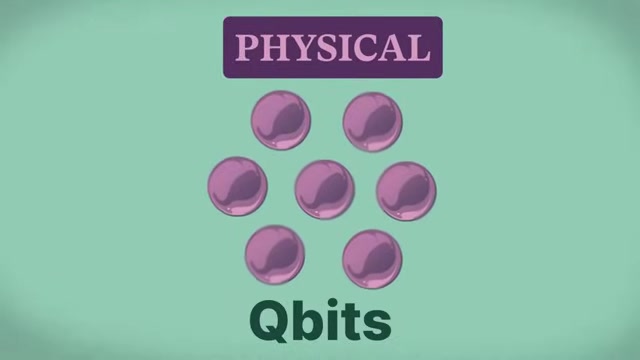
Classical computers process information using bits, which represent either a 0 or a 1. Quantum computers, on the other HAND, leverage qubits.
Qubits and Superposition
Qubits utilize a concept called superposition. This means a qubit can represent 0, 1, or both at the same time. This seemingly small difference drastically increases a quantum computer's computational power. Instead of processing information sequentially, like a classical computer, a quantum computer can explore numerous possibilities simultaneously.
Imagine trying to find the right key to unlock a door. A classical computer would try each key one by one. A quantum computer could try all the keys at the same time, dramatically speeding up the process.
The Exponential Growth of Computing Power
The more qubits a quantum computer has, the more complex problems it can tackle. The amount of information a quantum computer can process grows exponentially with each added qubit. This means that a quantum computer with just a few hundred qubits can potentially perform calculations that would take classical computers centuries, or even millennia, to complete. Quantum computers are revolutionary because of this exponential nature. It vastly changes the problem solving landscape.
This superior computing power has led to concerns about the security of various encryption methods used today, including those that secure Blockchain technology and cryptocurrencies.
The Threat to Bitcoin: Shor's Algorithm
The specific threat quantum computing poses to Bitcoin lies in its potential to break the encryption that secures Bitcoin transactions. The most well-known algorithm for doing this is Shor's Algorithm. Developed by mathematician Peter Shor, this algorithm is designed to efficiently factor large numbers – a task that is incredibly difficult for classical computers.
Public and Private Keys in Bitcoin
Bitcoin uses a system of public and private keys to manage ownership and authorize transactions. Your public key is like your bank account number – you can share it freely. Your private key is like your Pin code – it must be kept secret.
When you make a Bitcoin transaction, you use your private key to create a digital signature. This signature proves that you are the owner of the Bitcoin and that you are authorizing the transaction. The signature can then be verified by anyone using your public key.
How Shor's Algorithm Cracks Encryption
The security of this system relies on the difficulty of deriving the private key from the public key. Current encryption methods, such as RSA and Elliptic Curve Cryptography (ECC), are designed to be computationally infeasible for classical computers to crack within a reasonable timeframe.
However, Shor's Algorithm changes the Game. If a quantum computer powerful enough to run Shor's Algorithm exists, it could efficiently calculate the private key from the public key, allowing attackers to:
- Forge signatures: Creating fraudulent transactions.
- Steal Bitcoin: Accessing and transferring Bitcoin from vulnerable wallets.
In short, a quantum computer running Shor's Algorithm could effectively break the security of Bitcoin, potentially leading to significant financial losses and undermining trust in the cryptocurrency system.







Most people like

































Report
Please select a reason for reporting
- 13 Reasons to Switch from Snapchat to Text Messaging
- 7 Powerful Speech to Text Apps to Boost Productivity
- 10 Best Speech to Text Tools for Effortless Transcription
- 13 Free Tools to Easily Transcribe Audio to Text
- 15 Surprising Ways Google's Speech-to-Text Boosts Productivity
- 7 Best Free Online Audio to Text Transcription Tools
- 9 Tips to Transcribe Speech to Text Faster and Better
- 13 Best Speech to Text Software for Windows 10 in 2023
- 7 Tips for Choosing the Best Transcriber for Audio to Text
- 11 Reasons Why Dragon Speech-to-Text Apps are Game-Changers
- 6 Secrets to Enhance Your Speech to Text Transcription
- 6 Brilliant Ways to Boost Productivity with Talk-to-Text on Your MacBook
- 6 Ways Transcription Software Converts Audio to Text
- 8 Tips to Transcribe Speech to Text Like a Pro
- 6 Reasons IBM Watson Speech to Text is a Game-Changer
- 14 Powerful Ways Talk-to-Text Improves Your Workflow
- 12 Top Windows Speech-to-Text Software for Efficient Transcription
- 12 Game-Changing Benefits of Apple's Speech to Text Technology
- 9 Powerful Use Cases for AWS Speech to Text Technology
- 10 Easy Steps to Transcribe YouTube Videos to Text
- transcription audio en texte
- online audio transcription
- free audio file transcription
- free ai audio transcription
- audio transcription service
- audio transcription online free
- audio transcription free online
- audio to transcription software
- audio and transcript
- ai audio transcription free
- voice recording to text converter
- translate voice recording to text
- record voice to text
- audio recording to text converter
- voice recording and transcription
- chatgpt voice to text
- gmail voice to text
- speech to text reader
- speech to text ai free
- speech to talk
- How SEO and Marketing Dashboards Empower Agencies to Drive Results
- How to Use AI Tools to Find Internal Linking Opportunities Across a Business Website
- Discover Your Perfect Haircut with AI Hairstyle Apps
- Free Reputation Calculator Tools: How They're Adapting to Score AI Visibility, Not Just Rankings
- Design Professional Flyers for Free on Your Phone
- Best Free Flyer Maker Apps for Android: Design Like a Pro
- How to Know If Your Business Is Ready for an AI Customer Service Agent
- Revolutionizing Storytelling: From Novels to Screenplays with AI
- Create Engaging Animated Explainer Videos with a Free AI Tool
- Stop Multi-Subscribing: Benchmark Top AI Visual Models in One Canvas
- ASOMobile Helps Teams Benchmark App Store Screenshots Against Competitors
- How to Match LMS Software With Your Organization's Training Plan
- Revolutionizing Email Marketing Agency with AI
- How to Convert BTC to HNT
- Unleashing the Power of AI: Cognizant's Roadmap for Transformation
- Frame to Video Review: A Practical Look at Turning Two Still Frames Into Motion
- NVIDIA NIM: Revolutionizing Supply Chain Data Analysis with AI
- Top AI Tools That Help Brands Stand Out Offline (Not Just Online)
- Top 5 Cold Email Software: Maximize Your Outreach in 2025
- Magic School AI: Revolutionizing Quiz & Assessment Generation

Copyright ©2026 toolify