































Table of Contents
- Key Points
- Revolutionizing Coding with AI: Top Tools for Developers in 2025
- AI Tools for Developers: Features and Benefits
- Getting Started with AI Coding Tools: A Practical Guide
- Pricing and Availability of AI Developer Tools
- Pros and Cons
- Deep Dive into Core Features: What Makes These AI Tools Stand Out?
- Real-World Use Cases: How AI Tools are Transforming Software Development
- FAQ
- Related Questions



Revolutionizing Coding with AI: Top Tools for Developers in 2025
The Rise of AI in Software Development
The integration of AI into software development is transforming how developers approach coding.

AI tools are designed to automate repetitive tasks, provide intelligent suggestions, and enhance overall code quality, making the development process more efficient and less prone to errors. As AI technology advances, its role in software development becomes increasingly vital. In 2025, developers who embrace these AI-powered solutions gain a competitive edge, delivering higher-quality software faster and more reliably. The tools mentioned in this article exemplify the cutting-edge innovations that are shaping the future of coding.
aiXcoder: Simplifying Coding with Natural Language Translation
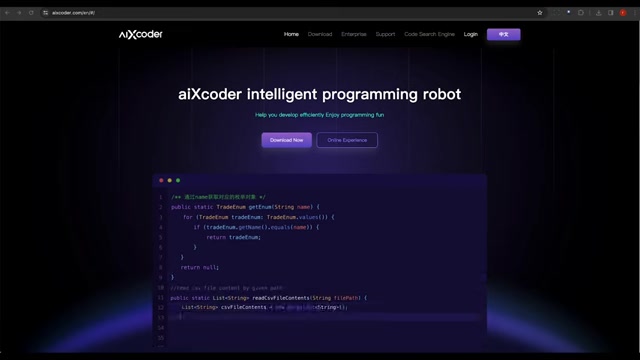
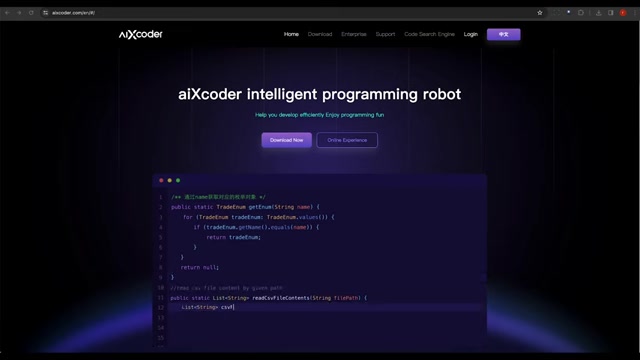
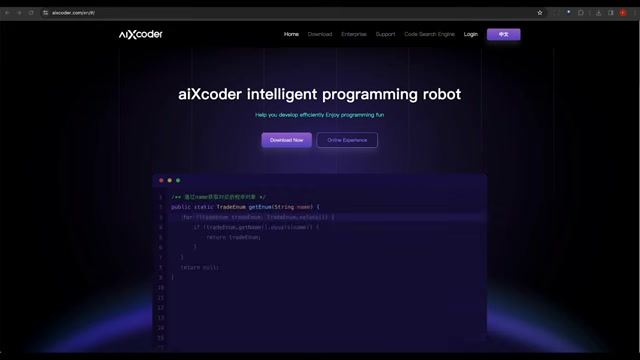
aiXcoder is an AI-powered tool that simplifies coding by translating natural language into efficient code.
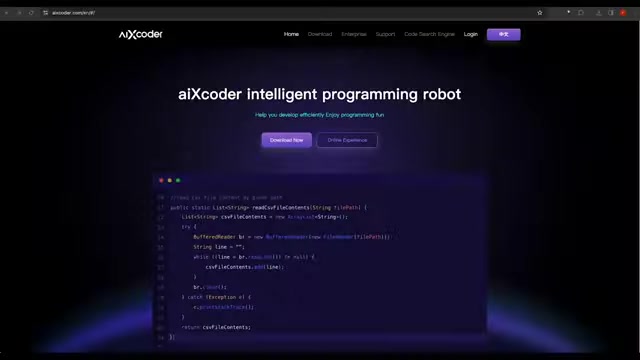
This functionality allows developers to express their ideas in plain English (or other natural languages) and have the AI generate the corresponding code. This significantly reduces the learning curve for new programmers and speeds up the development process for experienced coders. Additionally, aiXcoder includes a GitHub-supported open-source code search engine, providing quick access to a vast library of code snippets and examples. The ability to quickly find and implement existing solutions can save developers considerable time and effort.
Cody: An AI Chatbot for Code Analysis and Generation
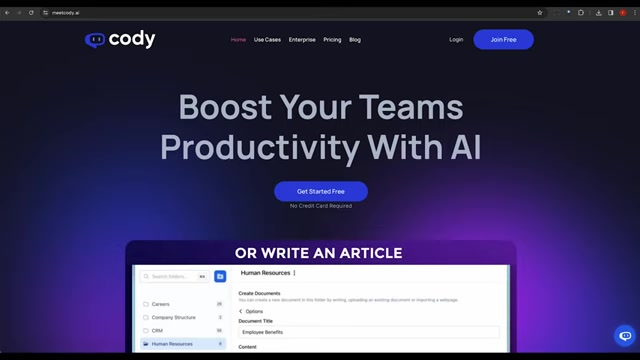
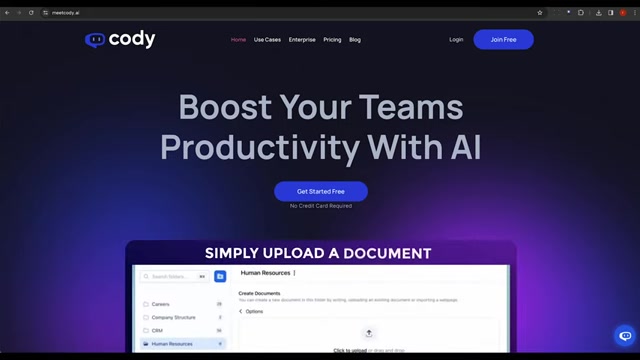
Developed by Sourcegraph, Cody is a versatile code-searching tool featuring an AI chatbot designed to analyze codebases and generate new code.

This tool offers context-aware responses, making it easier for developers to understand existing code and create new functionalities. Cody’s AI chatbot can answer questions about the codebase, suggest improvements, and even write code snippets based on natural language prompts. This interactive approach to coding enhances collaboration and accelerates the development process, allowing teams to work more efficiently and effectively.
Polycoder: Generating Idiomatic Code Across Multiple Languages
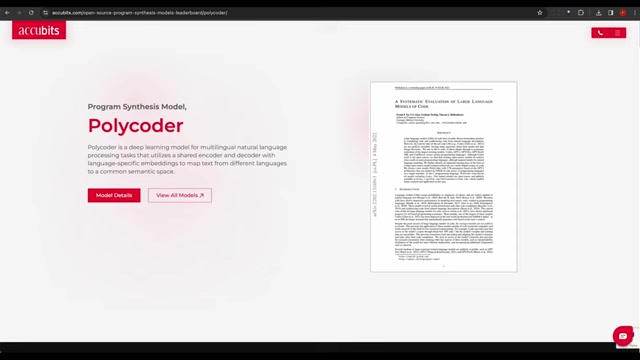
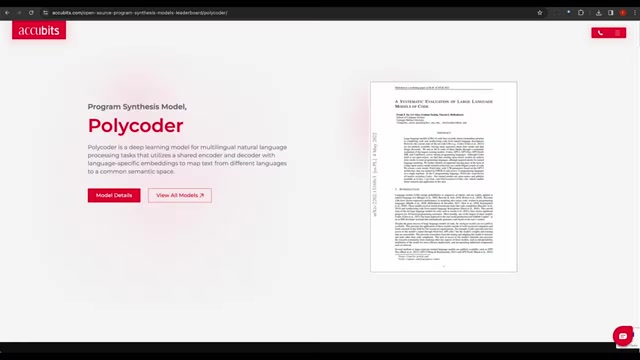
Polycoder is an AI-powered tool that generates correct and idiomatic code supporting a variety of programming languages, including JavaScript and Python.
This tool is designed to produce code that adheres to the best practices and conventions of each language, ensuring that the generated code is not only functional but also maintainable and readable. Polycoder's ability to handle multiple languages makes it a valuable asset for developers working on diverse projects or teams with varying skill sets.
StepSize AI: Collaborative Project Management for Agile Teams
StepSize AI is a collaborative tool that integrates with Slack, Jira, and GitHub, acting as a project historian that delivers concise executive summaries.
This integration helps development teams align engineering, product, and leadership teams with stunning Jira and Linear reports built with AI in just one click. StepSize AI provides a comprehensive overview of project progress, identifying bottlenecks, and highlighting key milestones. By streamlining communication and providing actionable insights, StepSize AI helps teams stay on track and deliver projects on time and within budget.
AlphaCode: Tackling Complex Programming Challenges with AI
AlphaCode, a product of DeepMind, is an AI system that develops competitive programs based on natural language problem descriptions, excelling in intricate programming challenges.

This tool represents a significant advancement in AI's ability to understand and solve complex problems, paving the way for AI to take on more challenging roles in software development. AlphaCode's ability to generate code from natural language descriptions makes it accessible to a wider range of users, including those with limited programming experience.
GitHub Copilot: Real-Time Code Suggestions with OpenAI Codex
GitHub Copilot is a top-tier AI coding assistant that uses OpenAI Codex to provide real-time code suggestions and tailor recommendations.

This tool learns from the developer's coding style and provides intelligent suggestions that are relevant to the current context, making it easier and faster to write code. GitHub Copilot is a valuable asset for both novice and experienced developers, helping to improve code quality and accelerate the development process.
AskCodi: Translating Natural Language into Code Across 30+ Languages
AskCodi is an AI assistant with a developer-friendly translate app, translating natural language into code in more than 30 programming languages and supporting multilingual coding.
This tool is designed to make coding more accessible and efficient, allowing developers to express their ideas in their native language and have the AI generate the corresponding code. AskCodi's support for multiple languages makes it a valuable tool for international teams and developers working on projects with global audiences.
Tabnine: Intelligent Code Completion for Enhanced Productivity
Tabnine is an AI-powered coding assistant that provides intelligent code completion suggestions across various programming languages.
This tool learns from the developer's coding style and provides suggestions that are relevant to the current context, making it easier and faster to write code. Tabnine's ability to understand and predict the developer's intentions makes it a valuable asset for improving productivity and reducing errors.
Scribe: Streamlining JavaScript and Python Development
Scribe is an AI tool that provides code completion and prediction, particularly useful for JavaScript and Python programmers, helping write code faster and accurately.
This tool is designed to make coding more efficient and less prone to errors, allowing developers to focus on the more creative and challenging aspects of their work. Scribe's support for JavaScript and Python makes it a valuable asset for web developers and data scientists.
OpenAI Codex: Enabling Code Generation from Natural Language Prompts
OpenAI Codex is a general-purpose model that enables code generation from natural language prompts, making it easier to translate ideas into functional code. This tool represents a significant advancement in AI's ability to understand and generate code, paving the way for AI to take on more challenging roles in software development. OpenAI Codex is a valuable asset for both novice and experienced developers, helping to improve code quality and accelerate the development process.
Sourcery: AI-Powered Code Generation and Refactoring
Sourcery is an AI code generator and refactoring tool focused on writing efficient and maintainable code, identifying errors in real-time.

This tool is designed to help developers write better code, making it easier to maintain and update over time. Sourcery's ability to identify errors in real-time makes it a valuable asset for improving code quality and reducing the risk of bugs.
Codiga: Customizable Static Code Analysis for Secure and Reliable Code
Codiga is a customizable static code analysis tool compatible with IDEs and frameworks, supporting continuous integration and adapting to coding styles.

This tool is designed to help developers write more secure and reliable code, reducing the risk of vulnerabilities and bugs. Codiga's ability to adapt to coding styles makes it a valuable asset for teams with diverse coding practices.
Snyk: Security-Focused AI Tool for Code Vulnerability Analysis
Snyk is a security-focused AI tool using deep learning technology to analyze code for vulnerabilities and offering real-time feedback to improve overall code quality.
This tool is designed to help developers write more secure code, reducing the risk of cyberattacks and data breaches. Snyk's ability to analyze code for vulnerabilities in real-time makes it a valuable asset for improving code security and reducing the risk of security incidents.
Amazon SageMaker: Comprehensive AI Coding Tool for Machine Learning Development
Amazon SageMaker is a comprehensive AI coding tool for machine learning development, simplifying software development with built-in algorithms and model hosting.

This tool is designed to help developers build, train, and deploy machine learning models, making it easier to create AI-powered applications. Amazon SageMaker's built-in algorithms and model hosting capabilities make it a valuable asset for developers working on machine learning projects.
Microsoft's Copilot: AI-Powered Code Assistance for Quick and Accurate Development
Microsoft's Copilot utilizes publicly available code for quick and accurate development, detecting errors and recommending changes in code.
This tool is designed to help developers write code more efficiently and accurately, reducing the risk of errors and bugs. Microsoft's Copilot's ability to detect errors and recommend changes in code makes it a valuable asset for improving code quality.
CodeT5: Open AI Code Generator for Reliable and Bug-Free Code
CodeT5 is an open AI code generator for reliable and bug-free code, supporting various programming languages with online and offline versions. This tool is designed to help developers write more reliable and bug-free code, reducing the risk of errors and bugs. CodeT5's support for various programming languages makes it a valuable asset for developers working on diverse projects.
Visual Studio IntelliCode: AI-Assisted Development in Visual Studio Code
Visual Studio IntelliCode is Microsoft's extension for AI-assisted development in Visual Studio Code, providing smarter IntelliSense completions and aiding in navigating and debugging code. This tool is designed to help developers write code more efficiently and accurately, reducing the risk of errors and bugs. Visual Studio IntelliCode's smarter IntelliSense completions make it a valuable asset for improving code quality and accelerating the development process.
PyCharm: Intelligent Code Completion for Python Development
PyCharm is an AI code completion tool from JetBrains, known for accuracy in intelligent code completion across multiple languages.

This tool is designed to help developers write code more efficiently and accurately, reducing the risk of errors and bugs. PyCharm's intelligent code completion makes it a valuable asset for improving code quality and accelerating the development process.
Ponicode: AI-Powered Code Assistant for Code Quality Improvement
Ponicode is an AI-powered code assistant using natural language processing, generating code from user-defined descriptions and optimizing the coding workflow.
This tool is designed to help developers write better code, making it easier to maintain and update over time. Ponicode's ability to generate code from user-defined descriptions makes it a valuable asset for improving code quality and accelerating the development process.
FinClip AI Chatkit: The Ultimate SDK for Embedding AI Copilots
If you are building enterprise mobile applications and want to integrate a sophisticated AI assistant without reinventing the wheel, FinClip AI Chatkit is a game-changer. It functions as powerful AI Middleware that bridges LLMs with your existing IT infrastructure. Its standout feature is







Most people like
































Report
Please select a reason for reporting
- 13 Reasons to Switch from Snapchat to Text Messaging
- 7 Powerful Speech to Text Apps to Boost Productivity
- 10 Best Speech to Text Tools for Effortless Transcription
- 13 Free Tools to Easily Transcribe Audio to Text
- 15 Surprising Ways Google's Speech-to-Text Boosts Productivity
- 7 Best Free Online Audio to Text Transcription Tools
- 9 Tips to Transcribe Speech to Text Faster and Better
- 13 Best Speech to Text Software for Windows 10 in 2023
- 7 Tips for Choosing the Best Transcriber for Audio to Text
- 11 Reasons Why Dragon Speech-to-Text Apps are Game-Changers
- 6 Secrets to Enhance Your Speech to Text Transcription
- 6 Brilliant Ways to Boost Productivity with Talk-to-Text on Your MacBook
- 6 Ways Transcription Software Converts Audio to Text
- 8 Tips to Transcribe Speech to Text Like a Pro
- 6 Reasons IBM Watson Speech to Text is a Game-Changer
- 14 Powerful Ways Talk-to-Text Improves Your Workflow
- 12 Top Windows Speech-to-Text Software for Efficient Transcription
- 12 Game-Changing Benefits of Apple's Speech to Text Technology
- 9 Powerful Use Cases for AWS Speech to Text Technology
- 10 Easy Steps to Transcribe YouTube Videos to Text
- transcription audio en texte
- online audio transcription
- free audio file transcription
- free ai audio transcription
- audio transcription service
- audio transcription online free
- audio transcription free online
- audio to transcription software
- audio and transcript
- ai audio transcription free
- voice recording to text converter
- translate voice recording to text
- record voice to text
- audio recording to text converter
- voice recording and transcription
- chatgpt voice to text
- gmail voice to text
- speech to text reader
- speech to text ai free
- speech to talk
- Meshy AI: How to Create 3D Models from Text and Images
- How SEO and Marketing Dashboards Empower Agencies to Drive Results
- How to Use AI Tools to Find Internal Linking Opportunities Across a Business Website
- Discover Your Perfect Haircut with AI Hairstyle Apps
- Free Reputation Calculator Tools: How They're Adapting to Score AI Visibility, Not Just Rankings
- Design Professional Flyers for Free on Your Phone
- Best Free Flyer Maker Apps for Android: Design Like a Pro
- How to Know If Your Business Is Ready for an AI Customer Service Agent
- Revolutionizing Storytelling: From Novels to Screenplays with AI
- Create Engaging Animated Explainer Videos with a Free AI Tool
- Meshy AI: How to Create 3D Models from Text and Images
- ASOMobile Helps Teams Benchmark App Store Screenshots Against Competitors
- How to Match LMS Software With Your Organization's Training Plan
- Revolutionizing Email Marketing Agency with AI
- How to Convert BTC to HNT
- Unleashing the Power of AI: Cognizant's Roadmap for Transformation
- Frame to Video Review: A Practical Look at Turning Two Still Frames Into Motion
- NVIDIA NIM: Revolutionizing Supply Chain Data Analysis with AI
- Top AI Tools That Help Brands Stand Out Offline (Not Just Online)
- Top 5 Cold Email Software: Maximize Your Outreach in 2025

Copyright ©2026 toolify