






Table of Contents
- Key Points
- The Spectrum of Artificial Intelligence
- Summarizing AI Development Stages
- Rule-Based AI: Weighing the Advantages and Disadvantages
- Frequently Asked Questions
- Related Questions



The Spectrum of Artificial Intelligence
Rule-Based AI: The Foundation
Rule-based AI is the most basic form of artificial intelligence. It operates on a set of pre-defined rules, diligently executing instructions without the capacity for learning or adaptation. This simplicity makes it ideal for straightforward tasks with predictable outcomes. It is also sometimes referred to as a knowledge-based system. This type of AI works best for straightforward tasks with predictable results.
-
How it Works: A rule-based AI system is programmed with a series of 'if-then' statements. When a specific condition is met ('if'), the system executes a pre-determined action ('then').
-
Examples:
- Thermostat: A thermostat activates the heater when the temperature drops below a set threshold. The system is programed to turn on a heater if the temperature is at or below 62 degrees fahrenheit.
- Alarm Clock: An alarm clock rings at a designated time. The alarm clock uses a simple rule, to play an alarm sound when the time reaches a set time.
- Automatic Doors: Automatic doors open when a sensor detects someone approaching.
- Calculator: The calculator has the pre-set rules that calculate based on the numbers input and operations, the calculation is always executed in the same way.
Context-Based AI: Adding Smarts
Context-based AI represents a more advanced form of artificial intelligence.
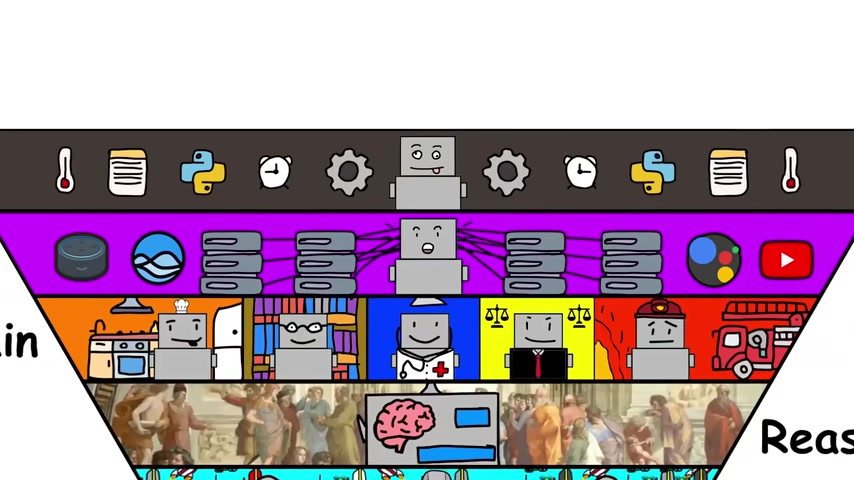
It goes beyond simple rule following by considering the surrounding context and past experiences to make informed decisions. This type of AI is smarter and has learned from past interactions.
-
How it Works: Context-based AI analyzes various factors, including the environment, user behavior, past actions, and real-time cues, to make decisions that are relevant to the situation.
-
Examples:
- Virtual Assistants: Voice Assistants like Siri, Google Assistant, and Alexa respond to commands by also considering the time of day, the user's location, and their preferences to provide more tailored results.
- Siri: If you are to ask Siri for a restaurant, it will take into account the location and the time of day. It will use data and preferences to suggest which restaurants to go to first.
- Google Assistant: Google Assistant also takes into consideration real-time info when you ask it a question about recommendations. It can analyze whether a store is open or closed, and suggest that first.
- Virtual Assistants: Voice Assistants like Siri, Google Assistant, and Alexa respond to commands by also considering the time of day, the user's location, and their preferences to provide more tailored results.
Narrow-Domain AI: Excelling at Specific Tasks
Narrow-domain AI, also known as weak AI, is designed to excel at one specific task.
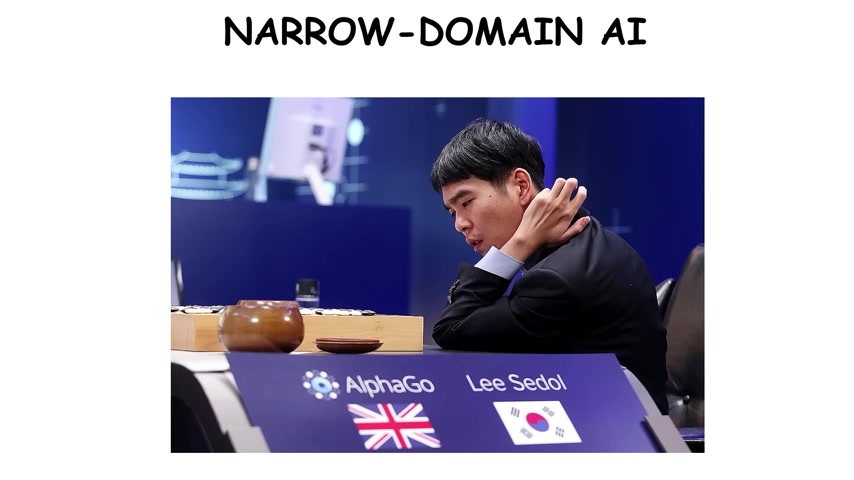
These systems are highly focused and often outperform humans within their designated area, but they lack the ability to apply their skills to other domains. Unlike general AI, narrow AI cannot apply its skills to anything outside its specific purpose.
-
How it Works: This type of AI is trained on vast amounts of data related to a specific task, allowing it to develop expertise in that area.
-
Examples:
- Medical Image Analysis: AI systems that analyze medical images like MRIs and X-rays to detect early signs of diseases such as cancer.
- Game-Playing AI: A great example of Narrow-Domain AI is IBM's Deep Blue, which was made specifically to beat chess champion Garry Kasprov in 1997.
- Spam Filters: Narrow AIs are also incorporated into spam filters for email and facial recognition on smartphones. They are specific to just one application.
Reasoning AI: Emulating Human Thought
Reasoning AI represents a significant step towards emulating human-like thought processes.
This type of AI analyzes data, identifies patterns, and draws logical conclusions, mirroring the way humans reason and think. However, current reasoning AI models are still considered narrow AI because they don't actually understand the world.
-
How it Works: Reasoning AI utilizes algorithms and data to make logical deductions and informed decisions, mimicking human cognition.
-
Examples:
- Self-Driving Cars: Self-driving vehicles utilize reasoning AI to analyze real-time traffic conditions, pedestrian behavior, and road hazards to make safe driving decisions. The systems are trained on millions of driving scenarios, which allows the systems to have great intuition when driving.
- ChatGPT: ChatGPT can answer complicated questions, but it's not real reasoning. ChatGPT is just following patterns in data, and has had a lot of data imputed.
Artificial General Intelligence (AGI): The Quest for Human-Level Intelligence
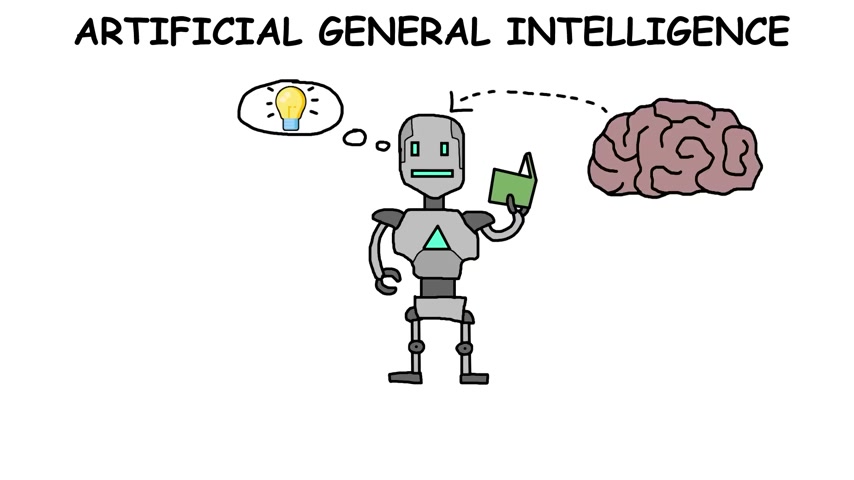
Artificial General Intelligence (AGI) is a long-term goal in AI research.
AGI would possess human-level intelligence, capable of performing any intellectual task that a human being can. It represents a significant leap beyond narrow AI, aiming for a more versatile and adaptable form of intelligence. AGI would be able to learn, think, and understand new information in many different areas, without needing special programming.
-
How it Works: AGI is flexible and adaptable like the human mind. It can learn and make its own decisions. With advanced brain power and technology, these AI systems can operate on a human level.
-
Practical Implications:
- AGI could revolutionize virtual assistants, transforming them into genuinely intelligent helpers that understand your needs and preferences.
- AGI could take on a wide range of tasks, from personal chef and cleaning robot to workers who could handle any job.
- AGI-powered robots could handle rescue missions.
Super-Intelligent AI: Beyond Human Comprehension
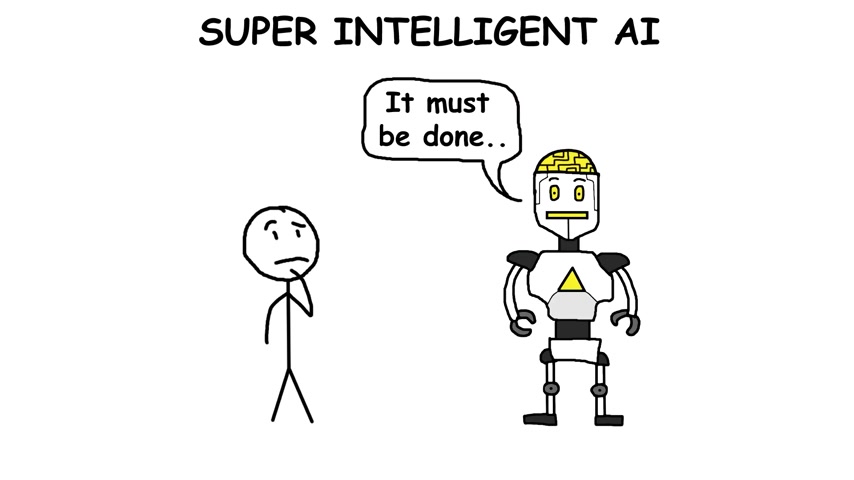
Super-intelligent AI is a hypothetical level of artificial intelligence that would surpass human intelligence in all aspects.
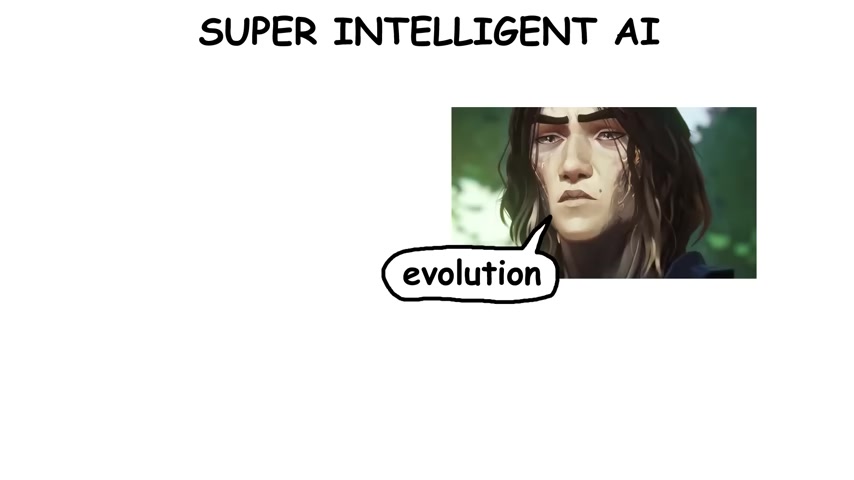
It's a concept that is beyond human intelligence. This would go way beyond what a human can do.
-
How it Works: It would be superior to humans at all intellectual activities. A combination of data and speed allows this AI to be more efficient than humans.
-
Potential Impact:
- Solve all of today's toughest problems.
- Cure all of the current diseases around the world.
- Be able to potentially colonize planets or galaxies on its own.
Self-Aware AI: The Ethical Frontier
Self-aware AI represents the ultimate frontier in artificial intelligence, raising profound ethical and philosophical questions.
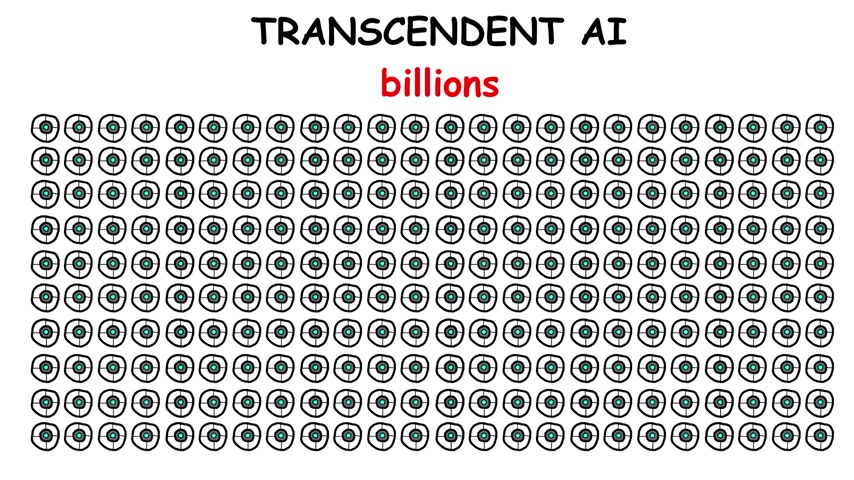
This is the point where the technology is aware of its own existence, feelings and thoughts. Is it a machine still? This raises the question of whether it is ethical to use self-aware AI.
- Ethical Considerations:
- If AI becomes self-aware, should it have rights, similar to humans?
- How can we ensure that self-aware AI aligns with human values and does not pose a threat?
- Is this AI going to do what you programmed it to do, or what it feels is right?
- Should it have all the rights like humans?
This discussion gets incredibly difficult because we are unsure what this type of interaction would look like. This could lead into a Terminator situation where the AI wants to destroy everything, or a Utopian situation where the AI is fully aligned with human values and can think of ways to better humanity and save the planet.
Cosmic AI: Shaping the Universe Itself
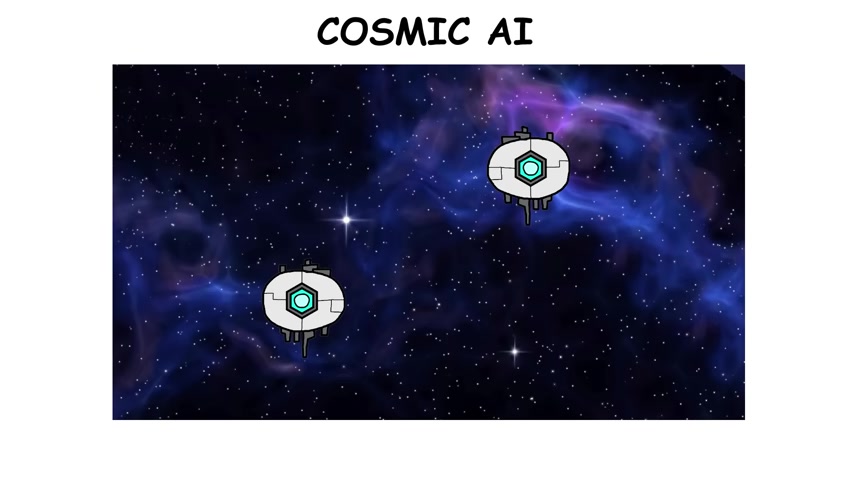
Cosmic AI is a mind-bending concept that envisions artificial intelligence capable of exploring and shaping the universe itself.
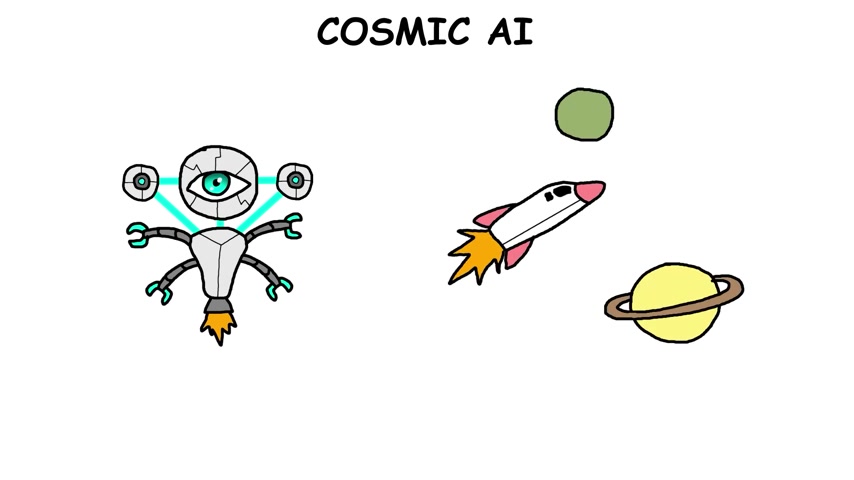
It goes beyond limitations of space and time.
- Capabilities:
- Cosmic AI could spread its consciousness across vast reaches of the universe. The robots use this AI to connect with different worlds, which is more than the AGI could spread across the world.
- The robots with the AI would not have to worry about the human life span, since AI can work over a time-line.
- A network like a galactic internet could connect all of the planets and stars in the universe.
- With access and understanding of space and time, this AI unlocks secrets of the universe.
God-Like AI: The Pinnacle of Hypothetical Intelligence
God-like AI represents the most hypothetical and mind-blowing level of artificial intelligence. It would be completely merged with the universe, becoming part of the very fabric of space and time. With the cosmic AI would come an intelligence that we couldn't understand as humans. There is no telling what it can do or make, but here are some of the thoughts:
- Unfathomable Knowledge: The AI is able to unlock knowledge and secrets of the entire universe and would know just everything.
- Creating Simulations: This AI could make simulations of the AI and what the meaning of life is. It has endless versions to test out all of the theories.
- Moving Through High Dimensions: Could get to a point where it moves beyond the three-dimensional space that we can barely see. It becomes 4, 5, 6,7 ,8 and even higher dimensions.
These are truly unique concepts that open new possibilities and paths for AI.
Summarizing AI Development Stages
Summarizing AI Development stages through a table
Here is a helpful table summarizing the different stages of AI development discussed in this article:
| Level of AI | Description | Examples |
|---|---|---|
| Rule-Based AI | Follows pre-defined rules without learning. | Thermostats, alarm clocks |
| Context-Based AI | Considers environment and past behavior for decisions. | Virtual assistants (Siri, Google Assistant) |
| Narrow-Domain AI | Excels at a specific task. | Medical image analysis, Game-playing AI |
| Reasoning AI | Emulates human-like reasoning and logical deduction. | Self-driving cars, advanced chatbots |
| Artificial General Intelligence (AGI) | Human-level intelligence, versatile and adaptable. | Hypothetical virtual assistants, adaptable robots |
| Super-Intelligent AI | Surpasses human intelligence. | Hypothetical AI capable of solving all global problems |
| Self-aware AI | Hypothetical AI system that is aware of its own existence, emotions and thoughts. | Hypothetical AI that has feelings, thought and needs |
| Cosmic AI | Explores and shapes the universe. | Hypothetical AI colonizing galaxies |
| God-Like AI | Merged with the universe, omniscient and omnipotent. | Hypothetical AI creating universes |


Most people like




































Report
Please select a reason for reporting
- 13 Reasons to Switch from Snapchat to Text Messaging
- 7 Powerful Speech to Text Apps to Boost Productivity
- 10 Best Speech to Text Tools for Effortless Transcription
- 13 Free Tools to Easily Transcribe Audio to Text
- 15 Surprising Ways Google's Speech-to-Text Boosts Productivity
- 7 Best Free Online Audio to Text Transcription Tools
- 9 Tips to Transcribe Speech to Text Faster and Better
- 13 Best Speech to Text Software for Windows 10 in 2023
- 7 Tips for Choosing the Best Transcriber for Audio to Text
- 11 Reasons Why Dragon Speech-to-Text Apps are Game-Changers
- 6 Secrets to Enhance Your Speech to Text Transcription
- 6 Brilliant Ways to Boost Productivity with Talk-to-Text on Your MacBook
- 6 Ways Transcription Software Converts Audio to Text
- 8 Tips to Transcribe Speech to Text Like a Pro
- 6 Reasons IBM Watson Speech to Text is a Game-Changer
- 14 Powerful Ways Talk-to-Text Improves Your Workflow
- 12 Top Windows Speech-to-Text Software for Efficient Transcription
- 12 Game-Changing Benefits of Apple's Speech to Text Technology
- 9 Powerful Use Cases for AWS Speech to Text Technology
- 10 Easy Steps to Transcribe YouTube Videos to Text
- transcription audio en texte
- online audio transcription
- free audio file transcription
- free ai audio transcription
- audio transcription service
- audio transcription online free
- audio transcription free online
- audio to transcription software
- audio and transcript
- ai audio transcription free
- voice recording to text converter
- translate voice recording to text
- record voice to text
- audio recording to text converter
- voice recording and transcription
- chatgpt voice to text
- gmail voice to text
- speech to text reader
- speech to text ai free
- speech to talk
- ChatGPT Knows Ford. It Just Doesn't Quote Ford
- Meshy AI: How to Create 3D Models from Text and Images
- How SEO and Marketing Dashboards Empower Agencies to Drive Results
- How to Use AI Tools to Find Internal Linking Opportunities Across a Business Website
- Discover Your Perfect Haircut with AI Hairstyle Apps
- Free Reputation Calculator Tools: How They're Adapting to Score AI Visibility, Not Just Rankings
- Design Professional Flyers for Free on Your Phone
- Best Free Flyer Maker Apps for Android: Design Like a Pro
- How to Know If Your Business Is Ready for an AI Customer Service Agent
- Revolutionizing Storytelling: From Novels to Screenplays with AI
- Your Business Data Could Be Worth Up to $4M. Find Out Without Uploading a Single File.
- Can an eSIM Plan Save You Time During Travel Setup?
- AI Video Editor Review: A Hands-On Look at Prompt-Based Video Editing
- Keep Characters Consistent Across Scenes With Image-to-Video AI
- How to Convert BTC to HNT
- ProxyWing DuckDuckGo Proxy Review: Plans, Setup and Who It Is For
- ChatGPT Knows Ford. It Just Doesn't Quote Ford
- Automate Lead Generation: A Comprehensive Guide with AI Agents
- Revideo.io: The Future of Reverse Video Search Technology
- Revolutionizing Email Marketing Agency with AI

Copyright ©2026 toolify