































Table of Contents
- Key Points
- The Power of Rapid SQL Database Deployment
- Real-World Examples of Cutting-Edge Data Integration
- Evaluating the Advantages and Disadvantages
- Key Features
- Practical Applications
- Frequently Asked Questions
- Related Questions



The Power of Rapid SQL Database Deployment
Instant SQL Database Creation

The ability to create a SQL database in seconds marks a significant leap forward in database management. Traditional methods often involve lengthy setup times, resource allocation, and complex configurations. With this new solution, you can bypass these hurdles and have a fully functional database ready to go almost immediately. This speed is particularly beneficial for:
- Rapid Prototyping: Quickly test and iterate on new database designs without significant delays.
- Scalability: Easily spin up additional databases to handle growing data needs.
- Disaster Recovery: Restore database functionality swiftly in the event of an outage.
The benefits of rapid SQL database deployment Translate into significant time and cost savings. Businesses can focus on leveraging their data rather than wrestling with the complexities of database administration. This is a Game-changer for organizations that need to be agile and responsive to changing market demands.
Seamless Connectivity Across Data Types
One of the most compelling features of this solution is its ability to seamlessly connect to both operational and analytical data. Operational data is the real-time information generated by day-to-day business activities, while analytical data is historical information used for trend analysis and strategic decision-making.
By integrating these two data streams, businesses can gain a comprehensive view of their operations and make more informed decisions. This seamless connectivity offers several advantages:
- Real-time Insights: Access up-to-date information for immediate decision-making.
- Comprehensive Analysis: Combine historical and current data to identify trends and Patterns.
- Improved Efficiency: Streamline data workflows and reduce the need for manual data integration.
This level of integration is critical for businesses that need to react quickly to changing market conditions and optimize their operations in real-time.
Multi-Cloud Data Management
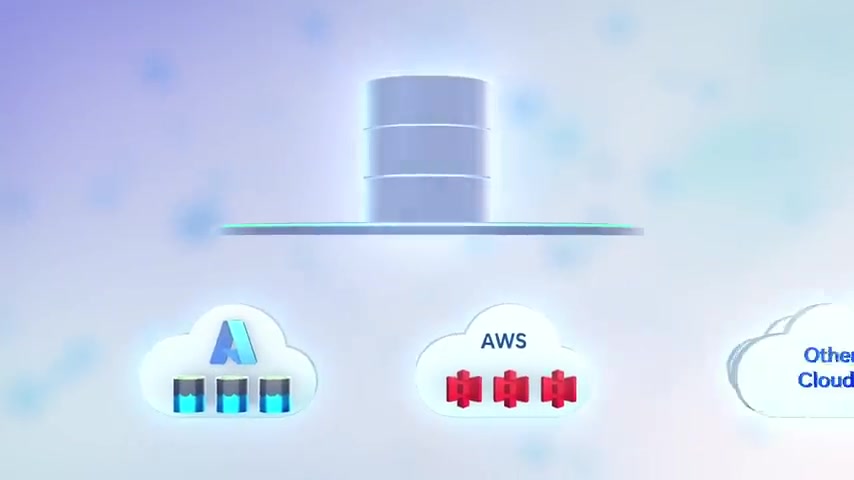
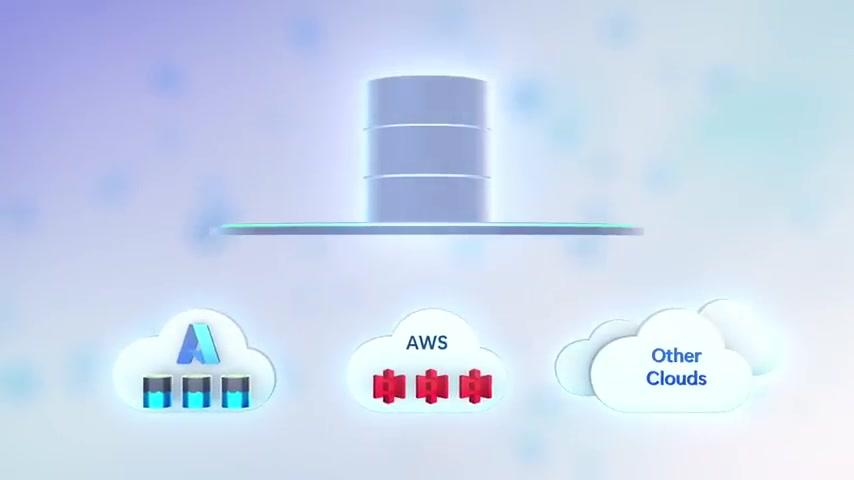
In today's distributed IT landscape, many organizations rely on multiple cloud platforms to meet their diverse needs. Managing data across these different clouds can be a complex and challenging task. This solution simplifies multi-cloud data management by providing a unified platform for accessing and managing data regardless of its location. This offers:
- Centralized Control: Manage data across multiple clouds from a single interface.
- Data Consistency: Ensure data integrity and consistency across different platforms.
- Cost Optimization: Optimize data storage and processing costs by leveraging the strengths of each cloud provider.
With multi-cloud data management, businesses can avoid vendor lock-in and take advantage of the best services offered by each cloud provider. This flexibility is essential for organizations that want to maintain a competitive edge in the marketplace.
Real-World Examples of Cutting-Edge Data Integration
E-commerce Personalization
Imagine an e-commerce giant leveraging a solution like the one described to personalize every customer's shopping experience.

With rapid SQL database deployment, they can quickly create new databases to test different personalization strategies. Seamless connectivity allows them to combine operational data (real-time browsing behavior) with analytical data (past purchase history) to create a comprehensive view of each customer. Multi-cloud data management ensures that data from different sources (e.g., website, mobile app, social media) is readily available. And built-in vector support enables them to create vector embeddings of products and customer preferences, allowing for highly accurate and personalized recommendations. The result is a shopping experience that is tailored to each individual customer, leading to increased sales and customer loyalty. They can use services like Azure OpenAI (azure_openai.create_embeddings) to create embeddings which is added to the content of the data base. This will allow for more efficient searching.
Financial Services Risk Management
In the financial services industry, risk management is paramount. Banks and other financial institutions can use this solution to improve their ability to detect and prevent fraud, manage risk, and comply with regulations. Rapid SQL database deployment allows them to quickly create new databases for different risk models. Seamless connectivity enables them to combine data from different sources (e.g., transaction data, credit reports, market data) to create a comprehensive view of each customer and transaction. Multi-cloud data management ensures that data from different systems is readily available for analysis. And built-in vector support allows them to create vector embeddings of transactions and customer profiles, enabling them to identify patterns that may indicate fraud or other risks. The result is a more robust and effective risk management system.
Key Features
Built-in Vector Support
The integration of vector support directly into the SQL database represents a significant advancement in data processing capabilities. Vector support allows for the efficient storage and retrieval of vector embeddings, which are numerical representations of data that capture semantic meaning. This is particularly useful for:
- Similarity Search: Quickly find data points that are similar to a given query.
- Recommendation Systems: Generate personalized recommendations based on user preferences.
- Anomaly Detection: Identify unusual patterns in data that may indicate fraud or other issues.
By incorporating vector support directly into the database, businesses can avoid the need for separate vector storage and retrieval systems. This simplifies the data architecture and improves performance, allowing for more efficient and effective data analysis.







Most people like




































Report
Please select a reason for reporting
- 13 Reasons to Switch from Snapchat to Text Messaging
- 7 Powerful Speech to Text Apps to Boost Productivity
- 10 Best Speech to Text Tools for Effortless Transcription
- 13 Free Tools to Easily Transcribe Audio to Text
- 15 Surprising Ways Google's Speech-to-Text Boosts Productivity
- 7 Best Free Online Audio to Text Transcription Tools
- 9 Tips to Transcribe Speech to Text Faster and Better
- 13 Best Speech to Text Software for Windows 10 in 2023
- 7 Tips for Choosing the Best Transcriber for Audio to Text
- 11 Reasons Why Dragon Speech-to-Text Apps are Game-Changers
- 6 Secrets to Enhance Your Speech to Text Transcription
- 6 Brilliant Ways to Boost Productivity with Talk-to-Text on Your MacBook
- 6 Ways Transcription Software Converts Audio to Text
- 8 Tips to Transcribe Speech to Text Like a Pro
- 6 Reasons IBM Watson Speech to Text is a Game-Changer
- 14 Powerful Ways Talk-to-Text Improves Your Workflow
- 12 Top Windows Speech-to-Text Software for Efficient Transcription
- 12 Game-Changing Benefits of Apple's Speech to Text Technology
- 9 Powerful Use Cases for AWS Speech to Text Technology
- 10 Easy Steps to Transcribe YouTube Videos to Text
- transcription audio en texte
- online audio transcription
- free audio file transcription
- free ai audio transcription
- audio transcription service
- audio transcription online free
- audio transcription free online
- audio to transcription software
- audio and transcript
- ai audio transcription free
- voice recording to text converter
- translate voice recording to text
- record voice to text
- audio recording to text converter
- voice recording and transcription
- chatgpt voice to text
- gmail voice to text
- speech to text reader
- speech to text ai free
- speech to talk
- How SEO and Marketing Dashboards Empower Agencies to Drive Results
- How to Use AI Tools to Find Internal Linking Opportunities Across a Business Website
- Discover Your Perfect Haircut with AI Hairstyle Apps
- Free Reputation Calculator Tools: How They're Adapting to Score AI Visibility, Not Just Rankings
- Design Professional Flyers for Free on Your Phone
- Best Free Flyer Maker Apps for Android: Design Like a Pro
- How to Know If Your Business Is Ready for an AI Customer Service Agent
- Revolutionizing Storytelling: From Novels to Screenplays with AI
- Create Engaging Animated Explainer Videos with a Free AI Tool
- Stop Multi-Subscribing: Benchmark Top AI Visual Models in One Canvas
- My Honest Experience with VideoAI: The Secret Weapon for Creators Who Need Character Voices
- 5 Data Problems That Stall AI Projects in Financial Compliance
- Master Storyboard Drawing: Expert Tips for Non-artists
- The Future of Smart Glasses: Explained & Assembling Guide
- DeepL Translator: The AI-Powered Translation Tool
- AI Video Upscaling: Top Tools Compared for Enhanced Quality
- Bridging the Gap: How One Indie Developer Solved the "Art Asset Nightmare" Using AI Style Transfer
- How I Direct Consistent AI Clips: A Hands-On Guide to Multi-Model Generation
- My Honest Review of VideoAI: The Ultimate Character Voice Generator I've Been Using Lately
- Why do so many AI tools underdeliver for online stores?

Copyright ©2026 toolify