






Table of Contents
- Key Points
- The Rise of Data Analytics in Modern Audits
- Building a Data-Driven Audit Practice
- How to Transform Your Audit Practice with Data Analytics
- Understand Analytics as a Service
- Pros and Cons of Data-Driven Audits
- The Features of Data-Driven Audit Solutions
- Use Cases for Data-Driven Audit Implementations
- FAQ
- Related Questions



The Rise of Data Analytics in Modern Audits
Why Clients Now Demand Data-Driven Audits
The modern business landscape is awash in data, and clients are increasingly aware of its potential value. They want their auditors to move beyond simply verifying financial statements and instead provide actionable insights that can help them improve their business operations. Clients want their audit processes optimized with data analytics and data tools.
This shift in expectations is driving accounting firms to embrace data analytics as a core competency. The question of how do you deliver client value is a major concern for the modern auditor. Clients want to know if the tools you're using are going to help them manage their business.
Data analytics not only addresses these demands but also transforms the audit from a reactive compliance exercise to a proactive strategic tool. Clients recognize that data-driven insights can inform decision-making, identify risks, and uncover opportunities for growth. It’s no longer sufficient to simply confirm the numbers; clients need to understand the story the numbers tell. This story includes the firm investing in building the data to help accommodate the audit, the client hiring them to consult and then using the client's data tools. The auditor can now also carry out their tasks and help the client at the same time creating a win-win situation.
The Shift from Traditional to Data-Driven Audits
Traditional audits often involve manual processes, sampling techniques, and a retrospective focus. While these methods are still relevant, they can be time-consuming, resource-intensive, and limited in scope. Data analytics, on the other hand, enables auditors to analyze entire populations of data, identify anomalies, and detect patterns that might otherwise go unnoticed. This allows for a more comprehensive and efficient audit process.
Furthermore, data-driven audits can provide real-time insights, enabling clients to address issues proactively rather than reactively.
The auditor is able to get a tool that the client is using, which can then help them carry out their work. This shift requires a fundamental change in mindset, with auditors needing to develop strong analytical skills and a deep understanding of data management and interpretation. The auditor brings change into your processes and is a key stakeholder in the client's process to improve.
Accommodating the needs of the modern client
Accommodating clients requires a new look at processes and data management.
This new look can be accommodated by:
-
Changing data sets.
-
Looking at different ways to interact with you throughout the year.
-
The auditor is in a relationship that is more than just a box ticking exercise.
-
Realizing they are going to be spending the money anyway.
-
They might as well get something valuable.
Building a Data-Driven Audit Practice
Investing in the Right Tools and Training
To successfully implement data analytics in audit, accounting firms must invest in the right tools and training. This includes acquiring advanced analytics software, data visualization platforms, and data mining tools. It also requires providing auditors with the necessary training to effectively use these tools and interpret the results. Many software vendors offer training courses, certifications, and ongoing support to help firms get the most out of their data analytics investments.
The firm must invest in data stuff to help accommodate the audit. The client will be pleased.
Inflo is one such company that provides The Complete Digital Accounting Platform for accounting and auditing firms.
Website: inflosoftware.com
- Provides a bookshelf tool for auditors to make decisions to publish some of those analysis to clients.
- Clients get access to a dynamic dashboard to review the kind of things that you're reviewing.
- Clients are completely interested in that piece.
By getting to the right information and giving them something as an output, both clients and auditors benefit.
The Collaborative Approach: Engaging Clients in the Process
Implementing data analytics in audit is not simply about adopting new technology; it’s also about fostering a collaborative relationship with clients. Auditors should engage clients in the process, seeking their input on data sources, analytical objectives, and reporting formats. This collaborative approach ensures that the audit is tailored to the client’s specific needs and that the insights generated are relevant and actionable.
As the point maker said: You’d like to get the right information from them at the right time and make their life easier for them to give you the things you need.
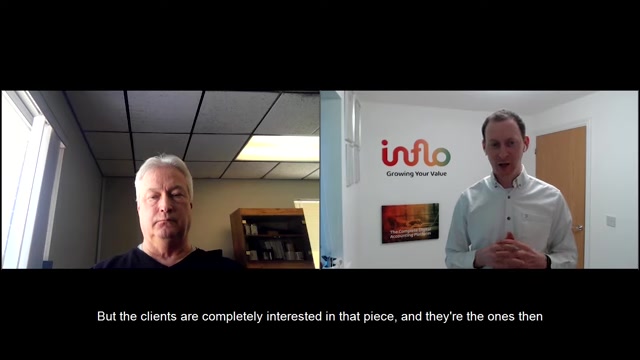
You also want to come back to them with something from that data, from that information, that they don’t already know. In other words, you want to give them something you call as an output.
Streamlining Audit Processes and Enhancing Focus
With data analytics, auditors can streamline their processes, reducing the time and resources required for routine tasks. This allows them to focus on more complex and judgmental areas, such as risk assessment, fraud detection, and internal control evaluation. By automating many of the manual tasks associated with traditional audits, firms can improve efficiency and deliver higher-quality services to clients.
This shift not only benefits the firm but also enhances the client experience. Clients appreciate the faster turnaround times, reduced disruption, and more focused insights that data analytics provides.





Most people like



































Report
Please select a reason for reporting
- 13 Reasons to Switch from Snapchat to Text Messaging
- 7 Powerful Speech to Text Apps to Boost Productivity
- 10 Best Speech to Text Tools for Effortless Transcription
- 13 Free Tools to Easily Transcribe Audio to Text
- 15 Surprising Ways Google's Speech-to-Text Boosts Productivity
- 7 Best Free Online Audio to Text Transcription Tools
- 9 Tips to Transcribe Speech to Text Faster and Better
- 13 Best Speech to Text Software for Windows 10 in 2023
- 7 Tips for Choosing the Best Transcriber for Audio to Text
- 11 Reasons Why Dragon Speech-to-Text Apps are Game-Changers
- 6 Secrets to Enhance Your Speech to Text Transcription
- 6 Brilliant Ways to Boost Productivity with Talk-to-Text on Your MacBook
- 6 Ways Transcription Software Converts Audio to Text
- 8 Tips to Transcribe Speech to Text Like a Pro
- 6 Reasons IBM Watson Speech to Text is a Game-Changer
- 14 Powerful Ways Talk-to-Text Improves Your Workflow
- 12 Top Windows Speech-to-Text Software for Efficient Transcription
- 12 Game-Changing Benefits of Apple's Speech to Text Technology
- 9 Powerful Use Cases for AWS Speech to Text Technology
- 10 Easy Steps to Transcribe YouTube Videos to Text
- transcription audio en texte
- online audio transcription
- free audio file transcription
- free ai audio transcription
- audio transcription service
- audio transcription online free
- audio transcription free online
- audio to transcription software
- audio and transcript
- ai audio transcription free
- voice recording to text converter
- translate voice recording to text
- record voice to text
- audio recording to text converter
- voice recording and transcription
- chatgpt voice to text
- gmail voice to text
- speech to text reader
- speech to text ai free
- speech to talk
- Meshy AI: How to Create 3D Models from Text and Images
- How SEO and Marketing Dashboards Empower Agencies to Drive Results
- How to Use AI Tools to Find Internal Linking Opportunities Across a Business Website
- Discover Your Perfect Haircut with AI Hairstyle Apps
- Free Reputation Calculator Tools: How They're Adapting to Score AI Visibility, Not Just Rankings
- Design Professional Flyers for Free on Your Phone
- Best Free Flyer Maker Apps for Android: Design Like a Pro
- How to Know If Your Business Is Ready for an AI Customer Service Agent
- Revolutionizing Storytelling: From Novels to Screenplays with AI
- Create Engaging Animated Explainer Videos with a Free AI Tool
- Revideo.io: The Future of Reverse Video Search Technology
- Revolutionize Learning: Discover Quizzes AI for Engaging Interactive Quizzes
- Revolutionizing Email Marketing Agency with AI
- Breaking the Character Drift Dilemma: A Practical Test of Smart Shot
- Meshy AI: How to Create 3D Models from Text and Images
- ASOMobile Helps Teams Benchmark App Store Screenshots Against Competitors
- How to Match LMS Software With Your Organization's Training Plan
- How to Convert BTC to HNT
- Unleashing the Power of AI: Cognizant's Roadmap for Transformation
- Frame to Video Review: A Practical Look at Turning Two Still Frames Into Motion

Copyright ©2026 toolify