Unlocking Creativity: Image Generation with Artificial Intelligence

Updated on Jun 21,2025

Table of Contents

In an increasingly visual world, the ability to generate compelling images is a valuable asset. Fortunately, artificial intelligence (AI) is making it easier than ever to bring your creative visions to life. This article will guide you through the exciting realm of AI image generation, exploring the tools, techniques, and best practices to help you create stunning visuals effortlessly. Whether you're a seasoned designer or a curious beginner, prepare to unlock your creative potential with the power of AI. This comprehensive guide provides valuable insights into using AI image generators effectively.

Key Points

AI image generation tools are user-friendly and accessible to individuals with varying skill levels.

The quality of AI-generated images heavily relies on the specificity and clarity of the prompts provided.

Experimenting with different prompts and settings is crucial for achieving desired results.

Iterative refinement of prompts can significantly improve the output quality.

AI image generators can be used for various purposes, including art creation, design prototyping, and content marketing.

Prompt engineering is an essential skill for maximizing the potential of AI image generation.

Introduction to AI Image Generation

What is AI Image Generation?

AI image generation, at its core, involves using sophisticated algorithms to create images from textual descriptions or other forms of input. These algorithms, often based on deep learning models, learn to associate words, phrases, and styles with visual representations. By providing specific instructions, users can guide the AI to produce unique and customized images. The field of AI image generation has seen rapid advancements, making it a powerful tool for artists, designers, marketers, and anyone seeking to create visuals without extensive technical skills. The process leverages machine learning techniques to interpret and Translate textual prompts into coherent and visually appealing images. This transformative technology is rapidly changing the creative landscape.

AI image generation tools empower users to produce high-quality visuals with minimal effort. These tools democratize creativity, enabling anyone to bring their ideas to life. From generating abstract art to creating realistic prototypes, the possibilities are virtually limitless. The technology's ability to understand and interpret complex prompts makes it invaluable for a wide range of applications. The evolution of AI image generation has opened up new avenues for innovation and artistic expression.

The key to successful AI image generation lies in understanding how to craft effective prompts. Prompts are essentially the instructions given to the AI, telling it what to create. The more specific and detailed the prompt, the better the AI can understand the desired outcome. This involves not only describing the subject matter but also specifying the style, color palette, and even the emotional tone of the image. Mastering the art of Prompt engineering is crucial for achieving consistently high-quality results. Experimentation and iterative refinement are essential components of this process.

Practical Guide to Generating Images

Crafting Effective Prompts for AI Image Generation

The most critical aspect of AI image generation is crafting effective prompts. A well-crafted prompt serves as a detailed blueprint for the AI, guiding it to create the desired image. To achieve optimal results, consider the following guidelines:

  1. Be Specific:

    Avoid vague or ambiguous language. Instead, provide concrete details about the subject, setting, and style of the image. For instance, instead of simply saying "a house," try "a Victorian-style house with a wraparound porch, set in a lush garden at sunset."

  2. Include Keywords: Incorporate Relevant keywords that help the AI understand the context and style of the image. For example, if you want a painting in the style of Van Gogh, include keywords like "Impressionism," "thick brushstrokes," and "vibrant colors."
  3. Specify the Style: Indicate the desired style or artistic medium for the image. This could include painting, Photography, digital art, or a specific artistic movement like Surrealism or Cubism.
  4. Define the Color Palette: Describe the color scheme you want the AI to use. This could involve specifying particular colors, such as "warm tones of red, orange, and yellow," or describing the overall mood, like "a cool, monochromatic palette of blues and grays."
  5. Add Emotional Tone: Convey the desired emotional tone or mood of the image. This could include words like "serene," "dramatic," "whimsical," or "mysterious."
  6. Iterate and Refine: Don't be afraid to experiment with different prompts and settings. If the initial results are not satisfactory, revise your prompt and try again. Iterative refinement is key to achieving the desired outcome. Regularly re-work the generated image to match your design choices.

Example Prompts:

  • Good: "A photorealistic portrait of a young woman with piercing blue eyes, standing in a dimly lit alleyway, wearing a leather jacket."
  • Better: "A digital painting of a futuristic cityscape at night, with NEON lights reflecting on wet streets, in the style of Syd Mead."
  • Best: "A surrealist landscape featuring melting clocks and distorted figures, in the style of Salvador Dali, with a color palette of muted pastels and dreamlike atmosphere."

The importance of prompt engineering cannot be overstated. It's the key to unlocking the full potential of AI image generators. By mastering the art of prompt creation, you can guide the AI to produce stunning visuals that Align with your creative vision.

Step-by-Step Guide to Generating an Image

Generating an Image using AI

Follow these steps to create images with AI Tools:

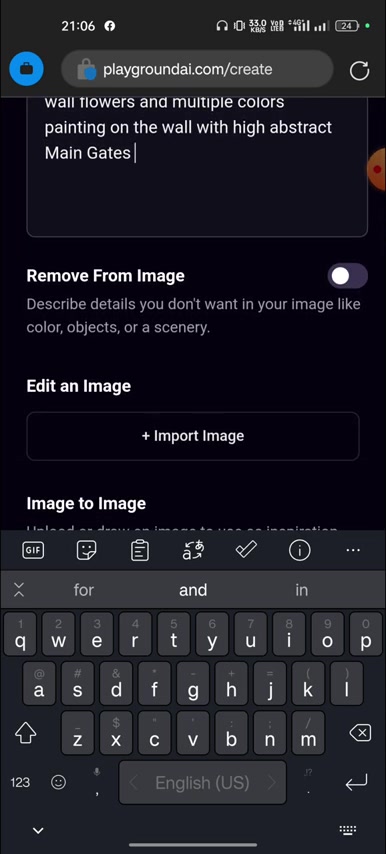
Step 1: Access an AI Image Generator

Start by selecting an AI image generation platform. Several popular options are available, each with its own unique features and capabilities. Some well-regarded platforms include:

  • DALL-E 2: Known for its ability to create highly detailed and realistic images from text prompts.
  • Midjourney: Renowned for its artistic and dreamlike image generation capabilities.
  • Stable Diffusion: An open-source alternative that offers flexibility and customization options.
  • RunwayML: A comprehensive platform that provides a wide range of AI-powered creative tools, including image generation.
  • NightCafe Creator: Offers multiple AI image generation methods and a community focus.

Once you've chosen a platform, sign up for an account and familiarize yourself with its interface.

Step 2: Craft a Detailed Prompt

The key to successful AI image generation lies in crafting a detailed and specific prompt. The prompt should clearly describe the image you want to create, including the subject, style, color palette, and emotional tone. Refer to the guidelines discussed earlier for creating effective prompts.

Step 3: Input the Prompt into the AI Image Generator

Once you've crafted your prompt, input it into the AI image generator. Most platforms provide a text box or input field where you can enter your prompt. Some platforms also allow you to upload an initial image to use as a starting point or reference.

Step 4: Generate the Image

After inputting your prompt, initiate the image generation process. The AI will analyze your prompt and create an image based on its understanding of the instructions. The generation process may take a few seconds to several minutes, depending on the complexity of the prompt and the platform's processing power.

Step 5: Review and Refine

Once the image is generated, carefully review the results. Does the image align with your vision? Are there any aspects that need improvement? If the initial results are not satisfactory, revise your prompt and try again. This iterative process of review and refinement is essential for achieving optimal results.

Step 6: Experiment with Settings

Most AI image generation platforms provide a range of settings that allow you to fine-tune the image generation process. These settings may include parameters like:

  • Aspect Ratio: Controls the Dimensions of the image.
  • Image Resolution: Determines the level of detail in the image.
  • Style Intensity: Influences the strength of the specified style.
  • Randomness: Affects the degree of variation in the generated images.

Experimenting with these settings can help you achieve different effects and tailor the image to your specific needs.

Step 7: Save and Use the Image

Once you're satisfied with the generated image, save it to your computer or device. Most platforms offer various download options, including different file formats (e.g., JPEG, PNG) and resolutions. With your newly created image in HAND, you can use it for a variety of purposes, such as:

  • Art creation
  • Design prototyping
  • Content marketing
  • Social media
  • Presentations
  • Personal projects

Pricing Models of AI Image Generators

Understanding the cost of AI Image generation

The pricing structures for AI image generators vary depending on the platform and usage requirements. Many platforms offer a free tier with limited capabilities, allowing users to experiment with the tools before committing to a paid subscription. Here's an overview of typical pricing models:

  • Free Tier:
    • Limited number of image generations per month.
    • Lower image resolution.
    • Watermarks on generated images.
    • Restricted access to advanced features.
  • Subscription-Based:
    • Monthly or annual subscription fees.
    • Higher image generation limits.
    • Higher image resolution.
    • No watermarks.
    • Access to advanced features.
    • Priority processing.
  • Pay-Per-Image:
    • Credits or tokens purchased for each image generation.
    • Cost varies based on image resolution and complexity.
    • Suitable for occasional users.
  • Enterprise Solutions:
    • Custom pricing plans for businesses with high-volume image generation needs.
    • Dedicated support and service-level agreements.

Here's a sample pricing comparison table for popular AI image generators:

Platform Free Tier Subscription Plans Pay-Per-Image Enterprise Solutions
DALL-E 2 Limited credits per month $15 per month for 115 credits N/A Custom pricing
Midjourney Limited free generations $10-$60 per month, various features N/A Custom pricing
Stable Diffusion Open source (free to use) N/A Cost depends on compute resources used Custom deployment and support available
RunwayML Limited free credits $12-$76 per month, various features Custom Custom pricing
NightCafe Creator Limited free creations per day $5.99-$79.99 per month for various credits Credits packs from $4.99 for 500 credits N/A

Before committing to a specific platform, carefully evaluate your usage requirements and budget. Consider the number of images you plan to generate, the desired image resolution, and the features you need. Compare the pricing plans of different platforms to find the best value for your needs. The landscape is always evolving, so continuous checking is important.

Pros and Cons of AI Image Generation

👍 Pros

Increased efficiency in image creation

Ability to generate unique and original visuals

Accessibility for individuals with limited design skills

Cost-effectiveness compared to traditional methods

Potential for rapid prototyping and experimentation

👎 Cons

Ethical concerns related to bias and representation

Potential for job displacement for artists and designers

Risk of misuse for misinformation and deepfakes

Complex legal issues surrounding copyright and ownership

Lack of control over the creative process compared to traditional methods

Key Features of AI Image Generators

Exploring Capabilities

AI image generators offer a rich set of features that cater to diverse creative needs. Some of the most notable features include:

  1. Text-to-Image Generation: The ability to create images from textual descriptions is the cornerstone of AI image generation. This feature allows users to translate their ideas and concepts into visual representations with remarkable accuracy.
  2. Image-to-Image Transformation: AI image generators can transform existing images into new styles or variations. This feature is useful for creating consistent visual themes across multiple images or exploring different artistic interpretations of the same subject.
  3. Style Transfer: AI can transfer the style of one image to another, allowing you to apply the aesthetic of a famous painting to a photograph or vice versa.
  4. Inpainting: AI can fill in missing or damaged parts of an image, seamlessly repairing imperfections or expanding the canvas.
  5. Outpainting: AI can extend the boundaries of an existing image, generating new content that blends seamlessly with the original.
  6. Upscaling: AI can increase the resolution of an image without sacrificing quality, allowing you to create high-resolution visuals from low-resolution sources.
  7. Customization Options: AI image generators offer a range of customization options, allowing users to fine-tune the image generation process and tailor the results to their specific needs. These options may include parameters like aspect ratio, image resolution, style intensity, and randomness.

  8. Community Features: Many AI image generation platforms foster a sense of community, allowing users to share their creations, provide feedback, and collaborate on projects.

Use Cases for AI Image Generation

Diverse Applications of AI-Generated Images

AI image generation has a wide range of applications across various industries and creative domains. Some of the most prominent use cases include:

  1. Art Creation: AI empowers artists to explore new creative avenues, generate unique artwork, and experiment with different styles and techniques. AI can serve as a powerful tool for artistic expression and collaboration.
  2. Design Prototyping: Designers can use AI to quickly prototype different design concepts, Visualize product ideas, and iterate on designs with ease. AI accelerates the design process and reduces the time and cost associated with traditional prototyping methods.
  3. Content Marketing: Marketers can leverage AI to create engaging visuals for social media, blog posts, and Advertising campaigns. AI enables marketers to generate high-quality content at Scale and personalize visuals for different target audiences.
  4. E-commerce: E-commerce businesses can use AI to generate product images, create lifestyle visuals, and enhance product descriptions. AI improves the visual appeal of online stores and enhances the customer shopping experience.
  5. Gaming: Game developers can use AI to create textures, environment art, and character designs. AI accelerates the game development process and reduces the time and cost associated with creating high-quality Game assets.
  6. Virtual Reality: VR developers can use AI to generate immersive environments, realistic textures, and interactive objects. AI enhances the realism and interactivity of virtual reality experiences.
  7. Education: Educators can use AI to create educational visuals, illustrate complex concepts, and engage students with interactive learning materials. AI makes learning more engaging and accessible.

Frequently Asked Questions

Can I use AI-generated images for commercial purposes?
Yes, you can generally use AI-generated images for commercial purposes, depending on the terms of service of the AI image generation platform you are using. Some platforms may require you to purchase a commercial license or provide attribution to the platform. Always review the terms of service carefully before using AI-generated images for commercial projects. You should ensure that the image does not infringe upon any existing copyrights or trademarks. You should consider consulting with a legal professional to ensure your usage complies with all applicable laws and regulations. Remember, the legal landscape around AI-generated content is constantly evolving.
Are there any copyright issues with AI-generated images?
Copyright issues surrounding AI-generated images are complex and evolving. Currently, copyright law generally requires human authorship for a work to be copyrightable. If an AI generates an image autonomously without significant human input, it may not be eligible for copyright protection. However, if you significantly modify or transform an AI-generated image, you may be able to claim copyright over your modifications. It's important to stay informed about the latest developments in copyright law and consult with a legal professional if you have specific concerns.
How can I improve the quality of AI-generated images?
Improving the quality of AI-generated images involves several strategies: Craft More Specific Prompts: Provide detailed and descriptive prompts that clearly communicate your vision to the AI. Experiment with Different Platforms: Try different AI image generation platforms to find the one that best suits your needs and style. Iterate and Refine: Review the initial results and refine your prompts based on the feedback from the AI. Use High-Resolution Images: Generate images at a high resolution to capture more detail and avoid pixelation. Post-Processing: Enhance the generated images with post-processing techniques, such as color correction, sharpening, and noise reduction. Combine AI with Traditional Methods: Use AI as a starting point and combine it with traditional artistic techniques to create truly unique and original works.

Related Questions

What are the ethical considerations of AI image generation?
The ethical considerations of AI image generation are multifaceted and warrant careful consideration. Some of the key ethical concerns include: Bias and Representation: AI models are trained on vast datasets, which may contain biases that reflect societal prejudices. This can lead to AI-generated images that perpetuate stereotypes or misrepresent certain groups. It's important to be aware of these biases and take steps to mitigate them. Job Displacement: The automation of image generation could lead to job displacement for artists and designers. It's important to consider the potential impact on the creative workforce and explore ways to support artists in adapting to the changing landscape. Misinformation and Deepfakes: AI can be used to create realistic but fake images, which could be used to spread misinformation or manipulate public opinion. It's important to be aware of the potential for misuse and develop strategies to detect and combat deepfakes. Copyright and Ownership: The legal and ethical implications of copyright and ownership of AI-generated images are still being debated. It's important to stay informed about the latest developments in this area and consider the ethical implications of using AI-generated images in commercial projects. Authenticity and Creativity: Some argue that AI-generated images lack the authenticity and creativity of human-created art. It's important to consider the role of AI in the creative process and whether it can truly replicate human artistic expression. Addressing these ethical concerns requires a collaborative effort involving AI developers, policymakers, artists, and the public. By engaging in open and informed discussions, we can ensure that AI image generation is used responsibly and ethically.

Most people like