































Ultimate PC Build Guide: From Intel to ASUS


Table of Contents
- Introduction
- Understanding PC Build Components
- Processors (CPUs)
- Choosing the Right Processor
- Intel vs. AMD: The Eternal Debate
- Motherboards
- Exploring Chipsets and Form Factors
- Compatibility Considerations
- RAM (Memory)
- Importance of RAM in PC Performance
- DDR4 vs. DDR5: Which is Better?
- Storage Options
- SSDs vs. HDDs: Speed vs. Capacity
- NVMe vs. SATA: The Interface Battle
- Graphics Cards (GPUs)
- Gaming vs. productivity GPUs
- Nvidia vs. AMD: The GPU War Continues
- Processors (CPUs)
- Building Your PC
- Planning Your Build
- Setting a Budget
- Defining Your Use Case
- Assembling the Components
- Step-by-Step Guide to PC Assembly
- Troubleshooting Common Issues
- Planning Your Build
- testing and Optimization
- BIOS Setup
- Configuring BIOS Settings
- Overclocking for Performance Boosts
- Operating System Installation
- Choosing the Right OS
- Installation Tips and Tricks
- Benchmarking and Performance Testing
- Tools and Methods for Evaluation
- Interpreting Benchmark Results
- BIOS Setup
- Conclusion
- Final Thoughts
- Looking Ahead to Future Upgrades
Building Your Dream PC: A Comprehensive Guide
Introduction
Building your own PC can be an incredibly rewarding experience, allowing you to tailor every component to your specific needs and preferences. In this guide, we'll walk you through everything you need to know to embark on this exciting journey.
Understanding PC Build Components
Processors (CPUs)
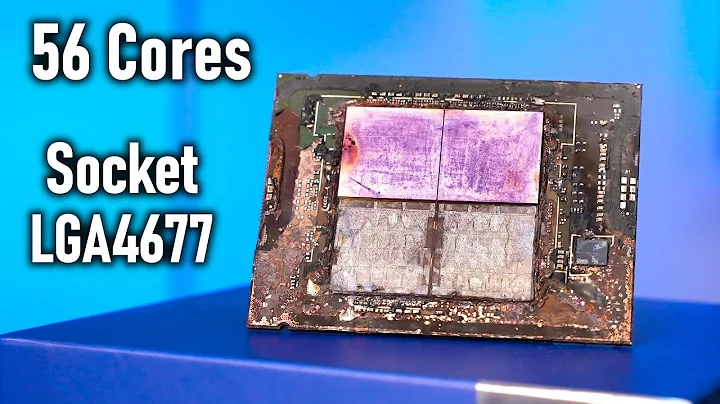
Choosing the right processor is crucial for determining the overall performance of your PC. Whether you opt for an Intel or AMD CPU depends on factors like budget, intended usage, and personal preference. We'll delve into the intricacies of each brand and help you make an informed decision.
Motherboards
Your motherboard serves as the foundation of your PC, facilitating communication between all components. We'll explore different chipsets, form factors, and compatibility considerations to ensure you select the perfect motherboard for your build.
RAM (Memory)
RAM plays a vital role in multitasking and overall system responsiveness. We'll discuss the importance of sufficient RAM and compare DDR4 and DDR5 memory technologies to help you make the right choice for your needs.
Storage Options
Choosing between SSDs and HDDs involves balancing speed and capacity requirements. Additionally, we'll dissect the differences between NVMe and SATA interfaces to determine which storage solution best suits your workflow.
Graphics Cards (GPUs)
Whether you're a gaming enthusiast or a content creator, selecting the right GPU is paramount. We'll compare Nvidia and AMD graphics cards, examining factors like performance, price, and software ecosystem to aid in your decision-making process.
Building Your PC
Planning Your Build
Before diving into assembly, it's crucial to establish a budget and define your PC's intended use case. Whether you're building a gaming rig or a workstation, proper planning ensures a smoother building process and satisfactory results.
Assembling the Components
From mounting the CPU to connecting power cables, we'll provide a step-by-step guide to assembling your PC. Additionally, we'll troubleshoot common issues that may arise during the build process, ensuring a hassle-free experience.
Testing and Optimization
BIOS Setup
Configuring BIOS settings and exploring overclocking options can unlock additional performance potential in your PC. We'll guide you through the BIOS setup process and offer tips for safely overclocking your components.
Operating System Installation
Choosing the right operating system is essential for maximizing compatibility and functionality. Whether you prefer Windows, macOS, or Linux, we'll provide installation tips and tricks to streamline the setup process.
Benchmarking and Performance Testing
Once your PC is up and running, it's time to evaluate its performance. We'll introduce benchmarking tools and methodologies to help you gauge the effectiveness of your build and identify areas for improvement.
Conclusion
Final Thoughts
Building your own PC is a gratifying endeavor that empowers you to create a custom system tailored to your needs. By understanding the nuances of each component and following best practices during assembly and optimization, you can achieve a truly exceptional computing experience.
Looking Ahead to Future Upgrades
As technology evolves, so too will your PC needs. Whether it's adding more RAM, upgrading your GPU, or adopting emerging technologies, the journey of PC building is an ongoing adventure filled with endless possibilities.
Highlights
- Comprehensive guide to building a custom PC from scratch.
- In-depth analysis of key components, including processors, motherboards, RAM, storage options, and graphics cards.
- Step-by-step assembly instructions with troubleshooting tips for a seamless building experience.
- Optimization techniques for maximizing performance through BIOS configuration, operating system installation, and benchmarking.
- Empowerment to tailor your PC to your specific needs and preferences, ensuring a gratifying computing experience.
Frequently Asked Questions
Q: Is building a PC difficult for beginners? A: While it may seem daunting at first, building a PC is entirely feasible for beginners with the right guidance and patience. Following step-by-step instructions and taking precautions against static electricity can help ensure a successful build.
Q: How much does it cost to build a custom PC? A: The cost of building a custom PC can vary widely depending on factors like component selection, brand preferences, and desired performance level. A basic budget build may start around $500, while high-end gaming rigs can exceed $2000 or more.
Q: Can I upgrade my PC components in the future? A: Yes, one of the advantages of building your own PC is the ability to upgrade individual components as needed. Whether you want to add more RAM, upgrade your GPU, or install faster storage drives, the modular nature of PC components makes future upgrades relatively straightforward.








Most people like











































Report
Please select a reason for reporting
- 13 Reasons to Switch from Snapchat to Text Messaging
- 7 Powerful Speech to Text Apps to Boost Productivity
- 10 Best Speech to Text Tools for Effortless Transcription
- 13 Free Tools to Easily Transcribe Audio to Text
- 15 Surprising Ways Google's Speech-to-Text Boosts Productivity
- 7 Best Free Online Audio to Text Transcription Tools
- 9 Tips to Transcribe Speech to Text Faster and Better
- 13 Best Speech to Text Software for Windows 10 in 2023
- 7 Tips for Choosing the Best Transcriber for Audio to Text
- 11 Reasons Why Dragon Speech-to-Text Apps are Game-Changers
- 6 Secrets to Enhance Your Speech to Text Transcription
- 6 Brilliant Ways to Boost Productivity with Talk-to-Text on Your MacBook
- 6 Ways Transcription Software Converts Audio to Text
- 8 Tips to Transcribe Speech to Text Like a Pro
- 6 Reasons IBM Watson Speech to Text is a Game-Changer
- 14 Powerful Ways Talk-to-Text Improves Your Workflow
- 12 Top Windows Speech-to-Text Software for Efficient Transcription
- 12 Game-Changing Benefits of Apple's Speech to Text Technology
- 9 Powerful Use Cases for AWS Speech to Text Technology
- 10 Easy Steps to Transcribe YouTube Videos to Text
- transcription audio en texte
- online audio transcription
- free audio file transcription
- free ai audio transcription
- audio transcription service
- audio transcription online free
- audio transcription free online
- audio to transcription software
- audio and transcript
- ai audio transcription free
- voice recording to text converter
- translate voice recording to text
- record voice to text
- audio recording to text converter
- voice recording and transcription
- chatgpt voice to text
- gmail voice to text
- speech to text reader
- speech to text ai free
- speech to talk
- How SEO and Marketing Dashboards Empower Agencies to Drive Results
- How to Use AI Tools to Find Internal Linking Opportunities Across a Business Website
- Discover Your Perfect Haircut with AI Hairstyle Apps
- Free Reputation Calculator Tools: How They're Adapting to Score AI Visibility, Not Just Rankings
- Design Professional Flyers for Free on Your Phone
- Best Free Flyer Maker Apps for Android: Design Like a Pro
- How to Know If Your Business Is Ready for an AI Customer Service Agent
- Revolutionizing Storytelling: From Novels to Screenplays with AI
- Create Engaging Animated Explainer Videos with a Free AI Tool
- Stop Multi-Subscribing: Benchmark Top AI Visual Models in One Canvas
- Revideo.io: The Future of Reverse Video Search Technology
- Top Virtual Assistant Companies in 2026: Reviews, Pricing, and Plans Compared
- AI Photo Generator Remove BG Review: My Experience Testing an AI Background Editing Tool
- Beyond Robotic Narration: My Honest Experience with VideoAI and Its Insane Character Voice Library
- Testing Super-Resolution: An In-Depth Look at Modern Image Upscaling
- AI CRM vs. Traditional CRM: Which Strategy Wins?
- Ultimate Guide: What To Do After Buying A Domain Name
- Non-Human Identities Became the Access-Management Problem Nobody Budgeted For
- Create Your Own Book Store Website for Free with Wordpress
- Why do so many AI tools underdeliver for online stores?

Copyright ©2026 toolify