






Table of Contents
- Key Points
- The Dawn of AI-Driven 3D Modeling
- Sketchfab: A Hub for 3D Models
- Understanding Differential Interpolated Based Renderer (DIB-R)
- AI's Impact: Benefits and Limitations
- The Ethical Considerations of AI in 3D Graphics
- Future Applications and Impact
- Real-World Applications in Modern Environments
- Frequently Asked Questions
- Related Questions


The Dawn of AI-Driven 3D Modeling
Transforming Art with Artificial Intelligence
Since the inception of 3D computer graphics, the process of transforming a simple sketch or a detailed 2D concept into a fully realized 3D model was exclusively the domain of human expertise, specifically, 3D artists. This meticulous work was essential for creating characters, environments, and objects in various fields, including video games, visual effects in films, architectural visualization, and even 3D printing. However, the rise of artificial intelligence is poised to revolutionize this landscape.
The Traditional Approach: Traditionally, 3D artists would spend countless hours carefully sculpting, texturing, and refining digital models based on initial designs. This process required not only artistic skill but also a deep understanding of 3D modeling software and techniques.
Enter Artificial Intelligence: Now, companies like NVIDIA are developing AI systems capable of generating fully textured 3D models from a single photograph. This groundbreaking technology has the potential to drastically reduce the time and resources required to create 3D content, opening doors to new creative possibilities. This shift promises to democratize 3D content creation and unlock potential in many industries.
This isn't to say human artists will be obsolete; rather, their role will evolve to leverage AI as a powerful tool, enhancing their capabilities and allowing them to focus on more creative and strategic aspects of the design process. Imagine artists refining AI-generated models, guiding AI to achieve specific artistic visions, or developing new AI-driven techniques to push the boundaries of what's possible in 3D graphics.
NVIDIA's Breakthrough: Neural Networks for 3D
NVIDIA, a leader in graphics processing and AI technology, has successfully trained a neural network to generate fully textured 3D models from a single image. This achievement represents a significant leap forward in the field of AI-driven 3D modeling. This neural network is a complex system designed to Extrapolate 3D data from 2D images.
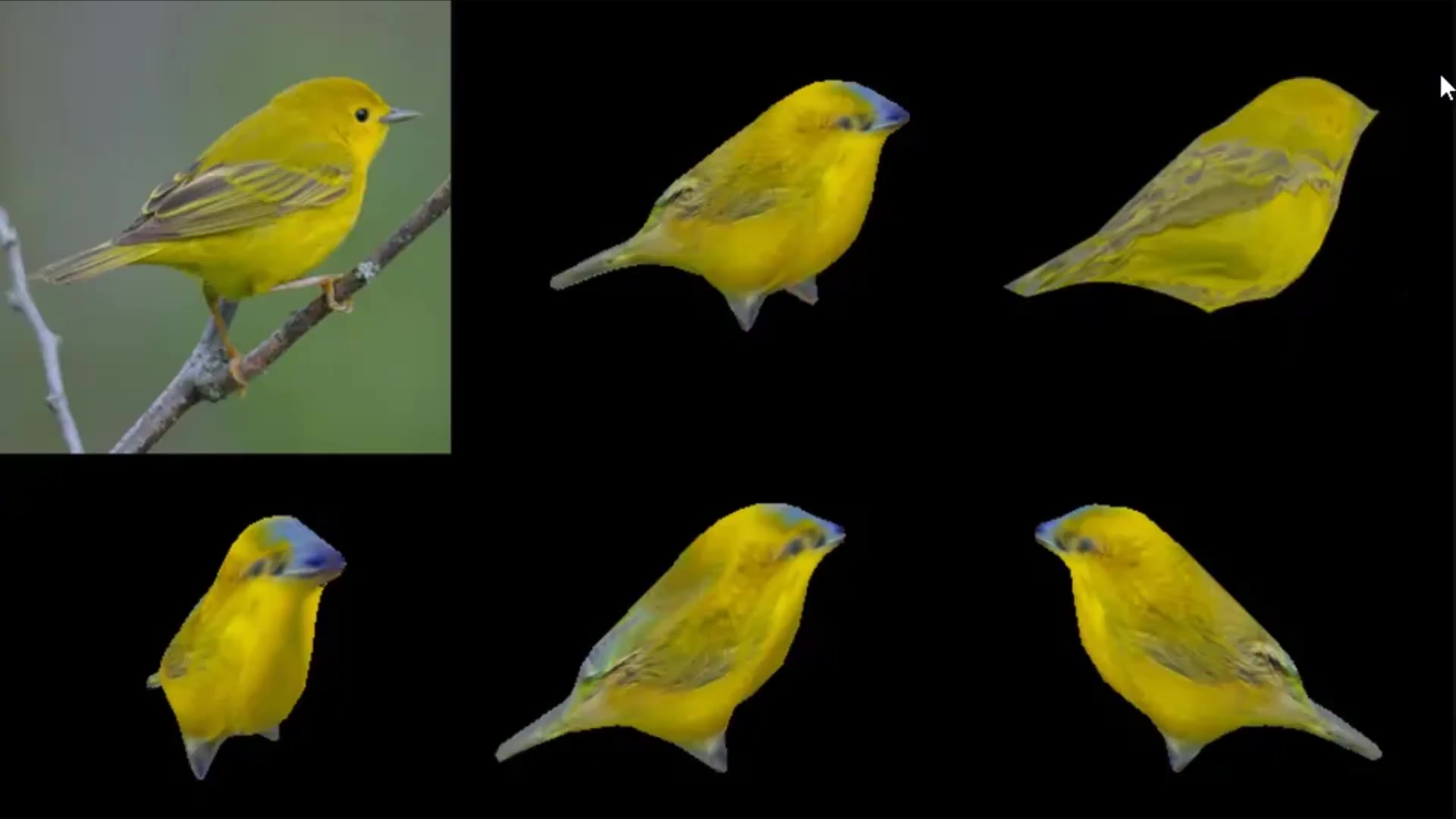
How it Works: The AI is trained on a massive dataset of images and corresponding 3D models. By analyzing these data, the neural network learns to recognize Patterns and relationships between 2D visual information and 3D geometry and textures. Once trained, the AI can take a single 2D image as input and generate a corresponding 3D model.
The Implications: This technology could drastically simplify the creation of 3D assets for Game developers, film studios, and other creative professionals. No longer constrained by the lengthy and expensive process of manual modeling, designers could rapidly prototype and iterate on 3D designs, accelerating development cycles and fostering innovation. This approach significantly reduces the need for manual modeling and potentially cuts down on production time.
While the generated models may not always be perfect, the core concept has been proven, paving the way for further advancements and greater accuracy in the future.
Sketchfab: A Hub for 3D Models
Buying and Selling 3D Assets Online
Sketchfab is a prominent platform for buying and selling 3D models online.
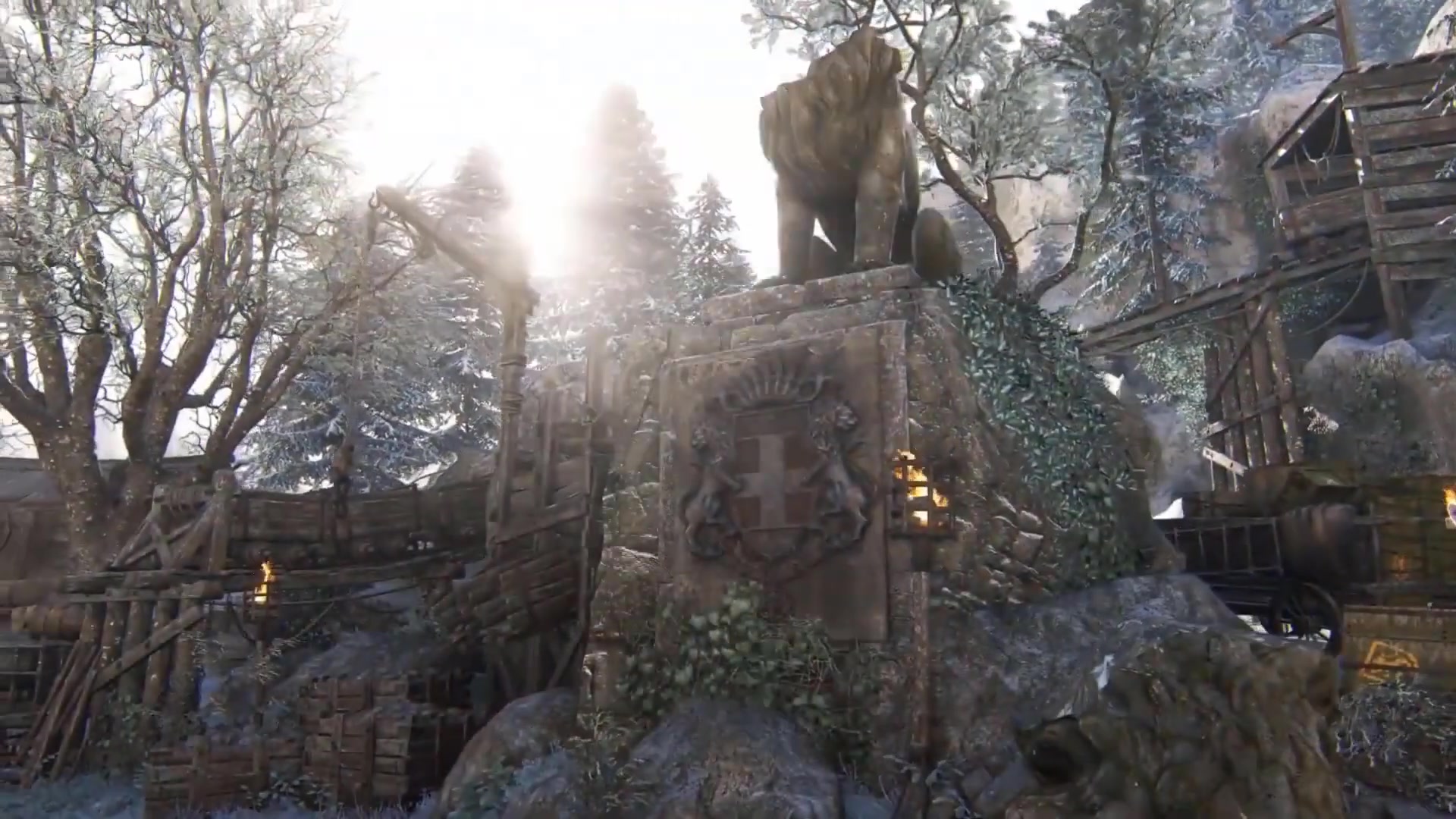
It serves as a marketplace where 3D artists and designers can showcase their work and connect with potential buyers. The platform offers a vast library of high-quality 3D assets, ranging from characters and props to environments and architectural models.
A Resource for Developers: Sketchfab is valuable for game developers, animators, and other creatives looking for ready-made 3D assets to incorporate into their projects. This saves time and resources and allows them to focus on other aspects of their work.
Showcasing 3D Art: The store's model inspector is a great and necessary tool for all artists showcasing their work. It allows for direct manipulation within the website.
Sketchfab is more than just a marketplace; it's a community where 3D artists can connect, collaborate, and share their creations. With its user-friendly interface and extensive collection of 3D models, Sketchfab is a valuable resource for anyone working with 3D graphics.
Understanding Differential Interpolated Based Renderer (DIB-R)
How NVIDIA is using DIB-R for AI Training
NVIDIA researchers introduced a groundbreaking new graphics tool known as Differential Interpolated Based Renderer, or DIB-R for short.
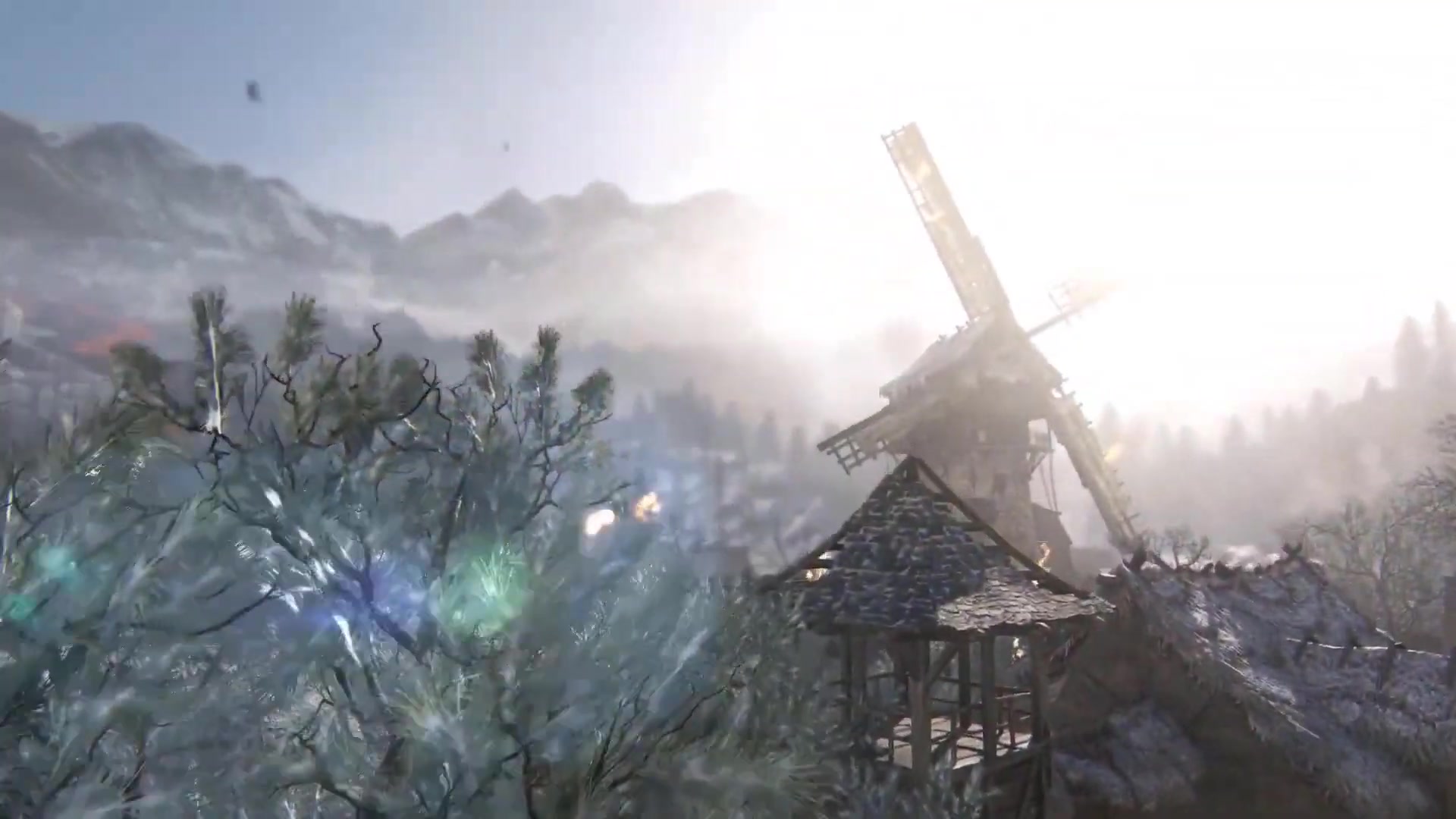
This innovative tool details a new creation technique that significantly accelerates the ability of AI to extrapolate 3D information from 2D images.
Training the Neural Network: NVIDIA trained its neural network utilizing a broad variety of databases. These databases consist of many photos and 3D models presented from multiple angles. The neural network was then able to extrapolate its algorithm by focusing on a specific subject from many angles.
Completing the Task: On average it takes around 2 days to train the neural network on a specific dataset. It is then able to render 3D models in less than 100 milliseconds. With this tool, devices such as self driving cars and robots will have a much easier time judging what lies ahead.





Most people like


































Report
Please select a reason for reporting
- 13 Reasons to Switch from Snapchat to Text Messaging
- 7 Powerful Speech to Text Apps to Boost Productivity
- 10 Best Speech to Text Tools for Effortless Transcription
- 13 Free Tools to Easily Transcribe Audio to Text
- 15 Surprising Ways Google's Speech-to-Text Boosts Productivity
- 7 Best Free Online Audio to Text Transcription Tools
- 9 Tips to Transcribe Speech to Text Faster and Better
- 13 Best Speech to Text Software for Windows 10 in 2023
- 7 Tips for Choosing the Best Transcriber for Audio to Text
- 11 Reasons Why Dragon Speech-to-Text Apps are Game-Changers
- 6 Secrets to Enhance Your Speech to Text Transcription
- 6 Brilliant Ways to Boost Productivity with Talk-to-Text on Your MacBook
- 6 Ways Transcription Software Converts Audio to Text
- 8 Tips to Transcribe Speech to Text Like a Pro
- 6 Reasons IBM Watson Speech to Text is a Game-Changer
- 14 Powerful Ways Talk-to-Text Improves Your Workflow
- 12 Top Windows Speech-to-Text Software for Efficient Transcription
- 12 Game-Changing Benefits of Apple's Speech to Text Technology
- 9 Powerful Use Cases for AWS Speech to Text Technology
- 10 Easy Steps to Transcribe YouTube Videos to Text
- transcription audio en texte
- online audio transcription
- free audio file transcription
- free ai audio transcription
- audio transcription service
- audio transcription online free
- audio transcription free online
- audio to transcription software
- audio and transcript
- ai audio transcription free
- voice recording to text converter
- translate voice recording to text
- record voice to text
- audio recording to text converter
- voice recording and transcription
- chatgpt voice to text
- gmail voice to text
- speech to text reader
- speech to text ai free
- speech to talk
- Meshy AI: How to Create 3D Models from Text and Images
- How SEO and Marketing Dashboards Empower Agencies to Drive Results
- How to Use AI Tools to Find Internal Linking Opportunities Across a Business Website
- Discover Your Perfect Haircut with AI Hairstyle Apps
- Free Reputation Calculator Tools: How They're Adapting to Score AI Visibility, Not Just Rankings
- Design Professional Flyers for Free on Your Phone
- Best Free Flyer Maker Apps for Android: Design Like a Pro
- How to Know If Your Business Is Ready for an AI Customer Service Agent
- Revolutionizing Storytelling: From Novels to Screenplays with AI
- Create Engaging Animated Explainer Videos with a Free AI Tool
- Automate Lead Generation: A Comprehensive Guide with AI Agents
- Revideo.io: The Future of Reverse Video Search Technology
- Revolutionizing Email Marketing Agency with AI
- Breaking the Character Drift Dilemma: A Practical Test of Smart Shot
- Meshy AI: How to Create 3D Models from Text and Images
- ASOMobile Helps Teams Benchmark App Store Screenshots Against Competitors
- How to Match LMS Software With Your Organization's Training Plan
- How to Convert BTC to HNT
- Unleashing the Power of AI: Cognizant's Roadmap for Transformation
- Frame to Video Review: A Practical Look at Turning Two Still Frames Into Motion

Copyright ©2026 toolify