































Table of Contents
- Key Points
- The Importance of Proofreading in Legal Documents
- Overcoming Common Challenges in Legal Proofreading
- How to Maximize Your AI Proofreading Experience
- Understanding the Cost of AI-Powered Accuracy
- Assessing Contract Companion: Weighing the Advantages and Disadvantages
- The Cornerstones of Contract Companion
- Putting Contract Companion to Work: Real-World Scenarios
- Frequently Asked Questions
- Related Questions


The Importance of Proofreading in Legal Documents
Why Proofreading Matters in the Legal Field
In the legal field, precision and accuracy are non-negotiable. A single error in a legal document can have severe consequences, leading to misinterpretations, disputes, and potential legal challenges.
Proofreading is not merely a formality but a critical step in ensuring the integrity and reliability of all legal communications.
From contracts and briefs to court filings and client correspondence, every document must be meticulously reviewed to catch and correct errors. These errors can range from simple typos and grammatical mistakes to more complex issues involving legal terminology and citations. The consequences of overlooking such errors can be far-reaching, impacting client relationships, firm reputation, and even legal outcomes.
Consider the potential ramifications of neglecting proofreading:
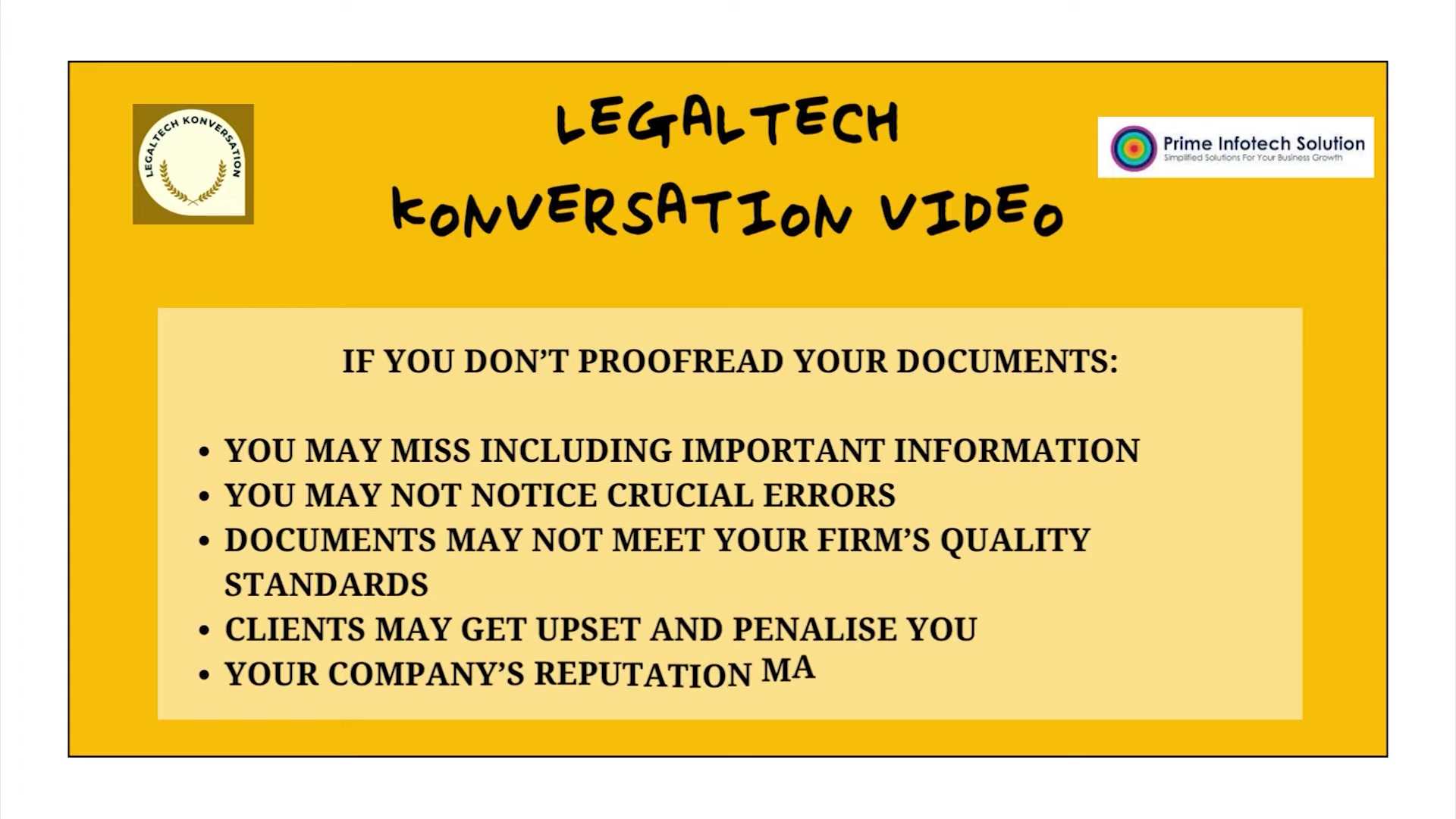
- Missed Important Information: Critical details may be omitted, leading to misunderstandings and incomplete agreements.
- Crucial Errors: Overlooked mistakes can alter the meaning of clauses and provisions, creating legal loopholes.
- Failure to Meet Quality Standards: Documents may not adhere to the firm’s established standards, reflecting poorly on the organization.
- Client Dissatisfaction: Clients may become upset if they perceive sloppiness or negligence in the firm’s work.
- Financial Penalties: Errors can result in costly legal challenges and financial repercussions.
- Damage to Reputation: A pattern of inaccuracies can erode the firm’s credibility and standing in the legal community.
In contrast, diligent proofreading ensures that all documents are clear, concise, and free from errors, thereby maintaining professional standards and protecting the firm’s interests. The legal profession demands meticulous attention to detail, and proofreading is an essential tool in upholding this standard. This is why the integration of AI-powered tools is becoming increasingly vital.
The High Cost of Skipping Proofreading
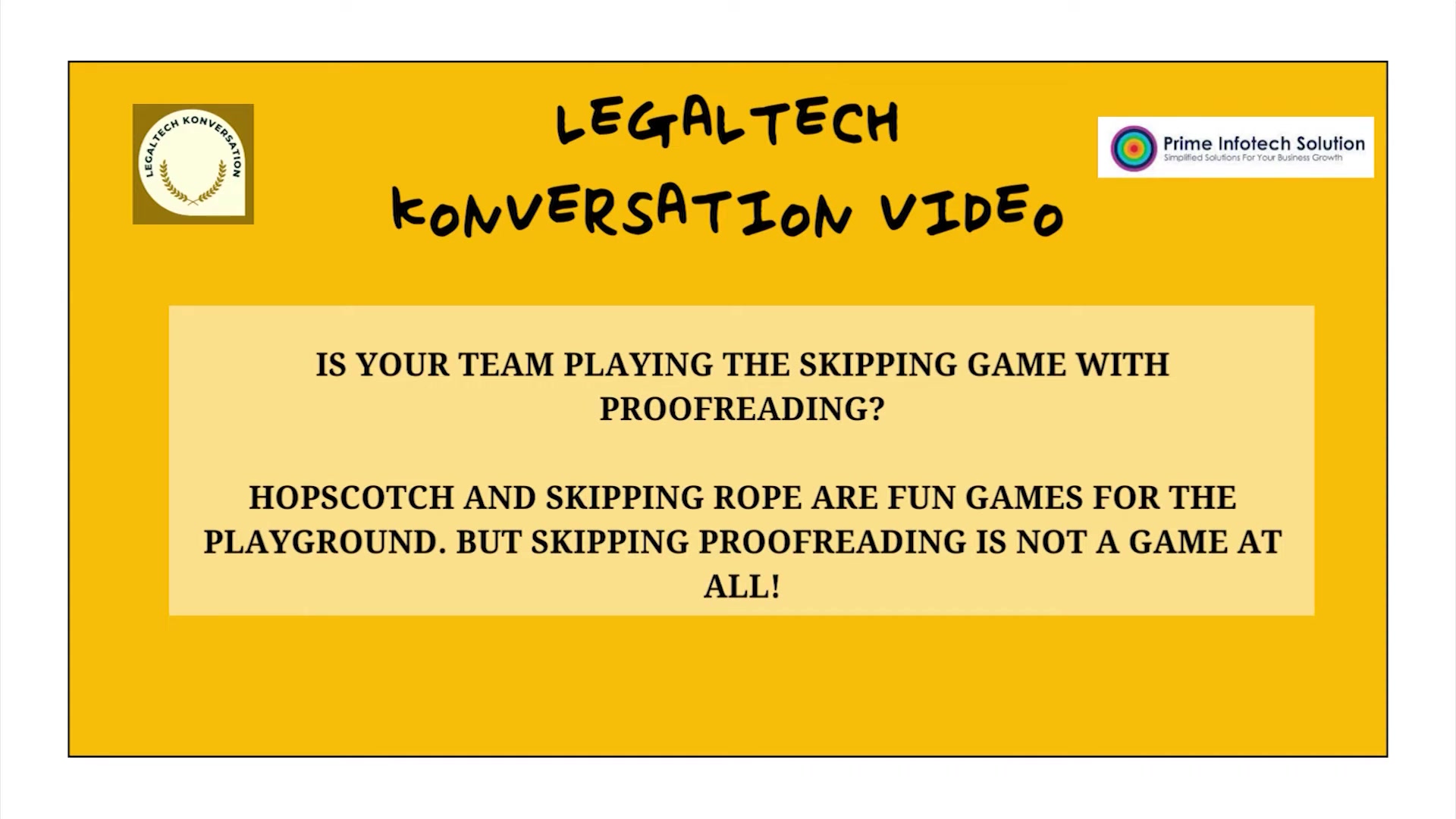
Skipping the proofreading process may seem like a quick way to save time, but the potential costs can be substantial.
Failing to thoroughly review legal documents can expose firms to numerous risks, including:
- Legal Disputes: Errors can lead to ambiguous interpretations, sparking conflicts between parties.
- Breach of Contract: Inaccurate or incomplete contracts can result in breaches and legal battles.
- Malpractice Claims: Negligence in document preparation can open the door to malpractice lawsuits.
- Client Loss: Dissatisfied clients may Seek representation elsewhere, impacting the firm’s revenue.
- Damage to Reputation: A reputation for producing error-filled documents can deter potential clients and harm the firm’s image.
Moreover, the time saved by skipping proofreading is often negligible compared to the time and resources required to rectify errors later on. Correcting mistakes after a document has been circulated can be far more disruptive and costly than preventing them in the first place. This is why integrating robust proofreading practices into the document workflow is essential.
To mitigate these risks, legal professionals should:
- Implement a standardized proofreading protocol: Ensure every document undergoes a systematic review process.
- Leverage technology: Utilize AI-powered proofreading tools to enhance accuracy and efficiency.
- Foster a culture of diligence: Encourage a firm-wide commitment to precision and attention to detail.
By prioritizing proofreading, firms can uphold their commitment to quality, protect their clients’ interests, and maintain their standing in the legal community. The integration of AI-driven tools like Litera's Contract Companion offers a powerful means to achieve these goals, ensuring that every document meets the highest standards of accuracy and Clarity.
Overcoming Common Challenges in Legal Proofreading
Addressing the Limitations of Manual Proofreading
Manual proofreading, while essential, has several limitations that can impact document quality and efficiency. Human proofreaders are prone to errors due to fatigue, distractions, and subjective interpretations.
Additionally, manual proofreading can be time-consuming, especially for large and complex legal documents. By recognizing these limitations, legal firms can take steps to enhance their proofreading processes and improve overall document quality.
Common challenges in manual proofreading include:
- Human Error: Proofreaders may overlook subtle errors or inconsistencies.
- Time Constraints: Thorough proofreading can be time-consuming, especially for large documents.
- Subjectivity: Different proofreaders may have varying interpretations of grammar and style rules.
- Fatigue and Distractions: Proofreaders may become fatigued or distracted, leading to errors.
- Inconsistency: Manual proofreading can result in inconsistencies in grammar, style, and terminology across different documents.
To address these challenges, legal firms can leverage technology to automate and enhance their proofreading processes. AI-powered proofreading tools offer a powerful means to overcome the limitations of manual proofreading, ensuring greater accuracy, efficiency, and consistency. By integrating AI into their document workflow, legal firms can improve their document quality, reduce errors, and maintain their standing in the legal community.
How AI Minimizes Risks in Legal Documentation
Using AI Tools like Litera’s Contract Companion significantly minimizes risks associated with legal documentation.
Here’s how:
- Reducing Human Error: AI algorithms detect errors with greater precision than manual proofreaders, minimizing oversights.
- Ensuring Compliance: AI can be programmed to flag non-compliant language, ensuring adherence to regulations.
- Speeding Up Review: Faster reviews mean less chance of missing deadlines and quicker turnaround times.
- Maintaining Consistency: Standardized rules applied by AI ensure all documents meet firm standards.
AI-driven tools provide an additional layer of scrutiny that helps maintain the integrity of legal documentation.
The Cornerstones of Contract Companion
Unpacking the Essential Features of Contract Companion
Litera Contract Companion is equipped with a suite of features designed to elevate document quality and expedite review processes.
These features not only bolster efficiency but also ensure that legal firms maintain the highest standards in their documentation. Here’s a more detailed look at some of the core functionalities:
- Error Detection: Beyond identifying grammatical and typographical errors, Contract Companion uses AI to detect inconsistencies in style, formatting, and terminology, ensuring a consistent and professional appearance across all documents.
- Legal Terminology Recognition: The tool is trained to understand the context of legal language, reducing the risk of misinterpretation or ambiguity in legal terms and phrases.
- Citation Analysis: Contract Companion can verify citations against a database of legal sources, ensuring compliance with legal citation standards and reducing the risk of errors in legal briefs and court filings.
- Compliance Checks: The tool can be customized to flag non-compliant language, helping firms adhere to regulatory requirements and mitigate legal risks.
- Integration Capabilities: Seamless integration with existing document management systems and common file formats, such as Microsoft WORD and Adobe PDF, makes it easy to incorporate Contract Companion into your existing workflow.
- Customization Options: Customizable rules and preferences allow firms to tailor the tool to their specific needs, ensuring uniform application of firm standards and guidelines.
- Reporting and Analytics: Detailed reports on document quality and error rates provide valuable insights into areas for improvement, helping firms identify and address potential weaknesses in their documentation processes.






Most people like

































Report
Please select a reason for reporting
- 13 Reasons to Switch from Snapchat to Text Messaging
- 7 Powerful Speech to Text Apps to Boost Productivity
- 10 Best Speech to Text Tools for Effortless Transcription
- 13 Free Tools to Easily Transcribe Audio to Text
- 15 Surprising Ways Google's Speech-to-Text Boosts Productivity
- 7 Best Free Online Audio to Text Transcription Tools
- 9 Tips to Transcribe Speech to Text Faster and Better
- 13 Best Speech to Text Software for Windows 10 in 2023
- 7 Tips for Choosing the Best Transcriber for Audio to Text
- 11 Reasons Why Dragon Speech-to-Text Apps are Game-Changers
- 6 Secrets to Enhance Your Speech to Text Transcription
- 6 Brilliant Ways to Boost Productivity with Talk-to-Text on Your MacBook
- 6 Ways Transcription Software Converts Audio to Text
- 8 Tips to Transcribe Speech to Text Like a Pro
- 6 Reasons IBM Watson Speech to Text is a Game-Changer
- 14 Powerful Ways Talk-to-Text Improves Your Workflow
- 12 Top Windows Speech-to-Text Software for Efficient Transcription
- 12 Game-Changing Benefits of Apple's Speech to Text Technology
- 9 Powerful Use Cases for AWS Speech to Text Technology
- 10 Easy Steps to Transcribe YouTube Videos to Text
- transcription audio en texte
- online audio transcription
- free audio file transcription
- free ai audio transcription
- audio transcription service
- audio transcription online free
- audio transcription free online
- audio to transcription software
- audio and transcript
- ai audio transcription free
- voice recording to text converter
- translate voice recording to text
- record voice to text
- audio recording to text converter
- voice recording and transcription
- chatgpt voice to text
- gmail voice to text
- speech to text reader
- speech to text ai free
- speech to talk
- How to Use AI Tools to Find Internal Linking Opportunities Across a Business Website
- Discover Your Perfect Haircut with AI Hairstyle Apps
- Free Reputation Calculator Tools: How They're Adapting to Score AI Visibility, Not Just Rankings
- Design Professional Flyers for Free on Your Phone
- Best Free Flyer Maker Apps for Android: Design Like a Pro
- How to Know If Your Business Is Ready for an AI Customer Service Agent
- Revolutionizing Storytelling: From Novels to Screenplays with AI
- Create Engaging Animated Explainer Videos with a Free AI Tool
- Stop Multi-Subscribing: Benchmark Top AI Visual Models in One Canvas
- Best Seedance 2.5 API Provider: Every Price on the Market, Checked at Source
- Top AI Social Media Management Tools: Automate Your Content Strategy
- Free AI Text to Video Generator: Create Stunning Videos from Text
- Discover 17 ChatGPT Alternatives: A Comprehensive Comparison
- Character.AI vs. Janitor AI: Which AI Chat Platform Reigns Supreme?
- Top Virtual Assistant Companies in 2026: Reviews, Pricing, and Plans Compared
- Unveiling FaceCheck.ID: Revolutionizing Reverse Image Searches with AI
- 11 Best AI Dialers in 2026: Features, Pricing, Pros and Cons
- How I Direct Consistent AI Clips: A Hands-On Guide to Multi-Model Generation
- A Realistic Review of the Photo Generator Image Tool
- Playwright MCP Server: Automated Web Testing with Agent Mode

Copyright ©2026 toolify