






Table of Contents
- Key Points
- Understanding Sentiment Analysis
- Types of Sentiment Analysis
- Features Included in AI Sentiment Analysis
- Pricing Models for Sentiment Analysis Tools
- Weighing the Merits: Pros and Cons of Sentiment Analysis
- Core Features of AI-Based Sentiment Analyzers
- Use Cases for Sentiment Analysis
- Frequently Asked Questions About Sentiment Analysis
- Related Questions About Sentiment Analysis



Understanding Sentiment Analysis
What is Sentiment Analysis?
Sentiment analysis, also known as opinion mining, is the process of determining the emotional tone behind a body of text, speech, or image
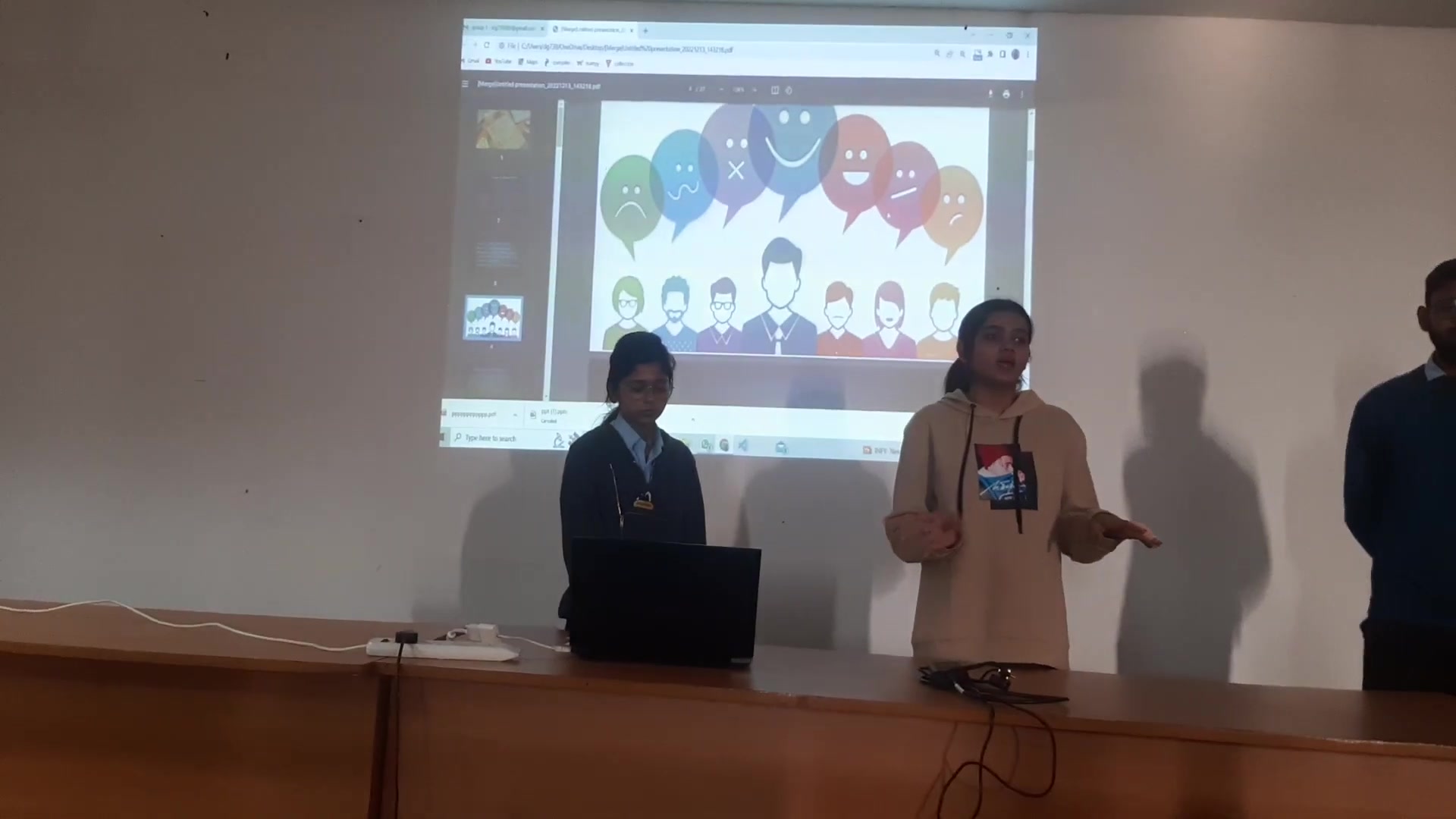
. It's a technique used to understand the attitudes, opinions, and emotions expressed within data. This can range from positive, negative, or neutral sentiments. In the digital age, where vast amounts of data are generated daily through social media, customer reviews, and news articles, sentiment analysis has become a vital tool for businesses and organizations to understand their target audience and market trends.
Sentiment analysis is more than just identifying whether a piece of text is positive or negative. It involves a nuanced understanding of human language and emotions, using sophisticated algorithms to extract subjective information. This extraction helps in making informed decisions, improving Customer Service, and understanding market dynamics.
Key characteristics of sentiment analysis:
- Subjectivity Detection: Identifying whether the text expresses a personal opinion or factual information.
- Polarity Classification: Categorizing the sentiment as positive, negative, or neutral.
- Emotion Detection: Identifying specific emotions such as happiness, sadness, anger, or fear.
- Intensity Analysis: Determining the strength of the emotion expressed.
- Aspect-Based Analysis: Understanding the sentiments related to specific features or aspects of a product or service.
Why is Sentiment Analysis Important?
- Market Research: Businesses can gauge the success of marketing campaigns and understand consumer preferences.
- Brand Monitoring: Companies can track their brand reputation and respond to negative feedback promptly.
- Customer Support: Sentiment analysis can help prioritize customer support tickets based on the emotional tone of the request.
- Product Improvement: Feedback from sentiment analysis can be used to identify areas for product enhancement.
- Risk Management: Identifying potential issues or crises before they escalate.
The Need for Sentiment Analysis
The explosion of online content has made it impossible for businesses to manually analyze and understand the sentiment behind every piece of feedback
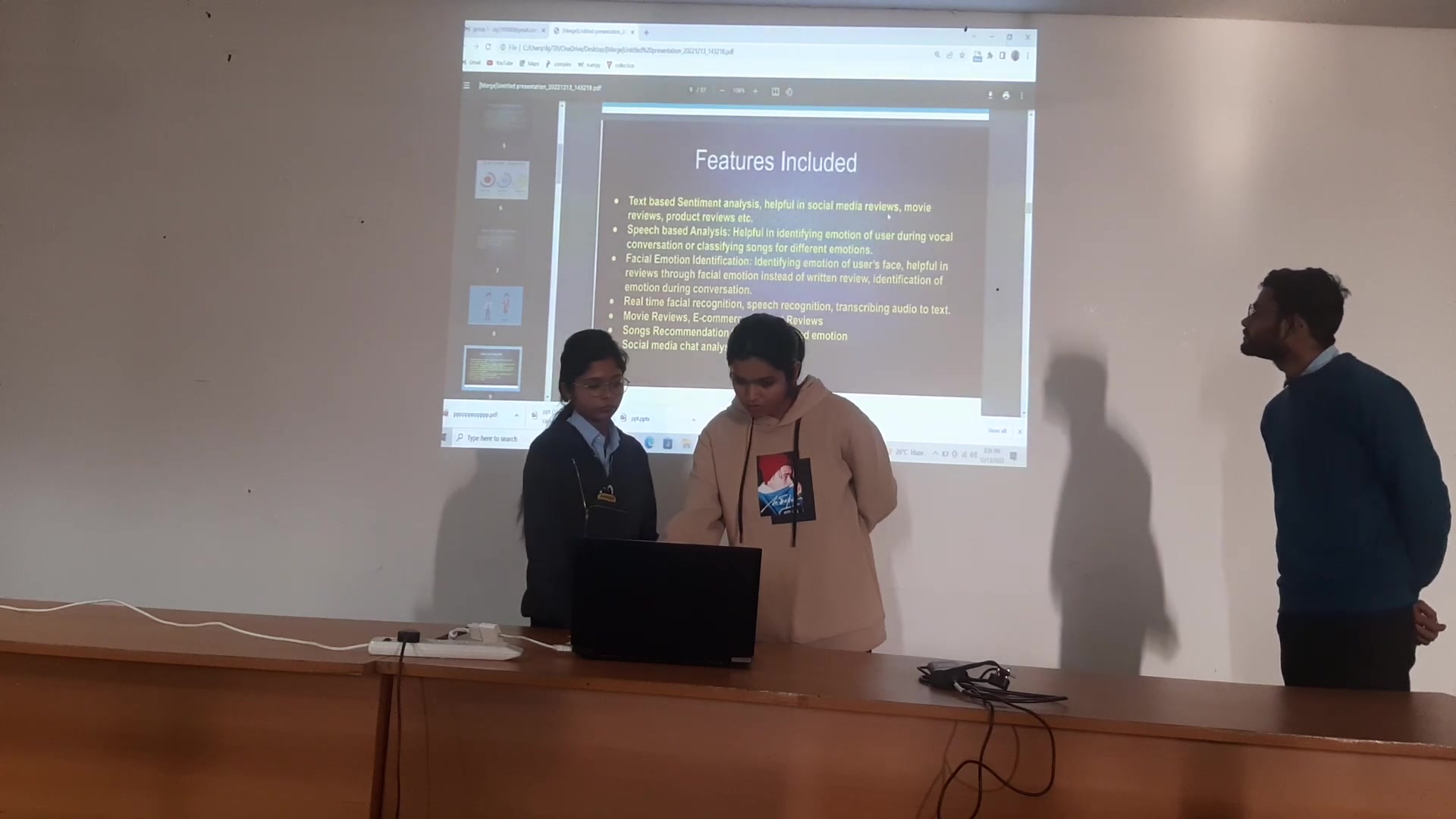
. Sentiment analysis automates this process, providing real-time insights that can be used to make informed decisions. Without sentiment analysis, companies would struggle to efficiently monitor their brand reputation, understand customer preferences, and respond to emerging issues.
Sentiment analysis is crucial for several reasons:
- Efficiency: It automates the analysis of large volumes of data, saving time and resources.
- Real-time insights: Sentiment analysis provides immediate feedback, allowing companies to respond quickly to emerging trends or crises.
- Data-driven decision making: It enables businesses to base their decisions on concrete data, rather than gut feelings.
- Improved customer understanding: Sentiment analysis helps companies understand their customers on a deeper level, leading to more effective marketing and product development strategies.
Examples of the need for sentiment analysis:
- A retail company analyzing customer reviews to understand which products are most popular and why.
- A political campaign monitoring social media to gauge public sentiment towards their candidate.
- A financial institution tracking news articles and social media posts to identify potential risks to the company's reputation.
Here's a table summarizing the key benefits of sentiment analysis:
| Benefit | Description |
|---|---|
| Automated data analysis | Efficiently processes large volumes of text, speech, and image data. |
| Real-time feedback | Provides immediate insights, allowing companies to respond quickly to trends or crises. |
| Data-driven decision making | Enables businesses to make informed decisions based on concrete data. |
| Improved customer understanding | Helps companies understand their customers on a deeper level, leading to better marketing strategies. |
| Proactive issue management | Identifies potential problems or crises before they escalate, allowing companies to take preventive measures. |
Types of Sentiment Analysis
Different Approaches to Sentiment Analysis
Sentiment analysis can be approached using several techniques, each with its own strengths and weaknesses.
-
Text-Based Sentiment Analysis: This is the most common type, analyzing text from customer reviews, social media posts, and articles
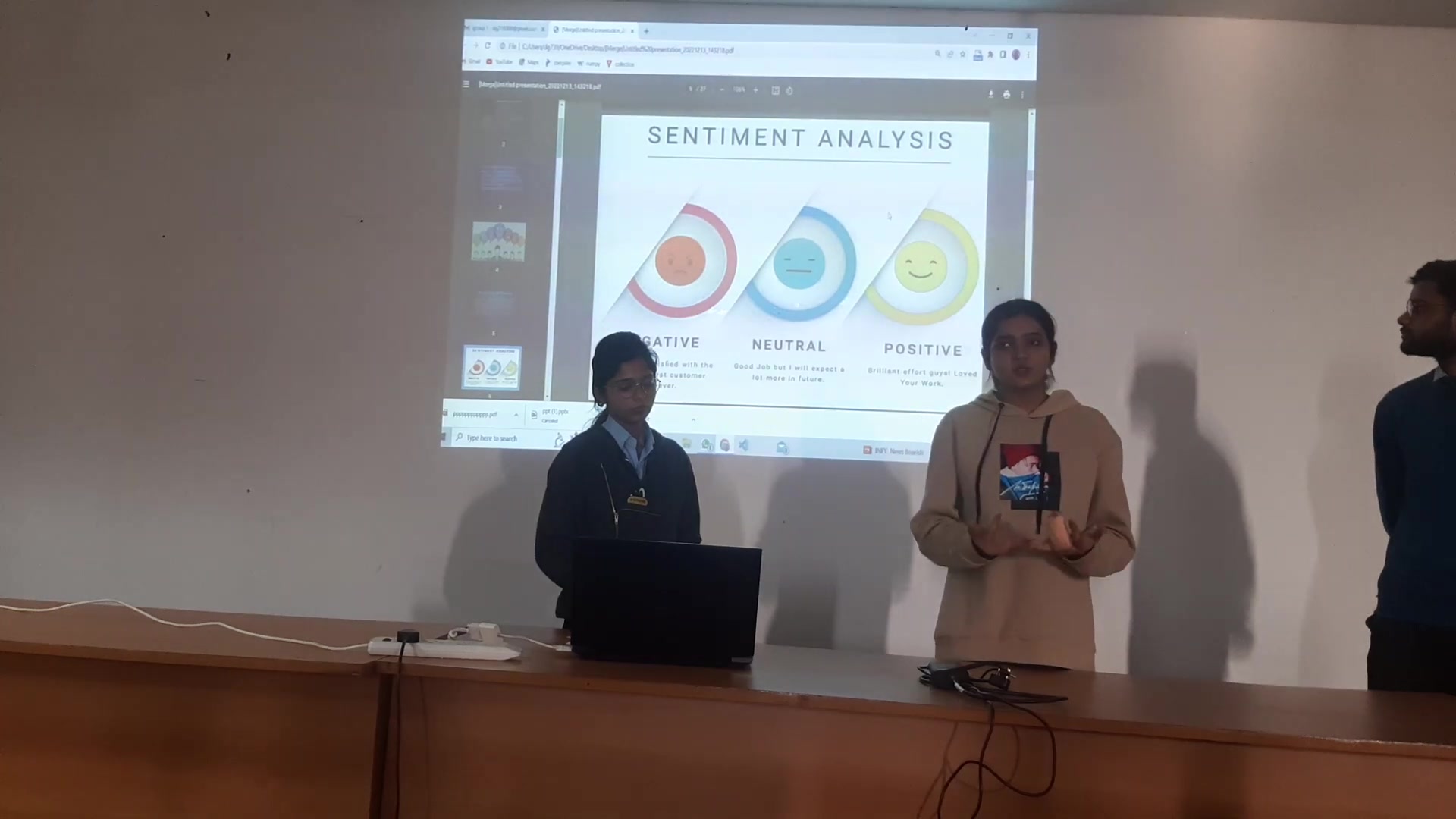
. It utilizes natural language processing (NLP) to determine the sentiment expressed.
-
Speech-Based Sentiment Analysis: This analyzes the emotions conveyed through speech, taking into account tone, pitch, and speed . It's valuable for understanding customer interactions in call centers and analyzing audio content.
-
Image-Based Sentiment Analysis: This analyzes the emotions conveyed through visual cues in images . It can be used to understand customer reactions to visual content, such as advertisements or product images.
Diving Deeper into Text-Based Sentiment Analysis
Text-based sentiment analysis is a cornerstone of many applications, offering a robust way to mine opinions from written words. Several methods underpin text-based analysis:
- Lexicon-Based Approach: Employs a sentiment lexicon, a list of words annotated with their semantic orientation (positive, negative, or neutral). The sentiment of a document is calculated by aggregating the semantic orientations of words in the document. One common lexicon is VADER (Valence Aware Dictionary and sEntiment Reasoner), a lexicon and rule-based sentiment analysis tool specifically attuned to sentiments expressed in social media.
- Machine Learning Approach: This approach uses machine learning algorithms to learn from data. Common algorithms include Naive Bayes, Support Vector Machines (SVM), and Maximum Entropy classifiers. These models are trained on labeled data and are capable of handling more complex and nuanced language than lexicon-based approaches.
- Deep Learning Approach: Deep learning models, such as Recurrent Neural Networks (RNNs) and Transformers, have achieved state-of-the-art results in sentiment analysis. These models can capture contextual information and understand the subtle nuances of human language. Models like BERT (Bidirectional Encoder Representations from Transformers) have revolutionized NLP, enabling sentiment analysis with unparalleled accuracy.
Use Cases for Each Type
- Text-Based: Monitoring brand reputation on social media, analyzing customer reviews for product feedback.
- Speech-Based: Analyzing customer service calls to improve agent performance, understanding audience reactions to podcasts.
- Image-Based: Evaluating customer response to marketing visuals, detecting emotions in facial expressions.
Ethical Implications
It’s essential to consider the ethical implications of sentiment analysis. Misinterpreting sentiment can lead to unfair judgments. It is imperative to validate and refine algorithms, ensuring they are free from bias and respectful of privacy.
Features Included in AI Sentiment Analysis
Unlocking the Features of AI Sentiment Analysis
AI sentiment analysis brings a suite of features tailored for nuanced understanding. Here’s what you can expect:
- Text-Based Sentiment Analysis: Ideal for parsing reviews, social media chatter, and articles
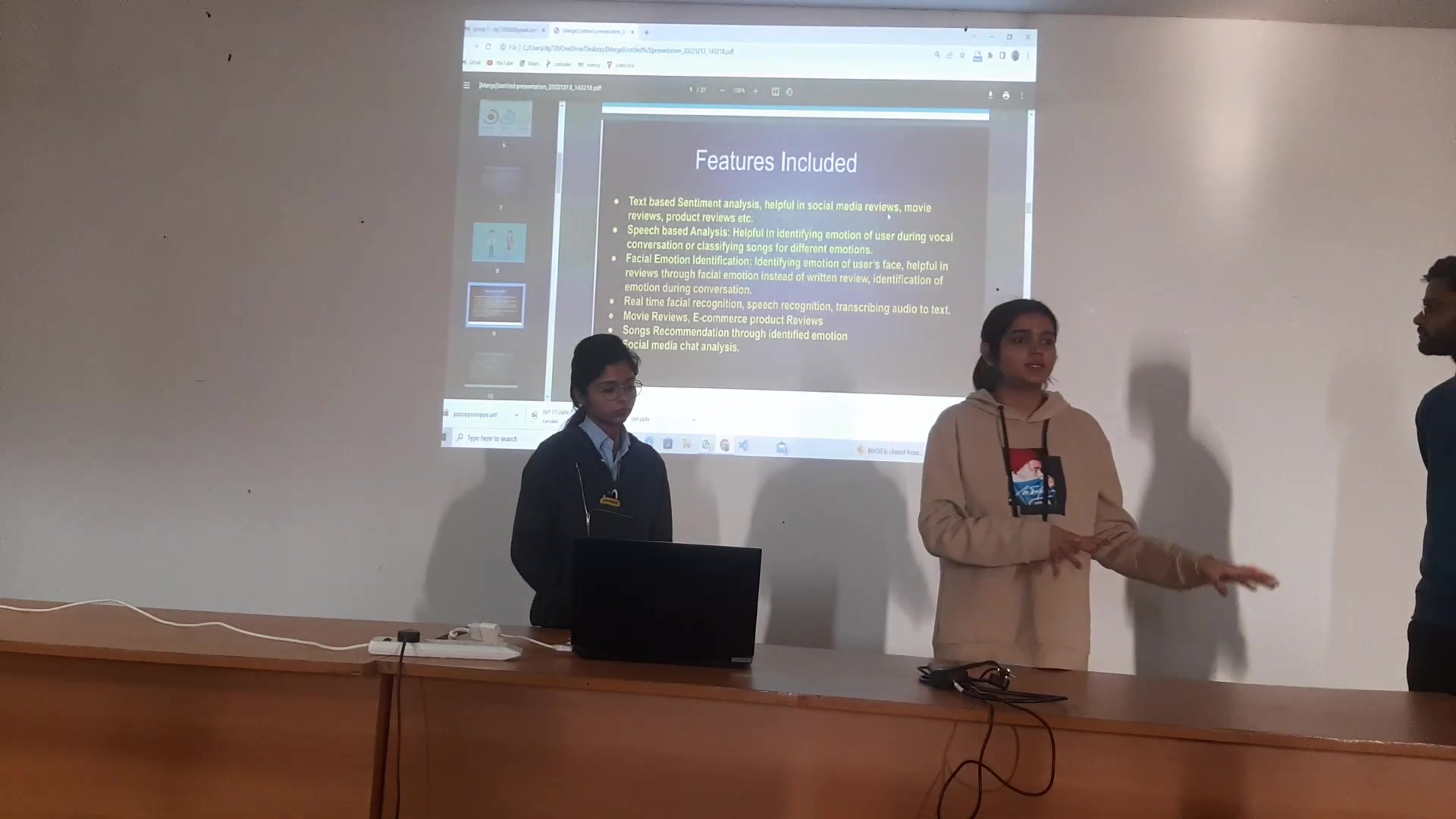
.
- Speech-Based Analysis: Perfect for dissecting emotion in dialogues and songs.
- Facial Emotion Identification: Identifying emotion by facial cues.
Here is a sample workflow when using AI Sentiment Analysis
- Select the Mode: On the platform, choose among text, speech, or facial emotion analysis .
- Upload or Input: Load your source. For text, copy and paste. For images, upload directly. For speech, provide an audio file.
- Analyze: With a click, start the analysis and give the AI its moment.
- Interpret: Review metrics like polarity and key emotional indicators.
The beauty of AI Sentiment Analysis lies not only in feature breadth but integration finesse. A holistic approach yields results that are not just data-driven but are intuitively aligned with the sentiment behind the source.





Most people like


































Report
Please select a reason for reporting
- 13 Reasons to Switch from Snapchat to Text Messaging
- 7 Powerful Speech to Text Apps to Boost Productivity
- 10 Best Speech to Text Tools for Effortless Transcription
- 13 Free Tools to Easily Transcribe Audio to Text
- 15 Surprising Ways Google's Speech-to-Text Boosts Productivity
- 7 Best Free Online Audio to Text Transcription Tools
- 9 Tips to Transcribe Speech to Text Faster and Better
- 13 Best Speech to Text Software for Windows 10 in 2023
- 7 Tips for Choosing the Best Transcriber for Audio to Text
- 11 Reasons Why Dragon Speech-to-Text Apps are Game-Changers
- 6 Secrets to Enhance Your Speech to Text Transcription
- 6 Brilliant Ways to Boost Productivity with Talk-to-Text on Your MacBook
- 6 Ways Transcription Software Converts Audio to Text
- 8 Tips to Transcribe Speech to Text Like a Pro
- 6 Reasons IBM Watson Speech to Text is a Game-Changer
- 14 Powerful Ways Talk-to-Text Improves Your Workflow
- 12 Top Windows Speech-to-Text Software for Efficient Transcription
- 12 Game-Changing Benefits of Apple's Speech to Text Technology
- 9 Powerful Use Cases for AWS Speech to Text Technology
- 10 Easy Steps to Transcribe YouTube Videos to Text
- transcription audio en texte
- online audio transcription
- free audio file transcription
- free ai audio transcription
- audio transcription service
- audio transcription online free
- audio transcription free online
- audio to transcription software
- audio and transcript
- ai audio transcription free
- voice recording to text converter
- translate voice recording to text
- record voice to text
- audio recording to text converter
- voice recording and transcription
- chatgpt voice to text
- gmail voice to text
- speech to text reader
- speech to text ai free
- speech to talk
- Meshy AI: How to Create 3D Models from Text and Images
- How SEO and Marketing Dashboards Empower Agencies to Drive Results
- How to Use AI Tools to Find Internal Linking Opportunities Across a Business Website
- Discover Your Perfect Haircut with AI Hairstyle Apps
- Free Reputation Calculator Tools: How They're Adapting to Score AI Visibility, Not Just Rankings
- Design Professional Flyers for Free on Your Phone
- Best Free Flyer Maker Apps for Android: Design Like a Pro
- How to Know If Your Business Is Ready for an AI Customer Service Agent
- Revolutionizing Storytelling: From Novels to Screenplays with AI
- Create Engaging Animated Explainer Videos with a Free AI Tool
- Automate Lead Generation: A Comprehensive Guide with AI Agents
- Revideo.io: The Future of Reverse Video Search Technology
- Revolutionizing Email Marketing Agency with AI
- Breaking the Character Drift Dilemma: A Practical Test of Smart Shot
- Meshy AI: How to Create 3D Models from Text and Images
- ASOMobile Helps Teams Benchmark App Store Screenshots Against Competitors
- How to Match LMS Software With Your Organization's Training Plan
- How to Convert BTC to HNT
- Unleashing the Power of AI: Cognizant's Roadmap for Transformation
- Frame to Video Review: A Practical Look at Turning Two Still Frames Into Motion

Copyright ©2026 toolify