































Table of Contents
- Key Points
- BMW i4 Supertest Introduction
- Inside the BMW i4: a Focus on Interior Assessment
- Understanding the BMW i4 eDrive40 Pricing Structure
- Balancing Act: Pros and Cons
- Optimal Use Cases
- Frequently Asked Questions
- Dive Deeper: Related Questions & Considerations



BMW i4 Supertest Introduction
The Electric Challenge: i4 vs. Tesla
The BMW i4 eDrive40 Gran Coupe
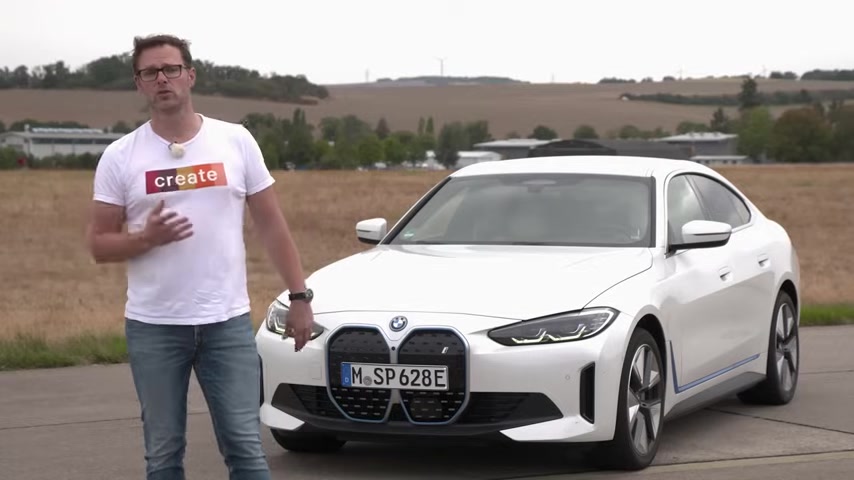
arrives carrying the weight of expectations. It's more than just another electric vehicle; it represents BMW's attempt to challenge Tesla's dominance in the EV space. However, a significant question looms: can a platform initially designed for combustion engines truly deliver a world-class EV experience?
Chief reporter Alexander Bloch sets out on this supertest with a blend of excitement and scrutiny. While acknowledging the i4's promising specs, he emphasizes the importance of real-world performance and holding it to the highest standards. The underlying architecture, shared with combustion engine vehicles, is a point of contention, demanding a closer look at how BMW has adapted to the electric era.
Testing Methodology: A Rigorous Approach
This isn’t just a casual drive; it's a supertest. This means a strict and standardized approach is used, focusing on repeatable measurements and comparisons. While the "how, what, and why" of each test phase will be detailed in written format on Auto Motor und Sport's website, the video concentrates on the results. The tests will reveal whether the i4 can stand toe to toe with dedicated EV platforms from brands like Tesla.
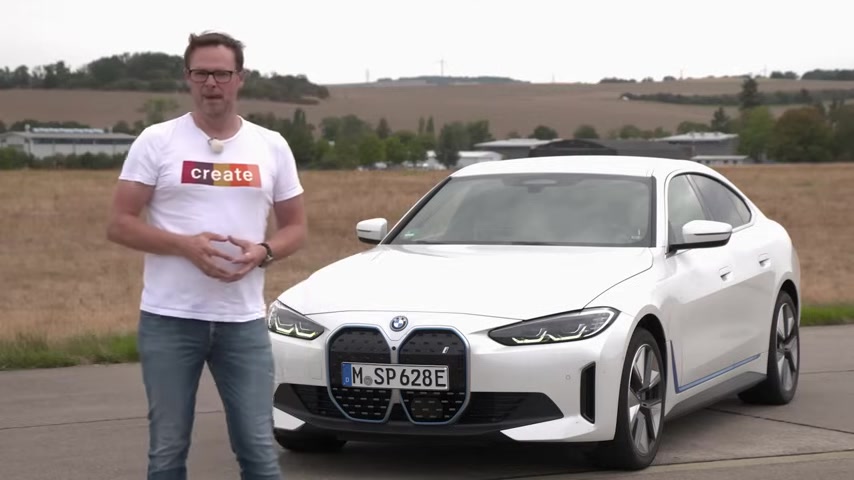
Efficiency, driving dynamics, and practicality are all put under the microscope. This isn't about brand loyalty; it’s about data-driven assessment. The rating scale, independent of vehicle class, caps at six stars, creating a high bar for excellence. The efficiency hinges on the cars electrical motor setup.
Inside the BMW i4: a Focus on Interior Assessment
Quality and Space: Does the Interior Live Up to the BMW Badge?
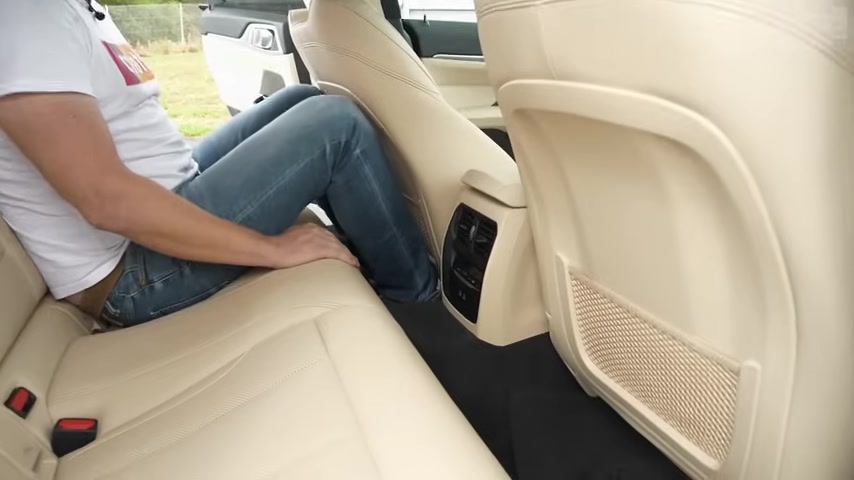
Attention is paid to the interior with special care to material, space, and overall fit and finish. BMW usually excels here.

The video highlights a minor paint discrepancy between the plastic front bumper and the metal hood—a detail that might escape casual observation but is flagged due to BMW’s reputation for high quality.
The presenter notes the touch points in the interior: The headliner and the transitions are all seamless and great. He then talks about the trunk and how there is plenty of room for his testing equipment, but it is of note to mention that its a coup style rear to access said equipment and its not a super high space.
Overall, the interior garners positive remarks, particularly the leather trimming and soft-touch materials. The reviewer does mention missing padding. He also notes that the lack of a frunk is a notable space disadvantage when compared to other vehicles.
Navigating Technology: User Interface and Assistance Systems
The BMW i4 is laden with modern tech and the car provides you a multitude of ways to interact with the system. I can chose voice, the touch screen or manual controls.
The layout and user interface are put into question with some of the green app icons lacking contrast and clarity. On the other hand, some aspects that are high praised are the digital dash that provided clear and readable data. the adaptive cruise control also gets praised with is being a life saver on long trips.
Understanding the BMW i4 eDrive40 Pricing Structure
Base Price and Configuration Considerations
The supertest hints at a base price around €60,000,
but emphasizes the need to configure the vehicle to see the final tag. For comparison, here is a price range breakdown:
| Model | Starting Price (USD) |
|---|---|
| BMW i4 eDrive40 | $56,395 |
| BMW i4 M50 | $69,795 |
| Tesla Model 3 Long Range | $47,240 |
| Tesla Model 3 Performance | $53,240 |
Keep in mind prices can swing dramatically based on options and customizations!.





Most people like






































Report
Please select a reason for reporting
- 13 Reasons to Switch from Snapchat to Text Messaging
- 7 Powerful Speech to Text Apps to Boost Productivity
- 10 Best Speech to Text Tools for Effortless Transcription
- 13 Free Tools to Easily Transcribe Audio to Text
- 15 Surprising Ways Google's Speech-to-Text Boosts Productivity
- 7 Best Free Online Audio to Text Transcription Tools
- 9 Tips to Transcribe Speech to Text Faster and Better
- 13 Best Speech to Text Software for Windows 10 in 2023
- 7 Tips for Choosing the Best Transcriber for Audio to Text
- 11 Reasons Why Dragon Speech-to-Text Apps are Game-Changers
- 6 Secrets to Enhance Your Speech to Text Transcription
- 6 Brilliant Ways to Boost Productivity with Talk-to-Text on Your MacBook
- 6 Ways Transcription Software Converts Audio to Text
- 8 Tips to Transcribe Speech to Text Like a Pro
- 6 Reasons IBM Watson Speech to Text is a Game-Changer
- 14 Powerful Ways Talk-to-Text Improves Your Workflow
- 12 Top Windows Speech-to-Text Software for Efficient Transcription
- 12 Game-Changing Benefits of Apple's Speech to Text Technology
- 9 Powerful Use Cases for AWS Speech to Text Technology
- 10 Easy Steps to Transcribe YouTube Videos to Text
- transcription audio en texte
- online audio transcription
- free audio file transcription
- free ai audio transcription
- audio transcription service
- audio transcription online free
- audio transcription free online
- audio to transcription software
- audio and transcript
- ai audio transcription free
- voice recording to text converter
- translate voice recording to text
- record voice to text
- audio recording to text converter
- voice recording and transcription
- chatgpt voice to text
- gmail voice to text
- speech to text reader
- speech to text ai free
- speech to talk
- Meshy AI: How to Create 3D Models from Text and Images
- How SEO and Marketing Dashboards Empower Agencies to Drive Results
- How to Use AI Tools to Find Internal Linking Opportunities Across a Business Website
- Discover Your Perfect Haircut with AI Hairstyle Apps
- Free Reputation Calculator Tools: How They're Adapting to Score AI Visibility, Not Just Rankings
- Design Professional Flyers for Free on Your Phone
- Best Free Flyer Maker Apps for Android: Design Like a Pro
- How to Know If Your Business Is Ready for an AI Customer Service Agent
- Revolutionizing Storytelling: From Novels to Screenplays with AI
- Create Engaging Animated Explainer Videos with a Free AI Tool
- Meshy AI: How to Create 3D Models from Text and Images
- ASOMobile Helps Teams Benchmark App Store Screenshots Against Competitors
- How to Match LMS Software With Your Organization's Training Plan
- Revolutionizing Email Marketing Agency with AI
- How to Convert BTC to HNT
- Unleashing the Power of AI: Cognizant's Roadmap for Transformation
- Frame to Video Review: A Practical Look at Turning Two Still Frames Into Motion
- NVIDIA NIM: Revolutionizing Supply Chain Data Analysis with AI
- Top AI Tools That Help Brands Stand Out Offline (Not Just Online)
- Top 5 Cold Email Software: Maximize Your Outreach in 2025

Copyright ©2026 toolify