






Table of Contents
- Key Points
- Understanding ALS and the Role of BCI
- Synchron BCI: A Leading Innovation
- Practical Applications of BCI Technology
- Cost and Accessibility of BCI Technology
- Pros and Cons of Brain-Computer Interface (BCI) Technology
- Key Components and Features of BCI Systems
- Transformative Use Cases of BCI for ALS Patients
- Frequently Asked Questions About BCI Technology and ALS
- Further Insights into BCI and ALS



Understanding ALS and the Role of BCI
What is ALS?
ALS, or Amyotrophic Lateral Sclerosis, is a progressive neurodegenerative disease affecting motor neurons, which are nerve cells in the brain and spinal cord that control voluntary muscle movement. As motor neurons degenerate, they stop sending messages to the muscles, causing them to weaken, twitch, and eventually atrophy. This leads to loss of movement, speech, and eventually, the ability to breathe. There is currently no cure for ALS, and the causes are largely unknown, making effective treatment extremely challenging.

Mark loved hiking and playing the guitar. Diagnosed with ALS, it was a devastating blow to his life.
The Devastating Impact of ALS
The progression of ALS dramatically impacts daily life, turning simple tasks into monumental challenges. Individuals gradually lose their ability to move, speak, eat, and even breathe independently. This loss of autonomy can be emotionally and psychologically taxing, leading to feelings of frustration and isolation. Communication becomes a major hurdle, and the ability to connect with loved ones is severely compromised. The need for constant care and assistance places a significant burden on families and caregivers.
The ability to perform simple tasks is affected, prompting visits to the doctor.

After tests, Mark was diagnosed with ALS, a rare disease affecting motor neurons.
The Promise of Brain-Computer Interface (BCI) Technology
Brain-Computer Interface (BCI) technology offers a groundbreaking approach to restore some of the lost functions in individuals with ALS. By creating a direct communication pathway between the brain and external devices, BCI bypasses damaged motor pathways, allowing users to control computers, prosthetic limbs, and other assistive technologies with their thoughts. This offers a potential lifeline for maintaining independence and communication. BCI is rapidly evolving. With ongoing research and development, this technology holds the key to significantly improving the quality of life for ALS patients, giving them a voice and control in the face of a debilitating disease.
It's bridging the gap between his mind and the world.

Brain computer Interface, or BCI, technology is a Game changer.
Synchron BCI: A Leading Innovation
How Synchron BCI Works
Developed by Synchron, the Synchron BCI is at the forefront of BCI technology.
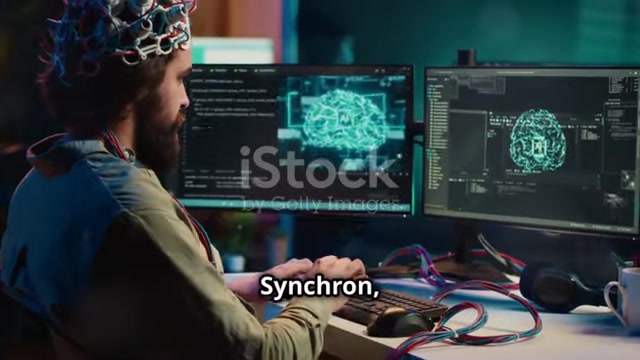
It works by implanting a small device into the brain. This device connects the brain directly to external devices. This connection allows users to control computers and other technologies using their thoughts, bypassing the damaged pathways caused by ALS. The Synchron BCI implantation procedure is minimally invasive, offering a less risky alternative to traditional open-brain surgery.
Users can move a cursor or type messages. The Sychron BCI involves implanting a small device in the brain.
Benefits of Synchron BCI for ALS Patients
The Synchron BCI offers a range of potential benefits for individuals with ALS. It enables:
- Enhanced Communication: Regain the ability to communicate effectively with loved ones through thought-controlled typing and messaging.
- Increased Independence: Control external devices and perform daily tasks, enhancing autonomy and reducing reliance on caregivers.
- Improved Quality of Life: Re-engage with hobbies, interests, and social activities, boosting psychological well-being and overall life satisfaction.
Post surgery, Mark began an adaptation phase to get familiar with the BCI.

Practical Applications of BCI Technology
Controlling Devices with Thoughts
BCI empowers users to control a variety of devices with their thoughts, offering new avenues for independence and interaction. This is transformative for individuals with limited mobility, allowing them to perform tasks that would otherwise be impossible. By using neural signals detected by the BCI, users can operate computers, tablets, and smartphones hands-free. This functionality enables them to browse the internet, send emails, engage in social media, and access educational resources.
It allows one to control devices via thoughts to provide a new avenue of communication.

Navigating Digital Environments
BCI technology enhances navigation within digital environments, allowing users to move cursors, select options, and interact with software applications using only their thoughts. This capability opens doors to various activities, such as creating digital art, composing Music, or even programming software. This level of control fosters creativity, productivity, and a sense of accomplishment.
Mark also resolved to fight the disease with everything he had.

Environmental Control Systems
BCI is also integrated with environmental control systems, granting users the ability to manage their surroundings with their minds. This integration includes controlling lights, adjusting thermostats, operating appliances, and managing entertainment systems. Such control enhances independence and comfort, enabling individuals with limited physical capabilities to manage their environment with greater autonomy.
Mark has been determined to fully embrace the BCI experience.

Cost and Accessibility of BCI Technology
Understanding the Financial Implications
The cost of BCI technology can be significant, encompassing the device itself, implantation procedures, training, and ongoing support. This high cost presents a barrier to access for many individuals with ALS. The price depends on the specific type of BCI used, the complexity of the implantation, and the ongoing support required.
Accessibility is an important consideration for this advanced and costly technology.

Exploring Funding and Insurance Options
Navigating the financial aspects of BCI requires exploring various funding and insurance options. Many patients seek assistance from non-profit organizations, government programs, and research grants to help cover the costs. Insurance coverage for BCI is still evolving, so it is essential to work with Healthcare providers and insurance companies to understand what is covered and what is not. Furthermore, advocacy efforts can help increase awareness and improve insurance coverage policies for BCI technology, making it more accessible to those who need it.
BCI technology holds immense potential, revolutionizing lives for those with severe motor impairments.
Key Components and Features of BCI Systems
Neural Signal Acquisition
This process involves using sensors to detect and record brain activity. These sensors can be implanted or non-invasive, depending on the BCI system. They capture the electrical signals produced by neurons in the brain, translating neural activity into a format that can be processed by a computer.
Mark's journey with ALS and BCI technology is an empowering story of resilience in the face of difficulty.
Signal Processing Algorithms
Signal processing algorithms play a vital role in filtering and decoding neural signals. These algorithms remove noise and artifacts, and identify specific patterns associated with different thoughts or intentions. This information is then used to control external devices or applications.
The collaboration between researchers and clinicians is key for innovation.
Control Interface
The control interface translates processed signals into commands that can be used to operate external devices. This may involve controlling a computer cursor, typing messages, or managing environmental control systems. This feature ensures that users can interact with technology in a meaningful and functional way.
With BCI technology one can type and search using the help of their thoughts.

Transformative Use Cases of BCI for ALS Patients
Enhanced Communication
BCI technology enables individuals with ALS to communicate effectively, even when they have lost the ability to speak or move. By using their thoughts to type messages or select pre-programmed phrases, users can express their needs, share their thoughts, and maintain social connections. This capability is invaluable for preserving their voice and staying connected with loved ones.
Mark’s resilience is now helping to advance neuro technology.
Environmental Control
BCI allows users to manage their environment, controlling lights, thermostats, appliances, and entertainment systems with their minds. This ability enhances independence, allowing users to adjust their surroundings to their preferences and needs, creating a more comfortable and accommodating living space.
The success of BCI relies on ongoing patient participation and feedback.
Mobility Assistance
Although still in early stages, BCI is being explored as a means to control prosthetic limbs or exoskeletons. This application offers the potential for individuals with ALS to regain some degree of physical mobility, allowing them to perform tasks such as grasping objects or moving around their homes more independently.
BCI helps connect people with spinal cord injuries to devices with their thoughts.



Most people like




































Report
Please select a reason for reporting
- 13 Reasons to Switch from Snapchat to Text Messaging
- 7 Powerful Speech to Text Apps to Boost Productivity
- 10 Best Speech to Text Tools for Effortless Transcription
- 13 Free Tools to Easily Transcribe Audio to Text
- 15 Surprising Ways Google's Speech-to-Text Boosts Productivity
- 7 Best Free Online Audio to Text Transcription Tools
- 9 Tips to Transcribe Speech to Text Faster and Better
- 13 Best Speech to Text Software for Windows 10 in 2023
- 7 Tips for Choosing the Best Transcriber for Audio to Text
- 11 Reasons Why Dragon Speech-to-Text Apps are Game-Changers
- 6 Secrets to Enhance Your Speech to Text Transcription
- 6 Brilliant Ways to Boost Productivity with Talk-to-Text on Your MacBook
- 6 Ways Transcription Software Converts Audio to Text
- 8 Tips to Transcribe Speech to Text Like a Pro
- 6 Reasons IBM Watson Speech to Text is a Game-Changer
- 14 Powerful Ways Talk-to-Text Improves Your Workflow
- 12 Top Windows Speech-to-Text Software for Efficient Transcription
- 12 Game-Changing Benefits of Apple's Speech to Text Technology
- 9 Powerful Use Cases for AWS Speech to Text Technology
- 10 Easy Steps to Transcribe YouTube Videos to Text
- transcription audio en texte
- online audio transcription
- free audio file transcription
- free ai audio transcription
- audio transcription service
- audio transcription online free
- audio transcription free online
- audio to transcription software
- audio and transcript
- ai audio transcription free
- voice recording to text converter
- translate voice recording to text
- record voice to text
- audio recording to text converter
- voice recording and transcription
- chatgpt voice to text
- gmail voice to text
- speech to text reader
- speech to text ai free
- speech to talk
- ChatGPT Knows Ford. It Just Doesn't Quote Ford
- Meshy AI: How to Create 3D Models from Text and Images
- How SEO and Marketing Dashboards Empower Agencies to Drive Results
- How to Use AI Tools to Find Internal Linking Opportunities Across a Business Website
- Discover Your Perfect Haircut with AI Hairstyle Apps
- Free Reputation Calculator Tools: How They're Adapting to Score AI Visibility, Not Just Rankings
- Design Professional Flyers for Free on Your Phone
- Best Free Flyer Maker Apps for Android: Design Like a Pro
- How to Know If Your Business Is Ready for an AI Customer Service Agent
- Revolutionizing Storytelling: From Novels to Screenplays with AI
- AI Video Editor Review: A Hands-On Look at Prompt-Based Video Editing
- Keep Characters Consistent Across Scenes With Image-to-Video AI
- How to Convert BTC to HNT
- ProxyWing DuckDuckGo Proxy Review: Plans, Setup and Who It Is For
- ChatGPT Knows Ford. It Just Doesn't Quote Ford
- Automate Lead Generation: A Comprehensive Guide with AI Agents
- Revideo.io: The Future of Reverse Video Search Technology
- Revolutionizing Email Marketing Agency with AI
- Breaking the Character Drift Dilemma: A Practical Test of Smart Shot
- Meshy AI: How to Create 3D Models from Text and Images

Copyright ©2026 toolify