































Table of Contents
- Key Benefits of Efficient ERP’s Master Scheduler
- Understanding Efficient ERP's AI-Powered Master Scheduler
- AI-Driven Features for Enhanced Scheduling
- Step-by-Step Guide to Using Efficient ERP Master Scheduler
- Efficient ERP: Pricing and Plans
- Efficient ERP's AI Master Scheduler: Weighing the Pros and Cons
- Explore the Core Features of Efficient ERP
- Real-World Use Cases of Efficient ERP
- Frequently Asked Questions About Efficient ERP
- Related Questions about AI-Powered ERP Systems



AI-Driven Features for Enhanced Scheduling
Real-Time Capacity Booking and Monitoring
One of the standout features of Efficient ERP is its ability to provide real-time capacity booking and monitoring. This functionality allows businesses to see exactly how their resources are being utilized at any given moment.
The system tracks actual capacity against planned capacity, highlighting any discrepancies and potential bottlenecks.
With this real-time visibility, businesses can:
- Identify Underutilized Resources: Pinpoint areas where capacity is not being fully utilized and reallocate resources to maximize efficiency.
- Prevent Overbooking: Avoid scheduling conflicts and ensure that resources are available when needed.
- Optimize Resource Allocation: Make informed decisions about resource allocation based on real-time data.
By knowing the actual capacity booking, businesses can make proactive adjustments to their schedules, preventing costly delays and improving overall throughput. The system's monitoring capabilities also provide valuable insights into the performance of individual resources, allowing businesses to identify areas for improvement and optimize their operations.
For example, imagine a manufacturing facility with multiple production lines. Efficient ERP can track the output of each line in real-time, identifying any lines that are falling behind schedule. The system can then automatically reallocate resources from underperforming lines to those that need additional support, ensuring that overall production targets are met.
Automatic Plan Adjustment Based on Execution Data
Another key feature of Efficient ERP is its ability to automatically adjust plans based on execution data. This dynamic adjustment capability ensures that schedules remain relevant and effective, even in the face of unforeseen challenges.
The system continuously monitors the execution of plans, tracking progress and identifying any deviations from the schedule.
When deviations occur, the system can automatically:
- Reschedule Tasks: Adjust the timing of tasks to minimize the impact of delays.
- Reallocate Resources: Move resources from one task to another to address bottlenecks.
- Modify Priorities: Change the priorities of tasks to ensure that critical deadlines are met.
By automatically adjusting plans based on execution data, Efficient ERP reduces the need for manual intervention and ensures that schedules remain optimized at all times. This dynamic adjustment capability is particularly valuable in industries where conditions are constantly changing and unforeseen challenges are common.
To illustrate, consider a construction project with multiple subcontractors working on different aspects of the project. If one subcontractor falls behind schedule, Efficient ERP can automatically adjust the schedules of the other subcontractors to minimize the overall impact on the project timeline. The system can also reallocate resources to help the struggling subcontractor catch up, ensuring that the project stays on track.
Future-Proof Your Plans with AI-Driven Insights
Efficient ERP helps businesses future-proof their plans by providing AI-driven insights into potential risks and opportunities. The system analyzes historical data and current conditions to identify patterns and trends that can impact future performance.
With these insights, businesses can:
- Anticipate Disruptions: Identify potential disruptions to the supply chain or production process.
- Mitigate Risks: Develop strategies to mitigate the impact of potential disruptions.
- Capitalize on Opportunities: Identify opportunities to improve efficiency and reduce costs.
By proactively addressing potential risks and capitalizing on opportunities, businesses can ensure that their plans remain resilient and adaptable to change. This future-proofing capability is particularly valuable in today’s volatile business environment, where unforeseen challenges are becoming increasingly common.
For example, imagine a retail company that relies on seasonal sales to generate revenue. Efficient ERP can analyze historical sales data and current market conditions to identify potential risks to future sales, such as changes in consumer preferences or increased competition. The system can then help the company develop strategies to mitigate these risks, such as adjusting inventory levels or launching new marketing campaigns.
Step-by-Step Guide to Using Efficient ERP Master Scheduler
Step 1: Starting with a Blank Schedule
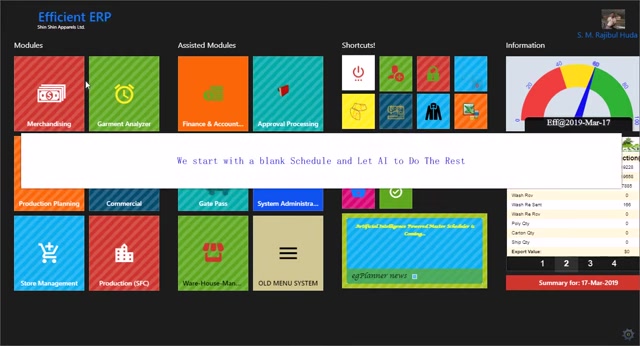
The first step in using Efficient ERP’s master scheduler is to start with a blank schedule.

The system is designed to be flexible and adaptable, allowing businesses to build schedules from scratch or import existing data. To begin, navigate to the scheduling module and select the option to create a new schedule. This will provide you with a clean slate to start planning your resources and tasks.
When starting with a blank schedule, consider the following:
- Define Your Objectives: Clearly Outline what you want to achieve with your schedule. Are you trying to minimize costs, reduce lead times, or improve overall productivity?
- Gather Your Data: Collect all relevant data, including sales forecasts, inventory levels, production capacities, and supply chain information.
- Identify Your Resources: List all the resources that you will need to include in your schedule, such as equipment, personnel, and materials.
By starting with a clear understanding of your objectives and resources, you can ensure that your schedule is aligned with your business goals.
Step 2: Letting AI Take Over the Scheduling Process
Once you have a blank schedule and have gathered all the necessary data, it’s time to let AI take over the scheduling process. Efficient ERP’s AI-powered algorithms can automatically generate an optimized schedule based on your objectives and resources.
To initiate the process, simply select the option to “Generate Schedule” within the scheduling module. The system will then analyze your data and create a schedule that maximizes efficiency and minimizes costs.
While the AI is generating the schedule, you can:
- Monitor Progress: Track the progress of the AI algorithms as they analyze your data and create the schedule.
- Adjust Parameters: Fine-tune the parameters of the AI algorithms to ensure that the schedule aligns with your specific needs.
- Review Results: Examine the generated schedule and make any necessary adjustments.
By allowing AI to take over the scheduling process, you can save time and effort while ensuring that your schedule is optimized for performance.
Step 3: Viewing and Manipulating the AI Generated Schedule
After the AI has completed the schedule, you will need to analyze and potentially change it to better fit your needs.
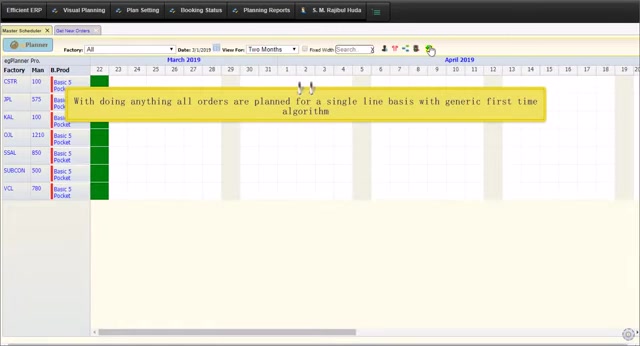
Efficient ERP allows for users to make these adjustments, so the plan can best fit the individual company. Use the search, view, and filtering tools provided by Efficient ERP to find areas of adjustment. Then you can use the manual tools to re-prioritize tasks, re-allocate resources, or edit other options. This hybrid allows users to leverage the convenience of the AI with their on-the-ground experience to make a plan that works.
There are some important things to consider when adjusting an AI-generated schedule:
- Double Check Task Priorities: Make sure your priorities have been appropriately set, or if there are changes, adjust these accordingly.
- Resource Constraints: Look for any areas where your resources, like labor or materials, have been over or underallocated.
Step 4: Monitoring and Adjusting
After the AI is used to generate the initial plan and users make their tweaks, the plan is ready for implementation. However, that is not the end of the process. A good plan is one that can be monitored for effectiveness and changed if necessary. One area where Efficient ERP really shines is its ability to monitor the plan against key metrics.
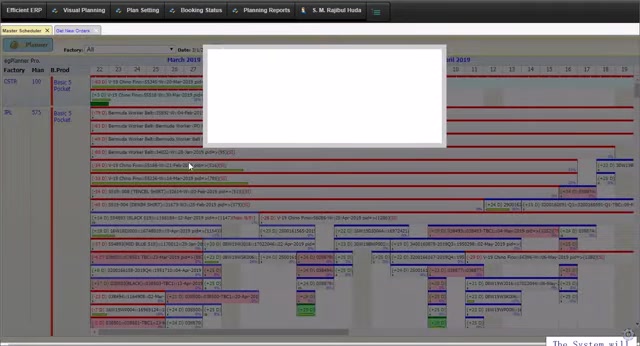
Is productivity meeting expectations? Are certain tasks taking longer than anticipated? These are questions that can be monitored in Efficient ERP. The system's dynamic adjustment capabilities are incredibly valuable in industries where unforeseen challenges are common.
Explore the Core Features of Efficient ERP
Key Features for Streamlined Operations
Efficient ERP is packed with features designed to streamline operations and drive business growth. Here are some of the core functionalities that set Efficient ERP apart:
-
AI-Powered Master Scheduling: Optimize capacity, monitor execution, and dynamically adjust plans based on real-time data.
-
Real-Time Capacity Booking: Gain insight into actual capacity and optimize resource allocation.
-
Automated Plan Adjustments: Respond dynamically to changing conditions with automated plan adjustments.
-
Future-Proof Planning: AI-driven insights help anticipate disruptions and capitalize on opportunities.
-
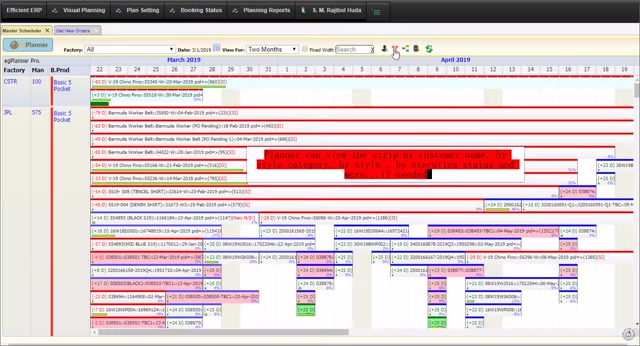
Material Management: View deep insights into the materials and allocate right from the board.
-
Planner’s Activity: It is only to set no of lines and some drag n drop.
-
Views and Executions: With views TNA and execution right from the board.
These core features combine to make Efficient ERP a powerful tool for businesses looking to optimize their operations and achieve their strategic goals.







Most people like


































Report
Please select a reason for reporting
- 13 Reasons to Switch from Snapchat to Text Messaging
- 7 Powerful Speech to Text Apps to Boost Productivity
- 10 Best Speech to Text Tools for Effortless Transcription
- 13 Free Tools to Easily Transcribe Audio to Text
- 15 Surprising Ways Google's Speech-to-Text Boosts Productivity
- 7 Best Free Online Audio to Text Transcription Tools
- 9 Tips to Transcribe Speech to Text Faster and Better
- 13 Best Speech to Text Software for Windows 10 in 2023
- 7 Tips for Choosing the Best Transcriber for Audio to Text
- 11 Reasons Why Dragon Speech-to-Text Apps are Game-Changers
- 6 Secrets to Enhance Your Speech to Text Transcription
- 6 Brilliant Ways to Boost Productivity with Talk-to-Text on Your MacBook
- 6 Ways Transcription Software Converts Audio to Text
- 8 Tips to Transcribe Speech to Text Like a Pro
- 6 Reasons IBM Watson Speech to Text is a Game-Changer
- 14 Powerful Ways Talk-to-Text Improves Your Workflow
- 12 Top Windows Speech-to-Text Software for Efficient Transcription
- 12 Game-Changing Benefits of Apple's Speech to Text Technology
- 9 Powerful Use Cases for AWS Speech to Text Technology
- 10 Easy Steps to Transcribe YouTube Videos to Text
- transcription audio en texte
- online audio transcription
- free audio file transcription
- free ai audio transcription
- audio transcription service
- audio transcription online free
- audio transcription free online
- audio to transcription software
- audio and transcript
- ai audio transcription free
- voice recording to text converter
- translate voice recording to text
- record voice to text
- audio recording to text converter
- voice recording and transcription
- chatgpt voice to text
- gmail voice to text
- speech to text reader
- speech to text ai free
- speech to talk
- How SEO and Marketing Dashboards Empower Agencies to Drive Results
- How to Use AI Tools to Find Internal Linking Opportunities Across a Business Website
- Discover Your Perfect Haircut with AI Hairstyle Apps
- Free Reputation Calculator Tools: How They're Adapting to Score AI Visibility, Not Just Rankings
- Design Professional Flyers for Free on Your Phone
- Best Free Flyer Maker Apps for Android: Design Like a Pro
- How to Know If Your Business Is Ready for an AI Customer Service Agent
- Revolutionizing Storytelling: From Novels to Screenplays with AI
- Create Engaging Animated Explainer Videos with a Free AI Tool
- Stop Multi-Subscribing: Benchmark Top AI Visual Models in One Canvas
- ASOMobile Helps Teams Benchmark App Store Screenshots Against Competitors
- How to Match LMS Software With Your Organization's Training Plan
- Revolutionizing Email Marketing Agency with AI
- How to Convert BTC to HNT
- Unleashing the Power of AI: Cognizant's Roadmap for Transformation
- Frame to Video Review: A Practical Look at Turning Two Still Frames Into Motion
- NVIDIA NIM: Revolutionizing Supply Chain Data Analysis with AI
- Top AI Tools That Help Brands Stand Out Offline (Not Just Online)
- Top 5 Cold Email Software: Maximize Your Outreach in 2025
- Magic School AI: Revolutionizing Quiz & Assessment Generation

Copyright ©2026 toolify