































Table of Contents
- Key Points
- The Significance and History of National Flags
- Deconstructing Flag Design: Key Elements and Meanings
- How to Identify Flags from Around the World
- Analyzing Flag Symbolism: Pros and Cons
- Frequently Asked Questions (FAQs)
- Related Questions


Deconstructing Flag Design: Key Elements and Meanings
Colors and Their Symbolic Meanings
Colors in flags are rarely chosen arbitrarily. They often carry profound symbolic meanings that reflect a nation's values, history, or aspirations. Here are some common flag colors and their typical interpretations:
- Red: Often symbolizes courage, revolution, sacrifice, or strength. Many socialist and communist countries feature red prominently in their flags.
- Blue: Frequently represents liberty, justice, peace, loyalty, or the sea and sky. Blue is a common color in flags of countries with coastal regions or those that value democratic principles.
- Green: Commonly symbolizes hope, agriculture, fertility, or Islam. Many Islamic countries feature green in their flags, as it is considered the color of the Prophet Muhammad.
- Yellow/Gold: Often represents wealth, prosperity, enlightenment, or the sun. Yellow is sometimes used to symbolize mineral resources or agricultural abundance.
- White: Typically symbolizes peace, purity, honesty, or innocence. White is often used as a neutral background color or to separate other colors.
- Black: Can represent mourning, determination, ethnicity, or defeat. Black is sometimes used to symbolize historical struggles or cultural identity.
Understanding the color palette of a flag can provide valuable insights into a nation’s cultural and political values.
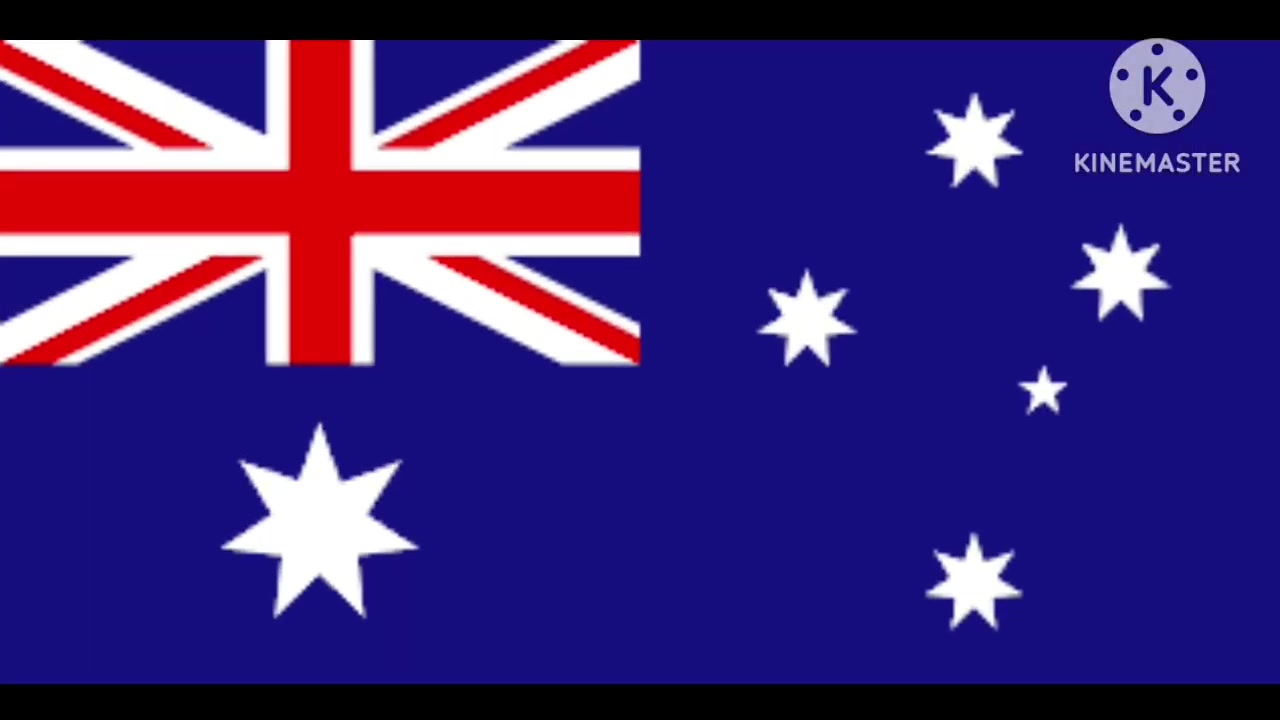
For example, the Pan-Arab colors (red, white, black, and green) are commonly found in the flags of Arab countries, reflecting their shared history and aspirations for unity.
Common Symbols and Their Interpretations
Beyond colors, various symbols are frequently incorporated into flag designs, each carrying its unique interpretation. Here are some common symbols and their meanings:
- Stars: Often represent unity, hope, or individual states/provinces within a country. Multiple stars can symbolize a federation or alliance.
- Crescents: Commonly associated with Islam and are often found in the flags of Muslim countries.
- Suns: Can represent enlightenment, new beginnings, or national energy. Suns are often used to symbolize warmth and prosperity.
- Eagles: Symbolize strength, courage, freedom, and sovereignty. Eagles are a common symbol in flags of countries with a strong military tradition.
- Lions: Represent courage, royalty, and power. Lions are often used in flags of countries with a monarchical history.
- Crosses: Frequently associated with Christianity and are often found in the flags of Christian countries.
- Triangles: Can represent strength, determination, or equality. Triangles are often used to emphasize a particular aspect of national identity.
The arrangement and combination of symbols on a flag contribute to its overall message and cultural significance.
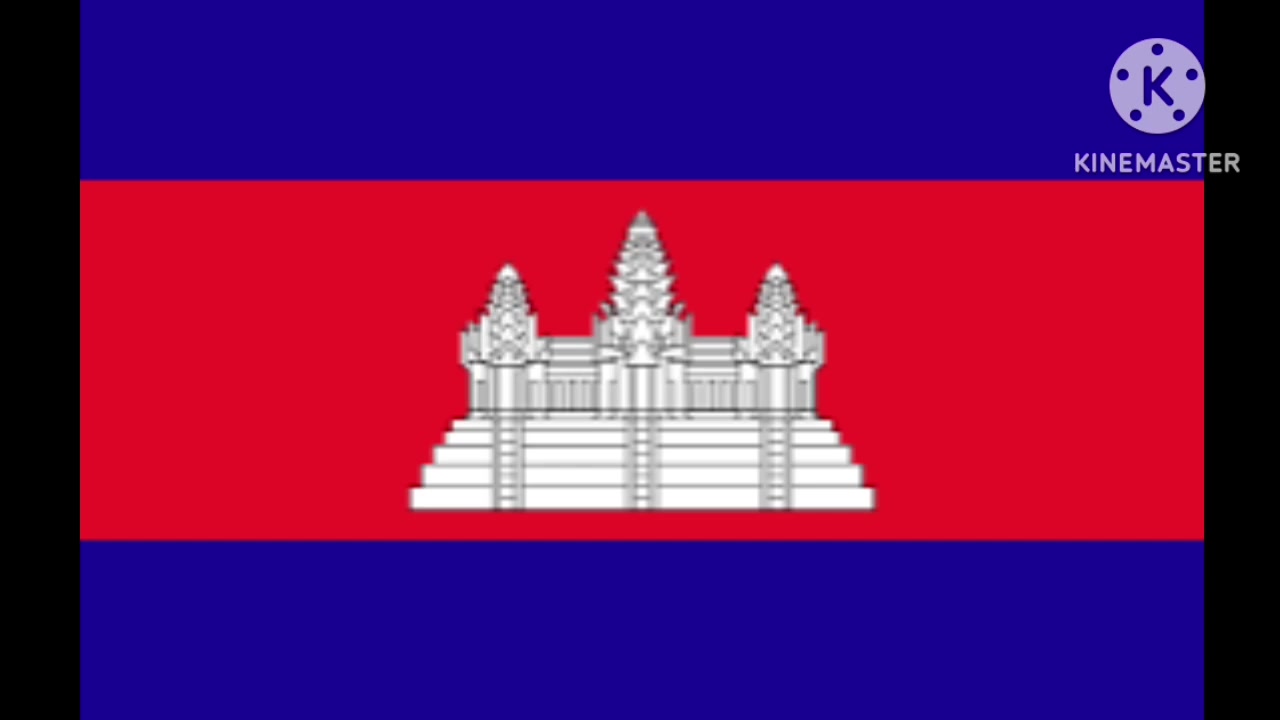
For instance, the maple leaf on the Canadian flag symbolizes the country's unique natural heritage and identity.
Geometric Patterns and Layouts
The geometric patterns and layouts of flags also contribute to their visual identity and symbolism. Common flag layouts include:
- Horizontal Stripes: One of the most common layouts, often representing equality or the different segments of society.
- Vertical Stripes: Similar to horizontal stripes but can also symbolize historical divisions or alliances.
- Diagonal Stripes: Can represent movement, progress, or unity across diverse regions.
- Crosses: As mentioned earlier, often associated with Christianity but can also symbolize unity or balance.
- Cantons: The upper corner of a flag, often containing a distinct symbol or design that represents a specific aspect of national identity.
The deliberate use of geometric patterns and layouts enhances a flag's visual appeal and symbolic resonance.
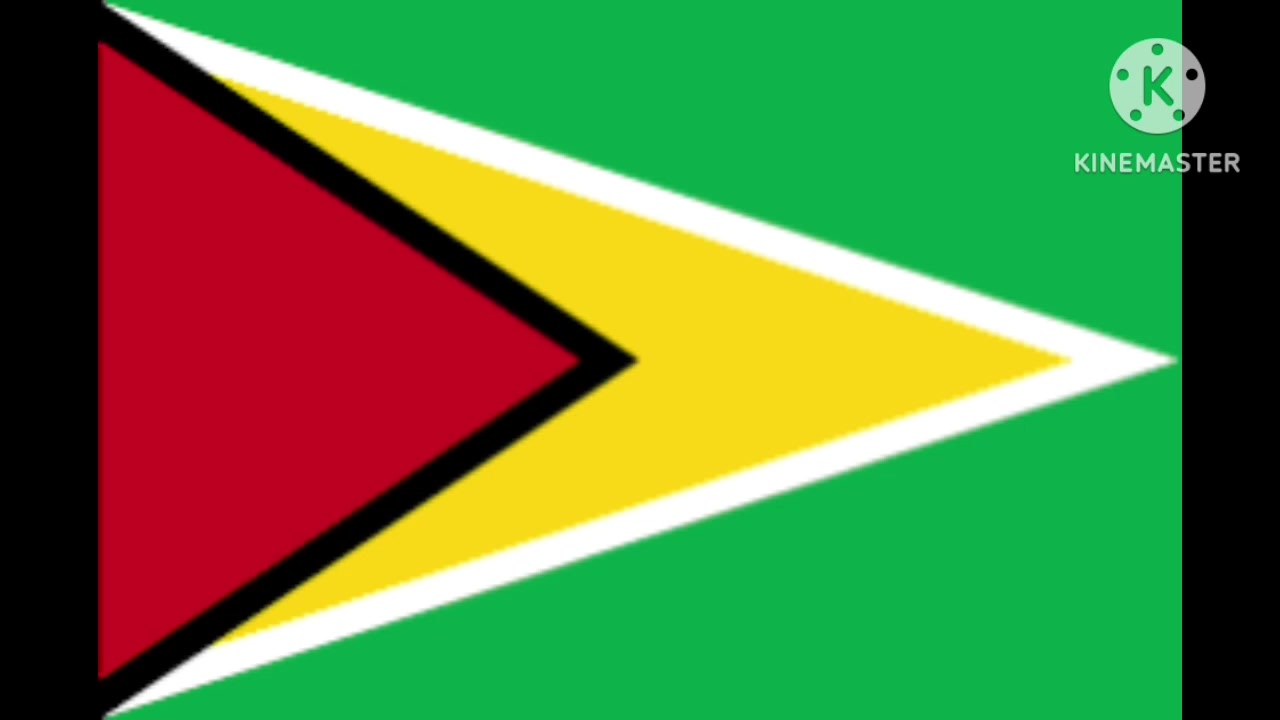
For example, the Nordic cross design, found in the flags of Scandinavian countries, symbolizes their shared cultural and historical heritage.
How to Identify Flags from Around the World
Step 1: Observe the Dominant Colors
Start by noting the most prominent colors used in the flag. As discussed earlier, each color often carries symbolic weight. For example, if you notice a flag with a significant amount of green, it could indicate a connection to Islam or agriculture.
Consider the context of the flag. Is it being flown in a predominantly Muslim region? This could further suggest that the green color represents Islam. Understanding the context can help narrow down the possibilities and guide your identification process.
Step 2: Identify Key Symbols
Next, carefully examine the symbols featured on the flag. Look for recurring motifs such as stars, crescents, eagles, lions, or crosses. Refer to the list of common symbols and their interpretations provided earlier to understand their potential meanings.
Pay attention to the arrangement and number of symbols.

A single star might represent unity, while multiple stars could symbolize individual states or provinces. The position and orientation of symbols can also be significant, adding layers of meaning to the flag’s design.
Step 3: Analyze Geometric Patterns
Analyze the geometric patterns and layouts used in the flag. Determine whether the flag features horizontal stripes, vertical stripes, diagonal stripes, crosses, or cantons. Understand how these patterns might reflect the country's history, alliances, or cultural values.
Consider the proportionality of the patterns. Are the stripes equal in width? Does one color or pattern dominate the design? These details can provide additional clues about the flag’s significance.
Step 4: Use Online Resources and Databases
If you are having difficulty identifying a flag, there are numerous online resources and databases that can assist you. Websites dedicated to vexillology often feature comprehensive collections of national flags, searchable by color, symbol, or region. You can also consult encyclopedias and other reference materials for detailed information about specific flags and their meanings.
Try searching for descriptions of the flag you’re trying to identify. If you can accurately describe the flag’s colors, symbols, and layout, you may be able to find it in an online search.





Most people like


































Report
Please select a reason for reporting
- 13 Reasons to Switch from Snapchat to Text Messaging
- 7 Powerful Speech to Text Apps to Boost Productivity
- 10 Best Speech to Text Tools for Effortless Transcription
- 13 Free Tools to Easily Transcribe Audio to Text
- 15 Surprising Ways Google's Speech-to-Text Boosts Productivity
- 7 Best Free Online Audio to Text Transcription Tools
- 9 Tips to Transcribe Speech to Text Faster and Better
- 13 Best Speech to Text Software for Windows 10 in 2023
- 7 Tips for Choosing the Best Transcriber for Audio to Text
- 11 Reasons Why Dragon Speech-to-Text Apps are Game-Changers
- 6 Secrets to Enhance Your Speech to Text Transcription
- 6 Brilliant Ways to Boost Productivity with Talk-to-Text on Your MacBook
- 6 Ways Transcription Software Converts Audio to Text
- 8 Tips to Transcribe Speech to Text Like a Pro
- 6 Reasons IBM Watson Speech to Text is a Game-Changer
- 14 Powerful Ways Talk-to-Text Improves Your Workflow
- 12 Top Windows Speech-to-Text Software for Efficient Transcription
- 12 Game-Changing Benefits of Apple's Speech to Text Technology
- 9 Powerful Use Cases for AWS Speech to Text Technology
- 10 Easy Steps to Transcribe YouTube Videos to Text
- transcription audio en texte
- online audio transcription
- free audio file transcription
- free ai audio transcription
- audio transcription service
- audio transcription online free
- audio transcription free online
- audio to transcription software
- audio and transcript
- ai audio transcription free
- voice recording to text converter
- translate voice recording to text
- record voice to text
- audio recording to text converter
- voice recording and transcription
- chatgpt voice to text
- gmail voice to text
- speech to text reader
- speech to text ai free
- speech to talk
- How to Use AI Tools to Find Internal Linking Opportunities Across a Business Website
- Discover Your Perfect Haircut with AI Hairstyle Apps
- Free Reputation Calculator Tools: How They're Adapting to Score AI Visibility, Not Just Rankings
- Design Professional Flyers for Free on Your Phone
- Best Free Flyer Maker Apps for Android: Design Like a Pro
- How to Know If Your Business Is Ready for an AI Customer Service Agent
- Revolutionizing Storytelling: From Novels to Screenplays with AI
- Create Engaging Animated Explainer Videos with a Free AI Tool
- Stop Multi-Subscribing: Benchmark Top AI Visual Models in One Canvas
- Best Seedance 2.5 API Provider: Every Price on the Market, Checked at Source
- Top AI Social Media Management Tools: Automate Your Content Strategy
- Free AI Text to Video Generator: Create Stunning Videos from Text
- Discover 17 ChatGPT Alternatives: A Comprehensive Comparison
- Character.AI vs. Janitor AI: Which AI Chat Platform Reigns Supreme?
- Top Virtual Assistant Companies in 2026: Reviews, Pricing, and Plans Compared
- Unveiling FaceCheck.ID: Revolutionizing Reverse Image Searches with AI
- 11 Best AI Dialers in 2026: Features, Pricing, Pros and Cons
- How I Direct Consistent AI Clips: A Hands-On Guide to Multi-Model Generation
- A Realistic Review of the Photo Generator Image Tool
- Playwright MCP Server: Automated Web Testing with Agent Mode

Copyright ©2026 toolify