































Table of Contents
- Key Points
- A Journey Through National Emblems
- Unique Flag Design Elements
- Understanding Flag Symbolism: Pros and Cons
- Frequently Asked Questions (FAQ)
- Related Questions


A Journey Through National Emblems
Flags of Asia
Asia, the largest and most populous continent, boasts a diverse collection of flags, each reflecting the unique history and culture of its respective nation. Let's explore a few notable examples.
-
**Afghanistan
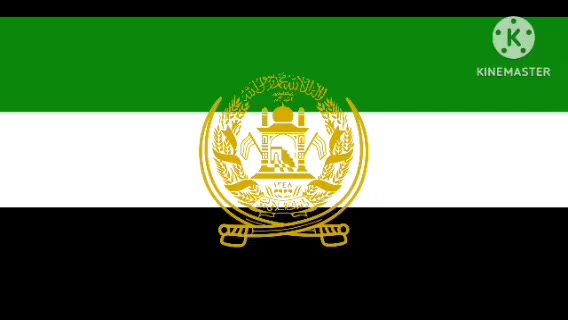
: The current flag, adopted in 2013, features the color green, black, and white stripes**. The central emblem includes a mosque with its mihrab facing Mecca. This design reflects the Islamic heritage and aspirations for peace and progress within the nation.
-
United Kingdom : Often called the Union Jack, this flag uniquely combines the crosses of St. George (England), St. Andrew (Scotland), and St. Patrick (Ireland). The resulting design symbolizes the union of these nations under one crown, a testament to British history and colonial expansion. Its design holds a strong presence on many other countries flags, as we will see.
-
Åland Islands : This autonomous region of Finland features a blue flag with a Scandinavian cross in red and yellow. The colors represent Åland's historical ties to Sweden, showcasing a blend of cultural influences within a Nordic context.
-
Albania : Albania's flag is a striking symbol of national identity. It features a black two-headed eagle against a red background, evoking imagery of strength and sovereignty rooted in the nation's historical struggles.
-
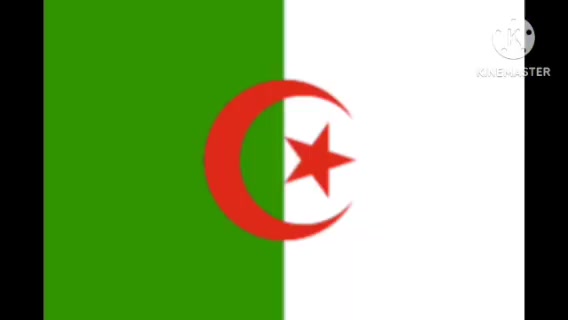
Algeria : A striking crescent moon and star are centered on the design. With the green signifying islam, the star representing the country's muslim heritage, and the white representing purity, the Algerian flag beautifully blends religious heritage and national ideals.

-
Armenia : The Armenian flag consists of three horizontal bands in red, blue, and orange. These colors are traditionally associated with the nation's identity, reflecting its history and cultural heritage within the Caucasus region. The shades are vibrant and clear, allowing it to stand out among other countries flags.
Understanding the symbolism behind each of these flags offers a unique lens through which to appreciate the complexities of Asian history, culture, and national identity. From religious symbols to historical emblems, these flags encapsulate the stories of nations striving for peace, unity, and recognition on the global stage.
Flags of the Americas
The flags of North and South America reflect a diverse tapestry of cultures, histories, and national identities. Each emblem and color choice tells a unique story about the nation it represents. Let's delve into some striking examples:
-
American Samoa : This territory of the United States proudly displays a flag with a bald eagle clutching traditional Samoan war clubs and a fly whisk. This powerful image combines American and Samoan symbols, representing the unique relationship between the two cultures.
-
Andorra : Located in the Pyrenees Mountains, Andorra's flag mirrors that of France and Spain, its two protecting nations. The vertical tricolor features blue, yellow, and red stripes, with the Andorran coat of arms in the center, symbolizing the country's independence and historical relationships.
-
Angola : Angola's flag is divided horizontally into red and black bands. The central emblem depicts a cogwheel, a machete, and a star, symbolizing industrial workers, peasants, and international solidarity. This design reflects the nation's socialist history and aspirations for economic development.
-
Anguilla : This British Overseas Territory uses a defaced British Blue Ensign. The shield features three intertwined dolphins, representing friendship, wisdom, and strength within the Caribbean region.
-
Antarctica : The proposed flag showcases the continent in white on a blue background. A minimalist design reflects its neutrality and aims to represent peace and international cooperation in the region. Many think that a white flag over a blue background is suitable as a peaceful representation. It would look amazing waving in the icey winds!
-
Antigua and Barbuda : The sun on the flag stands for the dawn of a new era. The black represents the African ancestry of the people, the blue represents hope, and the red represents energy.
-
Argentina : Argentina's flag features a light blue and white triband with a central emblem depicting the Sun of May. This iconic sun represents the nation's quest for independence and the glorious revolution of 1810.
The flags of the Americas are visually diverse, reflecting the unique experiences and aspirations of their respective nations. Through careful selection of symbols, colors, and designs, these flags communicate powerful messages about cultural identity, historical struggles, and the enduring pursuit of national pride and progress.
Flags of Europe
European flags present a captivating array of designs, each deeply rooted in the continent's rich history and cultural heritage. From ancient crosses to modern emblems, these flags tell stories of empires, revolutions, and national awakenings. Here’s a glimpse into some notable flags:
-
Austria : The Austrian flag, a simple yet elegant design, is a horizontal triband of red-white-red. Legend attributes its origin to Duke Leopold V, who, after a fierce battle, removed his white tunic to reveal his blood-soaked garments, with only a white band remaining where his belt had been. Whether true or not, the flag remains a powerful symbol of Austrian identity.
-
Azerbaijan : The Azerbaijani flag is composed of three horizontal bands in blue, red, and green. A white crescent moon and eight-pointed star are centered on the red band. These elements carry deep cultural significance, with the blue representing Turkic heritage, the red symbolizing progress, and the green reflecting Islamic faith. The eight points of the star allude to the Turkic peoples.
-
Bahamas : The Bahamian flag is characterized by its unique design, showcasing a black triangle pointing towards the hoist side, set against horizontal bands of aquamarine, gold, and aquamarine. This striking combination of colors and shapes symbolizes the strength, land, and sea that define the nation's identity.
-
Bahrain : Bahrain's flag features a red field with a white serrated band on the hoist side. This design reflects the nation's history and distinct cultural identity within the Persian Gulf region.
-
Belarus : Belarus's flag features a vertical red ornament pattern on the left side, symbolizing the nation's rich cultural heritage.
-
Belgium : The flag has a vertical triband in black, yellow, and red, inspired by the French flag.
The flags of Europe serve as vivid reminders of the continent's diverse and storied past. From ancient origins to modern expressions of national identity, these flags encapsulate the values, struggles, and aspirations of European nations in a globalized world.
Flags of Africa
African flags are a vibrant tapestry of colors and symbols, reflecting the continent's diverse history and cultures. Many flags incorporate Pan-African colors (red, yellow, and green), inspired by the Ethiopian flag. These colors symbolize African unity, liberation, and hope for a brighter future. Let's explore some of the flags:
-
**Benin
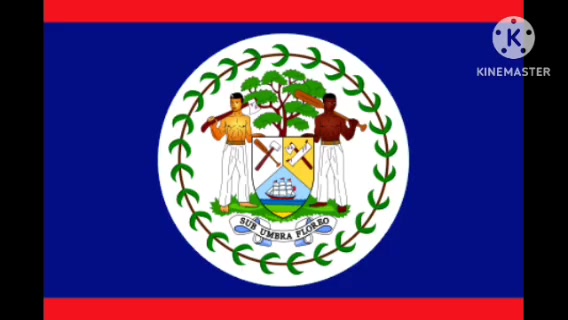
: The flag of Benin features a unique design with a green vertical stripe on the hoist side and a yellow and red horizontal bicolour**. This combination of colors represents hope, prosperity, and courage.
-
Botswana : Light blue with a horizontal white-edged black stripe. the blue symbolizes water.
-
Burkina Faso : The flag is comprised of horizontal bands in red and green, mirroring those of Ethiopia. A five-pointed yellow star sits at the heart of the design.
-
Burundi : The Burundi flag features a white saltire dividing the red and green fields. In the center, a white disc displays three red stars bordered in green, symbolizing the nation's motto of unity, work, and progress.
-
Cameroon : Cameroon's flag has green, red, and yellow. A yellow star takes center position in the design.
-
Cape Verde : The flag of Cape Verde showcases a circular arrangement of ten yellow stars against a vibrant blue backdrop. In addition, horizontal bands of white and red sit centrally on the flag.
The flags of Africa serve as compelling reminders of the continent’s diverse and storied past. These flags encapsulate the values, struggles, and aspirations of African nations in a globalized world.
Flags of Oceania
The flags of Oceania, the island nations and territories scattered across the vast Pacific Ocean, showcase a unique blend of indigenous cultures, colonial legacies, and emerging national identities.
-
**Australia

: This flag is a perfect example of this pattern and features a Union Jack in the upper left**, stars spread across the right side, and a large seven-pointed star that represents the states of Australia. This iconic flag uniquely blends colonial history with a deep expression of national uniqueness.
-
Christmas Island : In a sea of blue, green, and stars, this flag has a unique bird design.
-
Cocos (Keeling) Islands : This flag has a coconut tree and stars on a green background.
-
Cook Islands : The flag is another example of the defaced British Blue Ensigns, with the Union Jack in the upper left and a ring of stars on the right side.
-
Federated States of Micronesia : A series of white stars stands proud on a blue background.
The flags of Oceania offer a captivating glimpse into the region's diverse cultures and emerging national identities. From nods to colonial legacies to bold declarations of indigenous heritage, these flags embody the stories of resilience, adaptation, and the ongoing quest for self-determination in a vast and interconnected world.






Most people like




































Report
Please select a reason for reporting
- 13 Reasons to Switch from Snapchat to Text Messaging
- 7 Powerful Speech to Text Apps to Boost Productivity
- 10 Best Speech to Text Tools for Effortless Transcription
- 13 Free Tools to Easily Transcribe Audio to Text
- 15 Surprising Ways Google's Speech-to-Text Boosts Productivity
- 7 Best Free Online Audio to Text Transcription Tools
- 9 Tips to Transcribe Speech to Text Faster and Better
- 13 Best Speech to Text Software for Windows 10 in 2023
- 7 Tips for Choosing the Best Transcriber for Audio to Text
- 11 Reasons Why Dragon Speech-to-Text Apps are Game-Changers
- 6 Secrets to Enhance Your Speech to Text Transcription
- 6 Brilliant Ways to Boost Productivity with Talk-to-Text on Your MacBook
- 6 Ways Transcription Software Converts Audio to Text
- 8 Tips to Transcribe Speech to Text Like a Pro
- 6 Reasons IBM Watson Speech to Text is a Game-Changer
- 14 Powerful Ways Talk-to-Text Improves Your Workflow
- 12 Top Windows Speech-to-Text Software for Efficient Transcription
- 12 Game-Changing Benefits of Apple's Speech to Text Technology
- 9 Powerful Use Cases for AWS Speech to Text Technology
- 10 Easy Steps to Transcribe YouTube Videos to Text
- transcription audio en texte
- online audio transcription
- free audio file transcription
- free ai audio transcription
- audio transcription service
- audio transcription online free
- audio transcription free online
- audio to transcription software
- audio and transcript
- ai audio transcription free
- voice recording to text converter
- translate voice recording to text
- record voice to text
- audio recording to text converter
- voice recording and transcription
- chatgpt voice to text
- gmail voice to text
- speech to text reader
- speech to text ai free
- speech to talk
- How SEO and Marketing Dashboards Empower Agencies to Drive Results
- How to Use AI Tools to Find Internal Linking Opportunities Across a Business Website
- Discover Your Perfect Haircut with AI Hairstyle Apps
- Free Reputation Calculator Tools: How They're Adapting to Score AI Visibility, Not Just Rankings
- Design Professional Flyers for Free on Your Phone
- Best Free Flyer Maker Apps for Android: Design Like a Pro
- How to Know If Your Business Is Ready for an AI Customer Service Agent
- Revolutionizing Storytelling: From Novels to Screenplays with AI
- Create Engaging Animated Explainer Videos with a Free AI Tool
- Stop Multi-Subscribing: Benchmark Top AI Visual Models in One Canvas
- AI & Elections: Defending Democracy Against Misinformation
- Navigating Political Discourse: AI, Deepfakes, and Reality Checks
- Detecting Political Bias in News Articles: A Powerful AI Algorithm
- AI Bias Unveiled: Political Leanings in ChatGPT & Beyond
- Revolutionize Learning: Discover Quizzes AI for Engaging Interactive Quizzes
- From AI-Generated to Audience-Ready: How Quillbot Humanize AI Is Changing the Content Editing Process
- Building an AI Writing Stack in 2026: LLMs, Detectors, and Humanizers
- 7 Top AI-Powered Database Assistant Platforms
- An Objective Look at Modern Web-Based Visual Modifications
- My Honest Experience with VideoAI: The Secret Weapon for Creators Who Need Character Voices

Copyright ©2026 toolify