































Table of Contents
- Key Points
- Essential Elements of Comprehensive Lesson Plans
- Leveraging AI in Lesson Plan Generation
- Benefits and Challenges of Detailed Lesson Planning
- FAQ
- Related Questions



Essential Elements of Comprehensive Lesson Plans
Crafting a Compelling Lesson Title
The lesson title is the first point of contact with your students and any observer of your plan.
It should be concise, descriptive, and immediately convey the core topic of the lesson. A well-chosen title sparks curiosity and sets the stage for learning.
- Keep it brief and to the point.
- Accurately reflect the lesson's content.
- Use engaging language to attract students' interest.
The lesson title should also allow other teachers or adminstrators that are reading over the plans to understand what the class is about in a general sense.
Specifying Grade Level and Subject
Clearly indicating the grade level and subject is crucial for aligning the lesson with appropriate learning standards.
This ensures that the content is neither too challenging nor too simplistic for the intended audience. Specifying this ensures other teachers can accurately assess the appropriate context for a teaching plan.
- State the specific grade level (e.g., 6th grade, 10th grade).
- Specify the subject matter (e.g., Mathematics, Science, History).
- Ensure the content is tailored to the cognitive and developmental stage of the students.
Defining Measurable Learning Objectives
Learning objectives serve as the roadmap for both the teacher and the student.
They clearly state what students are expected to know, understand, and be able to do by the end of the lesson. These objectives should be measurable, achievable, relevant, and time-bound (SMART).
- State specific learning goals: Use action verbs (e.g., define, explain, analyze) to describe what students will achieve.
- Align with curriculum standards: Ensure that the objectives align with national, state, or local curriculum requirements.
- Make objectives measurable: Create objectives that can be assessed through observation, questioning, or formal assessments. Remember to also account for a specific target for students to hit. A general, non-specific target can make it hard to see improvement or mastery of a subject.
- Differentiate between Objectives and Outcomes: Differentiate by what you aim to achieve vs what has been achieved.
Assessing Prior Knowledge: Setting the Stage for Learning
Before diving into new material, it's essential to assess students' existing knowledge of the topic.
This helps the teacher tailor the lesson to meet the students where they are, filling in any gaps and building upon existing understanding. This also informs the teacher which parts of the lesson they can easily cover and which might require some more in depth explenation.
- Use pre-assessments: Implement Quizzes, surveys, or class discussions to gauge students' familiarity with the topic.
- Identify gaps: Pinpoint areas where students may need additional support or clarification.
- Adjust instruction: Modify the lesson plan based on the assessment to cater to the students' current knowledge level.
Listing Materials and Resources: Preparing for Success
A comprehensive lesson plan includes a detailed list of all the materials and resources needed for the lesson.
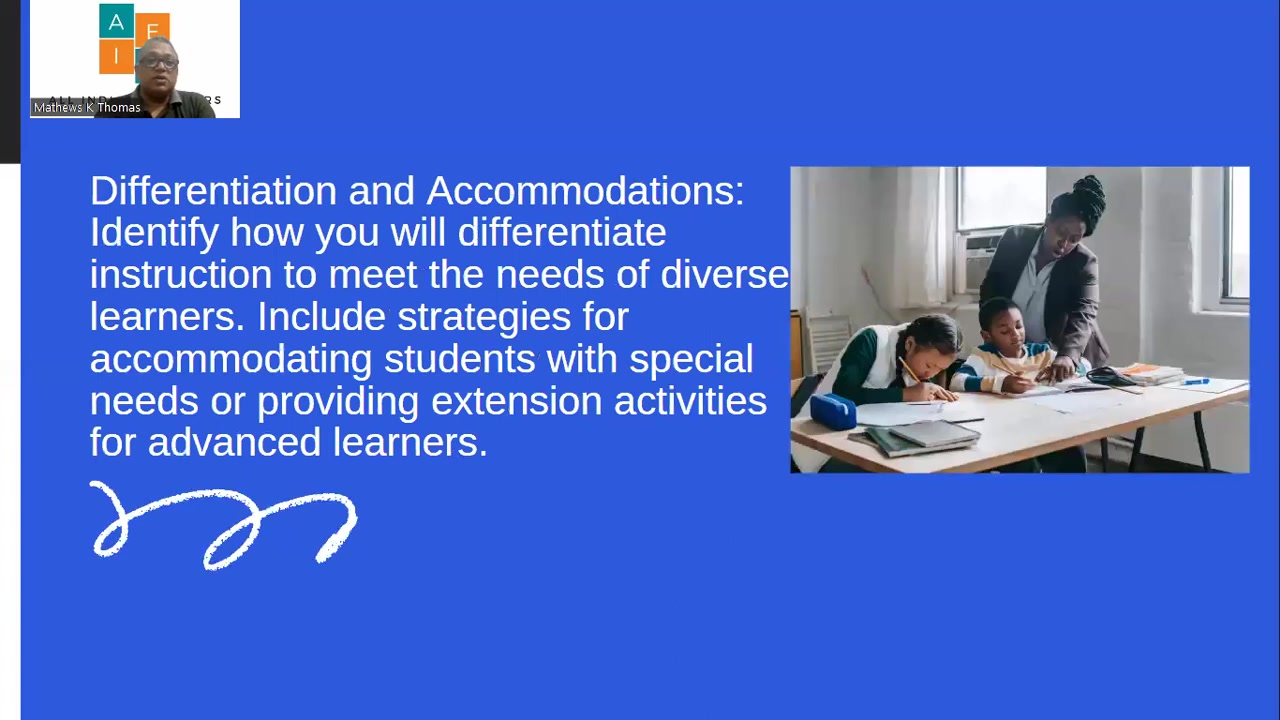
This ensures that the teacher is well-prepared and can smoothly facilitate the learning activities.
- Textbooks and readings: Specify any required textbooks, articles, or online resources.
- Worksheets and handouts: Prepare all necessary worksheets, handouts, or activity sheets.
- Multimedia resources: Include any audio, video, or interactive materials.
- Technology tools: Identify necessary software, apps, or digital platforms, such as AI, and smart boards.
Defining the Methodology: Capturing Attention and Establishing Relevance
The methodology section outlines how the teacher will introduce the lesson and engage students from the start.
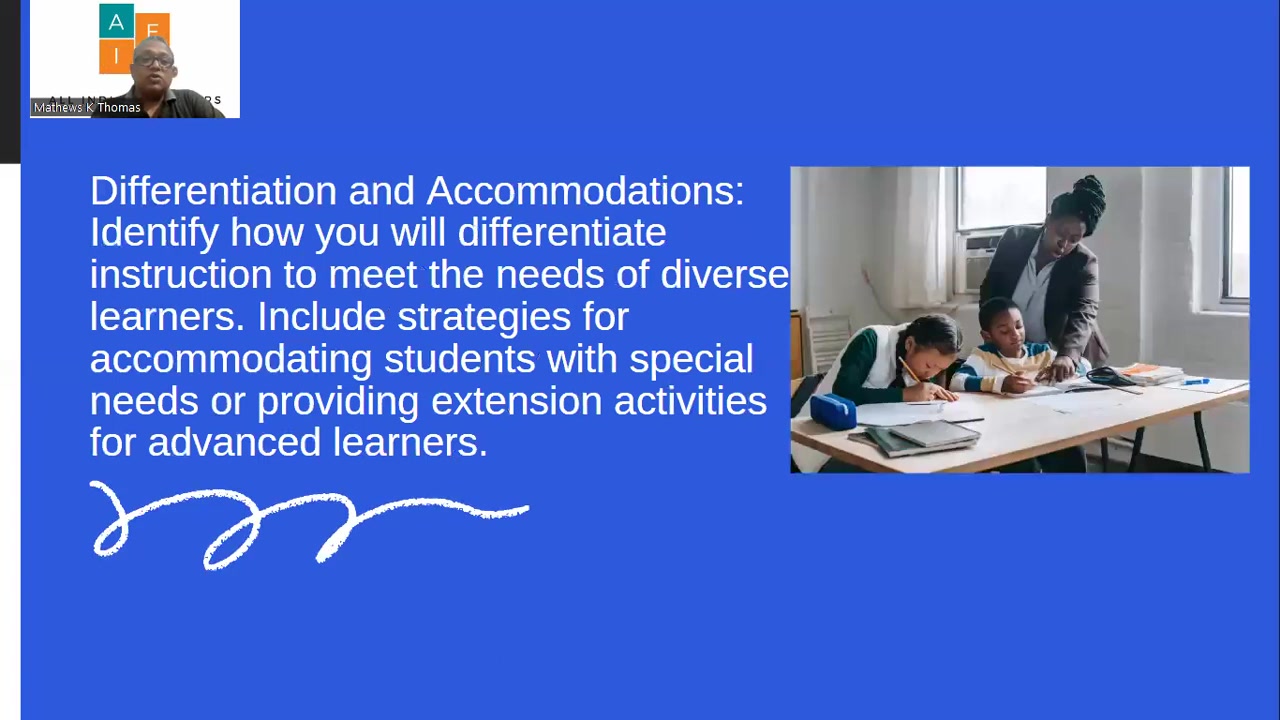
It should describe the strategies used to capture students' attention and establish the relevance of the topic.
- Include a hook: Start with an attention-grabbing activity, question, or real-life example.
- Establish relevance: Explain why the topic is important and how it relates to students’ lives.
- Foster curiosity: Encourage students to ask questions and explore the topic further.
Outlining the Instructional Sequence: A Step-by-Step Guide
The instructional sequence provides a detailed, step-by-step guide to the lesson's activities and instructional strategies.
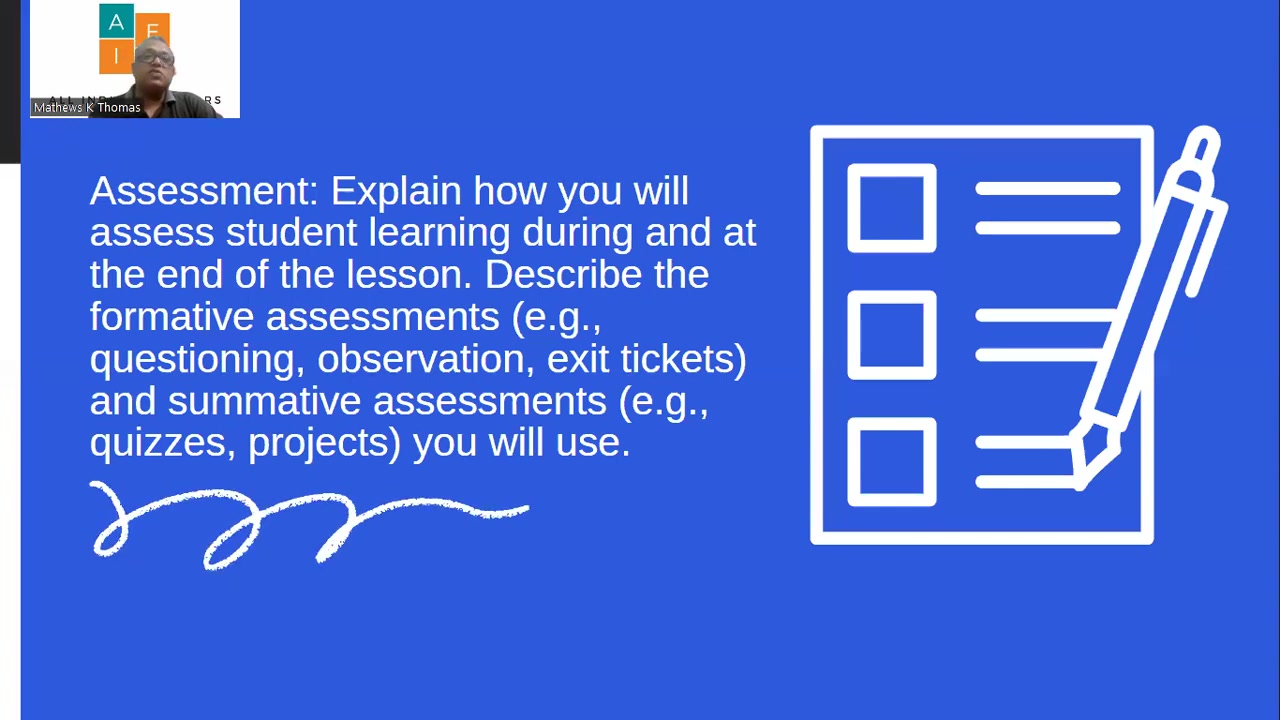
This ensures a logical flow and helps the teacher stay on track.
- Direct instruction: Outline the key concepts, explanations, and demonstrations.
- Group work: Describe collaborative activities and group projects.
- Discussions: Plan structured discussions to encourage critical thinking and participation.
-
Hands-on activities: Include interactive tasks that allow students to apply their knowledge.
The instruction plan should be easy to assess to ensure the teacher is following the correct direction.
Differentiation and Accommodations: Meeting Diverse Needs
Recognizing that every classroom includes diverse learners with varying needs, a comprehensive lesson plan addresses differentiation and accommodations.
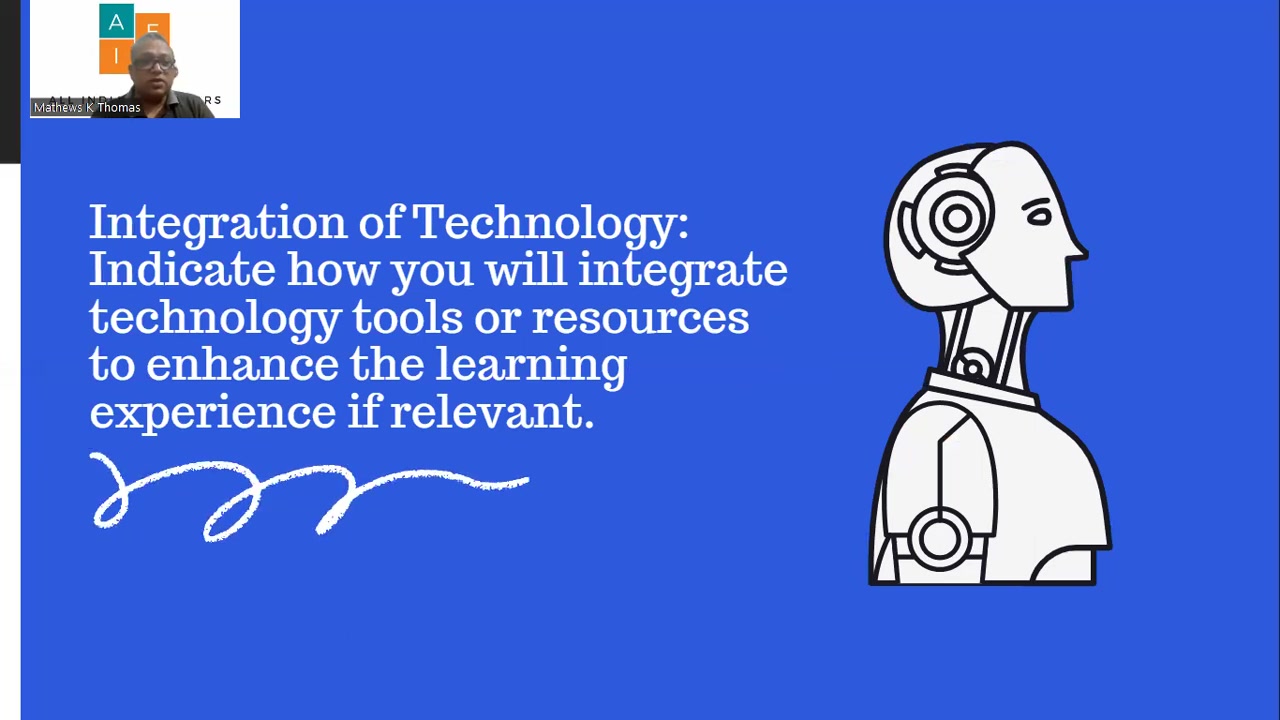
This section outlines strategies for supporting students with special needs or providing extension activities for advanced learners.
- Accommodating special needs: Include modifications or adaptations for students with disabilities or learning challenges.
- Providing extension activities: Offer challenging tasks or projects for high-achieving students.
- Creating flexible grouping: Implement strategies for grouping students based on their readiness and learning styles.
Explaining Assessment Methods: Measuring Learning Outcomes
Assessment is a critical component of lesson planning, providing valuable feedback on student learning and instructional effectiveness.
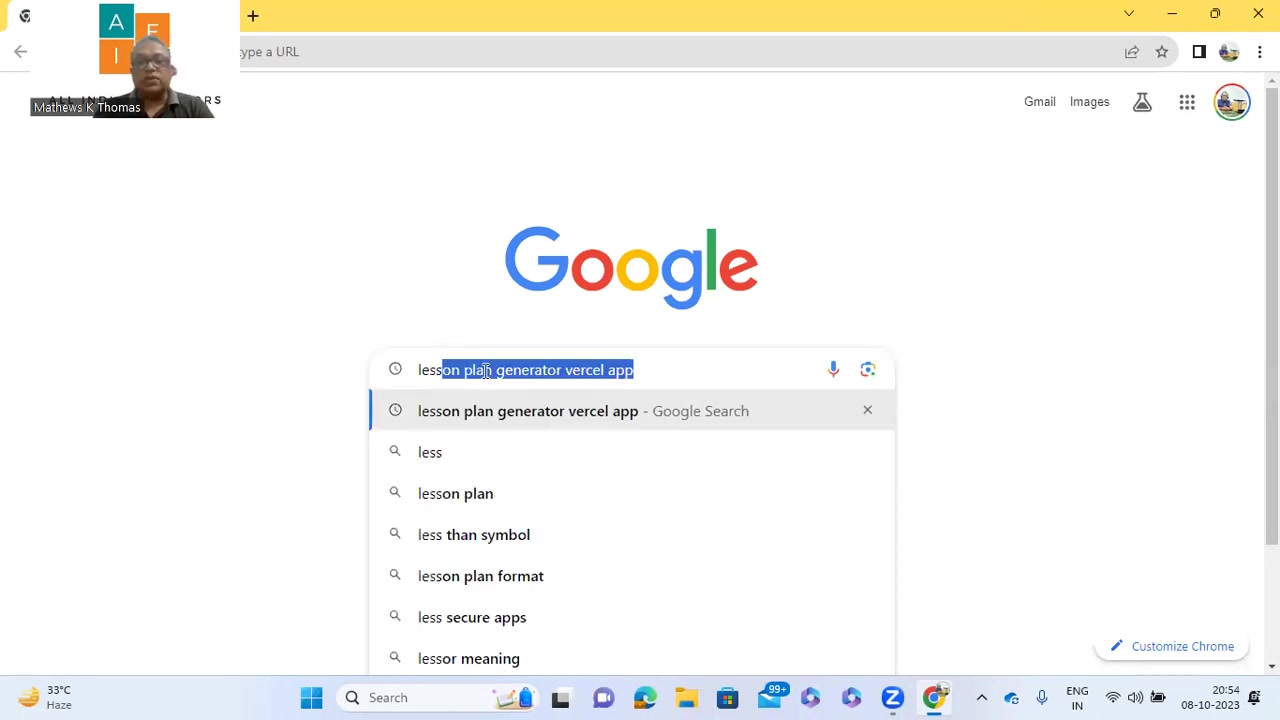
This section describes how the teacher will assess student learning during and at the end of the lesson.
- Formative assessments: Describe informal methods (e.g., questioning, observation, exit tickets) used to monitor student progress during the lesson.
- Summative assessments: Outline formal methods (e.g., quizzes, projects) used to evaluate student learning at the end of the lesson.
- Provide clear criteria: Establish clear criteria for assessing student performance on each task.
Planning for Closure and Reflection: Consolidating Learning
The closure and reflection section outlines how the teacher will bring the lesson to a close and encourage students to reflect on their learning.
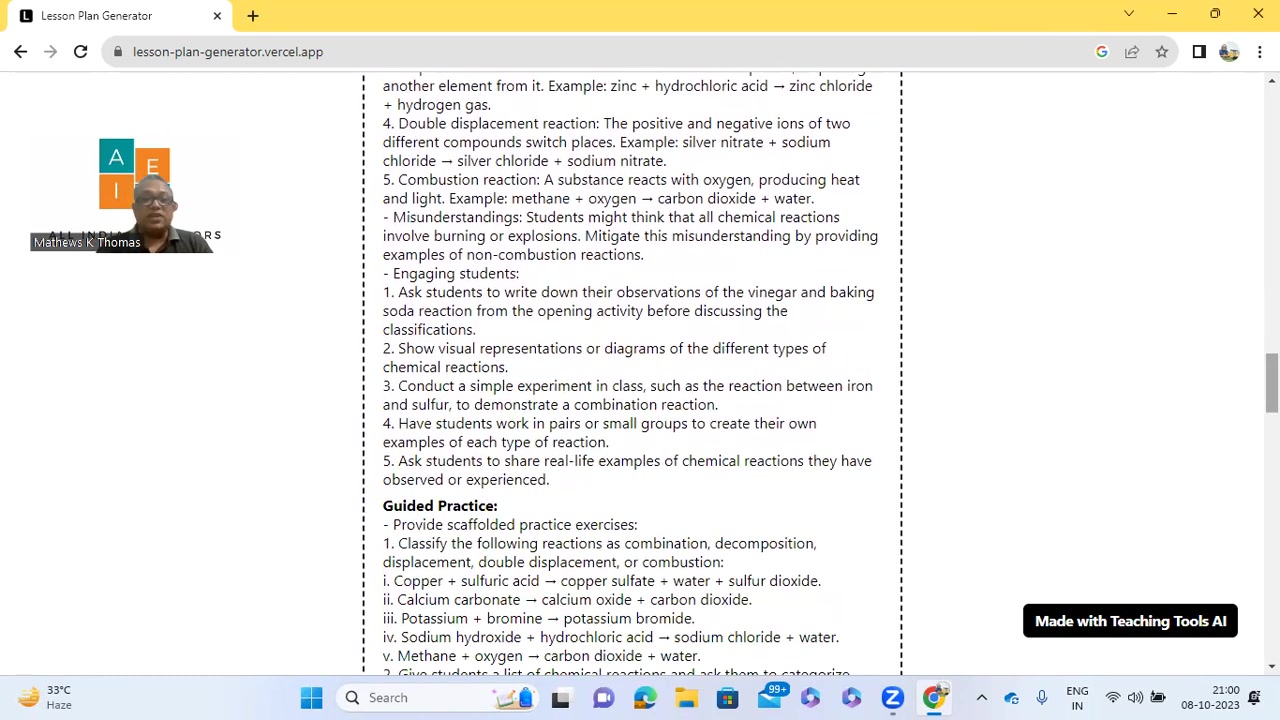
This helps consolidate the key points and allows students to make connections to prior knowledge.
- Summarize key concepts: Review the main ideas and learning objectives of the lesson.
- Encourage reflection: Ask students to reflect on what they learned, what they found challenging, and how they can apply the new knowledge.
- Assign follow-up tasks: Provide Homework assignments or extension activities to reinforce learning.
Adding Homework and Practice
All comprehensive teaching plan requires some form of homework or independent practice.
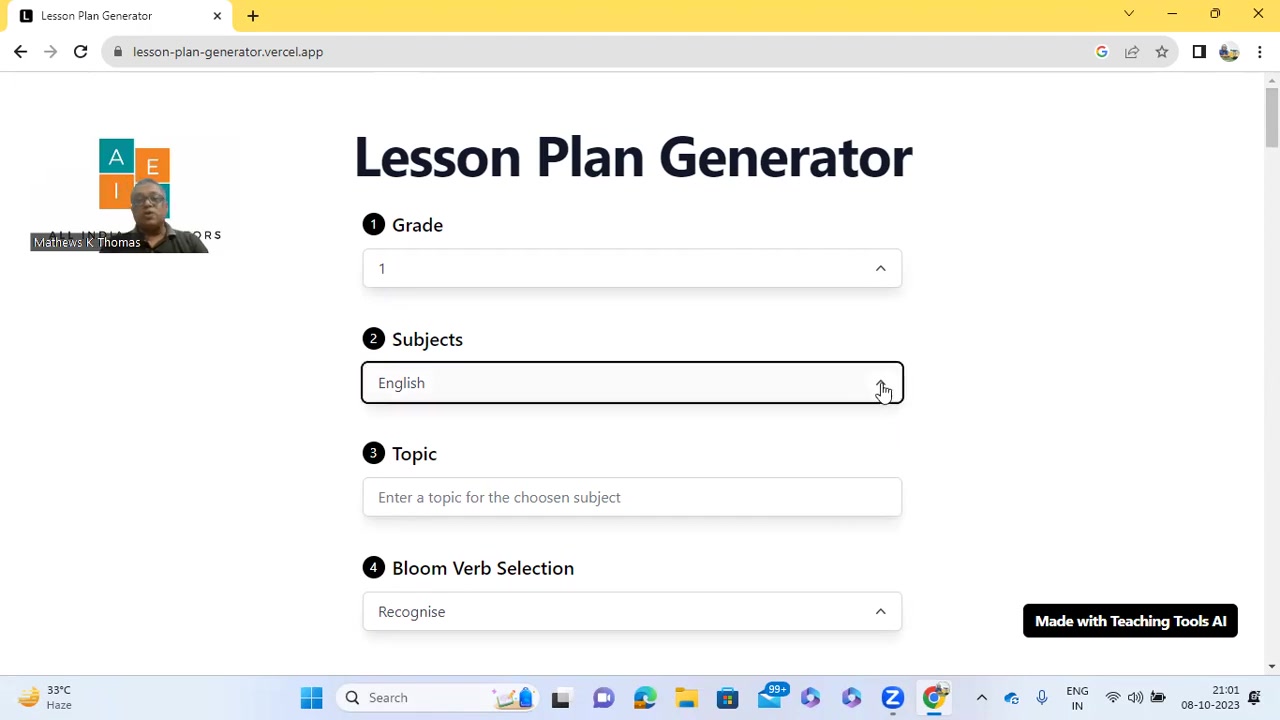
Specifying any homework assignments or independent practice tasks students will complete after the lesson helps to measure progress and provides a benchmark for where they should be at the end of a lesson or class period. It also provides a great baseline for a teacher to help struggling students and ensure they all meet a consistent minimum target.
Integrate New Technology
For teachers to remain relevant, and increase student engagement, it is important to continue to integrate technology where appropriate.
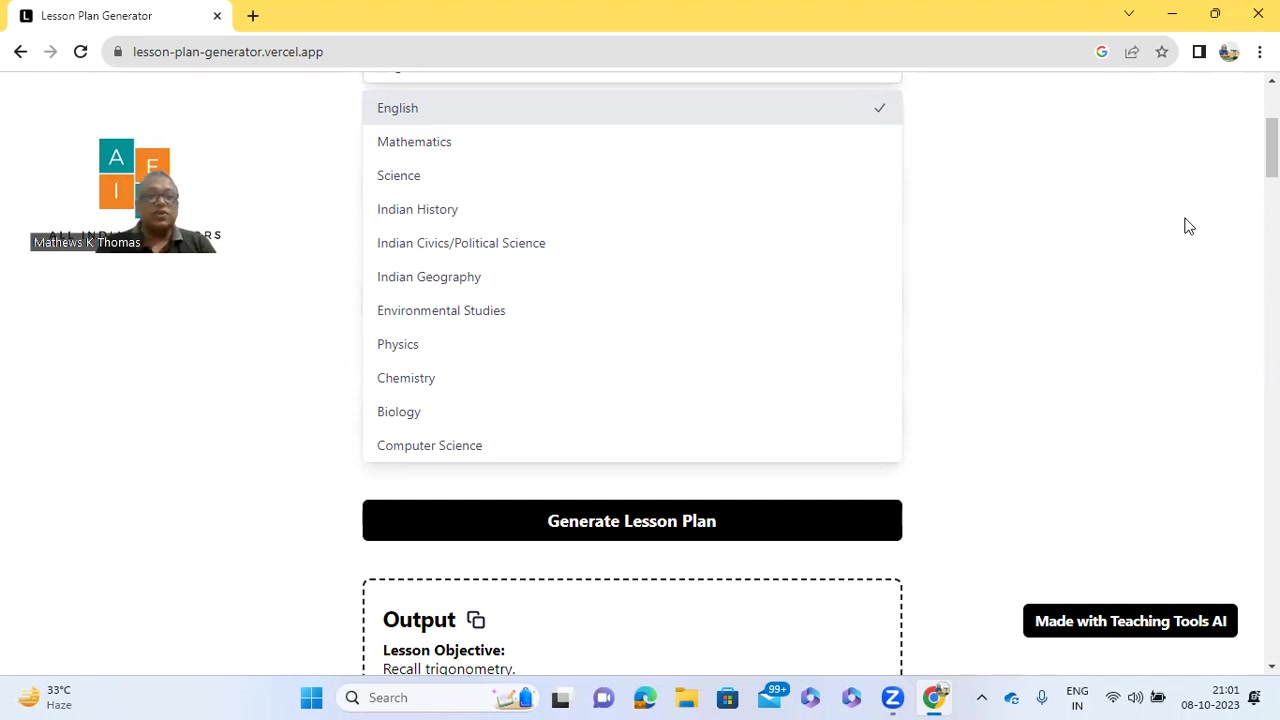
Adding new things like AI and new teaching models keeps students engaged and provides them new avenues for learning.
Allocate Time
A solid lesson plan accounts for time. As a teacher, it is your responsiblity to allocate for the time to realistically perform and execute your teaching plan. This ensures things are well paced, and can provide you with the framework to effectively teach.





Most people like








































Report
Please select a reason for reporting
- 13 Reasons to Switch from Snapchat to Text Messaging
- 7 Powerful Speech to Text Apps to Boost Productivity
- 10 Best Speech to Text Tools for Effortless Transcription
- 13 Free Tools to Easily Transcribe Audio to Text
- 15 Surprising Ways Google's Speech-to-Text Boosts Productivity
- 7 Best Free Online Audio to Text Transcription Tools
- 9 Tips to Transcribe Speech to Text Faster and Better
- 13 Best Speech to Text Software for Windows 10 in 2023
- 7 Tips for Choosing the Best Transcriber for Audio to Text
- 11 Reasons Why Dragon Speech-to-Text Apps are Game-Changers
- 6 Secrets to Enhance Your Speech to Text Transcription
- 6 Brilliant Ways to Boost Productivity with Talk-to-Text on Your MacBook
- 6 Ways Transcription Software Converts Audio to Text
- 8 Tips to Transcribe Speech to Text Like a Pro
- 6 Reasons IBM Watson Speech to Text is a Game-Changer
- 14 Powerful Ways Talk-to-Text Improves Your Workflow
- 12 Top Windows Speech-to-Text Software for Efficient Transcription
- 12 Game-Changing Benefits of Apple's Speech to Text Technology
- 9 Powerful Use Cases for AWS Speech to Text Technology
- 10 Easy Steps to Transcribe YouTube Videos to Text
- transcription audio en texte
- online audio transcription
- free audio file transcription
- free ai audio transcription
- audio transcription service
- audio transcription online free
- audio transcription free online
- audio to transcription software
- audio and transcript
- ai audio transcription free
- voice recording to text converter
- translate voice recording to text
- record voice to text
- audio recording to text converter
- voice recording and transcription
- chatgpt voice to text
- gmail voice to text
- speech to text reader
- speech to text ai free
- speech to talk
- How SEO and Marketing Dashboards Empower Agencies to Drive Results
- How to Use AI Tools to Find Internal Linking Opportunities Across a Business Website
- Discover Your Perfect Haircut with AI Hairstyle Apps
- Free Reputation Calculator Tools: How They're Adapting to Score AI Visibility, Not Just Rankings
- Design Professional Flyers for Free on Your Phone
- Best Free Flyer Maker Apps for Android: Design Like a Pro
- How to Know If Your Business Is Ready for an AI Customer Service Agent
- Revolutionizing Storytelling: From Novels to Screenplays with AI
- Create Engaging Animated Explainer Videos with a Free AI Tool
- Stop Multi-Subscribing: Benchmark Top AI Visual Models in One Canvas
- Top 5 Cold Email Software: Maximize Your Outreach in 2025
- Magic School AI: Revolutionizing Quiz & Assessment Generation
- Create Your Own Email Bot and Automate Your Email Tasks
- Beyond Pure Prompts: Optimizing Production with 'Text With Reference' Generation
- Stop Using Boring TTS: My Honest Deep Dive Into VideoAI and the Hunt for the Perfect Custom Voices
- AI & Elections: Defending Democracy Against Misinformation
- Navigating Political Discourse: AI, Deepfakes, and Reality Checks
- Detecting Political Bias in News Articles: A Powerful AI Algorithm
- AI Bias Unveiled: Political Leanings in ChatGPT & Beyond
- Revolutionize Learning: Discover Quizzes AI for Engaging Interactive Quizzes

Copyright ©2026 toolify