

























Table of Contents
- Key Points
- The Rise of AI in Content Creation
- The Future of AI in Content Creation
- Getting Started with AI Content Creation Tools
- Pricing
- Pros and Cons of AI-Powered Content Creation
- Key AI-Powered Content Creation Features
- Use Cases: Applying AI in Various Industries
- Frequently Asked Questions
- Related Questions


The Rise of AI in Content Creation
What is AI-Powered Content Creation?
AI-powered content creation refers to the use of artificial intelligence algorithms and machine learning techniques to automate or augment the process of creating various forms of content, including text, images, audio, and video. These tools leverage AI to generate original content, modify existing content, or optimize content for specific purposes.
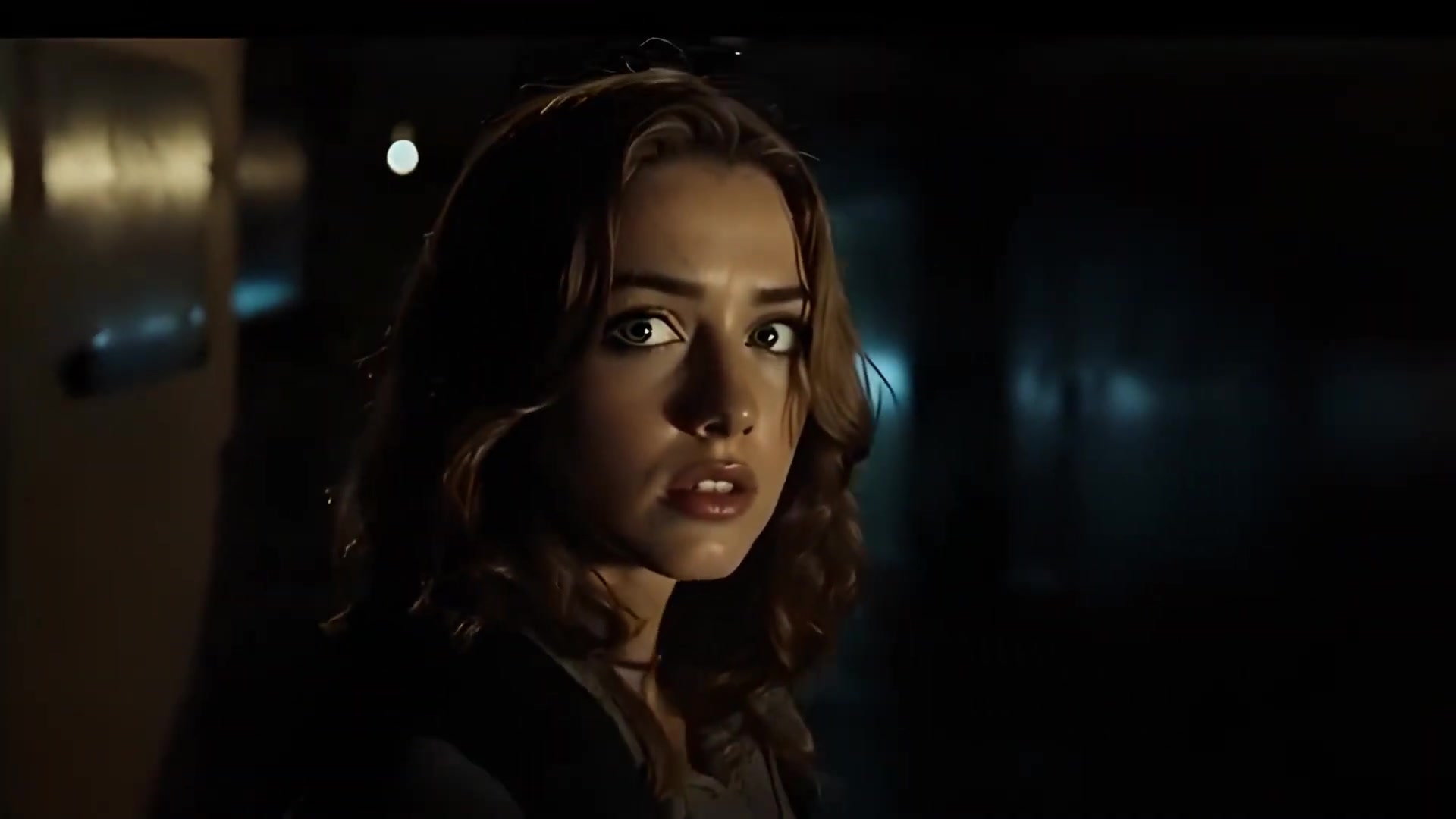
The goal is to enhance efficiency, reduce costs, and unlock new creative possibilities. AI is not intended to replace human creativity, but rather to serve as a powerful assistant, enabling creators to focus on higher-level tasks and explore new ideas. The development and increasing sophistication of AI technologies, especially in areas like natural language processing (NLP) and generative adversarial networks (GANs), have fueled the rapid expansion of AI-powered content creation. These technologies can now produce remarkably realistic and engaging content across a wide range of applications.
Benefits of Using AI for Content Creation
There are numerous benefits to integrating AI into the content creation process.
- Increased Efficiency: AI Tools can automate repetitive tasks, such as generating variations of text or resizing images, freeing up creators to focus on more strategic and creative aspects of their work.
- Reduced Costs: By automating certain tasks, AI can significantly reduce the time and resources required to produce content, resulting in cost savings for businesses and individuals.
- Enhanced Creativity: AI can generate Novel ideas and suggestions, sparking inspiration and helping creators overcome creative blocks.
- Personalization: AI can analyze user data and preferences to create personalized content experiences, increasing engagement and driving better results.
- Improved Quality: AI can identify and correct errors in content, ensuring accuracy and consistency. It can also optimize content for specific platforms and audiences, improving its overall effectiveness.
- Accessibility: AI tools are making content creation more accessible to individuals and organizations with limited resources or technical expertise.
- Data-Driven Insights: AI can provide valuable insights into content performance, helping creators understand what resonates with their audience and optimize their strategies accordingly. This data-driven approach leads to more effective and impactful content.
AI's ability to streamline workflows, enhance creativity, and improve content quality makes it an invaluable asset for anyone involved in content creation. As AI technology continues to evolve, its role in the creative process will only become more pronounced.
Getting Started with AI Content Creation Tools
Choosing the Right Tools
The first step in using AI for content creation is to identify the tools that best suit your needs. There are many different AI-powered content creation platforms available, each with its own strengths and weaknesses. Consider your specific goals, budget, and technical expertise when making your decision. Look for tools that offer a free trial or demo so you can test them out before committing to a purchase.
Understanding the Basics
Once you've chosen a tool, take some time to learn the basics of how it works. Read the documentation, watch tutorials, and experiment with the features. Don't be afraid to ask for help if you get stuck. Most AI content creation platforms have active online communities where you can connect with other users and get your questions answered.
Experimenting and Refining
The key to successful AI Content Creation is experimentation. Try different approaches, tweak the settings, and see what works best for you. Don't be afraid to make mistakes. The more you experiment, the better you'll become at using AI to create high-quality content. Be sure to refine your content based on feedback from your audience. Pay attention to which pieces of content perform well and which ones don't, and use this information to improve your future creations.
Example: Creating AI-Generated Music with PixVerse.ai
Let's walk through how to generate Music for your video clip using PixVerse.ai, Mentioned in the video.

Step 1: Sign Up and Log In
Visit the PixVerse.AI Website and create an account. Follow the instructions to verify your email and log in to the platform.
Step 2: Upload Your Video Clip
Once you're logged in, you'll typically find an option to upload your video clip. Click on that option and select the video file from your computer. The platform will begin uploading and processing your video.
Step 3: Choose Music Preferences
After your video is uploaded, PixVerse.ai will likely offer a range of options to specify your music preferences. This might include:
- Genre: Select the genre of music you want (e.g., classical, pop, electronic, cinematic).
- Mood: Choose a mood that matches your video's tone (e.g., happy, sad, suspenseful).
- Tempo: Indicate the desired tempo of the music (e.g., fast, slow, moderate).
- Instruments: Specify which instruments you'd like to be included (e.g., piano, guitar, strings).
Step 4: Generate the Music
Once you've set your preferences, click the button to generate the music. PixVerse.ai's AI algorithms will analyze your video and create an original soundtrack that aligns with your specifications.
Step 5: Review and Customize
After the music is generated, you'll have the opportunity to review it. Listen carefully and make any adjustments as needed. Some platforms may offer options to customize the music further, such as:
- Adjusting the volume levels of different instruments.
- Changing the arrangement of the music.
- Adding or removing sections of the music.
Step 6: Download and Integrate
When you're satisfied with the music, download the file. You can then import the music into your video editing software and synchronize it with your video clip.
By following these steps, you can easily create AI-generated music for your videos using PixVerse.ai.
Key AI-Powered Content Creation Features
AI Music Generation for Video Clips
Imagine needing a musical score for your latest video project. Traditionally, this would involve hiring a Composer, licensing existing music, or spending hours creating your own track. AI music generation tools are changing this.

These platforms use sophisticated algorithms to analyze video content and automatically generate original music that matches the mood, pace, and style of the visuals. Users can customize the generated music by specifying genres, instruments, and tempos. The result is a unique and tailored soundtrack that enhances the viewing experience without the need for extensive manual effort. This technology is particularly valuable for content creators who need royalty-free Music for their videos but lack the resources or expertise to create it themselves.
AI Lip-Sync Animation
Creating realistic lip-sync animation has always been a time-consuming and technically challenging process. AI lip-sync tools are simplifying this process by automatically synchronizing the movements of a character's mouth with the audio track.

Users simply upload an audio file and a video of the character, and the AI algorithm analyzes the sound waves and generates realistic mouth movements. This technology is a game-changer for animators, filmmakers, and Game developers, allowing them to create high-quality lip-sync animations with minimal effort. The ability to quickly and easily produce convincing lip-sync is essential for creating engaging and immersive content.
Automated Video Editing and Summarization
AI is also making inroads into video editing and summarization. AI-powered video editing tools can automatically identify key scenes, remove unwanted footage, and create compelling highlights reels. These tools can also add transitions, effects, and music to enhance the overall quality of the video. Furthermore, AI can summarize long-form videos into shorter, more digestible formats, making it easier for viewers to Consume content on the go. This is particularly useful for news organizations, educational institutions, and businesses that need to quickly disseminate information.
AI-Powered Image Generation and Enhancement
Creating original images from scratch can be a daunting task, especially for those without artistic skills. AI image generation tools are enabling anyone to create stunning visuals by simply providing a text description. These tools use generative adversarial networks (GANs) to create realistic and imaginative images based on the user's input. AI can also enhance existing images by increasing resolution, removing noise, and restoring damaged photos. This technology is transforming the fields of Graphic Design, Advertising, and social media marketing.


Most people like








































Report
Please select a reason for reporting
- 13 Reasons to Switch from Snapchat to Text Messaging
- 7 Powerful Speech to Text Apps to Boost Productivity
- 10 Best Speech to Text Tools for Effortless Transcription
- 13 Free Tools to Easily Transcribe Audio to Text
- 15 Surprising Ways Google's Speech-to-Text Boosts Productivity
- 7 Best Free Online Audio to Text Transcription Tools
- 9 Tips to Transcribe Speech to Text Faster and Better
- 13 Best Speech to Text Software for Windows 10 in 2023
- 7 Tips for Choosing the Best Transcriber for Audio to Text
- 11 Reasons Why Dragon Speech-to-Text Apps are Game-Changers
- 6 Secrets to Enhance Your Speech to Text Transcription
- 6 Brilliant Ways to Boost Productivity with Talk-to-Text on Your MacBook
- 6 Ways Transcription Software Converts Audio to Text
- 8 Tips to Transcribe Speech to Text Like a Pro
- 6 Reasons IBM Watson Speech to Text is a Game-Changer
- 14 Powerful Ways Talk-to-Text Improves Your Workflow
- 12 Top Windows Speech-to-Text Software for Efficient Transcription
- 12 Game-Changing Benefits of Apple's Speech to Text Technology
- 9 Powerful Use Cases for AWS Speech to Text Technology
- 10 Easy Steps to Transcribe YouTube Videos to Text
- transcription audio en texte
- online audio transcription
- free audio file transcription
- free ai audio transcription
- audio transcription service
- audio transcription online free
- audio transcription free online
- audio to transcription software
- audio and transcript
- ai audio transcription free
- voice recording to text converter
- translate voice recording to text
- record voice to text
- audio recording to text converter
- voice recording and transcription
- chatgpt voice to text
- gmail voice to text
- speech to text reader
- speech to text ai free
- speech to talk
- Meshy AI: How to Create 3D Models from Text and Images
- How SEO and Marketing Dashboards Empower Agencies to Drive Results
- How to Use AI Tools to Find Internal Linking Opportunities Across a Business Website
- Discover Your Perfect Haircut with AI Hairstyle Apps
- Free Reputation Calculator Tools: How They're Adapting to Score AI Visibility, Not Just Rankings
- Design Professional Flyers for Free on Your Phone
- Best Free Flyer Maker Apps for Android: Design Like a Pro
- How to Know If Your Business Is Ready for an AI Customer Service Agent
- Revolutionizing Storytelling: From Novels to Screenplays with AI
- Create Engaging Animated Explainer Videos with a Free AI Tool
- Automate Lead Generation: A Comprehensive Guide with AI Agents
- Revideo.io: The Future of Reverse Video Search Technology
- Revolutionizing Email Marketing Agency with AI
- Breaking the Character Drift Dilemma: A Practical Test of Smart Shot
- Meshy AI: How to Create 3D Models from Text and Images
- ASOMobile Helps Teams Benchmark App Store Screenshots Against Competitors
- How to Match LMS Software With Your Organization's Training Plan
- How to Convert BTC to HNT
- Unleashing the Power of AI: Cognizant's Roadmap for Transformation
- Frame to Video Review: A Practical Look at Turning Two Still Frames Into Motion

Copyright ©2026 toolify