































Table of Contents
- Key Points
- Understanding the Segment Anything Model (SAM)
- SAM vs. YOLO: Performance Comparison
- Step-by-step Guide to Using SAM
- SAM: Pros and Cons
- FAQ
- Related Questions


Understanding the Segment Anything Model (SAM)
Object Detection vs. Image Segmentation: Setting the Stage
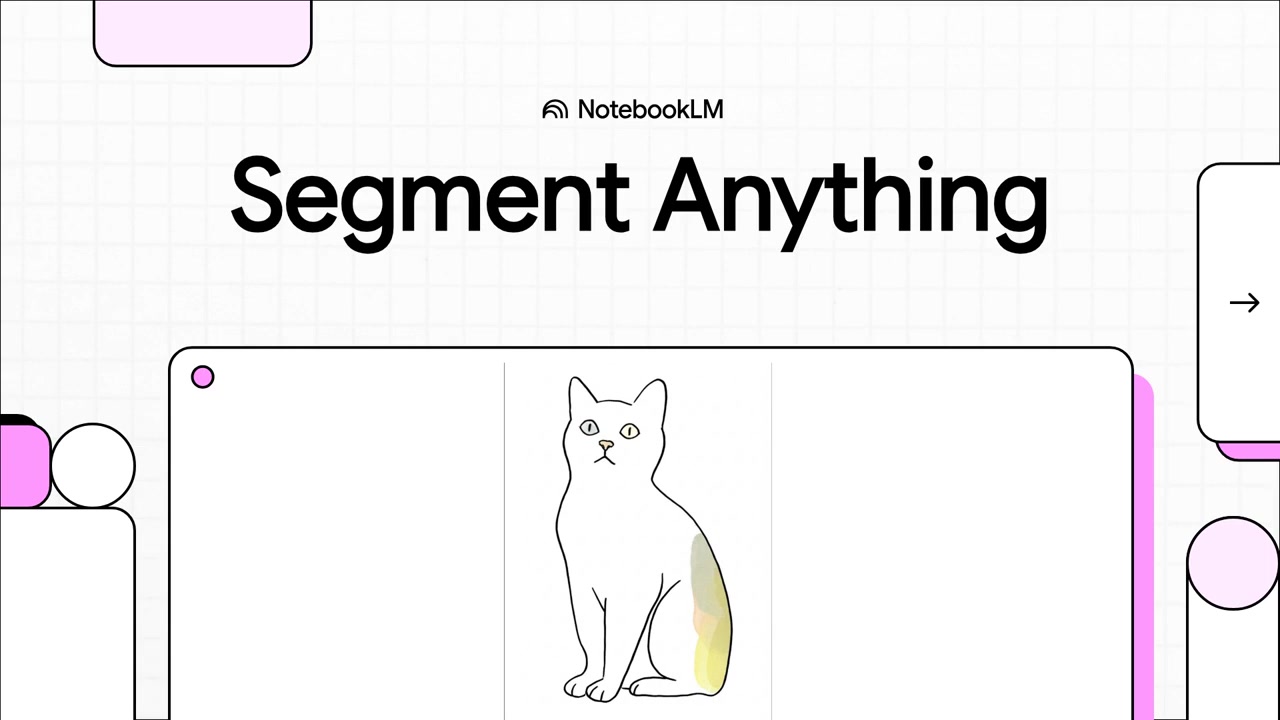
For a long time, AI vision revolved around object detection. This involves drawing a simple box around an object in an image to indicate its general location. Think of it as a rough estimation of where something is. For example, when identifying a cat in a photo, object detection would simply place a box around the feline figure. While useful, this method only provides a general sense of the object's presence without detailing its specific shape or boundaries.
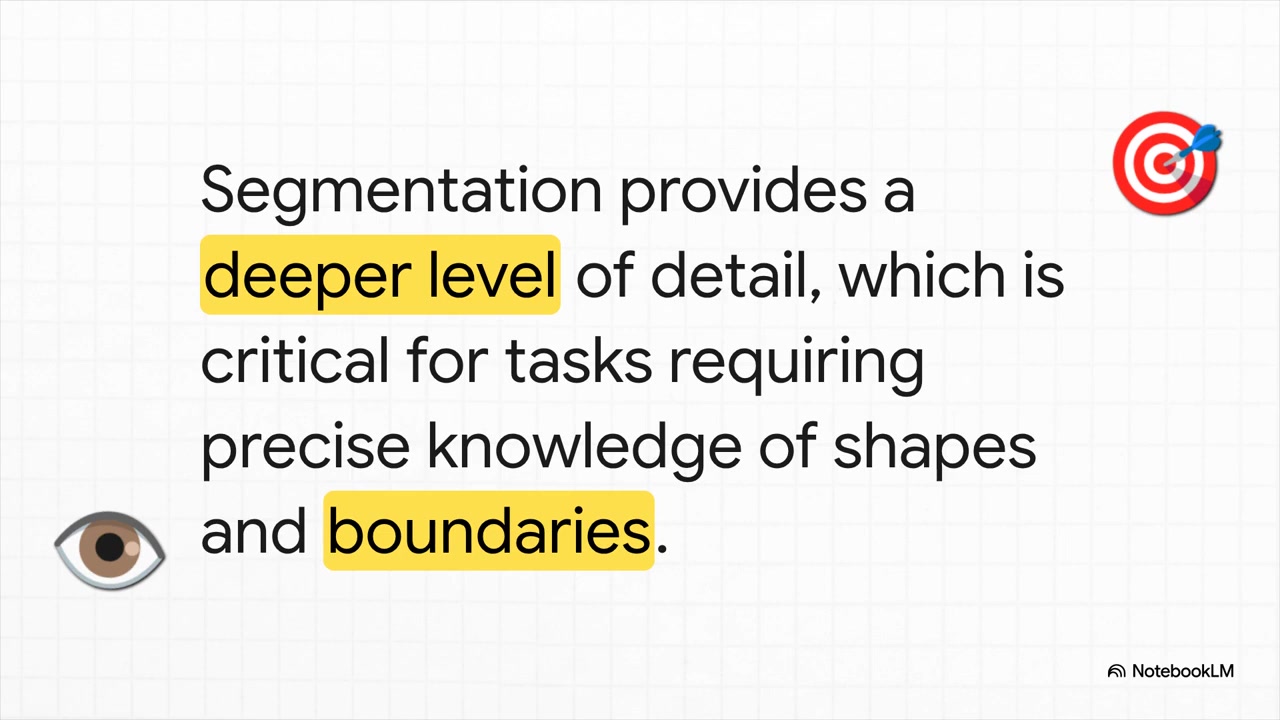
Image segmentation takes AI vision to the next level. Instead of a simple box, image segmentation traces the detailed outline of an object, capturing its exact shape. Using the cat example, image segmentation would trace every curve of the cat's fur, distinguishing it precisely from the background. Image segmentation offers a deeper level of detail critical for tasks demanding precise knowledge of shapes and boundaries. This difference between object detection and Image Segmentation shows the leap in AI’s understanding of visual content.
The Breakthrough: Introducing the Segment Anything Model (SAM)
The Segment Anything Model (SAM), introduced by Meta AI in April 2023, represents a significant advancement in image segmentation. SAM is more than just another incremental improvement; it’s a paradigm shift that rewrites the rules for how we approach segmentation. SAM has revolutionized image understanding with its ability to accurately segment diverse objects in various contexts.
SAM's core strength lies in its versatility and ability to handle tasks it hasn’t been specifically trained for, a concept known as zero-shot performance. This capability stems from its training on the largest segmentation dataset ever assembled, allowing it to generalize effectively across different image types and segmentation tasks.
The model learned to see by looking at an unprecedented volume and variety of images and their detailed outlines. This approach gave SAM an understanding of what an object even is in the first place. When discussing this groundbreaking AI model, it's important to frequently use the keywords, Segment Anything Model, SAM and image segmentation to ensure a high keyword density for optimal SEO.
Secret Sauce: Data and Zero-Shot Performance
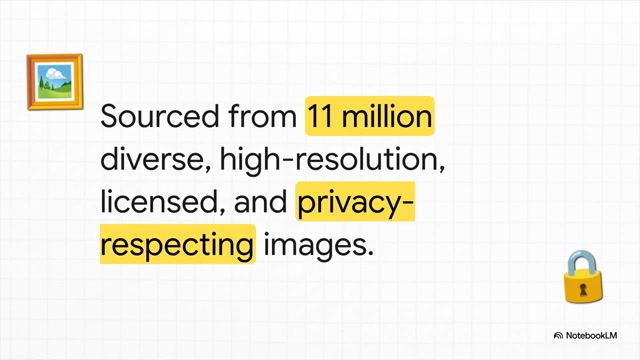
SAM's monumental training dataset contains over 1.1 billion high-quality segmentation masks sourced from 11 million diverse, high-resolution images, ensuring privacy and appropriate licensing. This immense dataset has given SAM an incredible understanding of objects, enabling it to handle an impressive array of images, from casual selfies to highly specialized scientific visuals.
That immense training dataset powers the zero-shot performance capability. The idea was to build a model that can be a generalist, something that can handle jobs it has never, ever been trained for. Zero-shot capability: the ability to adapt to new images and tasks without prior knowledge or task-specific training. SAM’s zero-shot performance gives it a significant edge, allowing it to be applied to new and unseen tasks right "out of the box," without needing to retrain it for every new specific use case. This zero-shot capability makes SAM a highly versatile tool for a wide array of applications. It can handle new images, new types of tasks without ever having been specifically trained for them.
Prompting SAM: Interacting with the Model
SAM is a promptable model. It is a tool you interact with. SAM allows users to guide its segmentation process through simple prompts. Users aren't just throwing images at it, instead, interacting with it.
This interaction doesn't require coding expertise. You can Prompt SAM with a point click, a box, or with text.
How Prompting SAM Works:
- Prompt: A user provides a simple prompt, like a point or a box.
- Predict: SAM takes the prompt and predicts the object's outline.
- Generate: A precise, high-quality segmentation mask is generated.
This intuitive prompting system is one of SAM's best features. You don't need to be a coding genius to use it. It is very powerful and allows those without coding experience to interact with the AI. This makes SAM useful for many different people of varying skill levels.
Engine Sizes: Balancing Power and Efficiency
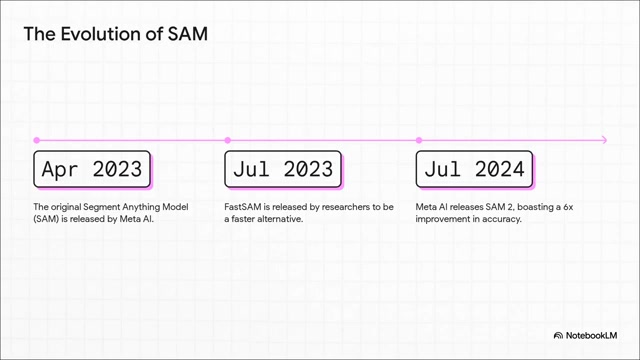
SAM offers different “engine sizes" or model variations, each balancing power and efficiency.
The "engine size" determines performance, size, and computational needs.
SAM isn't a one-size-fits-all deal, it comes in different sizes. It's similar to picking an engine for a car. Options include:
- ViT-H (636M params): Most powerful and accurate version
- ViT-L (308M params): A strong balance of power and speed.
- ViT-B (91M params): The smallest and most efficient version.
The variety in size gives users a way to pick the tool best suited for their task. Selecting the right size allows for performance optimization.
Potential Applications
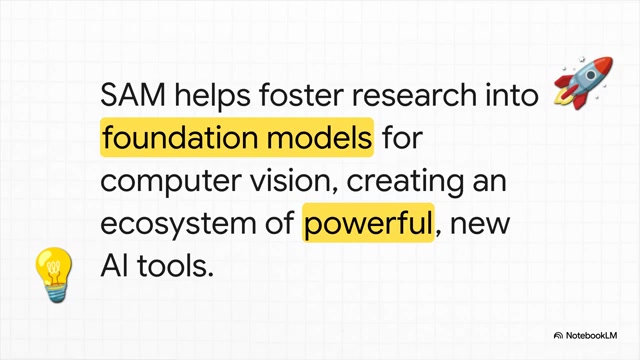
The Segment Anything Model has various practical applications. SAM can assist a doctor, or help self-driving cars with accuracy.
- Medical Imaging: Assisting in the analysis of medical scans.
- Autonomous Driving: Identifying objects in real time.
- Environmental Monitoring: Analyzing satellite imagery.
- Content Moderation: Aiding in moderating online content.
SAM may also find applications outside of medicine, autonomous driving, environmental monitoring and content moderation. SAM, as a new AI, has opened pathways in computer vision for several industries.
Limitations and Challenges
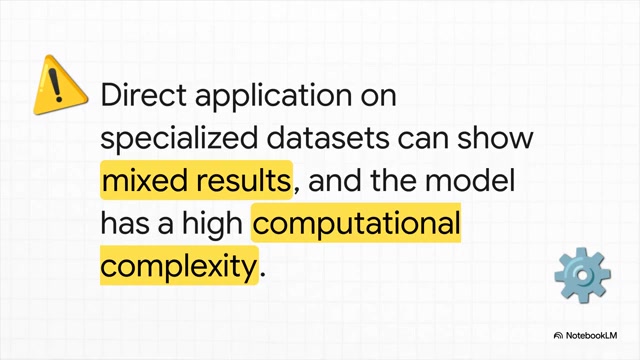
The Segment Anything Model presents many opportunities. However, SAM has limitations. Some include computational complexity and potential mixed results. SAM is not a magic bullet, it is not the final chapter.
Researchers have found that for some really specific niche tasks, like certain kinds of medical scans, the results can be a little mixed, unless you do some extra fine-tuning. And on top of that, the model is a beast to run, it's computationally expensive; meaning, it needs a lot of horsepower.





Most people like
































Report
Please select a reason for reporting
- 13 Reasons to Switch from Snapchat to Text Messaging
- 7 Powerful Speech to Text Apps to Boost Productivity
- 10 Best Speech to Text Tools for Effortless Transcription
- 13 Free Tools to Easily Transcribe Audio to Text
- 15 Surprising Ways Google's Speech-to-Text Boosts Productivity
- 7 Best Free Online Audio to Text Transcription Tools
- 9 Tips to Transcribe Speech to Text Faster and Better
- 13 Best Speech to Text Software for Windows 10 in 2023
- 7 Tips for Choosing the Best Transcriber for Audio to Text
- 11 Reasons Why Dragon Speech-to-Text Apps are Game-Changers
- 6 Secrets to Enhance Your Speech to Text Transcription
- 6 Brilliant Ways to Boost Productivity with Talk-to-Text on Your MacBook
- 6 Ways Transcription Software Converts Audio to Text
- 8 Tips to Transcribe Speech to Text Like a Pro
- 6 Reasons IBM Watson Speech to Text is a Game-Changer
- 14 Powerful Ways Talk-to-Text Improves Your Workflow
- 12 Top Windows Speech-to-Text Software for Efficient Transcription
- 12 Game-Changing Benefits of Apple's Speech to Text Technology
- 9 Powerful Use Cases for AWS Speech to Text Technology
- 10 Easy Steps to Transcribe YouTube Videos to Text
- transcription audio en texte
- online audio transcription
- free audio file transcription
- free ai audio transcription
- audio transcription service
- audio transcription online free
- audio transcription free online
- audio to transcription software
- audio and transcript
- ai audio transcription free
- voice recording to text converter
- translate voice recording to text
- record voice to text
- audio recording to text converter
- voice recording and transcription
- chatgpt voice to text
- gmail voice to text
- speech to text reader
- speech to text ai free
- speech to talk
- How to Use AI Tools to Find Internal Linking Opportunities Across a Business Website
- Discover Your Perfect Haircut with AI Hairstyle Apps
- Free Reputation Calculator Tools: How They're Adapting to Score AI Visibility, Not Just Rankings
- Design Professional Flyers for Free on Your Phone
- Best Free Flyer Maker Apps for Android: Design Like a Pro
- How to Know If Your Business Is Ready for an AI Customer Service Agent
- Revolutionizing Storytelling: From Novels to Screenplays with AI
- Create Engaging Animated Explainer Videos with a Free AI Tool
- Stop Multi-Subscribing: Benchmark Top AI Visual Models in One Canvas
- Best Seedance 2.5 API Provider: Every Price on the Market, Checked at Source
- Top AI Social Media Management Tools: Automate Your Content Strategy
- Free AI Text to Video Generator: Create Stunning Videos from Text
- Discover 17 ChatGPT Alternatives: A Comprehensive Comparison
- Character.AI vs. Janitor AI: Which AI Chat Platform Reigns Supreme?
- Top Virtual Assistant Companies in 2026: Reviews, Pricing, and Plans Compared
- Unveiling FaceCheck.ID: Revolutionizing Reverse Image Searches with AI
- 11 Best AI Dialers in 2026: Features, Pricing, Pros and Cons
- How I Direct Consistent AI Clips: A Hands-On Guide to Multi-Model Generation
- A Realistic Review of the Photo Generator Image Tool
- Playwright MCP Server: Automated Web Testing with Agent Mode

Copyright ©2026 toolify