































Table of Contents
- Key Points
- Introduction to Text to Handwriting Conversion
- Text Sources and Extraction Techniques
- Handwriting Conversion with Python
- FAQ
- Related Questions


Introduction to Text to Handwriting Conversion
The Allure of Handwritten Notes
In a digital age dominated by Typed text, handwritten notes possess a unique Charm and personal touch. They convey warmth, sincerity, and a sense of care that is often lost in the sterile efficiency of digital communication. Converting text to Handwriting allows you to bridge the gap between the convenience of digital creation and the emotional connection of handwritten expression.
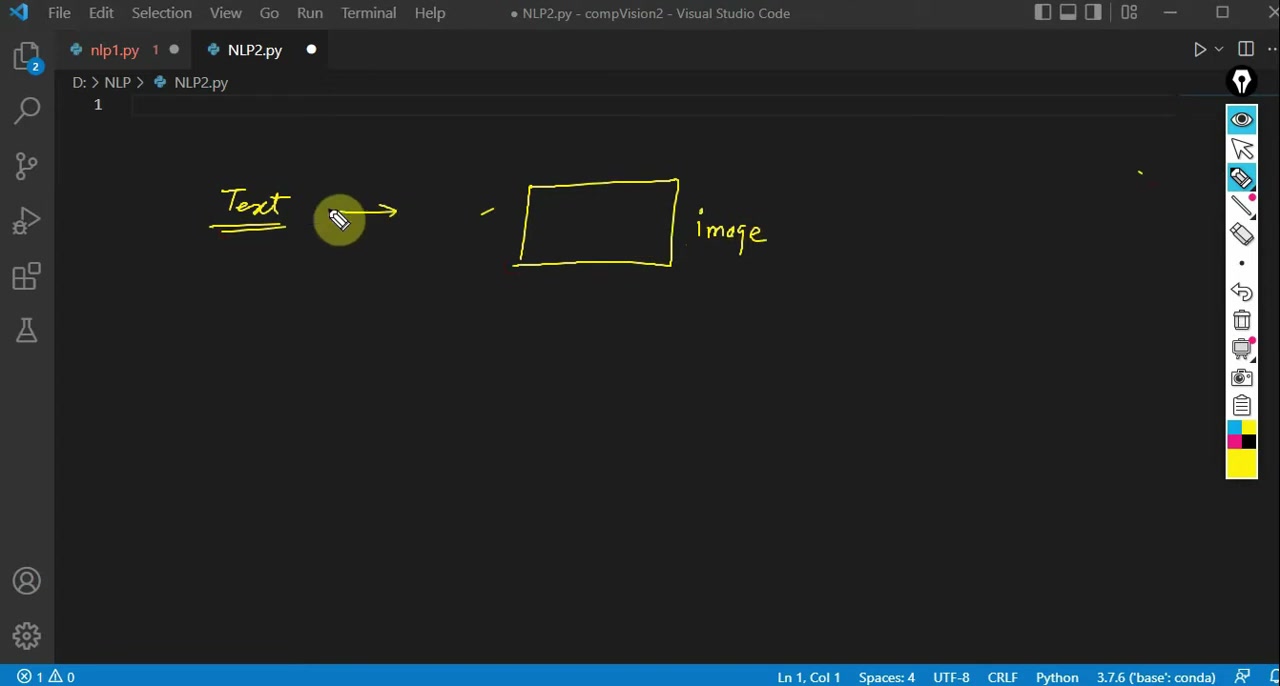
It's perfect for personalized invitations, thank-you notes, creative journaling, or simply adding a personal touch to presentations and documents. With the right Python code and libraries, creating realistic handwritten notes from any digital text becomes an accessible and engaging project.
Overview of the Conversion Process
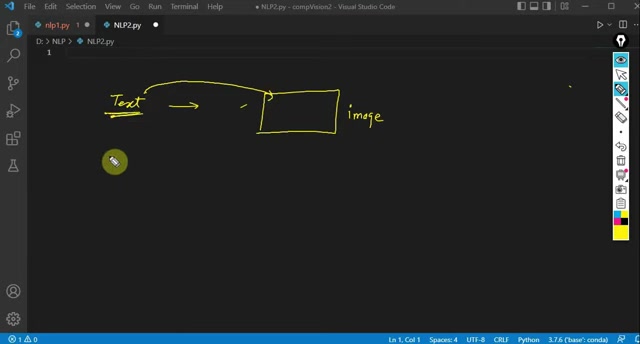
The process of converting text to handwriting involves several key steps: first, obtaining the text. This can be achieved by directly inputting or copying text into the Python program. Second, if the source is an image, OCR (Optical Character Recognition) is employed to extract the text. Then, the extracted or inputted text is processed to generate the handwritten style. Finally, this handwritten representation is saved as an image. Several Python libraries can be leveraged for the conversion, simplifying the process and offering a range of customization options, like setting the handwriting Font, color, and background
. With an understanding of these steps, let’s explore some libraries.
Text Sources and Extraction Techniques
Utilizing Python for Text Acquisition
Before diving into the code, it's important to identify the source of the text you want to convert. Whether it’s copied from a website, extracted from an image, or directly typed into your code, the origin of the text dictates the initial steps. Python is exceptionally capable in acquiring text from numerous sources, be it straight from the computer or other sources
. It allows you to manually feed in text within the program itself, which is useful for crafting personalized messages or notes. For example:
text_to_convert = "My names is yashwant pathak please subscribe my Channel"This method directly defines the content, making it convenient for creating quick, customized outputs. However, it's just the beginning. Real power comes into play when Python is used to dynamically grab text from external sources.
Extracting Text from Web Pages
Python simplifies accessing text from websites. Libraries like 'requests' fetch web page content, while 'Beautiful Soup' parses HTML. This text can be isolated and read for conversion, automating content retrieval from websites or articles. However, scraping web pages requires careful consideration of website terms of service and robots.txt to respect website policies. It also requires exception handling to manage potential issues with website availability and changes to page structure.
This is just one approach to getting raw material from a website using Python, and there’s so much you can modify to better fit your data gathering goals. From here, you might add error management, use other parsing techniques, or put the gathered data into a database for later analysis. Learning the fine points of Python's Web Scraping will definitely open more doors for creative and practical use.
Optical Character Recognition (OCR) for Images
OCR becomes essential when the source text is in an image. OCR is a technological marvel that makes computers recognize characters in an image, transforming them into digital text. This is incredibly useful when dealing with documents, scanned images, or even text embedded in pictures that you want to extract
. The process involves several steps, including pre-processing the image to improve text visibility, segmenting text regions, character recognition, and post-processing to correct errors and format the text.
Tesseract OCR, an open-source engine originally developed by Hewlett-Packard, is a favorite in Python workflows for converting images to text. To implement this in Python, you’ll typically pair it with the 'pytesseract' library, which acts as a wrapper.
Before jumping into any code, let’s get the prerequisites out of the way. In this section, the required libraries will need to be installed to get the most of its capabilities: “PyWhatKit”, “Flask”, and “CV2” . The first line pip install pywhatkit ensures you have the PyWhatKit Package. Similarly, pip install flask installs the Flask framework, useful for developing web applications. Lastly, pip install cv2 gives you OpenCV (cv2), a powerful tool for image processing tasks.
With these libraries installed, you’re set to use Python for turning images into editable text, thus setting up Python for text extraction.
Handwriting Conversion with Python
PyWhatKit
PyWhatKit simplifies text-to-handwriting conversion with its text_to_handwriting function. This function takes your text as input and generates a realistic handwritten image. Save_to function is used to set the destination directory in addition to setting the name for the created image. This makes it incredibly easy to incorporate into your projects
.
import pywhatkit as kit
import cv2
kit.text_to_handwriting("My names is yashwant pathak please subscribe my channel", save_to="d:/hw.jpg")
Before converting text to handwriting, set Where To find your files. By default, PyWhatKit makes a copy of your handwritten notes, saves the file as .jpg and saves it in the same directory as your Python script. But you can use the save_to parameter to change those default choices. To achieve our goal:
- Make sure PyWhatKit is installed and ready.
- Write an express script to save as a handwritten-style jpg image, and specify to download it to the local disc(D:).
From Text to Image: A Summary Table
Putting together the steps for acquiring, extracting, and setting the environment for image processing into a table provides a clear, structured workflow:
| Stage | Step | Description |
|---|---|---|
| Text Source Acquisition | Determine the text origin | Whether typed, scraped from a website, or in an image, knowing the source is crucial for text retrieval. |
| Python code for text | Implement a python script. | |
| Get the prerequisites installed | Ensure all prerequisites like the libraries has been installed. | |
| Text to handwriting Conversion | Import libraries and make handwritten-style images | Using PyWhatKit to convert. |
This summary not only simplifies the process but also serves as a checklist, making sure every essential aspect of converting Text to Image has been addressed. From initial acquisition to the final save, this approach provides an Outline of what's happening.















Most people like































Report
Please select a reason for reporting
- 13 Reasons to Switch from Snapchat to Text Messaging
- 7 Powerful Speech to Text Apps to Boost Productivity
- 10 Best Speech to Text Tools for Effortless Transcription
- 13 Free Tools to Easily Transcribe Audio to Text
- 15 Surprising Ways Google's Speech-to-Text Boosts Productivity
- 7 Best Free Online Audio to Text Transcription Tools
- 9 Tips to Transcribe Speech to Text Faster and Better
- 13 Best Speech to Text Software for Windows 10 in 2023
- 7 Tips for Choosing the Best Transcriber for Audio to Text
- 11 Reasons Why Dragon Speech-to-Text Apps are Game-Changers
- 6 Secrets to Enhance Your Speech to Text Transcription
- 6 Brilliant Ways to Boost Productivity with Talk-to-Text on Your MacBook
- 6 Ways Transcription Software Converts Audio to Text
- 8 Tips to Transcribe Speech to Text Like a Pro
- 6 Reasons IBM Watson Speech to Text is a Game-Changer
- 14 Powerful Ways Talk-to-Text Improves Your Workflow
- 12 Top Windows Speech-to-Text Software for Efficient Transcription
- 12 Game-Changing Benefits of Apple's Speech to Text Technology
- 9 Powerful Use Cases for AWS Speech to Text Technology
- 10 Easy Steps to Transcribe YouTube Videos to Text
- transcription audio en texte
- online audio transcription
- free audio file transcription
- free ai audio transcription
- audio transcription service
- audio transcription online free
- audio transcription free online
- audio to transcription software
- audio and transcript
- ai audio transcription free
- voice recording to text converter
- translate voice recording to text
- record voice to text
- audio recording to text converter
- voice recording and transcription
- chatgpt voice to text
- gmail voice to text
- speech to text reader
- speech to text ai free
- speech to talk
- 2026别再为 Claude多花冤枉钱了,ClaudeAPI.com国内直连让我每月省下 ¥780
- 5 Best AI Chat Apps for Mac in 2026
- What Makes Happy Horse 1.0 Different from Basic AI Video Tools
- Key Features of Happy Horse 1.0 AI Video Generator You Should Know
- 爱翻译功能全面解析:核心优势及主要功能
- Best AI Humanizers for SEO Content Writers in 2026
- Seedance 2.0 Prompting 101: The 6 Parameters You Need to Master (by Topview)
- Top 5 AI Text-to-Video Generators: A 2025 Review
- Create Professional UGC Videos with AI: Introducing Magic Ads
- Top 5 Browsers for Managing Multiple Accounts in 2026: What Actually Works
- Mastering Meeting Minutes: A Comprehensive Guide for Efficiency
- The Dangers of Deepfake for K-Pop: From Idol to Porn Star
- Key Metrics Used in AI Benchmarking for Enterprise Systems
- Top Free AI Video Generators: Latest Tools Compared!
- Top 5 Free AI Video Generators: Unlimited Options in 2025
- Top AI Video Generators: Ranking the Best Tools for 2025
- Top AI Video Generators: Create Stunning Videos Effortlessly
- Top AI Video Generators for Stunning Animations in 2024
- Free AI Video Generators: Unlimited & No Watermarks in 2025
- Top AI Video Maker Tools: Create Videos Fast & Easily

Copyright ©2026 toolify