































Table of Contents
- Key Points
- Introduction to Transformers Generate Function
- How to Adjust Transformer's Model Functions
- Advantages and Disadvantages of Transformer's Function
- Frequently Asked Questions About Transformer's Model
- Related Questions About Generate Functions in Machine Learning


Introduction to Transformers Generate Function
The Importance of the Generate Function
Most modern Large Language Models leverage the Hugging Face Transformers library
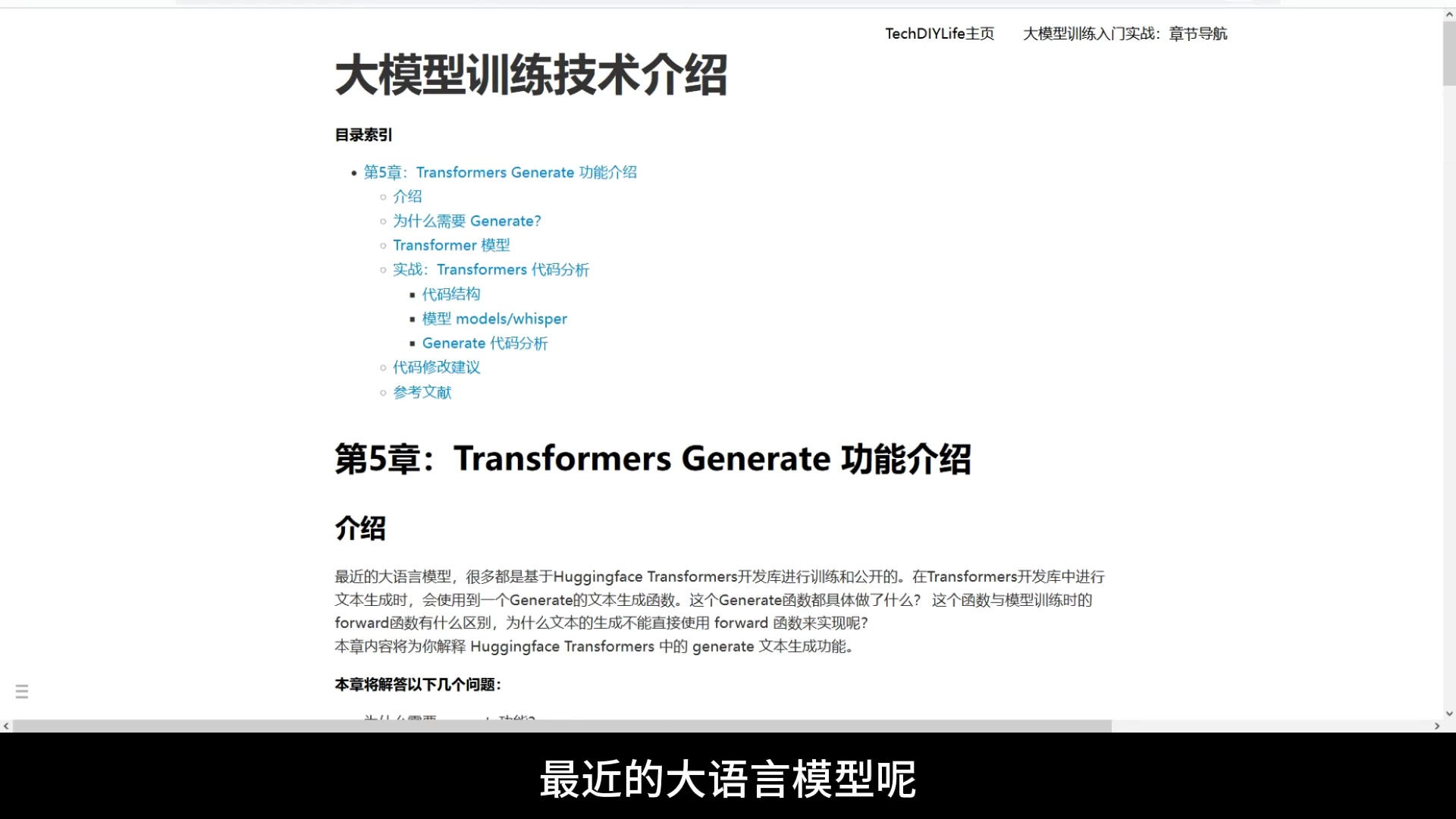
. This library’s generate function has become crucial for the generation of text from existing models. The section will define the function and explain its core purpose.
Understanding why a separate generate function is needed, versus merely using the forward pass, is crucial. The forward pass typically handles model training, while generate is optimized for inference and text creation. This leads to considerations about the necessity of such a dedicated function.
Here's the thing, many wonder why it requires to use this. Why can't the forward function be used? This is because general training and generation have different purposes .
The Fundamentals of AI Model Construction
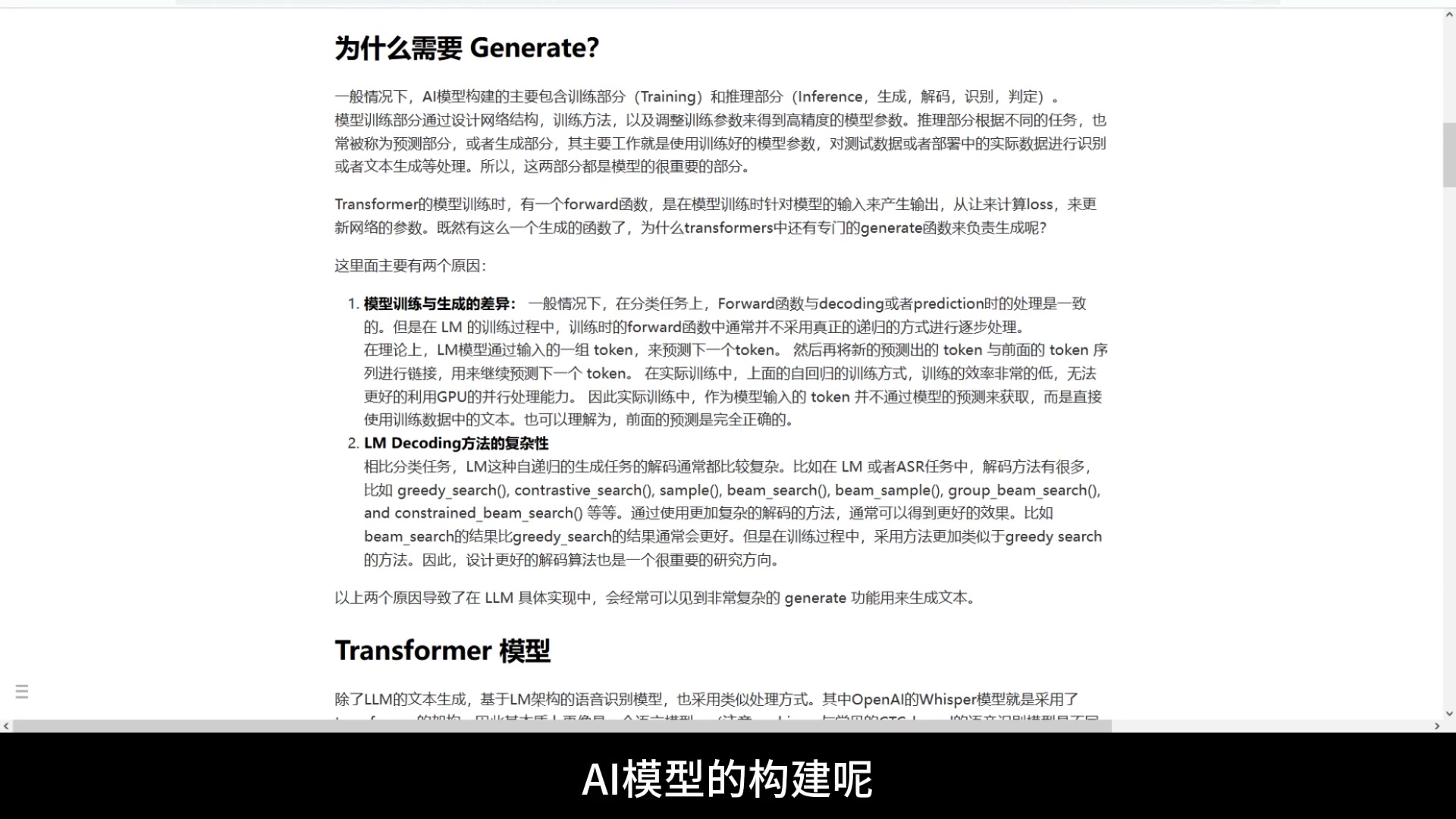
AI model construction typically involves two key parts, training and reasoning
.
- Training: Focuses on refining model parameters, often through tasks designed around designing network architecture and training methods. The training is optimized for specific learning parameters.
- Reasoning: Based on different tasks and inputs, infer or predict text, and can be called generation with text generation models. Most importantly, the work uses existing models and the parameters to produce something new.
However, some might make the assumption these two steps are similar . The work done is different when put in action, because whether training or reasoning, there are some similarities such as with the forward function.
Differences in The Function Between Training and Generating
In classification tasks, the forward function works and the model does some of the very similar functions.
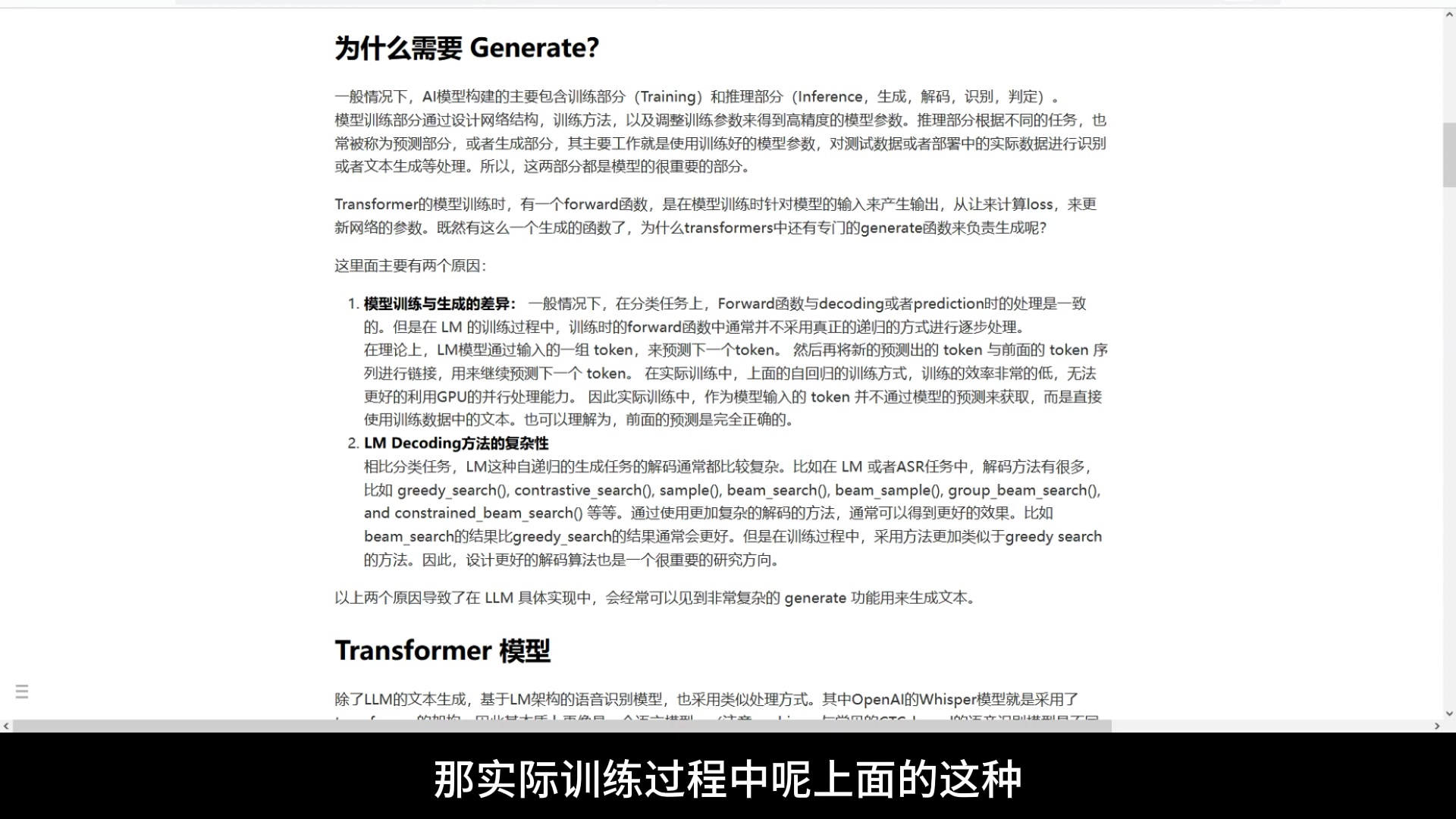
Language model functions are very different in comparison. Training can often be applied with any tokens, however generating is always sequential. This means generating a language model needs to input a token, and then predict what comes next. So the language model processes things one at a time, and compares to see if there are differences.
In essence, the language model works by inputting one token and then outputting a new next token . It will continually link all the new tokens that are generated and then come up with new text. This is done repeatedly to generate better, newer text.
The training and generated text can also be different due to the language model's limitations with GPU usage . With this, the input token used is not through the model’s actual predicted result. This is because the first result isn't always correct. Because the earlier tokens aren't right, these models need to use the token text directly from the training dataset so they are 100% valid.
This is the main difference, the training uses previous known text. Generation cannot use these. Due to how many steps occur to generate the language model, the generate functions can't use some of the efficiencies in training models . So in the end, different tasks mean different results and efficiencies when generating language models.
Below is a table with information about what differences that can be seen with language models:
| Feature | Training Phase | Generation Phase |
|---|---|---|
| Input Tokens | Tokens known to be in the training dataset. | Tokens generated by the model. |
| Token Handling | Uses the token text directly from the training dataset. | Uses tokens 100% of the time. |
| GPU Efficiencies | The generation function can use efficiencies by GPU. | GPU efficiencies don't always occur. |
| Text Efficiency | High text efficiency. | Varies based on output. |
| Sequential? | Does not need to be sequential. | Needs to be sequential. |
Complexities of language Model Decoding
The difference between the generated task and the other task is that the generated decoding method is much more complex than other tasks
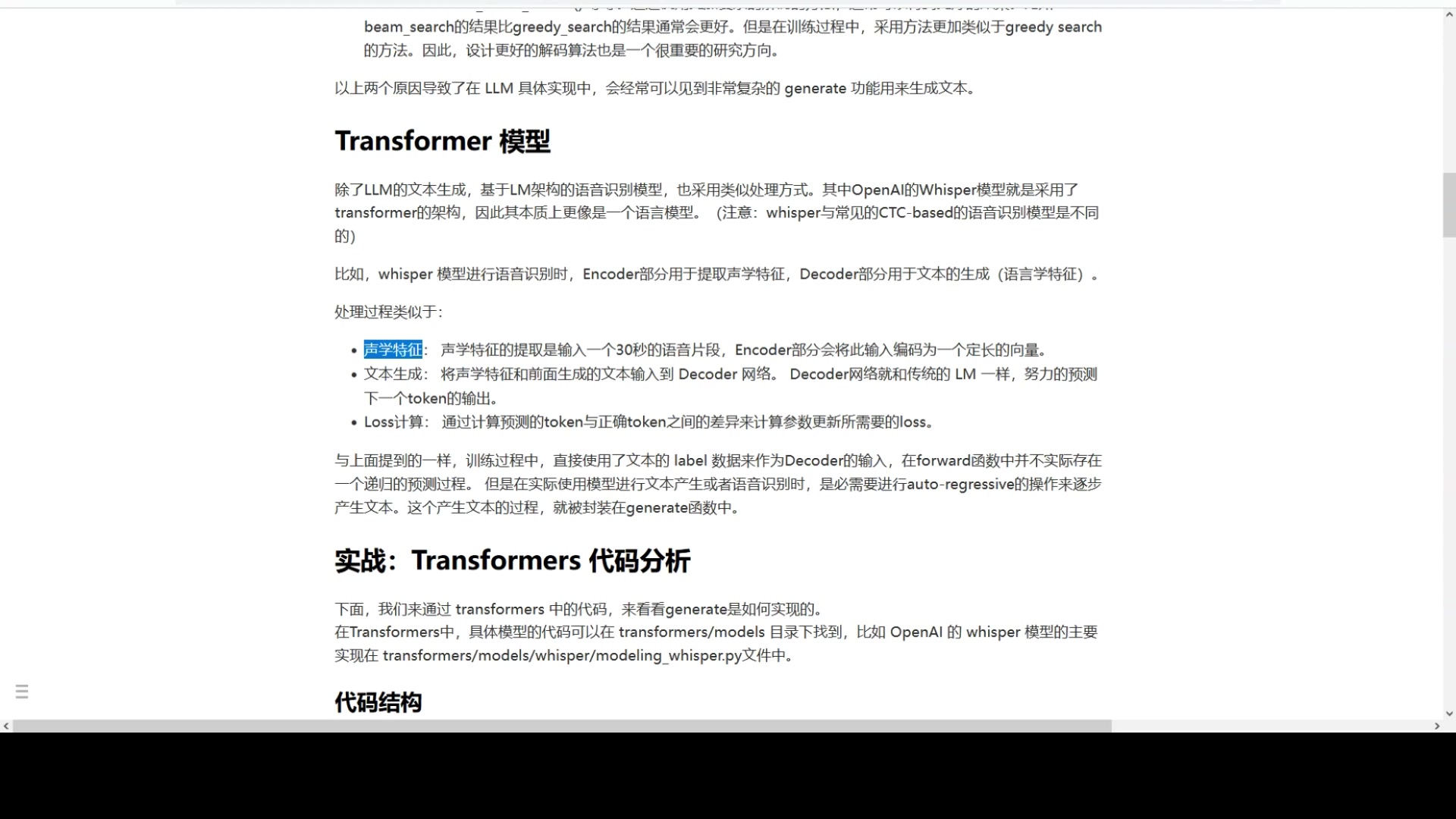
. With language models, there is a self return text generation task. When the same models are deployed to similar applications, some language model characteristics need to be different. It's really important to get different language models correct and make sure it's used for decoding methods.
For instance, you have things such as greedy search or beam search. Using methods can help with the effect generated . The problem is that while beam search has very good results, it may not always help the decoding style. This is because the language model has the same way of writing and the same style all the time . It's important to keep in mind how some language models need to keep this in mind when writing out.
Dissecting Transformer Models: The Structure and Functionalities
The video presentation then focuses on inspecting the coding structure, to help you make your model more effective
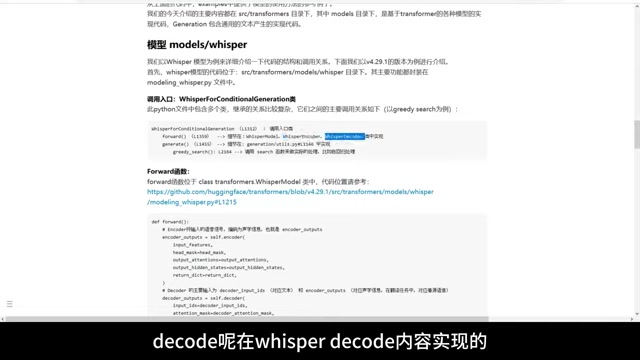
. In addition to this, knowing a few of the models will be really important for helping with the structure.
- General Structure: Transformer models follow the Transformers folder structure for various things.
- Data Processing: Transformers have a data directory for all things related to data, data processing.
- Model Implementation: For specific code implementation, there is a specific model file. There are files such as BERT,GPT and all different kinds of model files. Here is where the mode actually exists and is applied.
- Text Generation: Here is where it combines elements such as generation mixing to produce new text. .
With the above key points, you can see what is more important for certain coding parts. The modeling, and the coding, is all important . The next key step is to make sure there are links and references so you can know what things can combine in the model.
Let's explore the Whisper Model created by OpenAi as a tool for Speech Recognition . The model can help with generating specific tokens and models by using different techniques and parameters.
- Encoder.
- Text generation.
- Loss processing.
Here's a final bit on how Transformer has different models to compare against: .
| Model | Specifics |
|---|---|
| Whisper | Audio |
| Transformer | Translating |
| BERT | Not Included |
| GPT | Not Included |








Most people like

































Report
Please select a reason for reporting
- 13 Reasons to Switch from Snapchat to Text Messaging
- 7 Powerful Speech to Text Apps to Boost Productivity
- 10 Best Speech to Text Tools for Effortless Transcription
- 13 Free Tools to Easily Transcribe Audio to Text
- 15 Surprising Ways Google's Speech-to-Text Boosts Productivity
- 7 Best Free Online Audio to Text Transcription Tools
- 9 Tips to Transcribe Speech to Text Faster and Better
- 13 Best Speech to Text Software for Windows 10 in 2023
- 7 Tips for Choosing the Best Transcriber for Audio to Text
- 11 Reasons Why Dragon Speech-to-Text Apps are Game-Changers
- 6 Secrets to Enhance Your Speech to Text Transcription
- 6 Brilliant Ways to Boost Productivity with Talk-to-Text on Your MacBook
- 6 Ways Transcription Software Converts Audio to Text
- 8 Tips to Transcribe Speech to Text Like a Pro
- 6 Reasons IBM Watson Speech to Text is a Game-Changer
- 14 Powerful Ways Talk-to-Text Improves Your Workflow
- 12 Top Windows Speech-to-Text Software for Efficient Transcription
- 12 Game-Changing Benefits of Apple's Speech to Text Technology
- 9 Powerful Use Cases for AWS Speech to Text Technology
- 10 Easy Steps to Transcribe YouTube Videos to Text
- transcription audio en texte
- online audio transcription
- free audio file transcription
- free ai audio transcription
- audio transcription service
- audio transcription online free
- audio transcription free online
- audio to transcription software
- audio and transcript
- ai audio transcription free
- voice recording to text converter
- translate voice recording to text
- record voice to text
- audio recording to text converter
- voice recording and transcription
- chatgpt voice to text
- gmail voice to text
- speech to text reader
- speech to text ai free
- speech to talk
- How to Use AI Tools to Find Internal Linking Opportunities Across a Business Website
- Discover Your Perfect Haircut with AI Hairstyle Apps
- Free Reputation Calculator Tools: How They're Adapting to Score AI Visibility, Not Just Rankings
- Design Professional Flyers for Free on Your Phone
- Best Free Flyer Maker Apps for Android: Design Like a Pro
- How to Know If Your Business Is Ready for an AI Customer Service Agent
- Revolutionizing Storytelling: From Novels to Screenplays with AI
- Create Engaging Animated Explainer Videos with a Free AI Tool
- Stop Multi-Subscribing: Benchmark Top AI Visual Models in One Canvas
- Best Seedance 2.5 API Provider: Every Price on the Market, Checked at Source
- Top AI Social Media Management Tools: Automate Your Content Strategy
- Free AI Text to Video Generator: Create Stunning Videos from Text
- Discover 17 ChatGPT Alternatives: A Comprehensive Comparison
- Character.AI vs. Janitor AI: Which AI Chat Platform Reigns Supreme?
- Top Virtual Assistant Companies in 2026: Reviews, Pricing, and Plans Compared
- Unveiling FaceCheck.ID: Revolutionizing Reverse Image Searches with AI
- 11 Best AI Dialers in 2026: Features, Pricing, Pros and Cons
- How I Direct Consistent AI Clips: A Hands-On Guide to Multi-Model Generation
- A Realistic Review of the Photo Generator Image Tool
- Playwright MCP Server: Automated Web Testing with Agent Mode

Copyright ©2026 toolify