































Table of Contents
- Key Points
- Exploring Computer Vision
- Benefits of Computer Vision Algorithms
- Pros and Cons of Computer Vision
- Real-World Use Cases of Computer Vision
- Frequently Asked Questions About Computer Vision
- Related Questions


Exploring Computer Vision
What is Computer Vision?
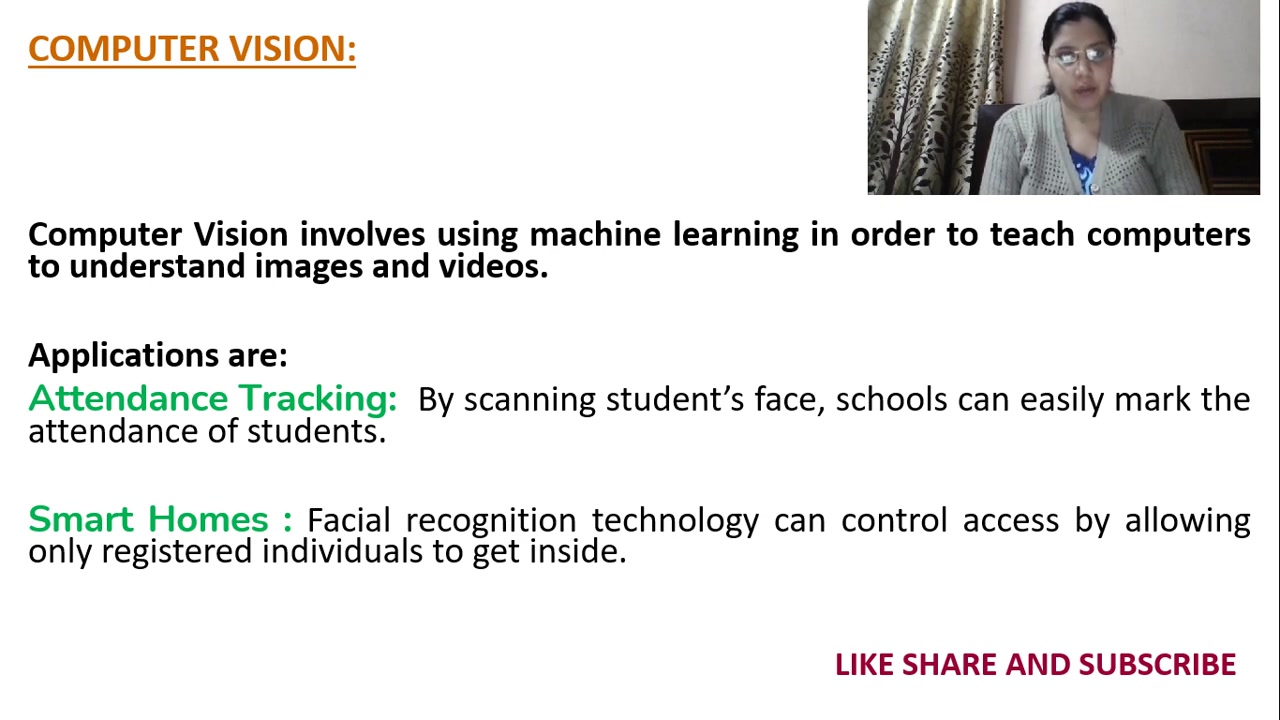
Computer vision involves using machine learning algorithms to teach computers how to understand and interpret images and videos. It's about enabling machines to 'see' the world in a way that mimics human vision, allowing them to extract meaningful information and make informed decisions based on visual input. This field focuses on creating systems that can automatically analyze images or video streams to identify objects, scenes, and activities. Essentially, computer vision is a subset of artificial intelligence where the primary goal is to give machines the power of sight.
Machine learning plays a crucial role here. We feed vast amounts of data to these algorithms, training them to recognize patterns, features, and relationships within images and videos.
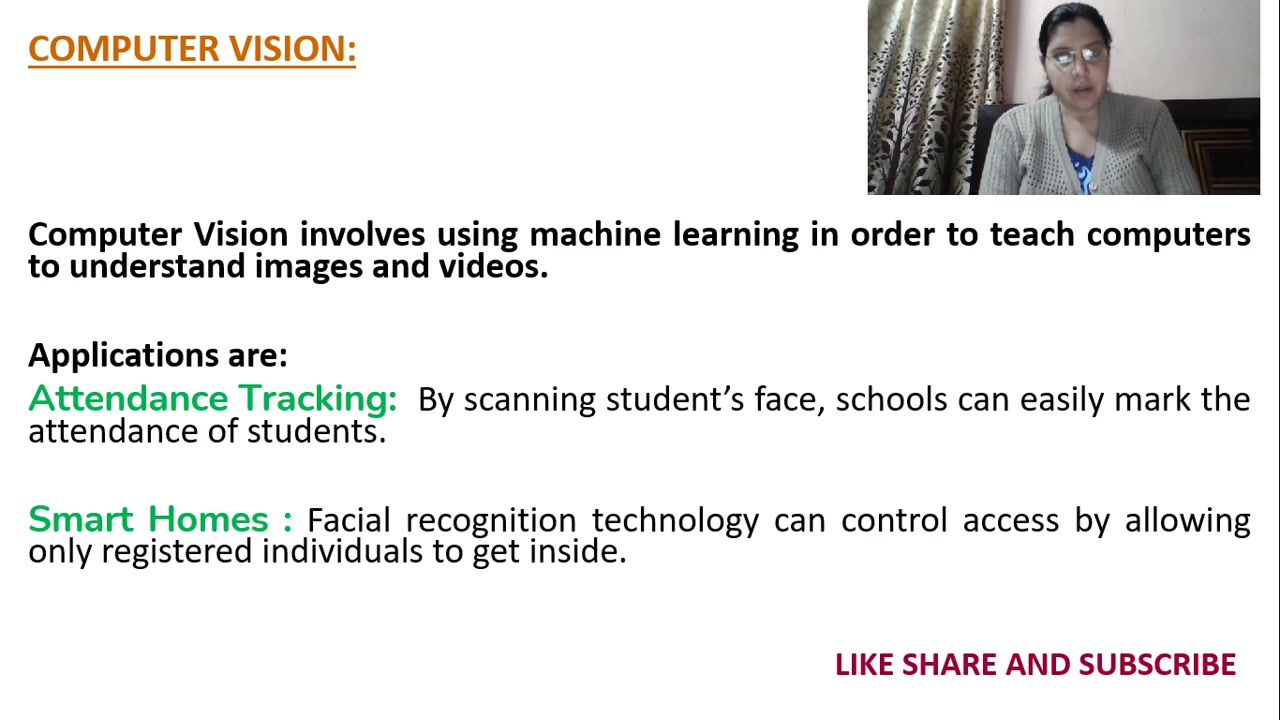
Unlike traditional programming, where specific rules are explicitly defined, machine learning allows the system to learn from data and improve its performance over time. This adaptability is what makes computer vision so powerful.
The core objective of computer vision is to automate tasks that human vision can perform. These tasks can range from identifying defects on a production line to enabling self-driving cars to navigate complex environments. The implications of successful computer vision technologies are vast, impacting industries such as Healthcare, manufacturing, transportation, and security.
Ultimately, computer vision bridges the gap between the digital and physical worlds by allowing machines to interpret and react to their surroundings through the power of sight. With ongoing advancements in machine learning and computational power, computer vision continues to evolve, unlocking even greater potential for automation and innovation.
The future of computer vision looks incredibly promising. As data availability continues to increase and computational resources become more accessible, expect to see even more sophisticated and practical applications of computer vision emerge in the coming years.
The Role of Machine Learning in Computer Vision
Machine learning serves as the backbone of computer vision, providing the tools and techniques necessary for computers to learn from visual data. In computer vision, machine learning algorithms are trained using large datasets of images and videos, enabling them to recognize patterns, objects, and relationships that are often too complex for humans to define explicitly. This process, known as training the machine, is essential for creating robust and adaptable computer vision systems.
Data is the fuel that drives machine learning in computer vision. The more data an algorithm is exposed to, the better it becomes at accurately interpreting visual information. This is why the availability of large, high-quality datasets is critical for advancing the field of computer vision.
Types of Machine Learning Used in Computer Vision:
- Supervised Learning: Algorithms are trained on labeled data, where each image or video is associated with a corresponding label that describes its content.
- Unsupervised Learning: Algorithms are used to discover hidden patterns and structures in unlabeled data, allowing them to group similar images or videos together.
- Deep Learning: A subset of machine learning that utilizes artificial neural networks with multiple layers to analyze visual data at various levels of abstraction.
Deep learning has revolutionized computer vision in recent years. Convolutional Neural Networks (CNNs), a specific type of deep learning architecture, have proven particularly effective in tasks such as image classification, object detection, and Image Segmentation.
The constant evolution of machine learning techniques continues to fuel advancements in computer vision. Researchers are continually developing new algorithms and architectures that improve the accuracy, efficiency, and adaptability of computer vision systems. This synergy between machine learning and computer vision ensures that machines can 'see' and understand the world with increasing sophistication and precision.
Real-World Use Cases of Computer Vision
Attendance Tracking with Facial Recognition
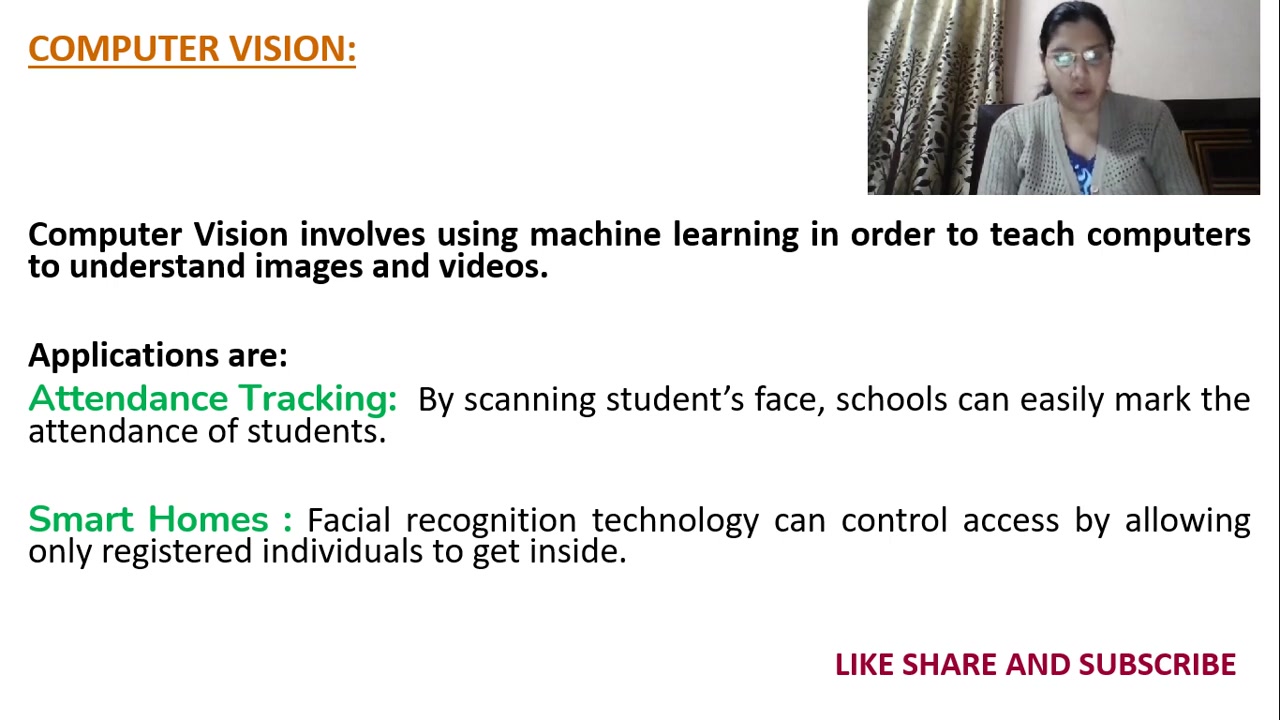
Facial recognition technology enhances school attendance by scanning student faces for streamlined tracking, marking attendance automatically and efficiently. This automates processes and reduces human error, providing accurate attendance data for administrators and teachers.
Here's a breakdown of how it works:
- Face Detection: The system initially identifies and locates human faces within the camera's field of vision.
- Feature Extraction: Once a face is detected, the algorithm extracts unique features such as the distance between eyes, the shape of the nose, and the contours of the mouth.
- Database Matching: The extracted features are then compared against a database of enrolled students' facial data.
- Attendance Marking: If a match is found with a high degree of confidence, the student's attendance is automatically recorded.
By automating attendance tracking, schools can save time and resources while also improving accuracy. The technology also enables better monitoring of student attendance patterns, allowing for early intervention when necessary.
Facial recognition-based attendance tracking has numerous benefits, including increased efficiency, improved accuracy, enhanced security, and valuable data insights. As technology advances and costs decrease, this innovative solution is likely to become increasingly prevalent in educational institutions worldwide.
Smart Homes: Facial Recognition for Access Control
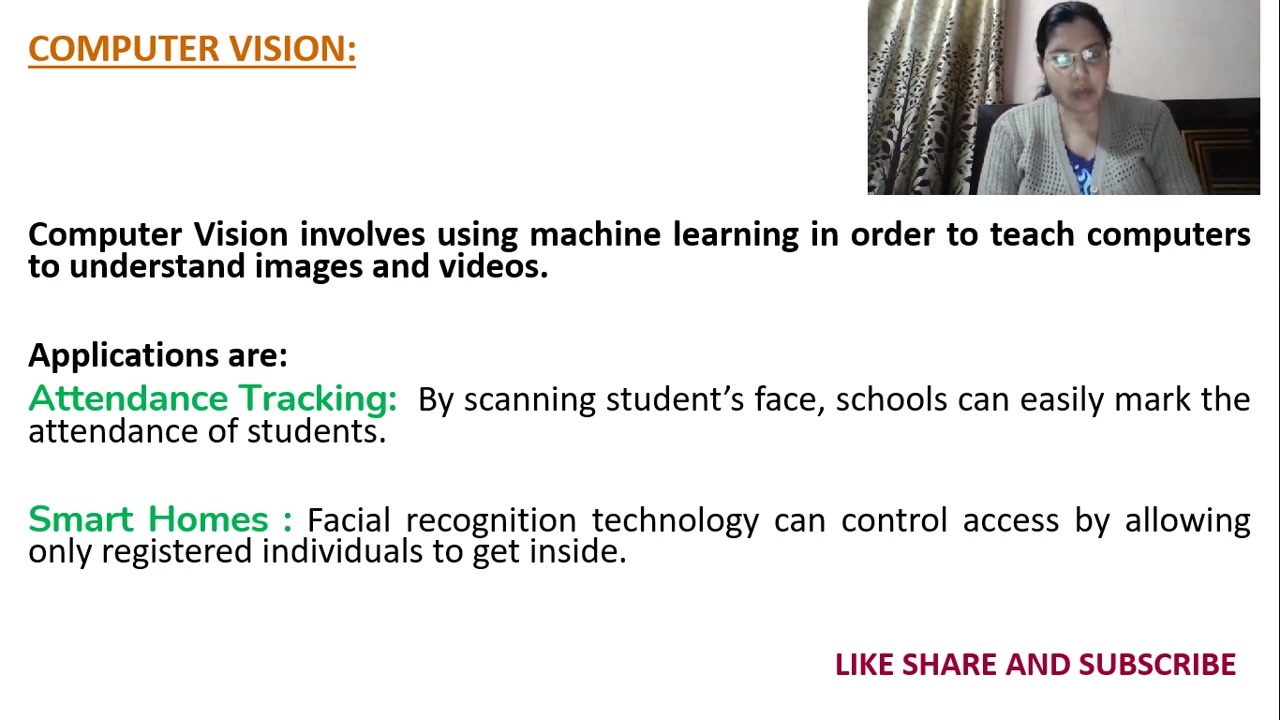
Facial recognition technology provides access to smart homes exclusively for registered individuals, improving home security through controlled entry. This ensures that only authorized people, whose facial data is stored within the system, can enter the premises.
The mechanics are similar to attendance tracking, but the application is different:
- Face Detection: Upon approaching the door, a camera detects a human face.
- Feature Extraction: The system analyzes facial features to create a unique digital signature.
- Verification: This signature is compared to a pre-approved list of homeowners or registered individuals.
- Access Granted: If the facial signature matches an entry in the database, the door unlocks, granting access.
The adoption of facial recognition technology within smart homes contributes to enhanced security and peace of mind. Homeowners can rest assured that their property is protected from unauthorized entry. Facial recognition adds another layer of protection against traditional methods like keys or passcodes, providing a more secure and seamless experience.
With ongoing advancements, facial recognition continues to transform access control within smart homes, improving convenience, security, and peace of mind for homeowners.









Most people like




























Report
Please select a reason for reporting
- 13 Reasons to Switch from Snapchat to Text Messaging
- 7 Powerful Speech to Text Apps to Boost Productivity
- 10 Best Speech to Text Tools for Effortless Transcription
- 13 Free Tools to Easily Transcribe Audio to Text
- 15 Surprising Ways Google's Speech-to-Text Boosts Productivity
- 7 Best Free Online Audio to Text Transcription Tools
- 9 Tips to Transcribe Speech to Text Faster and Better
- 13 Best Speech to Text Software for Windows 10 in 2023
- 7 Tips for Choosing the Best Transcriber for Audio to Text
- 11 Reasons Why Dragon Speech-to-Text Apps are Game-Changers
- 6 Secrets to Enhance Your Speech to Text Transcription
- 6 Brilliant Ways to Boost Productivity with Talk-to-Text on Your MacBook
- 6 Ways Transcription Software Converts Audio to Text
- 8 Tips to Transcribe Speech to Text Like a Pro
- 6 Reasons IBM Watson Speech to Text is a Game-Changer
- 14 Powerful Ways Talk-to-Text Improves Your Workflow
- 12 Top Windows Speech-to-Text Software for Efficient Transcription
- 12 Game-Changing Benefits of Apple's Speech to Text Technology
- 9 Powerful Use Cases for AWS Speech to Text Technology
- 10 Easy Steps to Transcribe YouTube Videos to Text
- transcription audio en texte
- online audio transcription
- free audio file transcription
- free ai audio transcription
- audio transcription service
- audio transcription online free
- audio transcription free online
- audio to transcription software
- audio and transcript
- ai audio transcription free
- voice recording to text converter
- translate voice recording to text
- record voice to text
- audio recording to text converter
- voice recording and transcription
- chatgpt voice to text
- gmail voice to text
- speech to text reader
- speech to text ai free
- speech to talk
- Create Engaging Animated Explainer Videos with a Free AI Tool
- Stop Multi-Subscribing: Benchmark Top AI Visual Models in One Canvas
- Best Seedance 2.5 API Provider: Every Price on the Market, Checked at Source
- AI OnlyFans: How to Generate $30,000/Month (Legally)
- Transform Your Script into an Engaging Video with AI Video Maker!
- AI Marketing Automation: A Comprehensive Guide for Small Businesses
- Midjourney Alternative for Anime Art Creators: Why PixAI May Be Better for Character Workflows
- 10 Things Most People Get Wrong About AI Image Search
- AI Girlfriend Apps: Top Choices Redefining Relationships 2025
- How to Reduce Quoting Errors in Salesforce with AI-Assisted Quote Creation
- AI Resume Builders: EnhanceCV, ResumeNerd AI, & Teal Compared
- ResumeAI: Crafting ATS-Optimized Resumes with AI
- AI in Resume Writing: A New Era for Job Seekers
- AI Resume Tools: Streamline Your Job Search and Land Your Dream Role
- AI Resume Optimization: The Right Way to Land Interviews
- Crafting a Killer Resume with AI: A Step-by-Step Guide
- Crafting a Winning Resume: AI Tools and Expert Tips
- AI Job Search: Level Up Your Career with AI Automation
- Empower Your Career Journey: Dynamic Resumes with AI
- AI Resume Builder: Create Professional Resumes Effortlessly

Copyright ©2026 toolify