































Table of Contents
- Key Points
- The Creator's Code: Decoding Innovation
- SEO Optimization: Keywords and Strategies
- Applying the Creator's Code: Practical Steps
- Pricing
- Pros and Cons
- Core Features Explored
- Practical Use Cases
- Frequently Asked Questions (FAQ)
- Related Questions


The Creator's Code: Decoding Innovation
What is The Creator's Code?
The book 'The Creator's Code' by Amy Wilkinson offers a unique perspective on what drives innovative success. Instead of focusing on the superficial aspects often associated with startups, the book explores the underlying patterns of thinking, decision-making, and resilience exhibited by founders of highly successful ventures. Wilkinson analyzes the behaviors and strategies of leaders behind companies such as Airbnb, LinkedIn, Tesla, and SpaceX to extract core principles applicable across various industries and endeavors. Her research reveals that innovation isn't about innate genius but rather a learnable skillset. The book provides actionable lessons and frameworks for aspiring entrepreneurs, established business professionals, and anyone seeking to make a meaningful impact. By examining the specific choices and habits of successful creators, Wilkinson offers a roadmap for building ventures, shaping careers, and driving positive change. She emphasizes that success isn't just about having the 'what' (the idea) but also understanding the 'why' (the purpose and impact).
Challenging the Myth of Innate Genius
One of the key arguments in 'The Creator's Code' is that innovation is not solely the domain of those born with extraordinary talent.
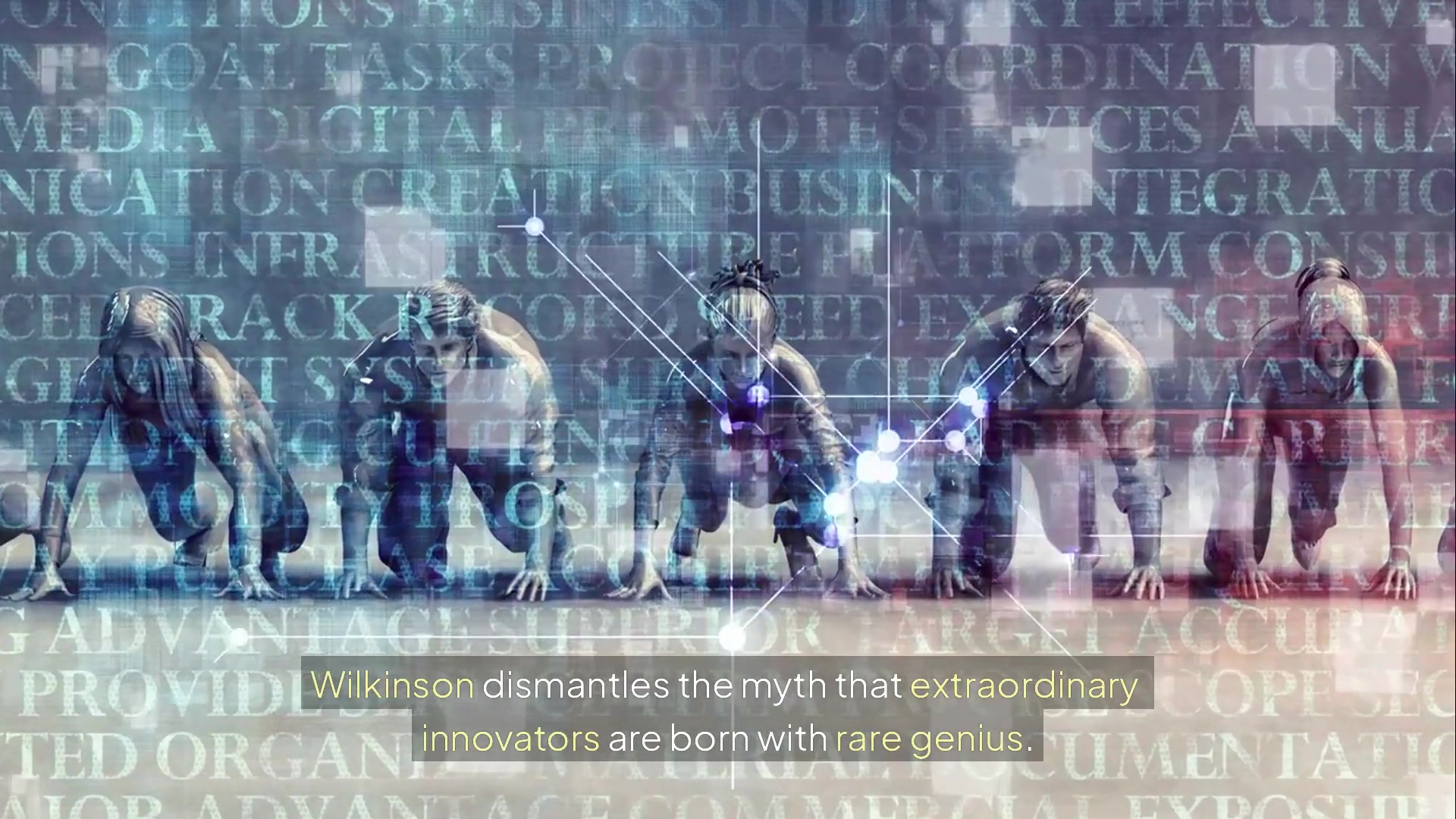
Wilkinson dismantles the misconception that exceptional innovators possess some form of inherent genius, arguing instead that success is a result of developed habits and mindsets. She emphasizes that creative mastery is less about sudden inspiration and more about iterative development, experimentation, and continuous learning. This perspective is empowering, as it suggests that anyone can cultivate the skills and behaviors necessary to become a successful creator. The book highlights how successful entrepreneurs develop these habits and mindsets over time. It also includes examples of individuals who transformed their industries through dedication, perseverance, and a willingness to challenge conventional thinking. By shifting the focus from innate ability to acquired skills, Wilkinson opens up the realm of innovation to a wider audience.
10 Game-Changing Lessons from The Creator's Code
The book presents a series of lessons, which are practical and universal, which is useful whether you’re building a business, a career or a movement. It gives the reader an opportunity to learn from the best. The video highlights 10 Game-changing lessons from the book, providing valuable strategies applicable across diverse fields.
These lessons emphasize the importance of critical thinking, problem-solving, and strategic action.
Let's dive in:
- Creators Are Not Born – They’re Built: The myth of the “lone genius” is deconstructed. Extraordinary innovators aren't born with rare genius; rather, they cultivate specific habits and mindsets. Wilkinson emphasizes that innovation is a result of learnable behaviors, not innate talent. This encourages a growth mindset, believing that anyone can develop creative capabilities.
- Find the Gap – Opportunity Hides in Plain Sight: Great founders identify unmet needs and unarticulated demands that others overlook. They excel at observing everyday life, spotting opportunities where existing solutions fall short. This involves a keen eye for detail and the ability to connect seemingly disparate elements. Opportunities often emerge by addressing unmet needs in daily life.
- Drive for Daylight – Keep Your Eyes Ahead: Successful creators maintain a long-term perspective, focusing on future goals rather than dwelling on setbacks. They possess the resilience to navigate challenges and adapt to changing circumstances. By keeping their eyes on the horizon, they avoid getting bogged down by short-term noise. The top creators are future-focused, adjusting Course while keeping a steady momentum forward – like race car drivers aiming for the open track.
- Fail Wisely – But Fail Small and Fast: Rather than avoiding failure, successful innovators embrace strategic failure – testing early, learning quickly, and minimizing risk. Failure isn't the enemy; it's a compass. Small, rapid failures provide valuable feedback, allowing for adjustments and improvements. This iterative approach reduces the cost of errors and accelerates the learning process.
- Network Minds – Collaboration Trumps Lone Genius: Wilkinson emphasizes how today's creators curate great teams, seek diverse input, and crowdsource solutions. Innovation is rarely a solo act. The best ideas come when brains bump into each other. Collaboration is key to unlocking creative potential. By engaging with diverse perspectives, creators can generate Novel insights and refine their ideas.
- Gift Small Goods – Create Value Before You Ask for It: Entrepreneurs succeed by offering small wins, value, or support to others without immediate return. It builds credibility, goodwill, and powerful relationships. The best approach is to start by giving, not getting. Creators often build strong relationships by providing value and support upfront.
- Launch to Learn – Don’t Wait for Perfect: Creators get their ideas into the world early. They treat launching as a data-gathering phase, not a final performance. Perfect is the enemy of progress – feedback is the real fuel. Early launches help gather feedback and refine products or services. By embracing imperfection, creators accelerate the learning process and adapt to market demands.
- Pivot, Don’t Panic – Adjust Without Ego: When things go wrong (and they will), successful creators pivot strategically rather than clinging to a failing plan. They stay calm, detach from ego, and change direction with purpose. Persistence doesn’t mean rigidity – it means adapting wisely. Adaptability is critical for navigating unexpected challenges. Strategic pivots help creators realign their efforts and maximize their chances of success.
- Think Long, Act Short: Great founders hold a bold, long-term vision while executing in short, focused cycles. They zoom in and out frequently, aligning daily action with big goals. The vision acts as the guiding star, while short, focused cycles enable rapid progress. This approach allows creators to stay on track while remaining adaptable.
- Build Legacy, Not Just Ventures: Wilkinson highlights that successful creators think beyond profits – they want impact, purpose, and legacy. It’s not just about the “what,” but the “why”. A powerful “why” fuels resilience when things get hard. Creators strive to make a lasting contribution to society. This sense of purpose fuels their drive and motivates them to overcome obstacles.
The Creator’s Code is not just a book for entrepreneurs – it’s a manual for anyone who wants to solve problems, think boldly, and act intentionally. Amy Wilkinson translates success into behavior, proving that the difference between ideas and impact is often a repeatable set of choices.
Applying the Creator's Code: Practical Steps
Step 1: Cultivate a Growth Mindset
Embrace the belief that your abilities and intelligence can be developed through dedication and hard work.

This involves:
- Challenging fixed mindsets: Actively question limiting beliefs about your capabilities.
- Seeking learning opportunities: Continuously look for new knowledge and skills to acquire.
- Embracing feedback: View criticism as a valuable source of information for improvement.
- Persisting through challenges: Approach setbacks as opportunities for growth and learning.
Step 2: Hone Your Observation Skills
Train yourself to identify unmet needs and opportunities in your daily life. This requires:
- Paying attention to details: Notice the pain points and inefficiencies in everyday experiences.
- Asking 'why': Question the status quo and seek to understand the underlying causes of problems.
- Connecting seemingly unrelated ideas: Look for patterns and connections between different observations.
- Seeking diverse perspectives: Engage with people from different backgrounds to gain new insights.
Step 3: Embrace Strategic Failure
Adopt an iterative approach to innovation, testing your ideas early and often. This involves:
- Developing minimum viable products (MVPs): Create basic versions of your products or services to test key assumptions.
- Gathering feedback from users: Actively solicit feedback and iterate based on the insights you receive.
- Documenting your learning: Keep track of what works and what doesn't to inform future experiments.
- Minimizing risk: Design experiments that limit the potential for significant losses.
Step 4: Build a Collaborative Network
Surround yourself with a diverse team of individuals who can provide different perspectives and skills. This includes:
- Identifying complementary skillsets: Seek out people who possess skills that you lack.
- Creating a supportive environment: Foster a culture of open communication and mutual respect.
- Leveraging online communities: Connect with like-minded individuals through online forums and social media groups.
- Attending industry events: Network with professionals in your field to expand your knowledge and connections.
Step 5: Act with Purpose and Impact
Define your 'why' – the deeper purpose that motivates your actions. This entails:
- Identifying your values: Determine what is most important to you and align your actions accordingly.
- Setting meaningful goals: Focus on creating a positive impact on the world.
- Measuring your progress: Track your accomplishments and celebrate your successes.
- Staying true to your vision: Persevere through challenges and remain committed to your mission.





Most people like


































Report
Please select a reason for reporting
- 13 Reasons to Switch from Snapchat to Text Messaging
- 7 Powerful Speech to Text Apps to Boost Productivity
- 10 Best Speech to Text Tools for Effortless Transcription
- 13 Free Tools to Easily Transcribe Audio to Text
- 15 Surprising Ways Google's Speech-to-Text Boosts Productivity
- 7 Best Free Online Audio to Text Transcription Tools
- 9 Tips to Transcribe Speech to Text Faster and Better
- 13 Best Speech to Text Software for Windows 10 in 2023
- 7 Tips for Choosing the Best Transcriber for Audio to Text
- 11 Reasons Why Dragon Speech-to-Text Apps are Game-Changers
- 6 Secrets to Enhance Your Speech to Text Transcription
- 6 Brilliant Ways to Boost Productivity with Talk-to-Text on Your MacBook
- 6 Ways Transcription Software Converts Audio to Text
- 8 Tips to Transcribe Speech to Text Like a Pro
- 6 Reasons IBM Watson Speech to Text is a Game-Changer
- 14 Powerful Ways Talk-to-Text Improves Your Workflow
- 12 Top Windows Speech-to-Text Software for Efficient Transcription
- 12 Game-Changing Benefits of Apple's Speech to Text Technology
- 9 Powerful Use Cases for AWS Speech to Text Technology
- 10 Easy Steps to Transcribe YouTube Videos to Text
- transcription audio en texte
- online audio transcription
- free audio file transcription
- free ai audio transcription
- audio transcription service
- audio transcription online free
- audio transcription free online
- audio to transcription software
- audio and transcript
- ai audio transcription free
- voice recording to text converter
- translate voice recording to text
- record voice to text
- audio recording to text converter
- voice recording and transcription
- chatgpt voice to text
- gmail voice to text
- speech to text reader
- speech to text ai free
- speech to talk
- How to Use AI Tools to Find Internal Linking Opportunities Across a Business Website
- Discover Your Perfect Haircut with AI Hairstyle Apps
- Free Reputation Calculator Tools: How They're Adapting to Score AI Visibility, Not Just Rankings
- Design Professional Flyers for Free on Your Phone
- Best Free Flyer Maker Apps for Android: Design Like a Pro
- How to Know If Your Business Is Ready for an AI Customer Service Agent
- Revolutionizing Storytelling: From Novels to Screenplays with AI
- Create Engaging Animated Explainer Videos with a Free AI Tool
- Stop Multi-Subscribing: Benchmark Top AI Visual Models in One Canvas
- Best Seedance 2.5 API Provider: Every Price on the Market, Checked at Source
- Top AI Social Media Management Tools: Automate Your Content Strategy
- Free AI Text to Video Generator: Create Stunning Videos from Text
- Discover 17 ChatGPT Alternatives: A Comprehensive Comparison
- Character.AI vs. Janitor AI: Which AI Chat Platform Reigns Supreme?
- Top Virtual Assistant Companies in 2026: Reviews, Pricing, and Plans Compared
- Unveiling FaceCheck.ID: Revolutionizing Reverse Image Searches with AI
- 11 Best AI Dialers in 2026: Features, Pricing, Pros and Cons
- How I Direct Consistent AI Clips: A Hands-On Guide to Multi-Model Generation
- A Realistic Review of the Photo Generator Image Tool
- Playwright MCP Server: Automated Web Testing with Agent Mode

Copyright ©2026 toolify