































Table of Contents
- Key Points
- Understanding the Power of AI
- Real-World Applications of AI
- How to Leverage AI in Your Daily Life
- AI Pros and Cons
- FAQ
- Related Questions


Understanding the Power of AI
What is Artificial Intelligence?
Artificial Intelligence
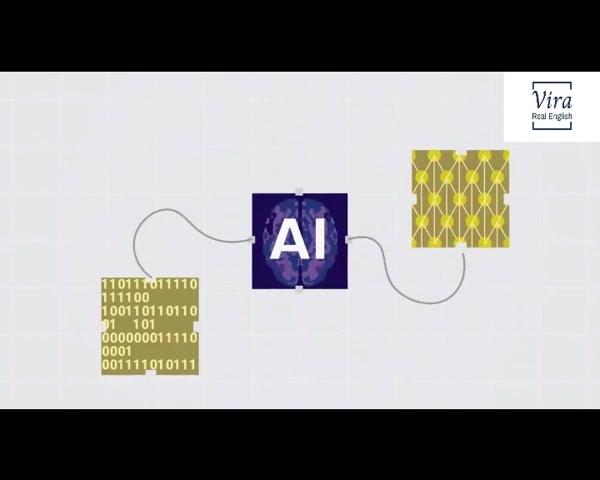
is more than just a buzzword; it's a powerful technology reshaping various aspects of modern life. At its core, AI involves creating computer systems capable of performing tasks that typically require human intelligence. These tasks include learning, problem-solving, decision-making, and pattern recognition. AI isn't a monolithic entity but rather a collection of diverse techniques and approaches, each suited for specific applications. From self-driving cars to virtual assistants, AI is becoming increasingly integrated into our daily routines, promising to augment our capabilities and drive innovation across industries. The future hinges on our use of Artificial Intelligence. One way AI achieves this is by looking at mass amounts of information and finding patterns within it.
One of the most impactful aspects of Artificial Intelligence is its capacity to automate complex processes and handle tasks that would be incredibly difficult or time-consuming for humans to undertake. This is particularly evident in fields such as data analysis, where AI algorithms can sift through vast datasets to identify trends, anomalies, and actionable insights. The application of AI in these areas not only enhances efficiency but also opens up new possibilities for discovery and innovation.
Simplifying Complex Tasks with AI
AI's ability to simplify complex tasks
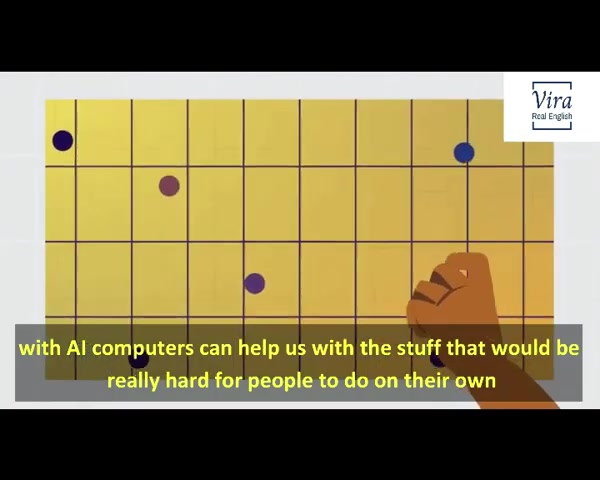
is truly transformative. Consider scenarios involving extensive data analysis or intricate calculations. Humans might struggle with the sheer volume of information and the need for precision, but AI excels in such environments. By leveraging AI algorithms, we can automate these processes, reducing the risk of error and freeing up valuable time for more strategic endeavors.
Here's a table illustrating how AI streamlines complex tasks:
| Task Category | Human Approach | AI-Powered Approach | Benefits |
|---|---|---|---|
| Data Analysis | Manual data entry, spreadsheet analysis | Automated data processing, machine learning | Faster insights, reduced errors, identification of hidden patterns |
| Weather Prediction | Statistical models, limited data points | Advanced algorithms, real-time data integration | More accurate forecasts, improved disaster preparedness, optimized resource allocation |
| Medical Diagnosis | Physical exams, lab tests, subjective assessments | AI-powered imaging analysis, data-driven diagnoses | Earlier detection, personalized treatment plans, improved patient outcomes |
| Video Game Performance | Manual gameplay, trial and error | Algorithmic strategies, pattern identification | Optimal performance, real-time adaptation, improved competitiveness |
The applications are nearly limitless. From financial modeling to supply chain optimization, AI is enabling organizations to tackle previously insurmountable challenges with greater ease and effectiveness.
AI's Pattern Recognition Abilities
AI's prowess in pattern recognition
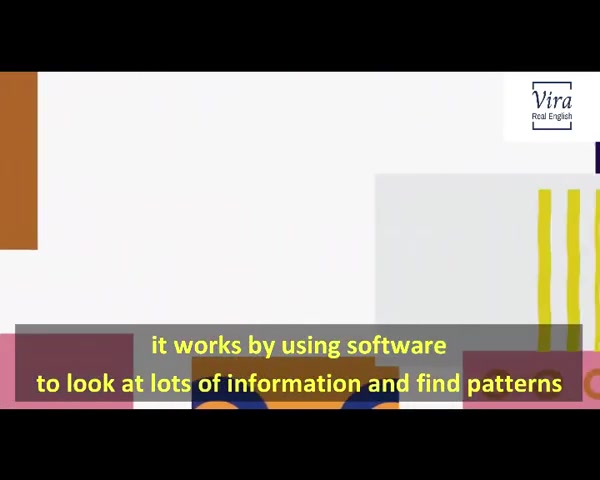
is a key component of its intelligence. By analyzing large datasets, AI algorithms can identify underlying patterns and correlations that would be virtually impossible for humans to detect. This capability has profound implications for a range of applications, from fraud detection to Image Recognition and predictive maintenance.
Think of the ways this can be used. Imagine a manufacturing plant where sensors monitor equipment performance in real time. AI algorithms can analyze this data to identify subtle patterns indicating potential equipment failures, allowing maintenance teams to proactively address issues before they escalate. In financial markets, AI can detect fraudulent transactions by recognizing patterns of suspicious activity that might otherwise go unnoticed. Similarly, AI can be trained to identify objects by their patterns.
Real-World Applications of AI
AI in Healthcare: Diagnosing Diseases
AI is revolutionizing the healthcare industry, enabling doctors to diagnose diseases with greater accuracy and speed. AI algorithms can analyze medical images, such as X-rays and MRIs, to detect subtle anomalies that might be missed by the human eye. By cross-referencing patient data with vast medical databases, AI can also assist in identifying potential diagnoses and treatment plans. This not only improves patient outcomes but also reduces the burden on Healthcare professionals.
Here are some ways that AI diagnosis is improving our lives:
- Early Detection: AI algorithms can detect diseases in their early stages, improving the chances of successful treatment.
- Personalized Medicine: AI can analyze individual patient data to tailor treatment plans to their specific needs.
- Reduced Errors: AI minimizes the risk of human error in diagnosis, leading to more accurate and reliable results.
AI in Meteorology: Predicting the Weather
Accurate weather prediction is crucial for a wide range of activities, from agriculture to transportation and disaster preparedness. AI is enhancing weather forecasting capabilities by analyzing vast amounts of meteorological data from various sources, including satellites, weather stations, and radar systems. AI algorithms can identify complex weather patterns and predict future conditions with greater precision, enabling communities to prepare for severe weather events and optimize resource allocation.

Imagine you're Scheduling a large outdoor event. AI predictions will help you decide on a date that will give you the best weather for the activities planned.
AI in Gaming: Enhancing Gameplay
AI isn't just about solving serious problems; it's also enhancing our leisure activities. In the gaming world, AI is being used to create more immersive and challenging experiences for players. AI algorithms can control non-player characters (NPCs), making them more realistic and responsive to player actions. AI can also generate dynamic game content, such as new levels, quests, and storylines, ensuring that the gameplay remains fresh and engaging. In other words, using AI to play video games can ensure that you are met with a challenge every time.
How to Leverage AI in Your Daily Life
Using AI-Powered Tools
One of the easiest ways to incorporate AI into your daily life is by using AI-powered tools and applications. Virtual assistants like Siri, Alexa, and Google Assistant can help you manage your schedule, answer questions, and control smart home devices. AI-powered search engines like Google and Bing can provide more relevant and personalized search results. And AI-driven productivity tools can help you automate repetitive tasks and improve your efficiency.

Use AI to your advantage, in other words!
Embracing AI in Professional Settings
If you work in a field where data analysis or complex problem-solving is required, consider exploring how AI can augment your capabilities. AI-powered analytics platforms can help you extract valuable insights from data, while AI-driven decision support systems can guide you in making informed choices. By embracing AI in your professional settings, you can enhance your productivity, accuracy, and strategic thinking.
Staying Informed About AI Advancements
As AI technology continues to evolve, it's important to stay informed about the latest advancements. Read industry publications, attend conferences, and participate in online forums to learn about new AI techniques, applications, and ethical considerations. By staying informed, you can better understand the potential and limitations of AI, enabling you to make informed decisions about its use in your personal and professional life.







Most people like


































Report
Please select a reason for reporting
- 13 Reasons to Switch from Snapchat to Text Messaging
- 7 Powerful Speech to Text Apps to Boost Productivity
- 10 Best Speech to Text Tools for Effortless Transcription
- 13 Free Tools to Easily Transcribe Audio to Text
- 15 Surprising Ways Google's Speech-to-Text Boosts Productivity
- 7 Best Free Online Audio to Text Transcription Tools
- 9 Tips to Transcribe Speech to Text Faster and Better
- 13 Best Speech to Text Software for Windows 10 in 2023
- 7 Tips for Choosing the Best Transcriber for Audio to Text
- 11 Reasons Why Dragon Speech-to-Text Apps are Game-Changers
- 6 Secrets to Enhance Your Speech to Text Transcription
- 6 Brilliant Ways to Boost Productivity with Talk-to-Text on Your MacBook
- 6 Ways Transcription Software Converts Audio to Text
- 8 Tips to Transcribe Speech to Text Like a Pro
- 6 Reasons IBM Watson Speech to Text is a Game-Changer
- 14 Powerful Ways Talk-to-Text Improves Your Workflow
- 12 Top Windows Speech-to-Text Software for Efficient Transcription
- 12 Game-Changing Benefits of Apple's Speech to Text Technology
- 9 Powerful Use Cases for AWS Speech to Text Technology
- 10 Easy Steps to Transcribe YouTube Videos to Text
- transcription audio en texte
- online audio transcription
- free audio file transcription
- free ai audio transcription
- audio transcription service
- audio transcription online free
- audio transcription free online
- audio to transcription software
- audio and transcript
- ai audio transcription free
- voice recording to text converter
- translate voice recording to text
- record voice to text
- audio recording to text converter
- voice recording and transcription
- chatgpt voice to text
- gmail voice to text
- speech to text reader
- speech to text ai free
- speech to talk
- How to Use AI Tools to Find Internal Linking Opportunities Across a Business Website
- Discover Your Perfect Haircut with AI Hairstyle Apps
- Free Reputation Calculator Tools: How They're Adapting to Score AI Visibility, Not Just Rankings
- Design Professional Flyers for Free on Your Phone
- Best Free Flyer Maker Apps for Android: Design Like a Pro
- How to Know If Your Business Is Ready for an AI Customer Service Agent
- Revolutionizing Storytelling: From Novels to Screenplays with AI
- Create Engaging Animated Explainer Videos with a Free AI Tool
- Stop Multi-Subscribing: Benchmark Top AI Visual Models in One Canvas
- Best Seedance 2.5 API Provider: Every Price on the Market, Checked at Source
- Top AI Social Media Management Tools: Automate Your Content Strategy
- Free AI Text to Video Generator: Create Stunning Videos from Text
- Discover 17 ChatGPT Alternatives: A Comprehensive Comparison
- Character.AI vs. Janitor AI: Which AI Chat Platform Reigns Supreme?
- Top Virtual Assistant Companies in 2026: Reviews, Pricing, and Plans Compared
- Unveiling FaceCheck.ID: Revolutionizing Reverse Image Searches with AI
- 11 Best AI Dialers in 2026: Features, Pricing, Pros and Cons
- How I Direct Consistent AI Clips: A Hands-On Guide to Multi-Model Generation
- A Realistic Review of the Photo Generator Image Tool
- Playwright MCP Server: Automated Web Testing with Agent Mode

Copyright ©2026 toolify