































Table of Contents
- Key Points
- Understanding the Basics of a Bank Statement
- Decoding Debits and Credits: The Bank's Perspective
- Practical Steps to Reading Your Bank Statement
- Pros and Cons of Online Bank Statements
- Frequently Asked Questions
- Related Questions


Understanding the Basics of a Bank Statement
What is a Bank Statement?
A bank statement is a periodic record of your account activity, typically covering a month-long period. It provides a summary of all transactions, including deposits, withdrawals, fees, and interest earned.

It's your key to monitoring your account and ensuring accuracy. Bank statements are essential for personal financial management. They also play a crucial role in business accounting practices. Ignoring your bank statement can lead to unnoticed errors, fraudulent activity, and poor financial decision-making. This is also crucial for compliance. Audits require an accurate reflection of your debits and credits for your records to meet regulatory standards. Regular account reviews are essential for catching errors early.
Key Components of a Bank Statement
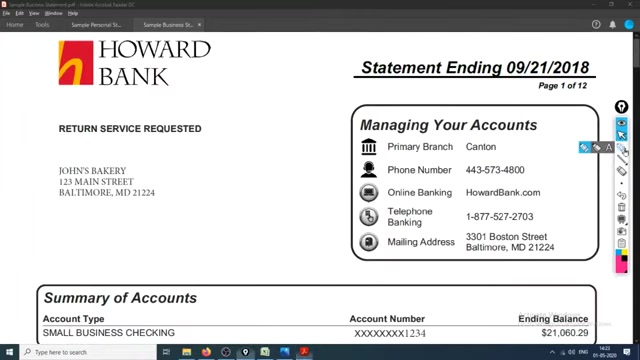
A typical bank statement includes several important components, each serving a specific purpose:
-
Account Holder Information: This section displays your name, address, and account number. Verify this information for accuracy.
-
Bank Information: The bank's name, address, and contact information are usually prominently displayed.
-
Statement Period: This indicates the start and end dates for the transactions included in the statement.
-
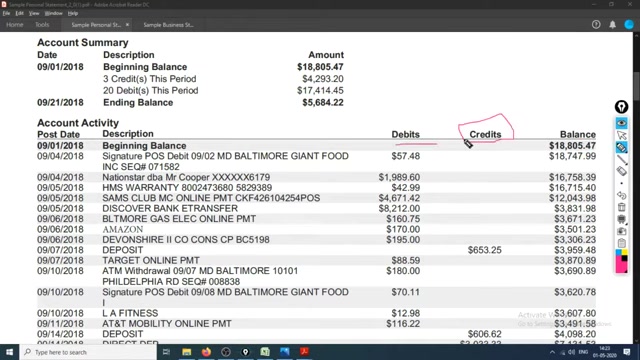
Account Summary: A quick overview of your account's beginning balance, total credits, total debits, and ending balance. Understanding the account summary is crucial for a quick overview of your financial standing. This section lets you instantly see if there have been any unusual, or unexpected changes.
-
Account Activity: This detailed section lists every transaction that occurred during the statement period. This includes the date, description, and amount of each transaction. Pay close attention to any unfamiliar transactions or any transactions that don’t align with your spending records.
-
Fees and Charges: This section lists any fees or charges assessed by the bank, such as monthly maintenance fees, overdraft fees, or ATM fees. Monitoring and managing bank fees helps to avoid unnecessary costs. If you see unexpected fees, you can also use this area to identify any potentially fraudulent transactions.
-
Contact Information: Provides phone numbers and addresses for contacting the bank with questions or concerns. A good bank statement should also provide email addresses for online and mobile banking services. Keeping this information handy will expedite addressing fraud concerns and account management issues.
Decoding Debits and Credits: The Bank's Perspective
Why Are Debits and Credits Confusing?
One of the most confusing aspects of reading a bank statement is understanding why debits and credits seem reversed.
In your personal accounting, a debit might represent an increase in your assets. However, from the bank's perspective, your account balance is a liability they owe to you. Therefore:
- Debit: A debit on your bank statement represents a decrease in the bank's liability to you, meaning money leaving your account (e.g., withdrawals, payments, fees).
- Credit: A credit on your bank statement represents an increase in the bank's liability to you, meaning money entering your account (e.g., deposits, interest earned).
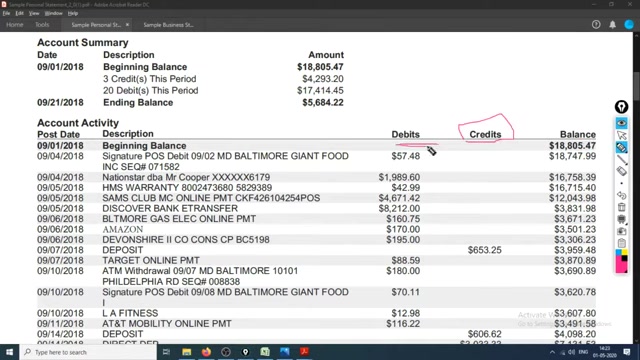
To truly grasp this concept, imagine yourself as the bank owner. When money gets deposited into an account, you as the owner now have a new debt to the customer. The deposit is thus recorded as a “credit.” The converse of that, then, becomes taking money out of the account, or a “debit.”
Visualizing the Flow of Funds
Visualizing the flow of funds can make the difference between a clear understanding and muddied waters when reviewing bank statements. It’s important to review the statement not from your personal view, but the bank owner’s, to understand what goes in and what goes out. If the bank has $100 more in its account thanks to you, the statement will thus display a +$100 change, or a “credit.” If, on the other hand, the bank has given you $50 (an ATM withdrawal, for example), the statement would showcase -$50, or a “debit.”
Here’s a simple diagram to help visualize this:
 (Replace with a link to an actual image)
This image would illustrate the flow of funds, showing deposits as increasing the bank's liability (credit) and withdrawals as decreasing it (debit).







Most people like

































Report
Please select a reason for reporting
- 13 Reasons to Switch from Snapchat to Text Messaging
- 7 Powerful Speech to Text Apps to Boost Productivity
- 10 Best Speech to Text Tools for Effortless Transcription
- 13 Free Tools to Easily Transcribe Audio to Text
- 15 Surprising Ways Google's Speech-to-Text Boosts Productivity
- 7 Best Free Online Audio to Text Transcription Tools
- 9 Tips to Transcribe Speech to Text Faster and Better
- 13 Best Speech to Text Software for Windows 10 in 2023
- 7 Tips for Choosing the Best Transcriber for Audio to Text
- 11 Reasons Why Dragon Speech-to-Text Apps are Game-Changers
- 6 Secrets to Enhance Your Speech to Text Transcription
- 6 Brilliant Ways to Boost Productivity with Talk-to-Text on Your MacBook
- 6 Ways Transcription Software Converts Audio to Text
- 8 Tips to Transcribe Speech to Text Like a Pro
- 6 Reasons IBM Watson Speech to Text is a Game-Changer
- 14 Powerful Ways Talk-to-Text Improves Your Workflow
- 12 Top Windows Speech-to-Text Software for Efficient Transcription
- 12 Game-Changing Benefits of Apple's Speech to Text Technology
- 9 Powerful Use Cases for AWS Speech to Text Technology
- 10 Easy Steps to Transcribe YouTube Videos to Text
- transcription audio en texte
- online audio transcription
- free audio file transcription
- free ai audio transcription
- audio transcription service
- audio transcription online free
- audio transcription free online
- audio to transcription software
- audio and transcript
- ai audio transcription free
- voice recording to text converter
- translate voice recording to text
- record voice to text
- audio recording to text converter
- voice recording and transcription
- chatgpt voice to text
- gmail voice to text
- speech to text reader
- speech to text ai free
- speech to talk
- How to Use AI Tools to Find Internal Linking Opportunities Across a Business Website
- Discover Your Perfect Haircut with AI Hairstyle Apps
- Free Reputation Calculator Tools: How They're Adapting to Score AI Visibility, Not Just Rankings
- Design Professional Flyers for Free on Your Phone
- Best Free Flyer Maker Apps for Android: Design Like a Pro
- How to Know If Your Business Is Ready for an AI Customer Service Agent
- Revolutionizing Storytelling: From Novels to Screenplays with AI
- Create Engaging Animated Explainer Videos with a Free AI Tool
- Stop Multi-Subscribing: Benchmark Top AI Visual Models in One Canvas
- Best Seedance 2.5 API Provider: Every Price on the Market, Checked at Source
- Top AI Social Media Management Tools: Automate Your Content Strategy
- Free AI Text to Video Generator: Create Stunning Videos from Text
- Discover 17 ChatGPT Alternatives: A Comprehensive Comparison
- Character.AI vs. Janitor AI: Which AI Chat Platform Reigns Supreme?
- Top Virtual Assistant Companies in 2026: Reviews, Pricing, and Plans Compared
- Unveiling FaceCheck.ID: Revolutionizing Reverse Image Searches with AI
- 11 Best AI Dialers in 2026: Features, Pricing, Pros and Cons
- How I Direct Consistent AI Clips: A Hands-On Guide to Multi-Model Generation
- A Realistic Review of the Photo Generator Image Tool
- Playwright MCP Server: Automated Web Testing with Agent Mode

Copyright ©2026 toolify