































Table of Contents
- Key Points
- The Fascinating World of World Flags
- Symbolism in Flag Emblems
- How to Identify World Flags
- Pricing on Learning about Flags
- Learning about Flags: Pros and Cons
- FAQ
- Related Questions



The Fascinating World of World Flags
What is Vexillology?
Vexillology is the scientific study of flags. It encompasses everything from the history and symbolism of flags to their design and usage. Vexillologists, or flag scholars, delve into the cultural, political, and historical contexts that have shaped these important symbols. They analyze the colors, patterns, and emblems used on flags to understand the messages they convey and the values they represent. The study of world flags helps in understanding history, cultures and people. By understanding world flags, one can know culture of the world in more detail. From national flags to organizational banners, vexillology offers a fascinating perspective on the visual language of identity and belonging. Understanding world flags is important because it allows a person to quickly understand the different regions and meanings behind them.
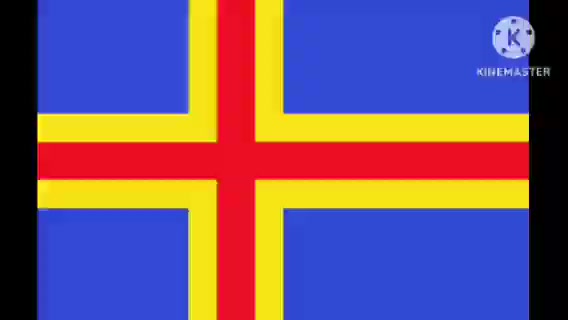
Flags are not just patterns on fabric; they are rich with history and convey deep meaning to the peoples who live under them. They act as constant reminders of their cultural identity and as symbols of unity.
Flags are often taken for granted, with most people not fully appreciating the depth of meaning that each individual flag has. It is important to know what each color stands for, for example; or what the animal depicted on each flag means. Flags are a way for each country to express who they are, and there are stories in every flag.
The Significance of Colors in World Flags
Colors play a crucial role in the design of world flags, each hue carrying its own symbolic weight. Red, for instance, often represents courage, revolution, or sacrifice, as seen in the flags of China and Vietnam. White typically symbolizes peace, purity, or honesty, a prominent feature in the flags of Canada and Peru. Blue can represent liberty, justice, or the sea, frequently appearing in the flags of the United States and Greece. Green often signifies hope, fertility, or Islam, as exemplified by the flags of Saudi Arabia and Pakistan. Yellow or gold can represent wealth, prosperity, or the sun, found in the flags of Spain and Colombia. The specific meanings of these colors can vary depending on the cultural and historical context of each nation, but they consistently add layers of depth and significance to the overall symbolism of world flags.
Flags are not only colorful representations of nations but are also imbued with deep meaning through their colors, symbols, and designs. Each element is carefully chosen to convey a message about the country’s history, values, and aspirations. Let's explore some common elements of flags and what they typically signify:
- Colors: Each color on a flag often has a specific meaning.
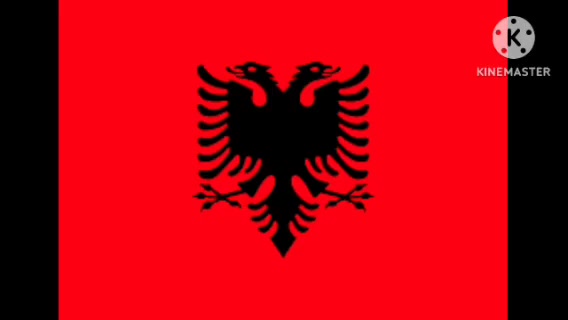
For example, red might symbolize courage, revolution, or sacrifice, while white could represent peace and honesty. Blue often stands for liberty, justice, or the sea, while green might signify hope, fertility, or Islam. Yellow or gold frequently denote wealth, prosperity, or the sun.
- Symbols: Various symbols are used on flags to represent specific aspects of a nation's identity. These can include animals, plants, stars, celestial bodies, and religious or cultural icons.
- Design: The layout and patterns on a flag also hold significance. Simple designs may represent straightforward values, while more complex patterns might reflect intricate historical narratives or cultural traditions. The arrangement of colors and symbols is carefully considered to create a visually appealing and meaningful emblem.
Flags are not static entities; they often evolve over time to reflect changes in a nation’s political landscape, social values, or cultural identity. Some flags have undergone significant transformations throughout history.
The Evolution of Flag Designs
Many world flags have evolved significantly over time, reflecting shifts in political landscapes, cultural identities, and national aspirations. The French tricolor, for example, emerged during the French Revolution as a symbol of liberty, equality, and fraternity, replacing the royal standard. The flag of South Africa was redesigned in 1994 to represent the country's new multiracial democracy after the end of apartheid.
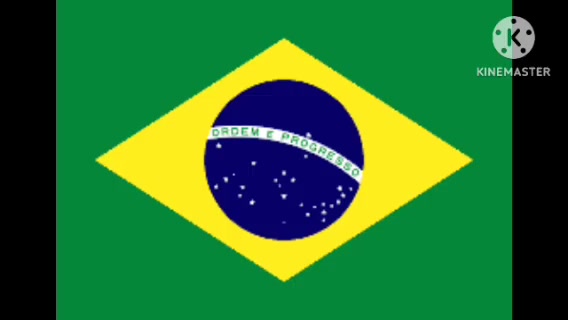
These changes underscore the dynamic nature of flags and their ability to adapt to changing times. A great example of this, is The Union Jack. This flag came about from the combination of England, Scotland and Ireland's flags to create one unified flag.
The Union Jack, the flag of the United Kingdom, is a composite of the flags of England, Scotland, and Northern Ireland (though it doesn't directly include Wales). Here's how its history unfolded:
- Flag of England: The St. George's Cross, a red cross on a white field, has been associated with England since the Crusades and became the country's official flag in the 16th century.
- Flag of Scotland: The St. Andrew's Cross, a white saltire (diagonal cross) on a blue field, has been linked to Scotland since the Middle Ages. It was officially adopted as the national flag in the 16th century.
- First Union Flag (1606): When James VI of Scotland became James I of England in 1603, uniting the crowns, a new flag was created in 1606 to symbolize the union. It combined the St. George's Cross of England and the St. Andrew's Cross of Scotland.
- Adding Ireland (1801): In 1801, the Act of Union merged the Kingdom of Great Britain with the Kingdom of Ireland, creating the United Kingdom of Great Britain and Ireland. To reflect this union, the St. Patrick's Cross, a red saltire on a white field, was added to the Union Flag.
- Northern Ireland Today: When the Republic of Ireland gained independence in the early 20th century, Northern Ireland remained part of the United Kingdom. The Union Jack continues to represent the UK, including Northern Ireland, though Northern Ireland itself doesn't have an official flag.
Symbolism in Flag Emblems
National Emblems and Their Meanings
Flags often incorporate national emblems, such as animals, plants, or celestial bodies, to further communicate a nation's identity and values. The bald eagle, for instance, is a powerful symbol of freedom, strength, and American ideals, prominently displayed on the flag of the United States. The maple leaf is an iconic emblem of Canada, representing the country's natural beauty, heritage, and sense of unity. The kiwi is a unique symbol of New Zealand, embodying the country's distinctive wildlife, culture, and national pride. These emblems add layers of meaning to world flags, reinforcing the messages they convey and the values they represent. Flags use symbols to represent parts of the country's history or its national values.
For example, some flags are directly linked to historical events or important figures in the nation’s past.
Analyzing different flags from around the world can offer insights into national identities and shared histories:
- Angola: Features a machete and a cogwheel, symbolizing the country’s workers and industry.
- Australia: The Union Jack in the corner reflects its historical ties to the United Kingdom, while the Commonwealth Star and the Southern Cross constellation represent its geography and membership in the Commonwealth.
- Azerbaijan: Includes a crescent and star, common symbols in Turkic and Islamic cultures.
- Bahrain: The serrated edge with five white triangles represents the five pillars of Islam.
- Bangladesh: A red disc symbolizes the rising sun and the blood shed for independence.
- Belarus: Features a traditional Belarusian ornamental pattern, emphasizing cultural heritage.
- Belgium: Uses horizontal stripes of black, yellow, and red, derived from the coat of arms of the Duchy of Brabant.
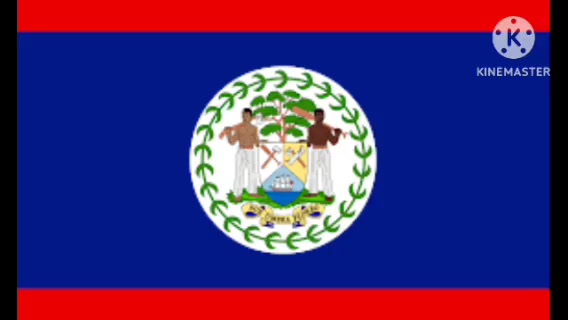
- Belize: Features the country's coat of arms, depicting lumberjacks and symbols of the forestry industry.
- Benin: Uses the Pan-African colors to symbolize unity and African identity.
- Bermuda: Displays the Union Jack and the coat of arms with a red lion holding a shield, reflecting its British ties.
Table of Flags and Their Symbolic Meanings
| Country | Flag Description | Symbolic Meanings |
|---|---|---|
| Angola | Red and black horizontal bands with a yellow star, a machete, and a cogwheel. | Red: Blood shed during the struggle for independence; Black: African continent; Yellow star: Socialism; Machete and cogwheel: Workers and industry. |
| Australia | Blue field with the Union Jack, a large white Commonwealth Star, and the Southern Cross constellation. | Union Jack: Historical ties to the United Kingdom; Commonwealth Star: Unity of the states and territories; Southern Cross: Australia's location in the Southern Hemisphere. |
| Azerbaijan | Blue, red, and green horizontal bands with a white crescent and an eight-pointed star. | Blue: Turkic heritage; Red: Progress and modernization; Green: Islam; Crescent and star: Turkic and Islamic symbols. |
| Bahrain | White band on the hoist side with a serrated edge bordering a red field. | White: Purity; Red: Blood shed in battles; Serrated edge: Five pillars of Islam. |
| Bangladesh | Green field with a red disc in the center. | Green: Lush landscape of Bangladesh; Red disc: Rising sun and blood shed for independence. |
| Belarus | Red and green horizontal bands with a white and red ornamental pattern on the hoist side. | Red: Glorious past and sacrifices; Green: Hope and natural beauty; Ornamental pattern: Cultural heritage. |
| Belgium | Black, yellow, and red vertical stripes. | Colors derived from the coat of arms of the Duchy of Brabant, symbolizing national unity. |
| Belize | Blue field with the coat of arms in the center, bordered by red stripes on the top and bottom. | Blue: Unity and the People’s United Party; Coat of arms: Lumberjacks and symbols of the forestry industry; Red stripes: Opposition party. |
| Benin | Green, yellow, and red horizontal bands. | Green: Hope and renewal; Yellow: Wealth of the land; Red: Courage and sacrifice; Pan-African colors symbolizing African unity. |
| Bermuda | Red ensign with the Union Jack in the canton and the coat of arms of Bermuda on the fly. | Union Jack: Historical ties to the United Kingdom; Coat of arms: Red lion holding a shield depicting a shipwreck, symbolizing strength and resilience in the face of adversity. |
Flags Inspired by Historical Events
Many world flags are directly inspired by historical events or important figures in a nation's past. The flag of Argentina, for instance, features a sun emblem known as the Sun of May, commemorating the May Revolution of 1810, which marked the beginning of Argentina's independence movement.
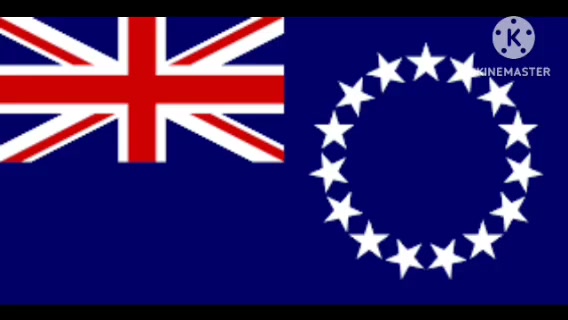
The flag of Mexico incorporates the national coat of arms, depicting an eagle devouring a serpent, a symbol rooted in Aztec mythology and the founding of Tenochtitlan (now Mexico City). The flag of the Philippines features a unique design where the colors are inverted to indicate a state of war, a powerful reminder of the country's struggle for independence and sovereignty. These flags serve as enduring symbols of national pride and collective memory, connecting present-day citizens to their shared history and heritage. The flags have special colours and symbols based on different countries and regions. The star on the flag of Cameroon symbolizes unity.
The star on the flag of Cameroon, officially adopted on May 20, 1975, holds significant symbolic meaning for the nation. Here’s what it represents:
- Unity: The single star is a symbol of unity, representing the unified nature of Cameroon. It aims to bridge the cultural and linguistic diversity of the country, bringing together its various regions and ethnic groups under a single national identity.
- Progress: In addition to unity, the star signifies progress and the country’s aspirations for a bright future. It reflects the hope and optimism of Cameroonians as the nation moves forward in its development and prosperity.
- Central Location: The placement of the star in the center of the flag is also deliberate. It indicates that unity is the central, guiding principle of the nation. The star’s prominence ensures that it stands out, acting as a constant reminder of the importance of national cohesion.
To properly understand flags, some things to consider are:
- The stories flags are based on
- Emblems
- Historical context
- What they are and what they mean to a country's people
How to Identify World Flags
Tips for Recognizing Flags
Recognizing world flags can be a fun and rewarding endeavor, whether you're a travel enthusiast, a history buff, or simply curious about the world around you. Here are some tips and strategies to help you identify flags and learn more about the countries they represent:
- Start with Familiar Flags: Begin by familiarizing yourself with the flags of well-known countries like the United States, Canada, France, and the United Kingdom. Once you have a solid foundation, you can gradually expand your knowledge to include less common flags.
- Pay Attention to Colors and Patterns: Notice the dominant colors and patterns used on flags. Are there horizontal or vertical stripes? Diagonal bands or crosses? Unique color combinations? These visual cues can help you narrow down the possibilities and identify flags more quickly.
- Study National Emblems: Learn to recognize common national emblems, such as animals, plants, or celestial bodies. These emblems often hold symbolic significance and can provide valuable clues about the country's identity and history. Some flags include weapons and working instruments. Such is the case in the flag of Angola.
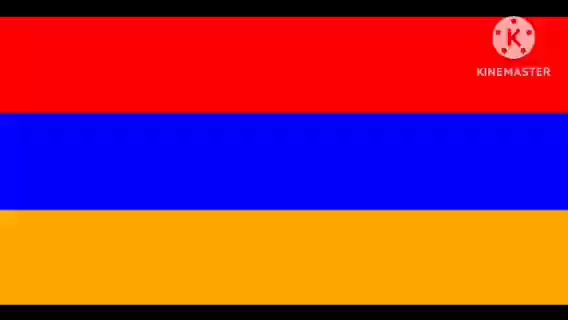
It consists of a machete and a cogwheel, symbolizing the country’s workers and industry.
- Use Online Resources: Take advantage of the many online resources available for learning about world flags. Websites like Wikipedia, Flagpedia, and World Flags 101 offer comprehensive information, detailed images, and interactive Quizzes to test your knowledge.
- Practice Regularly: Like any skill, flag identification requires regular practice. Challenge yourself to identify flags in books, magazines, and online articles. Create flashcards or use flag-identification apps to reinforce your learning and improve your recall.
- Join a Flag-Related Community: Connect with other flag enthusiasts through online forums, social media groups, or local vexillology societies. Sharing knowledge, asking questions, and participating in discussions can enhance your learning and expand your understanding of world flags.






Most people like
































Report
Please select a reason for reporting
- 13 Reasons to Switch from Snapchat to Text Messaging
- 7 Powerful Speech to Text Apps to Boost Productivity
- 10 Best Speech to Text Tools for Effortless Transcription
- 13 Free Tools to Easily Transcribe Audio to Text
- 15 Surprising Ways Google's Speech-to-Text Boosts Productivity
- 7 Best Free Online Audio to Text Transcription Tools
- 9 Tips to Transcribe Speech to Text Faster and Better
- 13 Best Speech to Text Software for Windows 10 in 2023
- 7 Tips for Choosing the Best Transcriber for Audio to Text
- 11 Reasons Why Dragon Speech-to-Text Apps are Game-Changers
- 6 Secrets to Enhance Your Speech to Text Transcription
- 6 Brilliant Ways to Boost Productivity with Talk-to-Text on Your MacBook
- 6 Ways Transcription Software Converts Audio to Text
- 8 Tips to Transcribe Speech to Text Like a Pro
- 6 Reasons IBM Watson Speech to Text is a Game-Changer
- 14 Powerful Ways Talk-to-Text Improves Your Workflow
- 12 Top Windows Speech-to-Text Software for Efficient Transcription
- 12 Game-Changing Benefits of Apple's Speech to Text Technology
- 9 Powerful Use Cases for AWS Speech to Text Technology
- 10 Easy Steps to Transcribe YouTube Videos to Text
- transcription audio en texte
- online audio transcription
- free audio file transcription
- free ai audio transcription
- audio transcription service
- audio transcription online free
- audio transcription free online
- audio to transcription software
- audio and transcript
- ai audio transcription free
- voice recording to text converter
- translate voice recording to text
- record voice to text
- audio recording to text converter
- voice recording and transcription
- chatgpt voice to text
- gmail voice to text
- speech to text reader
- speech to text ai free
- speech to talk
- Meshy AI: How to Create 3D Models from Text and Images
- How SEO and Marketing Dashboards Empower Agencies to Drive Results
- How to Use AI Tools to Find Internal Linking Opportunities Across a Business Website
- Discover Your Perfect Haircut with AI Hairstyle Apps
- Free Reputation Calculator Tools: How They're Adapting to Score AI Visibility, Not Just Rankings
- Design Professional Flyers for Free on Your Phone
- Best Free Flyer Maker Apps for Android: Design Like a Pro
- How to Know If Your Business Is Ready for an AI Customer Service Agent
- Revolutionizing Storytelling: From Novels to Screenplays with AI
- Create Engaging Animated Explainer Videos with a Free AI Tool
- Meshy AI: How to Create 3D Models from Text and Images
- ASOMobile Helps Teams Benchmark App Store Screenshots Against Competitors
- How to Match LMS Software With Your Organization's Training Plan
- Revolutionizing Email Marketing Agency with AI
- How to Convert BTC to HNT
- Unleashing the Power of AI: Cognizant's Roadmap for Transformation
- Frame to Video Review: A Practical Look at Turning Two Still Frames Into Motion
- NVIDIA NIM: Revolutionizing Supply Chain Data Analysis with AI
- Top AI Tools That Help Brands Stand Out Offline (Not Just Online)
- Top 5 Cold Email Software: Maximize Your Outreach in 2025

Copyright ©2026 toolify