































Table of Contents
- Key Points
- Understanding Cat Communication
- Cat Translator Apps: A Closer Look
- Using a Cat Translator App: A Step-by-Step Guide
- Cat Translator Apps: Weighing the Pros and Cons
- Frequently Asked Questions About Cat Translators
- Related Questions


Understanding Cat Communication
The Complexity of Feline Language
Cats communicate in a variety of ways, and meows, purrs, hisses, and growls only form a part of the equation. Body language, including tail movements, ear positioning, and facial expressions, plays a crucial role. Cats also use scent marking to communicate with each other, something obviously not replicable by an app.
Trying to understand cat language requires a deep understanding of these various communication methods, and that is what cat owners have to be aware of when attempting to use a cat translator app.
The Science (or Lack Thereof) Behind Cat Translator Apps
Many cat translator apps operate on the premise of analyzing the sound of a cat's vocalizations. They claim to compare the sound patterns to a database of known cat sounds, assigning a potential meaning. However, the scientific basis for this is often weak or nonexistent. The emotional state of the cat also has to be factored in as well.
It's crucial to remember that every cat is an individual with their own unique vocalizations and communication style. The idea that a single app can accurately Translate all cat sounds is highly improbable.
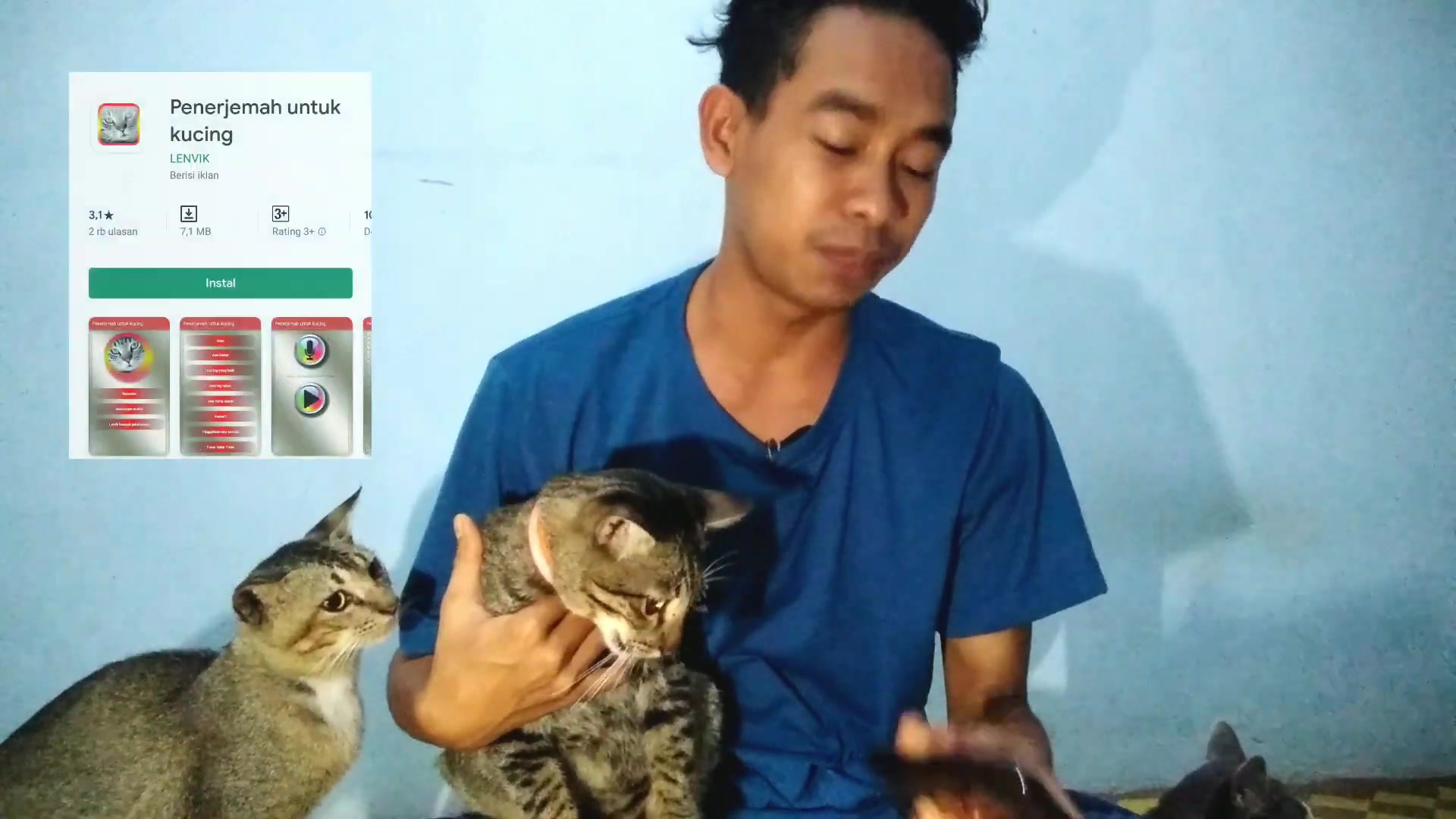
The idea of downloading an app such as Penerjemah Untuk Kucing to translate what your cat is saying is certainly tempting, but is it accurate?
Using a Cat Translator App: A Step-by-Step Guide
Step 1: Download and Install the App
Begin by searching for a cat translator app on your device's app store (e.g., Google Play Store or Apple App Store). Read reviews and consider the app's rating before downloading. Once downloaded, install the app on your smartphone or tablet.
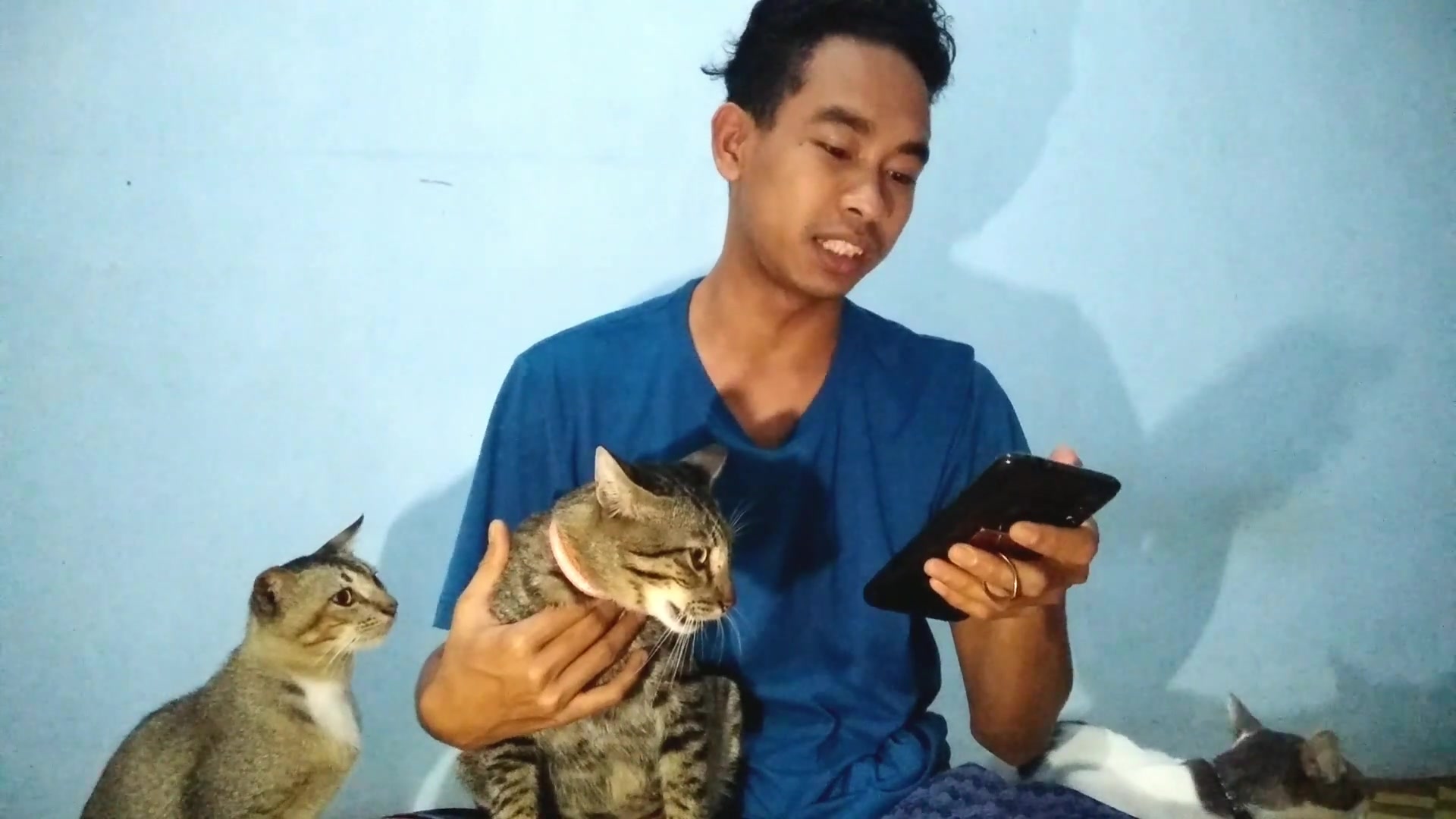
Step 2: Grant Permissions
After installing, the app will likely request permission to access your device's microphone. Grant this permission to allow the app to record your cat's vocalizations. You may also need to grant access to storage if the app saves recordings.
Step 3: Record Your Cat's Meow
When your cat meows, open the app and tap the record button. Hold your device close to your cat to capture the sound clearly. Try to minimize background noise for a more accurate analysis.
Step 4: Analyze and Interpret
After recording, the app will analyze the sound and display a potential translation. Read the interpretation carefully, but don't take it as gospel. Consider your cat's body language and the context of the situation to determine the true meaning.
Step 5: Observe and Learn
Use the app as a tool to learn more about your cat's individual communication style. Pay attention to the sounds they make in different situations and see how they match up with the app's interpretations. Over time, you'll develop a better understanding of your cat's unique language.








Most people like






























Report
Please select a reason for reporting
- 13 Reasons to Switch from Snapchat to Text Messaging
- 7 Powerful Speech to Text Apps to Boost Productivity
- 10 Best Speech to Text Tools for Effortless Transcription
- 13 Free Tools to Easily Transcribe Audio to Text
- 15 Surprising Ways Google's Speech-to-Text Boosts Productivity
- 7 Best Free Online Audio to Text Transcription Tools
- 9 Tips to Transcribe Speech to Text Faster and Better
- 13 Best Speech to Text Software for Windows 10 in 2023
- 7 Tips for Choosing the Best Transcriber for Audio to Text
- 11 Reasons Why Dragon Speech-to-Text Apps are Game-Changers
- 6 Secrets to Enhance Your Speech to Text Transcription
- 6 Brilliant Ways to Boost Productivity with Talk-to-Text on Your MacBook
- 6 Ways Transcription Software Converts Audio to Text
- 8 Tips to Transcribe Speech to Text Like a Pro
- 6 Reasons IBM Watson Speech to Text is a Game-Changer
- 14 Powerful Ways Talk-to-Text Improves Your Workflow
- 12 Top Windows Speech-to-Text Software for Efficient Transcription
- 12 Game-Changing Benefits of Apple's Speech to Text Technology
- 9 Powerful Use Cases for AWS Speech to Text Technology
- 10 Easy Steps to Transcribe YouTube Videos to Text
- transcription audio en texte
- online audio transcription
- free audio file transcription
- free ai audio transcription
- audio transcription service
- audio transcription online free
- audio transcription free online
- audio to transcription software
- audio and transcript
- ai audio transcription free
- voice recording to text converter
- translate voice recording to text
- record voice to text
- audio recording to text converter
- voice recording and transcription
- chatgpt voice to text
- gmail voice to text
- speech to text reader
- speech to text ai free
- speech to talk
- Create Engaging Animated Explainer Videos with a Free AI Tool
- Stop Multi-Subscribing: Benchmark Top AI Visual Models in One Canvas
- Best Seedance 2.5 API Provider: Every Price on the Market, Checked at Source
- AI OnlyFans: How to Generate $30,000/Month (Legally)
- Transform Your Script into an Engaging Video with AI Video Maker!
- AI Marketing Automation: A Comprehensive Guide for Small Businesses
- Midjourney Alternative for Anime Art Creators: Why PixAI May Be Better for Character Workflows
- 10 Things Most People Get Wrong About AI Image Search
- AI Girlfriend Apps: Top Choices Redefining Relationships 2025
- How to Reduce Quoting Errors in Salesforce with AI-Assisted Quote Creation
- Convert PDF to Audio: Free Urdu Text-to-Speech Tool
- Automatically Transcribe and Subtitle Audio and Video with Descript
- Revolutionize your video editing with AI-generated transcripts
- Mastering Wordpad: Essential Tips for Windows 10 Users
- AfirstSoft PDF Editor: The Ultimate PDF Solution of 2025
- UPDF: The Ultimate PDF Editor for iPadOS and macOS
- Translate PDF Documents: A Comprehensive Guide with OnlineDocTranslator
- Tenorshare PDNob PDF Editor: Smarter AI-Powered Editing
- uPDF Pro Review: AI-Powered PDF Editing for Professionals
- Master the Art of Wrapping Text in Illustrator CC

Copyright ©2026 toolify