































Table of Contents
- Key Points
- Understanding the 'Wrong Code' Error in Google Authenticator
- Step-by-Step Guide to Fixing the Google Authenticator Error
- Pros and Cons of Google Authenticator
- Frequently Asked Questions About Google Authenticator
- Related Questions


Understanding the 'Wrong Code' Error in Google Authenticator
What is the Google Authenticator 'Wrong Code' Error?
The 'wrong code, try again' error in Google Authenticator is a common issue encountered by users of two-factor authentication. This error occurs when the security code generated by the Google Authenticator app is not accepted by the service or website you are trying to access.
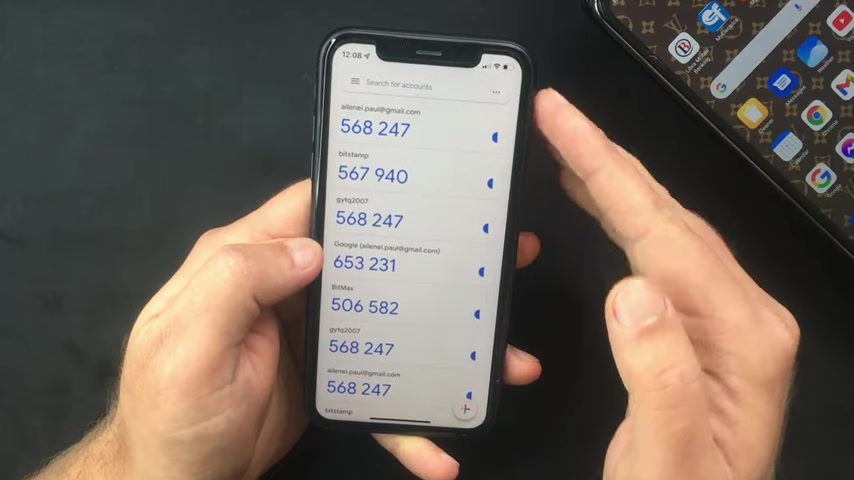
This often leads to a frustrating login experience and can prevent you from accessing important accounts. Understanding the root causes of this error is the first step towards effectively resolving it.
Google Authenticator is designed to enhance security by providing an additional layer of protection beyond just a password. It generates a unique, time-sensitive code that you must enter along with your password to verify your identity. Because these codes are time-based, synchronization issues can easily lead to errors. By addressing these issues, you can ensure a secure and hassle-free authentication process.
Keywords to consider throughout this section: Google Authenticator, wrong code error, two-factor authentication, time synchronization, security codes, login issues.
Why Does the 'Wrong Code' Error Occur?
The primary reason for the 'wrong code' error is often related to the time synchronization between your iPhone and Google's servers. Google Authenticator relies on accurate timekeeping to generate valid security codes. If your iPhone's clock is significantly out of sync, the generated codes will not match the expected values on the server-side.
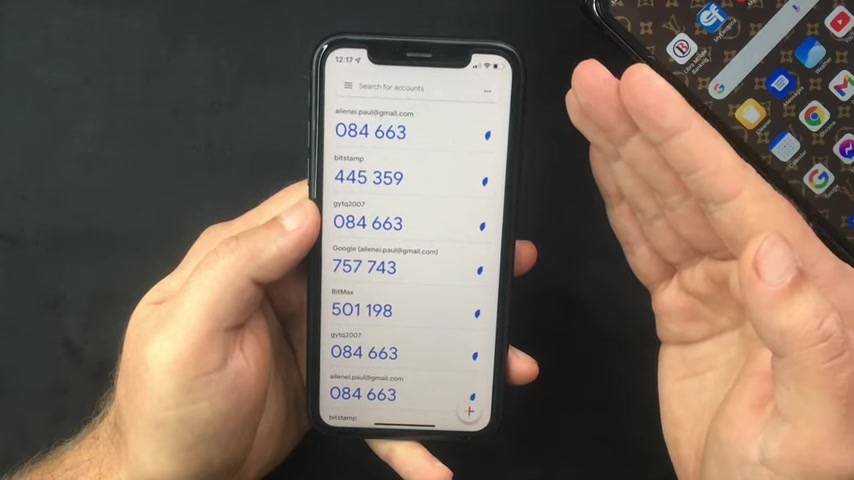
This discrepancy results in the 'wrong code' error.
Another contributing factor could be related to the internal time of the Google Authenticator app itself. While less common, the app's internal clock can drift over time, causing codes to become invalid. It is therefore imperative to ensure the local time of your phone is correct.
Furthermore, when using a secondary device, such as your computer, to log in, it’s crucial that the local time on that computer also matches your iPhone's time. This ensures that the codes generated by Google Authenticator are valid during the login attempt. In rare cases, the error may stem from the Google Authenticator app itself, warranting further troubleshooting steps such as updating or reinstalling the app.
Keywords to consider throughout this section: Google Authenticator, wrong code error, time synchronization, iPhone clock, security codes, secondary device, app update, reinstall app.
Step-by-Step Guide to Fixing the Google Authenticator Error
Method 1: Synchronizing Your iPhone's Date and Time
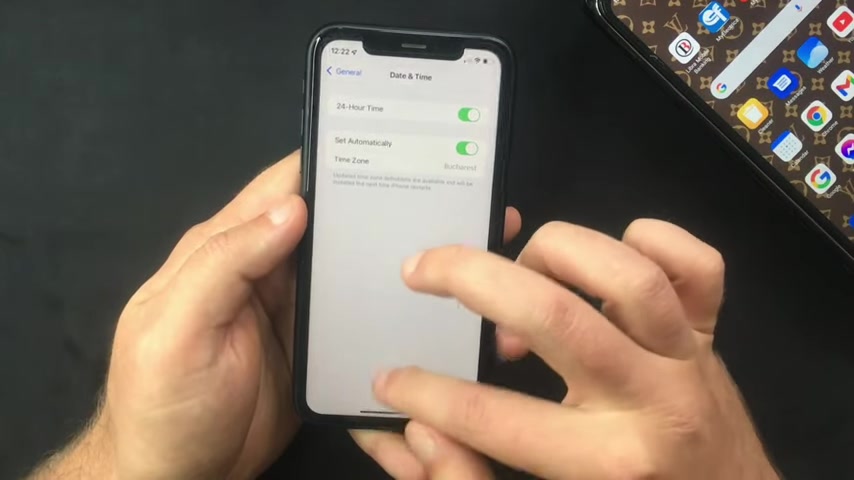
The most common and effective solution is to ensure that your iPhone's date and time are set to 'Set Automatically'. This allows your iPhone to synchronize its clock with the network, ensuring accuracy. Follow these steps:
-
Open the Settings app on your iPhone.
-
Scroll down and tap on General.
-
Tap on Date & Time.
-
Ensure the Set Automatically switch is toggled to the ON position. If it’s already on, toggle it off, wait a few seconds, and then toggle it back on. This will force your iPhone to resynchronize with the network time.
By following these steps, you can typically resolve the time synchronization issue that leads to the 'wrong code' error. If the issue persists, proceed to the next method.
Keywords to consider throughout this section: Google Authenticator, wrong code error, iPhone settings, date and time, time synchronization, set automatically.
Method 2: Restarting Your iPhone
A simple restart can often resolve minor software glitches that might be affecting the Google Authenticator app. Follow these steps:
- Press and hold either the volume button and the side button until the power-off slider appears.
- Drag the slider, then wait 30 seconds for your device to turn off.
- To turn your device back on, press and hold the side button until you see the Apple logo.
A restart clears temporary files and processes, potentially resolving any conflicts that may be causing the 'wrong code' error.
Keywords to consider throughout this section: Google Authenticator, wrong code error, restart iPhone, software glitches, temporary files, device restart.
Method 3: Updating the Google Authenticator App
An outdated version of the Google Authenticator app may contain bugs that cause the 'wrong code' error. Updating the app ensures you have the latest fixes and improvements. Follow these steps:
- Open the App Store on your iPhone.
- Tap on your profile icon at the top right corner.
- Scroll down to see pending updates and release notes. Find Google Authenticator in the list.
- Tap Update next to Google Authenticator. If there is no update available, it means you are already using the latest version.
Keeping your app up-to-date can prevent many common issues and ensure optimal performance.
Keywords to consider throughout this section: Google Authenticator, wrong code error, update app, App Store, latest version, app update.
Method 4: Offloading and Reinstalling the Google Authenticator App
If updating doesn't work, offloading and reinstalling the app can clear cached data and resolve more persistent issues. This process removes the app but keeps its data, so you won't lose your accounts. Follow these steps:
- Open the Settings app on your iPhone.
- Tap on General.
- Tap on iPhone Storage.
- Scroll down and tap on Authenticator.
- Tap Offload App and confirm.
- After offloading, tap Reinstall App.
Offloading and reinstalling can refresh the app's files and resolve deeper software problems.
Important Note: Do not delete the app from the home screen, as this will remove all data. Use the 'Offload App' feature within settings.
Keywords to consider throughout this section: Google Authenticator, wrong code error, offload app, reinstall app, cached data, iPhone storage.












Most people like


























Report
Please select a reason for reporting
- 13 Reasons to Switch from Snapchat to Text Messaging
- 7 Powerful Speech to Text Apps to Boost Productivity
- 10 Best Speech to Text Tools for Effortless Transcription
- 13 Free Tools to Easily Transcribe Audio to Text
- 15 Surprising Ways Google's Speech-to-Text Boosts Productivity
- 7 Best Free Online Audio to Text Transcription Tools
- 9 Tips to Transcribe Speech to Text Faster and Better
- 13 Best Speech to Text Software for Windows 10 in 2023
- 7 Tips for Choosing the Best Transcriber for Audio to Text
- 11 Reasons Why Dragon Speech-to-Text Apps are Game-Changers
- 6 Secrets to Enhance Your Speech to Text Transcription
- 6 Brilliant Ways to Boost Productivity with Talk-to-Text on Your MacBook
- 6 Ways Transcription Software Converts Audio to Text
- 8 Tips to Transcribe Speech to Text Like a Pro
- 6 Reasons IBM Watson Speech to Text is a Game-Changer
- 14 Powerful Ways Talk-to-Text Improves Your Workflow
- 12 Top Windows Speech-to-Text Software for Efficient Transcription
- 12 Game-Changing Benefits of Apple's Speech to Text Technology
- 9 Powerful Use Cases for AWS Speech to Text Technology
- 10 Easy Steps to Transcribe YouTube Videos to Text
- transcription audio en texte
- online audio transcription
- free audio file transcription
- free ai audio transcription
- audio transcription service
- audio transcription online free
- audio transcription free online
- audio to transcription software
- audio and transcript
- ai audio transcription free
- voice recording to text converter
- translate voice recording to text
- record voice to text
- audio recording to text converter
- voice recording and transcription
- chatgpt voice to text
- gmail voice to text
- speech to text reader
- speech to text ai free
- speech to talk
- Create Engaging Animated Explainer Videos with a Free AI Tool
- Stop Multi-Subscribing: Benchmark Top AI Visual Models in One Canvas
- Best Seedance 2.5 API Provider: Every Price on the Market, Checked at Source
- AI OnlyFans: How to Generate $30,000/Month (Legally)
- Transform Your Script into an Engaging Video with AI Video Maker!
- AI Marketing Automation: A Comprehensive Guide for Small Businesses
- Midjourney Alternative for Anime Art Creators: Why PixAI May Be Better for Character Workflows
- 10 Things Most People Get Wrong About AI Image Search
- AI Girlfriend Apps: Top Choices Redefining Relationships 2025
- How to Reduce Quoting Errors in Salesforce with AI-Assisted Quote Creation
- Convert PDF to Audio: Free Urdu Text-to-Speech Tool
- Automatically Transcribe and Subtitle Audio and Video with Descript
- Revolutionize your video editing with AI-generated transcripts
- Mastering Wordpad: Essential Tips for Windows 10 Users
- AfirstSoft PDF Editor: The Ultimate PDF Solution of 2025
- UPDF: The Ultimate PDF Editor for iPadOS and macOS
- Translate PDF Documents: A Comprehensive Guide with OnlineDocTranslator
- Tenorshare PDNob PDF Editor: Smarter AI-Powered Editing
- uPDF Pro Review: AI-Powered PDF Editing for Professionals
- Master the Art of Wrapping Text in Illustrator CC

Copyright ©2026 toolify