































Table of Contents
- Key Points
- Understanding Generative AI in Software Testing
- Step-by-Step Guide: Creating a Test Plan with Generative AI
- Step-by-Step Instructions for Integrating Generative AI into Testing Workflows
- Pricing Considerations for Generative AI Tools
- Pros and Cons of Generative AI in Software Testing
- Core Features of Generative AI Tools for Testing
- Practical Use Cases of Generative AI in Testing
- Frequently Asked Questions
- Related Questions


Understanding Generative AI in Software Testing
The Rise of Generative AI
Generative AI has significantly impacted numerous industries, and software testing is no exception. Models like ChatGPT and Microsoft Copilot are adept at understanding complex requirements and generating relevant content, making them invaluable assets in test planning and automation.
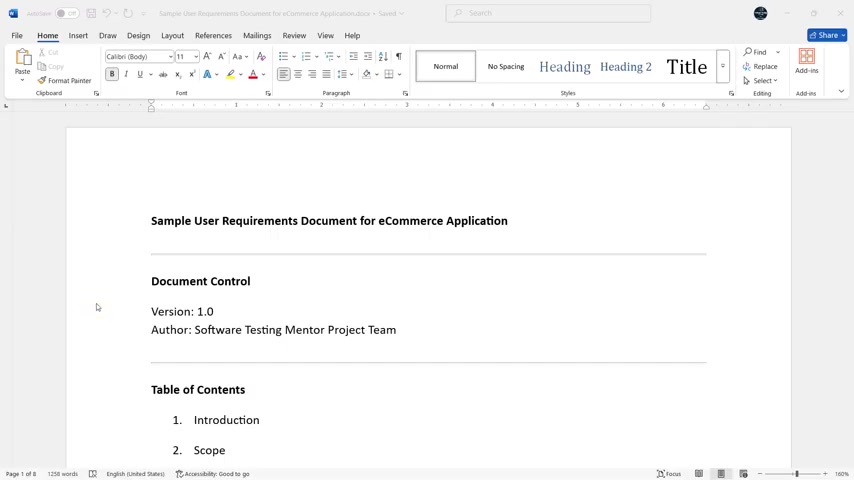
These AI tools can analyze user stories, functional specifications, and other documentation to create effective test strategies and cases.
By integrating generative AI, software testing teams can automate tasks that were previously time-consuming and prone to human error. This includes generating test data, writing test scripts, and even identifying potential risks and contingencies.
Key Benefits of Using Generative AI in Testing
Generative AI offers several key benefits for software testing, including:
- Increased Efficiency: Automates the creation of test plans and test cases, saving valuable time.
- Improved Test Coverage: Ensures more comprehensive testing by automatically generating diverse test scenarios.
- Reduced Costs: Lowers testing costs by reducing the need for manual effort.
- Enhanced Quality: Improves overall software quality through rigorous and automated testing processes.
- Faster Time to Market: Accelerates the software development lifecycle by speeding up the testing phase.
Step-by-Step Guide: Creating a Test Plan with Generative AI
Leveraging Generative AI for Test Plan Creation
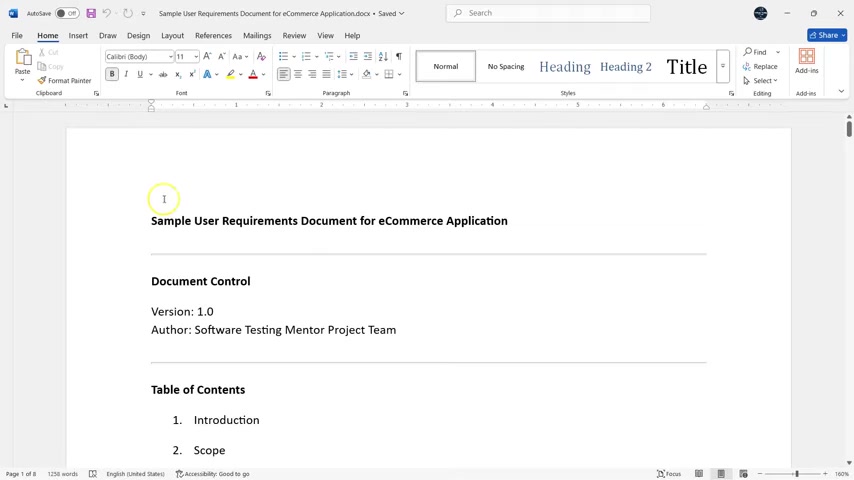
Here's a detailed guide on how to create a comprehensive test plan using generative AI, specifically using a sample user requirements document for an e-commerce application.
-
Preparing the Requirements Document: Gather all available documentation, including user stories, functional specifications, and system requirements. Ensure that the document is well-structured and clearly articulates the application's intended behavior.
-
Accessing the Generative AI Model: Choose your preferred generative AI model, such as ChatGPT or Microsoft Copilot. Ensure you have access to upload files or input text prompts.
-
Uploading the Requirements Document: Upload the requirements document to the AI model. This allows the model to analyze and understand the project's context.
-
Defining the Prompt: Craft a detailed prompt that instructs the AI model to create a test plan. Be specific about the desired output format and any specific testing standards you want to follow (e.g., IEEE 829). A good Prompt might look like this:
"Create a test plan for the attached requirements document. Use the IEEE 829 standard test plan template. Include sections for test plan identifier, test deliverables, introduction, test tasks, test items, environmental needs, features to be tested, responsibilities, features not to be tested, staffing and training needs, approach schedule, item pass/fail criteria, risks and contingencies, suspension and resumption criteria, and approvals."
-
Generating the Test Plan: Execute the prompt and allow the AI model to generate the test plan. The model will analyze the requirements document and create a structured test plan based on the specified template.
-
Reviewing and Refining the Test Plan: Carefully review the generated test plan for accuracy and completeness. Identify any gaps or areas that need improvement. Refine the test plan by adding project-specific details and addressing any unique testing requirements.
-
Adding Project-Specific Details: Include details about the testing environment, specific tools and technologies used, and any project-specific risks or contingencies. This ensures that the test plan is tailored to your project's unique needs.
-
Seeking Stakeholder Feedback: Share the refined test plan with relevant stakeholders, such as developers, project managers, and business analysts. Incorporate their feedback to ensure that the test plan is comprehensive and aligned with project goals.
-
Finalizing the Test Plan: Once you have incorporated all feedback and made any necessary adjustments, finalize the test plan and make it available to the testing team. This will serve as the guiding document for all testing activities.
Core Features of Generative AI Tools for Testing
Key Capabilities of Generative AI Models
Different generative AI models offer various features to streamline software testing processes.
-
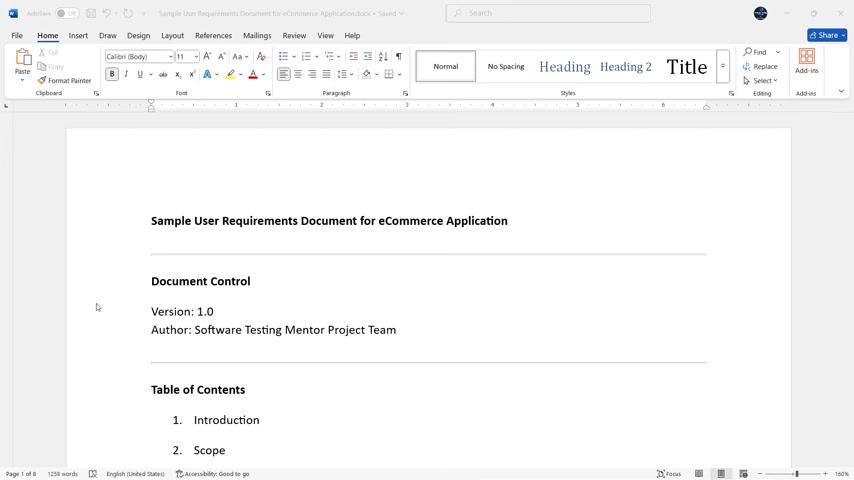
Test Case Generation: Automatically creates test cases from requirements documents, user stories, or functional specifications. This functionality ensures comprehensive test coverage and reduces manual effort.
-
Test Data Generation: Generates realistic and diverse test data sets for different testing scenarios. By automating test data creation, teams can improve the efficiency and effectiveness of their tests.
-
Defect Analysis: Analyzes defect reports and identifies patterns or trends to improve the defect resolution process. This assists developers in understanding and resolving defects more effectively.
-
Code Generation: Generates code snippets for automated tests, making it easier to write and maintain test scripts. It supports multiple programming languages and testing frameworks.
Practical Use Cases of Generative AI in Testing
Real-World Applications of Generative AI in Software Testing
Let's explore some practical use cases of generative AI in software testing.
-
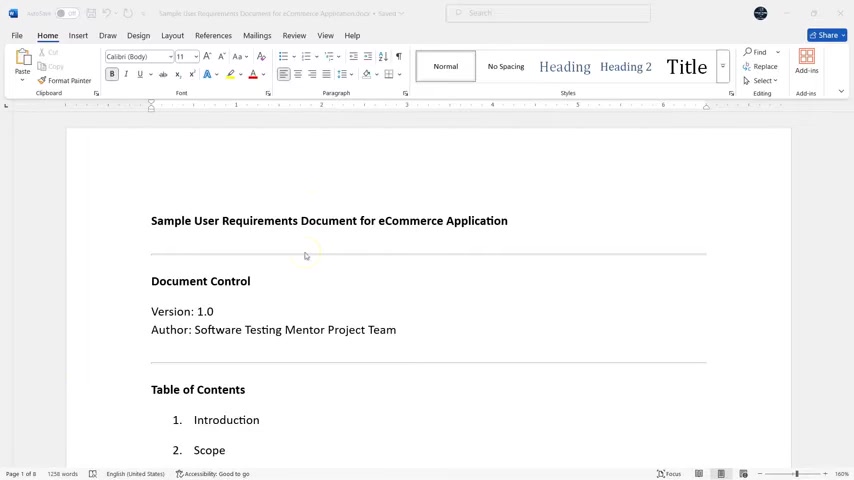
Test Plan Creation: Using the IEEE 829 standard test plan template with ChatGPT, testing teams can quickly outline test objectives, scope, and test criteria. These templates help ensure comprehensive and structured testing efforts.
-
Test Case Design: Generative AI can design test cases for each test item, helping to write detailed, scenario-based test cases by providing a clear structure and examples. Use user registration and profile management as an example for specific feature testing.
-
Test Execution: By using AI tools for testing, it helps developers to design the test data for different user personas. It also allows testing the execution with functional, integration, regression and non-functional tests.
-
Data-Driven Testing: Generative AI can provide relevant data points, such as user accounts, dummy data, product catalogs, and API stubs. This functionality helps in checking the validation of results.










Most people like


























Report
Please select a reason for reporting
- 13 Reasons to Switch from Snapchat to Text Messaging
- 7 Powerful Speech to Text Apps to Boost Productivity
- 10 Best Speech to Text Tools for Effortless Transcription
- 13 Free Tools to Easily Transcribe Audio to Text
- 15 Surprising Ways Google's Speech-to-Text Boosts Productivity
- 7 Best Free Online Audio to Text Transcription Tools
- 9 Tips to Transcribe Speech to Text Faster and Better
- 13 Best Speech to Text Software for Windows 10 in 2023
- 7 Tips for Choosing the Best Transcriber for Audio to Text
- 11 Reasons Why Dragon Speech-to-Text Apps are Game-Changers
- 6 Secrets to Enhance Your Speech to Text Transcription
- 6 Brilliant Ways to Boost Productivity with Talk-to-Text on Your MacBook
- 6 Ways Transcription Software Converts Audio to Text
- 8 Tips to Transcribe Speech to Text Like a Pro
- 6 Reasons IBM Watson Speech to Text is a Game-Changer
- 14 Powerful Ways Talk-to-Text Improves Your Workflow
- 12 Top Windows Speech-to-Text Software for Efficient Transcription
- 12 Game-Changing Benefits of Apple's Speech to Text Technology
- 9 Powerful Use Cases for AWS Speech to Text Technology
- 10 Easy Steps to Transcribe YouTube Videos to Text
- transcription audio en texte
- online audio transcription
- free audio file transcription
- free ai audio transcription
- audio transcription service
- audio transcription online free
- audio transcription free online
- audio to transcription software
- audio and transcript
- ai audio transcription free
- voice recording to text converter
- translate voice recording to text
- record voice to text
- audio recording to text converter
- voice recording and transcription
- chatgpt voice to text
- gmail voice to text
- speech to text reader
- speech to text ai free
- speech to talk
- Create Engaging Animated Explainer Videos with a Free AI Tool
- Stop Multi-Subscribing: Benchmark Top AI Visual Models in One Canvas
- Best Seedance 2.5 API Provider: Every Price on the Market, Checked at Source
- AI OnlyFans: How to Generate $30,000/Month (Legally)
- Transform Your Script into an Engaging Video with AI Video Maker!
- AI Marketing Automation: A Comprehensive Guide for Small Businesses
- Midjourney Alternative for Anime Art Creators: Why PixAI May Be Better for Character Workflows
- 10 Things Most People Get Wrong About AI Image Search
- AI Girlfriend Apps: Top Choices Redefining Relationships 2025
- How to Reduce Quoting Errors in Salesforce with AI-Assisted Quote Creation
- Convert PDF to Audio: Free Urdu Text-to-Speech Tool
- Automatically Transcribe and Subtitle Audio and Video with Descript
- Revolutionize your video editing with AI-generated transcripts
- Mastering Wordpad: Essential Tips for Windows 10 Users
- AfirstSoft PDF Editor: The Ultimate PDF Solution of 2025
- UPDF: The Ultimate PDF Editor for iPadOS and macOS
- Translate PDF Documents: A Comprehensive Guide with OnlineDocTranslator
- Tenorshare PDNob PDF Editor: Smarter AI-Powered Editing
- uPDF Pro Review: AI-Powered PDF Editing for Professionals
- Master the Art of Wrapping Text in Illustrator CC

Copyright ©2026 toolify