































Table of Contents
- Key Points
- Understanding Prompt Engineering
- Advanced Prompt Engineering Techniques
- Step-by-Step Guide to Prompt Engineering
- Pricing and LLM Options
- LLMs' Use in the workplace, Pros and Cons
- Key Features of LLMs for Prompt Engineering
- Real-World Applications of Prompt Engineering
- FAQ
- Related Questions



Understanding Prompt Engineering
What is a Prompt Engineer?
A Prompt engineer is the master of communication with AI. They are responsible for crafting and refining prompts that elicit the desired responses from Large Language Models (LLMs).
This involves a deep understanding of how AI models interpret language and how to structure prompts to achieve specific outcomes. Prompt engineers employ a range of techniques, including A/B testing, to optimize prompts for various applications. For example, a company might employ a prompt engineer to enhance the prompts used in their Customer Service chatbot, ensuring more accurate and helpful interactions. A key component of a prompt engineer's work is understanding and overcoming the biases inherent in AI models, as the following sections will explore in more detail. As technology advances, prompt engineering skill sets are becoming more and more valuable and essential for optimal AI use.
The Art of A/B Testing Prompts
A/B testing is at the heart of prompt engineering. It involves creating multiple versions of a prompt and comparing their performance to identify the most effective variation.
For example, you might ask an AI to summarize a document in two different ways, then assess which summary is more concise and accurate. By systematically testing and refining prompts, you can significantly improve the quality of AI-generated content. One approach is to try asking the AI the same question in completely different ways to observe the change in output. The best version of the prompt can then be put into regular use.
Advanced Prompt Engineering Techniques
Harnessing the Power of Emotional Weighting and Capitalization
While using polite phrases like "please" and "thank you" may not directly improve AI responses, it's important to understand the impact of emotional weighting and capitalization.
Expressing emotion in your prompts, particularly through the use of all-caps, can sometimes enhance AI performance. For example, emphasizing the importance of a task by writing "THIS IS VERY IMPORTANT FOR MY CAREER" can lead the AI to perform more diligently. LLMs are trained with internet texts and respond differently to emotion that it finds in those texts. Therefore, understanding how to use emotional weight is an important skill to make your prompts even more effective.
The Strategy of Role-Playing in Prompts
Instructing the AI to "Imagine that you are an experienced astrophysicist" can be a useful strategy, but it's often more effective to simply state the role directly.
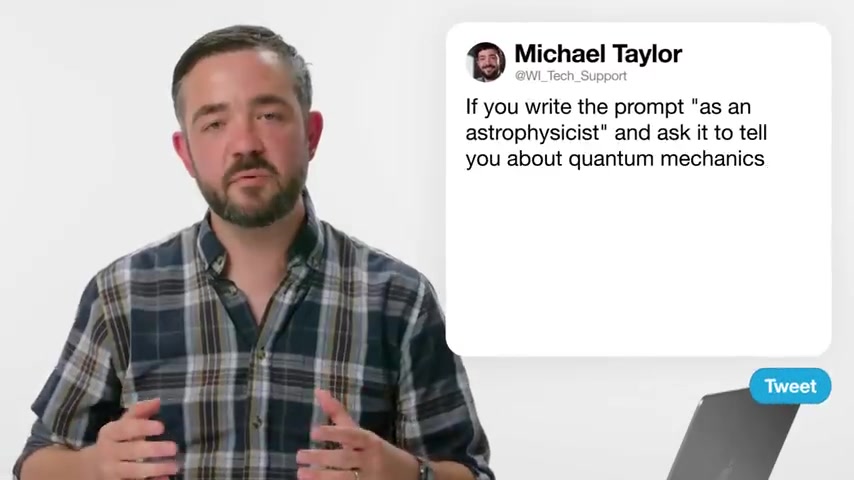
For example, beginning your prompt with "As a five year old, tell me about quantum mechanics in two sentences." Saying "As an astrophysicist, tell me about quantum mechanics in two lines." instead of including the WORD "imagine" can provide clearer context. Directly assigning a role allows the AI to tailor its response accordingly, using appropriate language and Knowledge Base.
Navigating Negative Prompts
Negative prompts are a valuable tool for refining AI-generated content, especially in image generation.
By specifying what you don't want, you can guide the AI away from undesirable elements. For example, when generating an image of an oil painting in a gallery, you can use a negative prompt to exclude frames, resulting in a more focused and desired image. This is very useful in AI, as each part of the prompt are positively weighted.








Most people like


































Report
Please select a reason for reporting
- 13 Reasons to Switch from Snapchat to Text Messaging
- 7 Powerful Speech to Text Apps to Boost Productivity
- 10 Best Speech to Text Tools for Effortless Transcription
- 13 Free Tools to Easily Transcribe Audio to Text
- 15 Surprising Ways Google's Speech-to-Text Boosts Productivity
- 7 Best Free Online Audio to Text Transcription Tools
- 9 Tips to Transcribe Speech to Text Faster and Better
- 13 Best Speech to Text Software for Windows 10 in 2023
- 7 Tips for Choosing the Best Transcriber for Audio to Text
- 11 Reasons Why Dragon Speech-to-Text Apps are Game-Changers
- 6 Secrets to Enhance Your Speech to Text Transcription
- 6 Brilliant Ways to Boost Productivity with Talk-to-Text on Your MacBook
- 6 Ways Transcription Software Converts Audio to Text
- 8 Tips to Transcribe Speech to Text Like a Pro
- 6 Reasons IBM Watson Speech to Text is a Game-Changer
- 14 Powerful Ways Talk-to-Text Improves Your Workflow
- 12 Top Windows Speech-to-Text Software for Efficient Transcription
- 12 Game-Changing Benefits of Apple's Speech to Text Technology
- 9 Powerful Use Cases for AWS Speech to Text Technology
- 10 Easy Steps to Transcribe YouTube Videos to Text
- transcription audio en texte
- online audio transcription
- free audio file transcription
- free ai audio transcription
- audio transcription service
- audio transcription online free
- audio transcription free online
- audio to transcription software
- audio and transcript
- ai audio transcription free
- voice recording to text converter
- translate voice recording to text
- record voice to text
- audio recording to text converter
- voice recording and transcription
- chatgpt voice to text
- gmail voice to text
- speech to text reader
- speech to text ai free
- speech to talk
- How SEO and Marketing Dashboards Empower Agencies to Drive Results
- How to Use AI Tools to Find Internal Linking Opportunities Across a Business Website
- Discover Your Perfect Haircut with AI Hairstyle Apps
- Free Reputation Calculator Tools: How They're Adapting to Score AI Visibility, Not Just Rankings
- Design Professional Flyers for Free on Your Phone
- Best Free Flyer Maker Apps for Android: Design Like a Pro
- How to Know If Your Business Is Ready for an AI Customer Service Agent
- Revolutionizing Storytelling: From Novels to Screenplays with AI
- Create Engaging Animated Explainer Videos with a Free AI Tool
- Stop Multi-Subscribing: Benchmark Top AI Visual Models in One Canvas
- My Brand New Logo: AI-Powered Logo Design for Startups
- Create Stunning Logos with Free AI Logo Generator!
- AI Logo Maker: Design a Stunning Logo in Minutes
- Elevate Your Zoom Experience with Enhanced Name Tags by Warmly
- Top 5 AI Logo Makers in 2025: Design a Stunning Brand
- Creative Fabrica's AI Tools: Flow, Studio, and Font Generator
- Create Stunning Logos with Canva's Free AI Logo Generator
- Create Professional and Memorable Logos with LogoMaker.ai
- Design Your Own Font: A Step-by-Step Guide with Vectornator Pro
- AI Font Generator: Revolutionizing Typeface Design with AI

Copyright ©2026 toolify