































Table of Contents
- Key Points
- The Basics of Central Pattern Generators
- CPG Organization and Function
- Evaluating Central Pattern Generators
- Frequently Asked Questions about CPGs
- Related Questions about the Future of CPG Research



The Basics of Central Pattern Generators
What are Central Pattern Generators (CPGs)?
Central pattern generators (CPGs) are neural circuits located in the spinal cord and brainstem that are capable of producing rhythmic motor patterns.

These patterns can drive repetitive movements such as walking, swimming, flying, breathing, and chewing. A key feature of CPGs is their ability to generate these rhythmic patterns autonomously, without requiring continuous sensory input or descending commands from the brain. This intrinsic rhythmicity allows for efficient and coordinated motor control. The central Pattern Generator is a crucial element for animals to create rhythm.
CPGs are comprised of interconnected neurons that form oscillating circuits. These circuits typically include excitatory and inhibitory interneurons, which interact to generate alternating patterns of activity. The specific organization and properties of CPG circuits vary depending on the type of rhythmic behavior they control. However, common features include:
- Pacemaker neurons: These neurons have intrinsic oscillatory properties, meaning they can generate rhythmic bursts of action potentials on their own. They act as the 'clock' for the CPG circuit, setting the frequency and timing of the rhythmic output.
- Reciprocal inhibition: This involves two or more groups of neurons that inhibit each other. When one group is active, it suppresses the activity of the other group, and vice versa. This creates alternating patterns of activity that drive rhythmic movements.
CPGs are modulated by sensory feedback and descending commands from the brain. Sensory feedback provides information about the environment and the body's position, allowing the CPG to adjust its output to maintain coordination and stability. Descending commands from the brain can initiate, terminate, and modulate the activity of CPGs, allowing for voluntary control of rhythmic movements. Central Pattern Generators offer solutions to animal movement.
Self-Sustaining Rhythms Without Sensory Input
One of the most remarkable features of CPGs is their ability to generate rhythmic motor outputs even in the absence of sensory input.
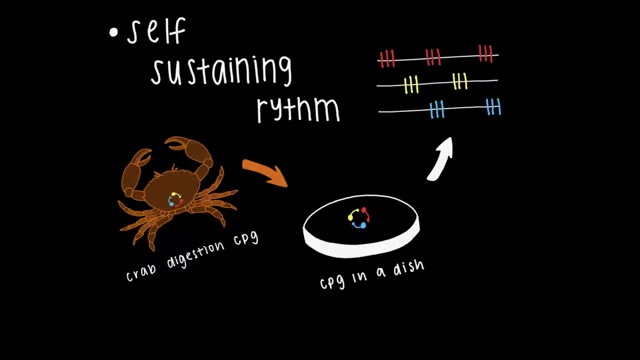
This has been demonstrated in numerous experiments where sensory nerves are severed or blocked, yet the CPG continues to produce rhythmic activity. This property is crucial for generating robust and coordinated movements in situations where sensory information may be limited or unreliable.
This self-sustaining rhythmicity arises from the intrinsic properties of the CPG circuit itself. The specific connections between neurons, the presence of pacemaker neurons, and the interplay of excitation and inhibition all contribute to the generation of rhythmic activity. Once activated, the CPG circuit will continue to oscillate, producing rhythmic motor outputs until it is actively suppressed or modulated by external signals.
The ability of CPGs to function without sensory input does not mean that sensory feedback is unimportant. Sensory feedback plays a critical role in shaping and refining the rhythmic output of CPGs. It provides information about the environment, the body's position, and the success of the movement. This information is used by the CPG to adjust its output, ensuring that the movement is accurate, stable, and appropriate for the situation.
Pacemaker Neurons: Setting the Rhythm
Pacemaker neurons are a key component of many CPG circuits.
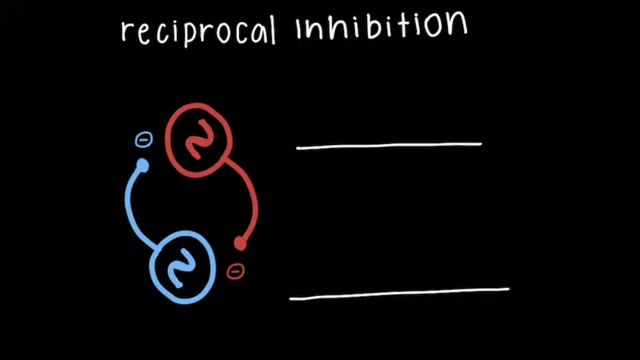
These specialized neurons possess intrinsic oscillatory properties, meaning they can generate rhythmic bursts of action potentials on their own. They act as the central 'clock' for the CPG, setting the frequency and timing of the rhythmic output.
The oscillatory properties of pacemaker neurons arise from the specific combination of ion channels and chemical receptors present in their cell membranes. These channels and receptors control the flow of ions into and out of the neuron, creating fluctuations in the membrane potential that lead to rhythmic bursts of activity. The specific types and distributions of ion channels and receptors vary depending on the type of pacemaker neuron and the rhythmic behavior it controls.
Pacemaker neurons can influence the activity of other neurons in the CPG circuit through synaptic connections. They can excite or inhibit other neurons, depending on the type of neurotransmitter they release and the receptors present on the target neurons. By modulating the activity of other neurons, pacemaker neurons can shape the overall rhythmic output of the CPG.
Reciprocal Inhibition: Alternating Activity
Reciprocal inhibition is another common mechanism for generating rhythmic activity in CPG circuits.
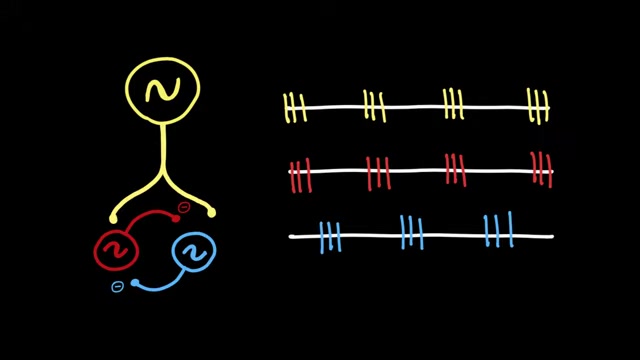
This involves two or more groups of neurons that inhibit each other. When one group is active, it suppresses the activity of the other group, and vice versa. This creates alternating patterns of activity that drive rhythmic movements.
The inhibitory connections between neurons in a reciprocal inhibition circuit are typically mediated by the neurotransmitter GABA. When one neuron releases GABA, it binds to receptors on the target neuron, hyperpolarizing the membrane and making it less likely to fire an action potential. This effectively shuts down the activity of the target neuron.
The alternating patterns of activity in a reciprocal inhibition circuit can be sustained by a number of mechanisms. One mechanism is the gradual decay of inhibition. As the active neuron continues to inhibit the target neuron, the inhibition gradually wears off, allowing the target neuron to escape inhibition and become active. Another mechanism is the presence of feedback loops that amplify the alternating activity.
CPG Organization and Function
Examples of CPG-Controlled Behaviors
CPGs are involved in a wide variety of rhythmic behaviors in animals, including:
- Locomotion: Walking, running, swimming, and flying are all driven by CPGs located in the spinal cord and brainstem.

These CPGs coordinate the activity of multiple muscles to produce the alternating movements of the limbs or body.
- Breathing: The rhythmic contractions of the diaphragm and other respiratory muscles are controlled by a CPG located in the brainstem. This CPG generates the alternating patterns of activity that drive inspiration and expiration. The neural circuits make this process occur so often.
- Chewing: The rhythmic movements of the jaw muscles during chewing are controlled by a CPG located in the brainstem. This CPG coordinates the activity of multiple muscles to produce the alternating movements of opening and closing the jaw. This digestion movement is all thanks to the central pattern generator.
- Digestion: Many digestive processes are rhythmic, such as peristalsis in the intestines. These rhythms are often controlled by CPGs located in the gut. It occurs very quickly once started.
- Communication: Some forms of animal communication, such as bird song and insect stridulation, involve rhythmic patterns of muscle activity that are controlled by CPGs.
CPGs in Distributed Nervous Systems
In animals with distributed nervous systems, such as insects and worms, CPGs may be organized in a modular fashion. Each ganglion (a cluster of neurons) may contain its own mini-CPG, which controls the rhythmic movements of that segment of the body. These individual CPGs must coordinate with each other to produce coordinated movements of the entire body.
The coordination between CPGs in different ganglia can be achieved through a variety of mechanisms. One mechanism is the presence of interneurons that connect the CPGs in different ganglia. These interneurons can transmit excitatory or inhibitory signals, allowing the CPGs to synchronize their activity. Another mechanism is the use of sensory feedback. Sensory receptors in one part of the body can provide information about the movement of that part of the body to CPGs in other parts of the body, allowing them to adjust their activity accordingly.





Most people like







































Report
Please select a reason for reporting
- 13 Reasons to Switch from Snapchat to Text Messaging
- 7 Powerful Speech to Text Apps to Boost Productivity
- 10 Best Speech to Text Tools for Effortless Transcription
- 13 Free Tools to Easily Transcribe Audio to Text
- 15 Surprising Ways Google's Speech-to-Text Boosts Productivity
- 7 Best Free Online Audio to Text Transcription Tools
- 9 Tips to Transcribe Speech to Text Faster and Better
- 13 Best Speech to Text Software for Windows 10 in 2023
- 7 Tips for Choosing the Best Transcriber for Audio to Text
- 11 Reasons Why Dragon Speech-to-Text Apps are Game-Changers
- 6 Secrets to Enhance Your Speech to Text Transcription
- 6 Brilliant Ways to Boost Productivity with Talk-to-Text on Your MacBook
- 6 Ways Transcription Software Converts Audio to Text
- 8 Tips to Transcribe Speech to Text Like a Pro
- 6 Reasons IBM Watson Speech to Text is a Game-Changer
- 14 Powerful Ways Talk-to-Text Improves Your Workflow
- 12 Top Windows Speech-to-Text Software for Efficient Transcription
- 12 Game-Changing Benefits of Apple's Speech to Text Technology
- 9 Powerful Use Cases for AWS Speech to Text Technology
- 10 Easy Steps to Transcribe YouTube Videos to Text
- transcription audio en texte
- online audio transcription
- free audio file transcription
- free ai audio transcription
- audio transcription service
- audio transcription online free
- audio transcription free online
- audio to transcription software
- audio and transcript
- ai audio transcription free
- voice recording to text converter
- translate voice recording to text
- record voice to text
- audio recording to text converter
- voice recording and transcription
- chatgpt voice to text
- gmail voice to text
- speech to text reader
- speech to text ai free
- speech to talk
- How SEO and Marketing Dashboards Empower Agencies to Drive Results
- How to Use AI Tools to Find Internal Linking Opportunities Across a Business Website
- Discover Your Perfect Haircut with AI Hairstyle Apps
- Free Reputation Calculator Tools: How They're Adapting to Score AI Visibility, Not Just Rankings
- Design Professional Flyers for Free on Your Phone
- Best Free Flyer Maker Apps for Android: Design Like a Pro
- How to Know If Your Business Is Ready for an AI Customer Service Agent
- Revolutionizing Storytelling: From Novels to Screenplays with AI
- Create Engaging Animated Explainer Videos with a Free AI Tool
- Stop Multi-Subscribing: Benchmark Top AI Visual Models in One Canvas
- Revolutionize Learning: Discover Quizzes AI for Engaging Interactive Quizzes
- From AI-Generated to Audience-Ready: How Quillbot Humanize AI Is Changing the Content Editing Process
- Building an AI Writing Stack in 2026: LLMs, Detectors, and Humanizers
- 7 Top AI-Powered Database Assistant Platforms
- An Objective Look at Modern Web-Based Visual Modifications
- My Honest Experience with VideoAI: The Secret Weapon for Creators Who Need Character Voices
- 5 Data Problems That Stall AI Projects in Financial Compliance
- The Future of Smart Glasses: Explained & Assembling Guide
- DeepL Translator: The AI-Powered Translation Tool
- AI Video Upscaling: Top Tools Compared for Enhanced Quality

Copyright ©2026 toolify