






















Unlocking Creativity: Exploring Optical Illusions & Visual Art

Updated on Jun 19,2025

Optical illusions have captivated artists, designers, and the public for centuries. These visual tricks play with our perception, leading us to see things that aren't quite as they appear. This article explores the captivating world of optical illusions, their application in various art forms, and how they can inspire creativity. We'll delve into anamorphic art, explore hidden images, and discuss how understanding visual perception can unlock new artistic potential.

Key Points

Optical illusions exploit how our brains process visual information, creating perceptual distortions.

Anamorphic art uses distorted projections to create illusions that appear correct from a specific viewpoint.

Hidden images and ambiguous figures challenge our brains to find different interpretations within a single artwork.

Understanding Gestalt principles and other perceptual theories can enhance an artist's ability to create compelling illusions.

Optical illusions are used in graphic design, architecture, and other fields to create visual interest and manipulate perception.

The Allure of Optical Illusions: A Visual Deception

What are Optical Illusions?

Optical illusions, also known as visual illusions, are perceptual experiences where what we see differs from objective reality. These illusions arise from the way our brains process visual information. The human visual system is not a passive recorder of images; instead, it actively interprets and organizes what we see, often making assumptions and filling in missing information. This active processing can lead to distortions in our Perception of size, Shape, color, motion, and depth.

There are several types of optical illusions. Physiological illusions result from the physical structure of the eye or the neural pathways that carry visual information to the brain. Examples include afterimages, where we continue to see an image after the stimulus has been removed, and motion aftereffects, where we perceive motion in a stationary object after looking at a moving object for a while. Cognitive illusions, on the other HAND, arise from our prior knowledge, expectations, and assumptions about the world. These illusions demonstrate how our brains actively construct our visual reality, rather than simply reflecting it.

Optical illusions serve as a valuable tool for understanding how our brains work, offering insights into perception, cognition, and consciousness. By studying these fascinating phenomena, we can gain a deeper appreciation for the complexities of the human visual system and the ways in which our brains shape our experience of the world.

The interplay of light, shadow, and perspective often contributes to the effectiveness of an optical illusion, enhancing its ability to mislead the eye and challenge the viewer's perceptions. The most common types of optical illusions are visual, however, there are auditory, tactile and even olfactory illusions that challenge our senses and push the boundaries of our awareness and understanding.

The History of Optical Illusions in Art

The use of optical illusions in art dates back centuries, with artists throughout history employing various techniques to create visual trickery and engage viewers' minds. From ancient frescoes to modern masterpieces, optical illusions have served as a powerful tool for artists to challenge perceptions, Evoke emotions, and convey meaning.

One of the earliest examples of optical illusions in art can be found in ancient Greek and Roman architecture, where architects used techniques such as entasis (the slight curvature of columns) to create the illusion of perfect straightness. In Renaissance art, artists mastered the principles of linear perspective to create realistic depictions of three-dimensional space on a two-dimensional surface. This technique relies on the viewer's perception of depth and distance to create the illusion of realism.

During the Baroque period, artists explored more elaborate forms of optical illusion, such as trompe-l'œil (French for 'deceive the eye'), which involves creating Hyper-realistic paintings that appear to be three-dimensional objects or scenes. Trompe-l'œil paintings were often used to decorate walls and ceilings, blurring the line between art and reality.

In the 20th century, optical illusions gained even greater prominence in art, with artists like M.C. Escher and Salvador Dalí creating mind-bending works that challenged viewers' perceptions of space, perspective, and reality. Escher's lithographs and woodcuts often featured impossible constructions, tessellations, and recursive Patterns that defied logic and reason. Dalí, on the other hand, incorporated optical illusions into his surrealist paintings to create dreamlike and unsettling imagery. He would often manipulate perspective and Scale to create a sense of disorientation and unease.

Today, optical illusions continue to inspire artists across a wide range of media, from painting and sculpture to digital art and installation art. Artists are constantly pushing the boundaries of visual perception, creating new and innovative ways to trick the eye and engage viewers' minds. By manipulating light, shadow, color, and perspective, artists can create illusions that challenge our assumptions about the world and invite us to question the nature of reality.

Understanding the Science Behind Visual Perception

To truly appreciate the power of optical illusions, it's essential to understand the science behind visual perception. Our brains don't just passively Record images; they actively interpret and organize visual information, often making assumptions and filling in missing details. This active processing is what allows us to perceive the world around us, but it can also lead to distortions and errors in our perception.

Several key principles govern visual perception. Gestalt principles, for example, describe how our brains tend to group visual elements together based on proximity, similarity, closure, and other factors. These principles explain why we often see patterns and shapes in random arrangements of objects. Depth perception is another crucial aspect of visual perception, allowing us to perceive the world in three Dimensions. Our brains use a variety of cues to infer depth, including binocular disparity (the slight difference between the images seen by our two eyes), linear perspective, and relative size.

Color perception is also a complex process, involving the interaction of light, our eyes, and our brains. Our eyes contain specialized cells called cones that are sensitive to different wavelengths of light. These cones send signals to our brains, which interpret the signals as different colors. However, color perception is also influenced by context and surrounding colors, which can lead to illusions such as color constancy (the tendency to perceive the color of an object as constant even when the lighting changes).

By understanding these principles and others, artists and designers can create optical illusions that effectively trick the eye and engage viewers' minds. By manipulating visual cues and exploiting the brain's tendency to make assumptions, they can create illusions of depth, movement, and other visual effects.

The human visual system is not merely a camera that passively records images, but rather an active interpreter that constructs our visual reality. Understanding the complexities of visual perception is essential for artists and designers who Seek to create compelling and engaging optical illusions.

Exploring Different Types of Optical Illusions in Art

Anamorphic Art: Perspective's Deceptive Dance

Anamorphic art is a fascinating form of optical illusion that involves creating distorted projections that appear correct only when viewed from a specific vantage point.
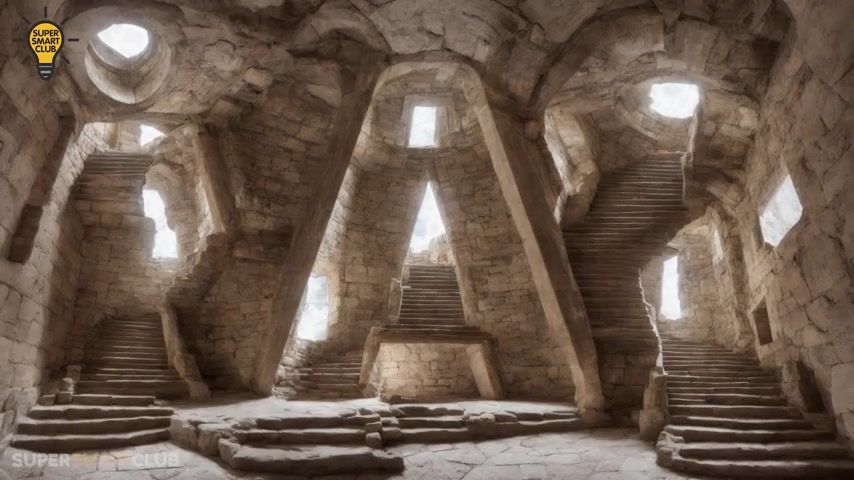
This technique has been used by artists for centuries to create mind-bending works that challenge viewers' perceptions of space and perspective.

The history of anamorphic art can be traced back to the Renaissance, when artists began experimenting with perspective and distortion to create illusionistic effects. One of the earliest examples of anamorphic art is Leonardo da Vinci's 'Eye of the Artist,' a drawing that appears distorted when viewed straight on but reveals a perfect representation of an eye when viewed from a specific angle.

During the Baroque period, anamorphic art became even more popular, with artists creating elaborate anamorphic paintings that adorned the walls and ceilings of grand palaces and cathedrals. These paintings were often designed to be viewed from a specific location within the room, creating a sense of awe and wonder for those who witnessed them.

Today, anamorphic art continues to inspire artists across a wide range of media, from painting and sculpture to digital art and installation art. Artists are constantly pushing the boundaries of this technique, creating new and innovative ways to distort space and challenge viewers' perceptions.

There are two main types of anamorphic art: perspective anamorphosis and mirror anamorphosis. Perspective anamorphosis involves creating a distorted projection that appears correct when viewed from a specific angle, while mirror anamorphosis involves creating a distorted projection that appears correct when viewed in a curved mirror. Both techniques require careful planning and execution to achieve the desired illusionistic effect.

To create anamorphic art, artists typically use a GRID or mathematical formula to distort the image. They then transfer the distorted image onto a surface, such as a canvas, wall, or floor. When viewed from the correct vantage point, the distorted image appears to pop into alignment, creating a sense of realism and depth.

Anamorphic art is a powerful tool for artists who want to challenge viewers' perceptions of space and perspective. By distorting reality in a controlled way, artists can create mind-bending works that engage viewers' minds and invite them to question the nature of reality.

Hidden Images and Ambiguous Figures: A Game of Perception

Hidden images and ambiguous figures are another type of optical illusion that challenges our brains to find different interpretations within a single artwork.
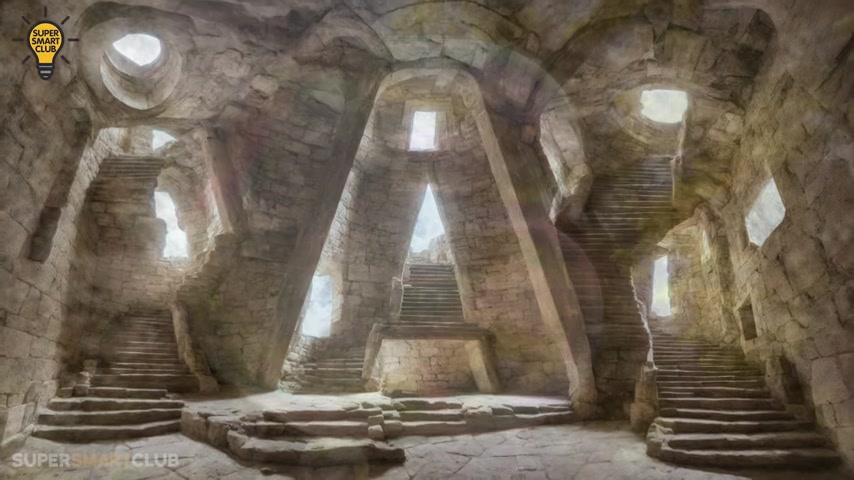
These illusions often rely on the viewer's ability to perceive multiple shapes, patterns, or objects within the same image, creating a sense of ambiguity and visual intrigue.

One of the most famous examples of a hidden image is the 'Rubin vase,' a classic optical illusion that can be seen as either a vase or two faces in profile. This illusion demonstrates how our brains can switch between different interpretations of the same image, depending on which elements we focus on.

Another well-known example of an ambiguous figure is the 'Necker cube,' a line drawing of a cube that can be perceived in two different orientations. This illusion highlights the fact that our brains actively construct our perception of depth, rather than simply Recording it.

Hidden images and ambiguous figures have been used by artists throughout history to create works that are both visually engaging and intellectually stimulating. These illusions can add layers of meaning to an artwork, inviting viewers to look more closely and consider different interpretations.

To create hidden images and ambiguous figures, artists often use techniques such as camouflage, steganography, and figure-ground reversal. Camouflage involves disguising an object or shape by blending it into its surroundings, while steganography involves hiding a message or image within another image. Figure-ground reversal involves creating an image in which the figure and ground can be perceived in two different ways.

Hidden images and ambiguous figures are a powerful tool for artists who want to engage viewers' minds and challenge their perceptions. By creating works that can be interpreted in multiple ways, artists can invite viewers to question the nature of reality and explore the boundaries of visual perception.

Impossible Objects: Defying the Laws of Physics

Impossible objects are optical illusions that depict objects or structures that cannot exist in the real world. These illusions often violate the laws of physics, creating a sense of paradox and visual contradiction. Impossible objects have been used by artists to create mind-bending works that challenge viewers' perceptions of space, perspective, and reality.

One of the most famous examples of an impossible object is the 'Penrose triangle,' a triangular shape that appears to be three-dimensional but cannot be constructed in the real world. This illusion was popularized by mathematician Roger Penrose and artist M.C. Escher, who incorporated it into several of his works.

Another well-known example of an impossible object is the 'Escher's Waterfall,' a lithograph by M.C. Escher that depicts a waterfall flowing uphill. This illusion creates a sense of paradox and visual contradiction, challenging viewers' assumptions about gravity and perspective.

Impossible objects have been used by artists to create works that are both visually intriguing and conceptually complex. These illusions can add layers of meaning to an artwork, inviting viewers to question the nature of reality and explore the boundaries of human perception.

To create impossible objects, artists often use techniques such as distortion, perspective manipulation, and visual contradiction. By carefully manipulating these elements, they can create illusions that appear to be both logical and impossible at the same time.

Impossible objects are a powerful tool for artists who want to challenge viewers' perceptions of space, perspective, and reality. By creating works that defy the laws of physics, artists can invite viewers to question the nature of the world and explore the limits of human imagination.


How to Create Your Own Optical Illusions

Understanding Basic Principles

Before diving into creating optical illusions, it's crucial to grasp the fundamental principles that make them work. Familiarize yourself with Gestalt principles, depth cues, and color perception. These elements are the building blocks of visual deception. Experiment with different techniques like manipulating perspective, using contrasting colors, and creating patterns that trick the eye. Understanding how these principles interact will allow you to craft more effective and compelling illusions.

Step-by-Step Guide to Anamorphic Art

Anamorphic art is a captivating way to create illusions that reveal themselves from a specific viewpoint. Here’s a step-by-step guide to get you started:

  1. Choose Your Subject: Select a simple image or shape to distort. Start with something basic to understand the process.
  2. Establish a Viewpoint: Decide where the viewer needs to stand to see the illusion correctly. This point is crucial for the entire process.
  3. Create a Grid: Draw a grid on your original image and a distorted grid on the surface where you'll create the anamorphosis. The distortion of the Second grid depends on your chosen viewpoint. This grid is what will help you keep everything in proportion.
  4. Transfer the Image: Carefully transfer the image from the original grid to the distorted grid, square by square. This is where the illusion starts to take shape.
  5. Refine and Detail: Once you've transferred the basic shapes, refine the details to enhance the illusion. Pay attention to light, shadow, and color to make it more realistic.
  6. Test Your Illusion: View your artwork from the designated viewpoint. Make adjustments as needed until the illusion is convincing. The final step is to step back and see the whole thing work.
  7. Experiment: Anamorphic art is complex and difficult at first but with practice can yield very interesting and pleasing results.

Tips for Incorporating Hidden Images

Adding hidden images to your artwork can add layers of intrigue and depth. Here are some tips to make your hidden images more effective:

  • Use Camouflage: Blend the hidden image into the background using similar colors and textures.
  • Play with Figure-Ground Reversal: Create an image where the background and foreground can be interpreted in multiple ways.
  • Use Negative Space: Hide images within the negative space of your artwork. This technique can be surprisingly effective.
  • Create Depth: One thing to remember when creating depth is that you can use shadows to add emphasis to certain sections.

Pricing: Resources for Optical Illusion Art

Free Resources and Software

Many free resources and software options can help you create optical illusion art. Inkscape and GIMP are free, open-source programs that offer a wide range of tools for digital art creation. Online tutorials and courses can provide you with the skills you need to get started. Exploring these free options is a great way to learn the basics and experiment with different techniques before investing in more advanced tools.

Paid Software and Courses

For more advanced optical illusion art, consider investing in paid software and courses. Adobe Photoshop and Illustrator are industry-standard tools that offer a wide range of features for digital art creation. Online platforms like Skillshare and Udemy offer courses on optical illusion art, taught by experienced artists and designers. Investing in these resources can help you take your optical illusion art to the next level.

Pros and Cons of Using Optical Illusions in Design

👍 Pros

Creates visual interest and memorability.

Can convey complex ideas in a simple way.

Engages the viewer and encourages interaction.

Adds a unique and creative touch to designs.

👎 Cons

Can be confusing or disorienting if not used carefully.

May distract from the primary message of the design.

Can be difficult to execute effectively.

May not be appropriate for all audiences.

Core Features of Optical Illusion Art Techniques

Manipulating Perspective

One of the core features of optical illusion art is the manipulation of perspective. Artists use techniques like linear perspective, forced perspective, and anamorphic perspective to create illusions of depth and distance. By carefully controlling the way lines and shapes converge, artists can create scenes that appear to be three-dimensional on a two-dimensional surface.

Playing with Color and Light

Color and light are also essential tools for creating optical illusions. Artists use contrasting colors to create the illusion of movement, depth, and texture. By carefully controlling the way light falls on an object, artists can create illusions of volume and form. Understanding the principles of color theory and lighting is crucial for creating effective optical illusions.

Creating Patterns and Textures

Patterns and textures can also be used to create optical illusions. Artists use repeating patterns to create the illusion of movement, depth, and scale. By carefully controlling the texture of a surface, artists can create illusions of depth and volume. Experimenting with different patterns and textures can lead to surprising and unexpected results.

Use Cases for Optical Illusions

Architectural Design

Optical illusions are often incorporated into architectural designs to create unique visual effects and enhance the overall aesthetic appeal of buildings. Architects use techniques like forced perspective and anamorphic art to create illusions of depth and space. By carefully manipulating the way light and shadow interact with the building's surfaces, architects can create illusions of volume and form.

Graphic Design

Graphic designers use optical illusions to create eye-catching logos, advertisements, and website designs. By manipulating perspective, color, and patterns, designers can create illusions that grab the viewer's attention and convey a message. Optical illusions can be a powerful tool for creating Memorable and effective visual communication.

Interactive Installations

Artists create interactive installations that incorporate optical illusions to engage viewers and challenge their perceptions. These installations often involve the use of mirrors, lights, and other materials to create illusions of depth, space, and movement. By interacting with these installations, viewers can explore the boundaries of their perception and discover new ways of seeing the world.

FAQ

What are the most common types of optical illusions?
The most common types of optical illusions include geometric illusions (like the Müller-Lyer illusion), color-based illusions (like simultaneous contrast), and motion-based illusions (like the waterfall illusion). Geometric illusions distort our perception of size or shape, color-based illusions alter how we perceive colors based on surrounding hues, and motion-based illusions create the perception of movement in stationary images.
How do optical illusions trick the brain?
Optical illusions trick the brain by exploiting its natural tendencies to interpret visual information in certain ways. The brain relies on prior experiences and assumptions to make sense of what we see. Illusions manipulate these assumptions, leading to misinterpretations of size, shape, color, and depth. For example, illusions may exploit depth cues, like perspective or shading, to create a false sense of depth.
Can optical illusions be harmful?
For most people, optical illusions are harmless and merely a source of entertainment and intellectual curiosity. However, in rare cases, some illusions can trigger discomfort or even seizures in individuals with certain neurological conditions, such as photosensitive epilepsy. It's essential to be mindful of individual sensitivities and avoid prolonged exposure to illusions that cause discomfort.

Related Questions

How are optical illusions used in psychology?
Optical illusions are valuable tools in psychology for studying perception, cognition, and consciousness. By examining how individuals perceive and interpret illusions, psychologists can gain insights into the brain's mechanisms for processing visual information. Illusions help researchers understand how the brain integrates sensory input with prior knowledge and expectations, providing a window into the workings of the mind. Understanding how the brain processes illusions can lead to better understanding of things such as spatial awareness.
What is 3D art?
3D art is artwork created in three dimensions, possessing height, width, and depth. Unlike 2D art, which exists on a flat plane, 3D art occupies physical space and can be viewed from multiple angles. Sculpture is a primary form of 3D art, encompassing various materials and techniques, such as carving, modeling, and assembling. 3D art can also include installations, which are immersive environments designed to engage viewers within a specific space. The rise of digital technology has expanded the possibilities of 3D art, allowing artists to create virtual sculptures and interactive experiences. 3D printing has further democratized the field, enabling artists to bring their digital designs into the physical world. Whether traditional or digital, 3D art offers a tangible and immersive experience that challenges viewers' perceptions of space and form. To be effective, artists use shadow and light very carefully.

Most people like